What Is the Cost of Living in Rijeka Compared to Zagreb?
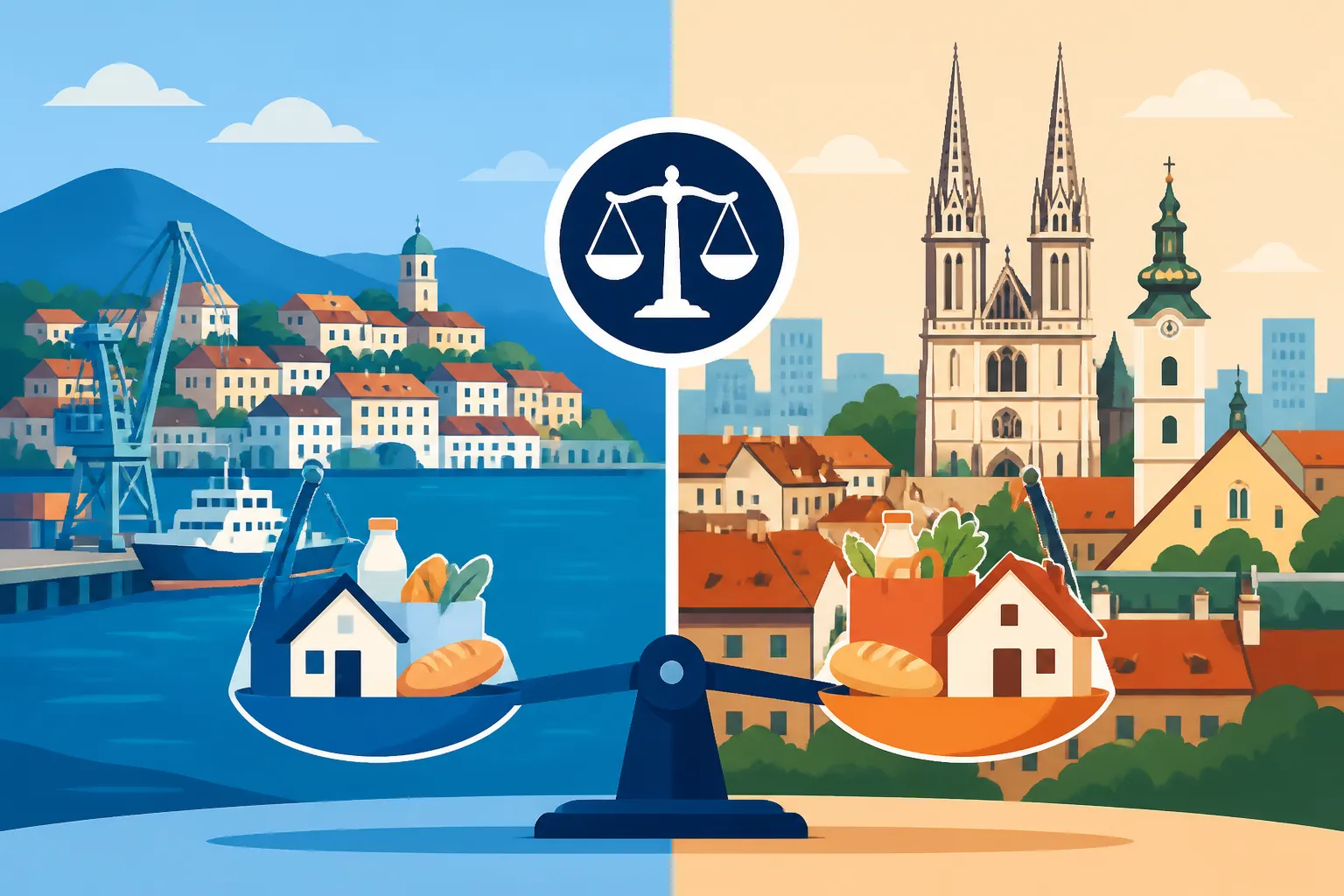
Choosing where to settle in Croatia can feel like navigating a maze, especially when you're weighing up two distinct cities like Zagreb and Rijeka. Many expats wonder if the vibrant capital or the bustling port city better suits their budget and lifestyle expectations. This guide will walk you through a detailed comparison of living costs in Rijeka and Zagreb, helping you understand where your hard-earned money will go furthest and which city truly aligns with your expat dream.
The Eternal Croatian City Debate: Rijeka vs. Zagreb
The decision between Zagreb and Rijeka isn't just about numbers on a spreadsheet; it’s about choosing a lifestyle. For those of us who’ve been here a while, you know that Croatia isn't a one-size-fits-all country. Each region, each city, has its own unique rhythm and cost implications.
Why This Comparison Matters for Expats
As a newcomer, you’re not just looking for a place to live; you're looking for a home, a community, and a comfortable daily existence. The stark differences in urban landscape, job markets, and social scenes between Zagreb and Rijeka directly impact your quality of life and, crucially, your wallet. What might seem like a small saving in rent in one city could be offset by higher transport costs or fewer job opportunities if you need to work locally. It's about finding the balance that works for you, not just blindly chasing the cheapest option.
Setting the Scene: What Each City Offers
Zagreb, as the capital, is the beating heart of Croatia. It’s a continental European city with a rich history, grand architecture, and a bustling, dynamic atmosphere. Here you’ll find the country’s largest concentration of businesses, universities, cultural institutions, and, naturally, expats. It offers the most job opportunities, the widest array of international services, and a comprehensive public transport system. However, with all that comes the typical capital city price tag.
Rijeka, on the other hand, is Croatia's largest port city, situated beautifully on the Kvarner Gulf. It offers a completely different vibe – industrial charm meets Mediterranean laid-back living. It was the European Capital of Culture in 2020, and while it might not have the sheer volume of cultural events as Zagreb, it has a grittier, more alternative art scene, stunning coastal proximity, and a gateway to Istria and the islands. Its economy is more tied to shipping, tourism, and some burgeoning tech sectors. While it’s still a significant urban center, it generally feels less frantic and, as you'll see, often lighter on the wallet.
Housing: Your Biggest Expense, and Where They Differ Most
When you're trying to figure out your budget in Croatia, housing is almost always the biggest chunk. And let me tell you, the difference between Zagreb and Rijeka here can be substantial, often making or breaking your monthly expenses.
Renting an Apartment in Zagreb
Finding an apartment in Zagreb is a competitive sport, especially if you're looking for something well-located and modern. The capital city commands higher prices across the board, particularly in desirable central areas like Donji Grad (Lower Town) and Gornji Grad (Upper Town). For a decent one-bedroom apartment (around 40-50 square meters) in the city center, you could easily be looking at €600 to €900 per month. If you want a two-bedroom, expect to pay €800 to €1,200, or even more, depending on condition and exact location.
Move slightly out to popular residential neighborhoods like Trešnjevka, Jarun, or some parts of Novi Zagreb, and you might find prices drop a bit, typically ranging from €450 to €700 for a one-bedroom and €650 to €1,000 for a two-bedroom. Even then, you need to factor in other costs beyond the headline rent. Many buildings in Zagreb have a pričuva, a mandatory building reserve fund fee, which can add anywhere from €20 to €80+ to your monthly outgoings, depending on the building's size and age. Utility costs are separate, of course, but we'll get to that. When you're looking for a place, be sure to ask about all these extra costs up front, not just the base rent. It's also vital to get your lease registered with the tax administration; you can find out more about that process in our guide on How to Register a Rental Lease with the Croatian Tax Administration.
Renting an Apartment in Rijeka
Rijeka offers a noticeable reprieve from Zagreb’s rental prices, though it's certainly not "cheap" by Croatian standards. You're still on the coast, which comes with its own demand. However, generally speaking, you'll get more space for your money here. For a one-bedroom apartment in a central area of Rijeka, you can expect to pay around €400 to €650 per month. A two-bedroom might set you back €600 to €900.
If you're willing to live slightly outside the absolute center, in areas like Zamet, Vežica, or even further afield in places like Kastav or Matulji (which are still very accessible by car or local bus), you can find even better deals, sometimes as low as €350-€500 for a one-bedroom and €500-€750 for a two-bedroom. These areas still offer excellent amenities and a great quality of life, often with better parking and greener surroundings. The pričuva is still a factor here, but it's often slightly lower than in Zagreb.
Property Ownership Considerations
While renting is often the first step for expats, some eventually consider buying. Property prices for purchase follow a similar trend. Zagreb properties, especially in sought-after districts, will have a higher per-square-meter price. Rijeka offers more affordable entry points for buying, particularly if you're looking outside the immediate city center or aiming for an older apartment that needs renovation. Remember to factor in the real estate transfer tax, which is a flat 3% of the property's value, regardless of the city. Understanding the Croatian Property Registry and Cadastre System is crucial if you're considering this path.
Utilities and Household Costs: The Unavoidable Bills
Beyond rent, utilities are your constant companion. While the exact figures depend heavily on your consumption habits, apartment size, and building efficiency, we can look at general trends.
Electricity, Water, Gas, and Heating in Both Cities
For electricity (HEP), water, and gas, the base rates set by providers don't vary significantly between Zagreb and Rijeka. What does change is your usage and how your building is heated. Zagreb, being inland, experiences colder winters, meaning heating costs (whether gas, electricity, or district heating) will generally be higher for a longer period. Many Zagreb apartments rely on centralized heating systems, which can sometimes be less flexible but often included in a building maintenance fee.
In Rijeka, winters are milder, thanks to its coastal location. You might run heating for fewer months, or rely on air conditioning units for both heating and cooling, which can offer more control over consumption. An average two-person household in a 50-60 sqm apartment might spend anywhere from €100-€200 per month on combined utilities in Rijeka during the colder months, while in Zagreb, that could easily climb to €150-€250, especially if you like your home toasty warm. Don't forget, when you move in, you'll need to know How to Set Up Electricity (HEP) in Your Croatian Home and other utilities.
Internet and Mobile Services
Good news here: internet and mobile services are pretty comparable across major Croatian cities. You'll find major providers like A1, Hrvatski Telekom, and Telemach offering similar packages and prices. For a decent home internet package (often bundled with TV and fixed-line phone, though few expats use the latter), expect to pay around €30-€50 per month.
For mobile services, prepaid options are abundant, with competitive data packages. If you're just arriving in Croatia and need immediate connectivity, a quick eSIM from a provider like Airalo can be a lifesaver to get you started before you commit to a local plan. Monthly contract plans vary from €15-€30 for unlimited calls/SMS and a generous amount of data. There isn't a significant cost difference between Zagreb and Rijeka for these services.
Waste Management and Other Fees
Both cities have communal fees for waste management (komunalna naknada) and other public services. These are typically charged based on the size of your property and location. While not a huge expense, they are consistent and mandatory. Expect to pay anywhere from €10-€30 per month for these services. Again, the difference between the two cities here is usually negligible.
Groceries and Dining Out: Fueling Your Croatian Life
This is where personal habits play a huge role, but we can still identify some city-specific nuances.
Supermarket Shopping: Where Your Kuna Go
For your everyday groceries, the major supermarket chains like Konzum, Lidl, Kaufland, and Spar are ubiquitous in both Zagreb and Rijeka. You'll find prices for staple items like bread, milk, eggs, and basic produce to be very similar. These larger stores operate on national pricing strategies, so no major regional surprises there.
However, the real charm of Croatian shopping often lies in the local markets, or tržnica. Zagreb's Dolac market is iconic, offering a vast array of fresh produce, meat, and dairy. Rijeka also boasts a fantastic central market, "Placa," known for its fresh fish given its coastal location, and other local produce. While prices at the market can sometimes be slightly higher for certain specialty items compared to supermarkets, the quality is often superior, and you're supporting local producers. For general shopping, you won't see a dramatic difference in your overall grocery bill based on the city alone, but rather on your shopping choices and dietary preferences.
Eating Out and Coffee Culture
Croatia runs on coffee. The kava culture is strong in both cities, and a cappuccino (kava s mlijekom) will typically cost you €1.80-€2.50 in most cafes. Zagreb, as the capital, has a broader and generally more expensive range of dining options, from casual eateries to high-end restaurants. A mid-range meal for one could be €15-€25, while a more upscale experience can easily push past €40 per person.
Rijeka offers excellent value for dining. You’ll find superb seafood given its location, and traditional konobas serving hearty meals at slightly lower prices than Zagreb. A mid-range meal might cost €12-€20, and you can find fantastic local places that offer great quality for even less. While both cities have their fast-food options and budget-friendly bakeries, if you enjoy eating out regularly, Rijeka might just save you a few euros here and there.
Local Specialties and Produce
Rijeka's coastal position means fresher, often cheaper, fish and seafood straight from the Adriatic. If you're a fan of fresh catch, this is a definite plus. Zagreb, being inland, has a stronger tradition of continental cuisine, with more meat-focused dishes and produce from the fertile Pannonian basin. While both cities have access to excellent seasonal produce, the emphasis and availability of certain items might slightly favor one over the other.
Transportation: Getting Around Town
How you move around can significantly impact your monthly budget, especially if you rely on public transport or own a car.
Public Transport Systems
Zagreb boasts a comprehensive public transport system run by ZET (Zagrebački Električni Tramvaj), consisting of trams and buses that cover the entire city and its suburbs. A single ticket bought on board costs €1.20, while a daily pass is €4 and a monthly pass for unlimited travel is around €40. For a capital city, this is quite affordable and efficient, making car ownership less of a necessity within the urban core. To learn more about getting around, check out our guide on How to Use the ZET Public Transport System in Zagreb.
Rijeka’s public transport, operated by Autotrolej, relies primarily on buses. It's a good system for getting around the city and to nearby towns, but it doesn't have the extensive tram network of Zagreb. A single ticket is around €1.50, and a monthly pass is typically €30-€35. While it serves its purpose, the hilly terrain of Rijeka often means more walking or a greater reliance on a car for certain routes.
Car Ownership and Fuel Costs
Fuel prices are standardized across Croatia, so there's no difference there. However, the necessity and cost of car ownership can vary. In Zagreb, traffic can be heavy, and parking in the city center is expensive and difficult to find. Many choose to forgo a car for daily commutes within the city. If you do own a car, factor in annual registration, insurance, and the dreaded technical inspection (tehnički pregled), which you can learn more about in Understanding Vehicle Technical Inspection (Tehnički Pregled) in Croatia.
In Rijeka, while public transport is decent, the city's sprawl and hilly landscape often make a car more appealing, if not essential, for exploring the wider region, including the beautiful Opatija Riviera or Istria. Parking can still be challenging in the center, but generally less so than in Zagreb. The cost of owning a car will be the same wherever you are in Croatia, but the utility and convenience might be higher in Rijeka.
Walking, Cycling, and Ride-Sharing
Both cities are walkable to an extent. Zagreb's city center is very pedestrian-friendly, and cycling is popular, though dedicated bike lanes are still developing. Rijeka's hilly nature makes cycling more of a workout, but walking is a great way to explore its distinct neighborhoods and waterfront. Ride-sharing services like Bolt and Uber are available in both cities, with comparable pricing that generally offers a convenient alternative to taxis.
Leisure, Entertainment, and Lifestyle
Beyond the necessities, how much you spend on enjoying life really shapes your budget. This is where the cities truly diverge in what they offer.
Cultural Activities and Nightlife
Zagreb, as the cultural capital, offers a plethora of options: national theaters, numerous museums, art galleries, concert halls, and a vibrant, diverse nightlife. From classical concerts to underground clubs, there's always something happening. While many national institutions offer affordable entry, frequenting them can add up. Nightlife in Zagreb is dynamic, with a wide range of bars and clubs, where a cocktail might cost €8-€12 and a beer €3-€5.
Rijeka, despite its smaller size, has a unique and often more alternative cultural scene. Its legacy as a European Capital of Culture has left it with renewed venues and a thriving independent art and music community. While it might not have the sheer volume of events as Zagreb, it offers a distinct, often more intimate, experience. Nightlife is lively, especially along the Korzo (main promenade), with slightly lower prices for drinks than in Zagreb.
Sports, Fitness, and Outdoor Pursuits
Both cities offer gym memberships typically ranging from €30-€60 per month, depending on the facility. Zagreb's proximity to Medvednica mountain offers fantastic hiking and skiing opportunities in winter. Lake Jarun is a popular spot for jogging, cycling, and watersports.
Rijeka's unique position provides direct access to the Adriatic Sea for swimming, sailing, and other watersports. The nearby Učka mountain offers stunning hiking trails. If you're an outdoor enthusiast who loves the sea, Rijeka's natural playground might be a huge draw, potentially saving you on structured recreational activities.
Travel and Weekend Getaways
Zagreb's central location makes it an excellent hub for exploring inland Croatia, including national parks like Plitvice Lakes, or venturing into neighboring countries like Slovenia, Hungary, or even Austria. You can easily hop on a train to explore other parts of Croatia; learn more in Understanding Train Travel with Croatian Railways (HŽ).
Rijeka's appeal for weekend getaways lies in its immediate coastal access. Istria with its charming hilltop towns, the islands of Krk and Cres, and the beautiful Opatija Riviera are all just a short drive away. It's also well-connected to Italy and Slovenia by car. For beach lovers and those who enjoy coastal exploration, Rijeka is perfectly positioned.
The Final Verdict: Zagreb or Rijeka for Your Budget?
So, after all that, which city wins the cost-of-living battle? It’s not a simple knockout; it’s more of a nuanced decision based on your priorities.
When Zagreb Might Be Cheaper (or Better Value)
Despite its higher rents, Zagreb can offer better overall value for certain expats. If you're in a specialized profession, job opportunities are more numerous, and salaries can be higher, potentially offsetting the higher cost of living. For instance, if you're seeking IT jobs in Zagreb as a foreigner, you'll find a wider market. The public transport system is so comprehensive that you might save significantly by not owning a car, which is a major expense. Furthermore, the sheer volume of amenities, cultural events, and international communities can provide a richer experience for those who thrive in a bustling capital environment. If you're the type who enjoys frequenting museums, theatres, and a diverse range of restaurants, Zagreb has more options.
When Rijeka Shines for Your Wallet (and Soul)
For most general comparisons, Rijeka does come out as the more budget-friendly option. Rent is the single biggest factor, and you’ll consistently find more affordable housing here. The milder winters also mean potentially lower heating bills. If you're drawn to a coastal lifestyle, with easy access to the sea and mountains, and a slightly more relaxed pace of life, Rijeka offers an excellent quality of life without the capital city premium. The culinary scene, while perhaps not as diverse as Zagreb’s, offers fantastic value, especially for seafood lovers. If you're moving to Croatia and looking for ways to streamline your move and its costs, services like Sirelo can help you compare moving companies to get your belongings to a more affordable location like Rijeka efficiently.
Making Your Personal Choice
Ultimately, the best way to decide is to visit both cities. Spend a few days in Zagreb, soaking up the continental charm, exploring the museums, and navigating the trams. Then head to Rijeka, walk the Korzo, breathe in the sea air, and visit the market. Consider your priorities:
- Budget: If your budget is tight, Rijeka generally offers more wiggle room.
- Job Market: If you need to find a job locally, Zagreb offers more opportunities across diverse sectors.
- Lifestyle: Do you prefer a vibrant, bustling capital with extensive cultural offerings, or a laid-back, coastal city with immediate access to nature?
- Community: Zagreb has a larger, more established expat community, while Rijeka’s is growing and has a unique, often more intimate feel.
Here's a quick comparison table to help visualize the differences:
| Category | Zagreb (Estimated Monthly Range) | Rijeka (Estimated Monthly Range) | Notes |
|---|---|---|---|
| Rent (1-BR Center) | €600 – €900 | €400 – €650 | Significant difference, especially for central locations. |
| Rent (1-BR Outskirts) | €450 – €700 | €350 – €500 | Still a notable difference. |
| Utilities (Combined) | €150 – €250 | €100 – €200 | Zagreb often higher due to colder winters/heating needs. |
| Internet & Mobile | €45 – €70 | €45 – €70 | Largely comparable across both cities. |
| Groceries (Single Person) | €200 – €350 | €180 – €320 | Similar, depends on shopping habits; markets offer value. |
| Public Transport (Monthly Pass) | €40 | €30 – €35 | Zagreb's system is more extensive. |
| Mid-Range Meal Out | €15 – €25 | €12 – €20 | Rijeka generally offers better value for dining out. |
| Coffee | €1.80 – €2.50 | €1.80 – €2.50 | Comparable. |
| Gym Membership | €30 – €60 | €30 – €60 | Comparable. |
This table is a general guide, and your personal spending habits will always be the biggest variable. Both cities offer incredible experiences for expats, but understanding these cost differences is the first step to making an informed decision about your Croatian adventure.
Disclaimer
The information provided in this guide is intended for general informational purposes only and does not constitute legal, financial, or professional advice. While we strive to keep the information up-to-date and accurate, costs, regulations, and procedures in Croatia can change rapidly. Always consult with relevant professionals or official government sources for the most current and specific advice tailored to your individual situation.