What Is Covered by Basic HZZO Insurance in Croatia?
Moving to a new country like Croatia, one of the biggest anxieties, right after finding a place to live, is undoubtedly healthcare. You hear about "HZZO" everywhere, but figuring out exactly what this basic public health insurance covers can feel like trying to solve a Rubik's Cube blindfolded. Many expats assume "public insurance" means everything is covered, only to be hit with unexpected co-payments or long waits. This guide is here to untangle the complexities of basic HZZO coverage, giving you a clear picture of what to expect, what's included, and where you might need to consider additional options to truly feel secure in your new Croatian home.
Understanding HZZO: More Than Just a Card
HZZO, or Hrvatski zavod za zdravstveno osiguranje, is Croatia's national health insurance fund. It's the backbone of the public healthcare system, designed to ensure that everyone legally residing here has access to essential medical care. Think of it as your entry ticket into a system built on solidarity, where contributions from all help cover the medical needs of the population. But it's crucial to understand that "basic" doesn't always mean "everything." It means a foundational level of care, and knowing its limits is key to avoiding surprises.
Who is Covered by Mandatory HZZO?
The Croatian healthcare system broadly categorizes individuals into different groups for mandatory health insurance coverage. If you're officially residing and working in Croatia, you're almost certainly covered. This includes anyone employed by a Croatian company, self-employed individuals running a paušalni obrt or d.o.o., and even those on certain types of residence permits, like students or retirees. Dependents, such as spouses and children, can often be registered under the primary insured person, ensuring the whole family has access. It’s a pretty inclusive system at its core, but the specifics of how you register and when your coverage starts can vary depending on your status. For example, registering for HZZO as a foreigner in Croatia involves specific steps and documents.
For new arrivals, especially those awaiting their full residence permit processing or setting up their businesses, there can be a period of limbo. During this time, having private travel or expat insurance can be a real lifesaver. Companies like SafetyWing offer flexible plans that can bridge these gaps, ensuring you're not caught without coverage while the Croatian bureaucracy takes its time. It’s always better to be safe than sorry, especially when health is on the line.
The Philosophy Behind Croatian Public Healthcare
Croatia’s public healthcare system operates on principles of universal access and solidarity. This means that a significant portion of healthcare services is financed through mandatory contributions, aiming to provide equitable access to medical care for all citizens and legal residents. The idea is that everyone contributes what they can, and everyone receives care when they need it, regardless of their income at the point of service. The basic HZZO package is designed to cover a comprehensive range of primary, secondary, and tertiary care, focusing on essential health needs. It's not about luxury, but about fundamental human right to health. This system also works closely with How the Croatian Health Insurance Fund (HZZO) Works: A Full Overview to manage funds and services.
The Bread and Butter: What HZZO Does Cover
So, let's get down to the nitty-gritty: what kind of care can you actually expect under your basic HZZO policy? Generally speaking, basic HZZO covers a substantial amount of what you might need, from routine check-ups to serious medical emergencies.
Primary Healthcare and General Practitioners
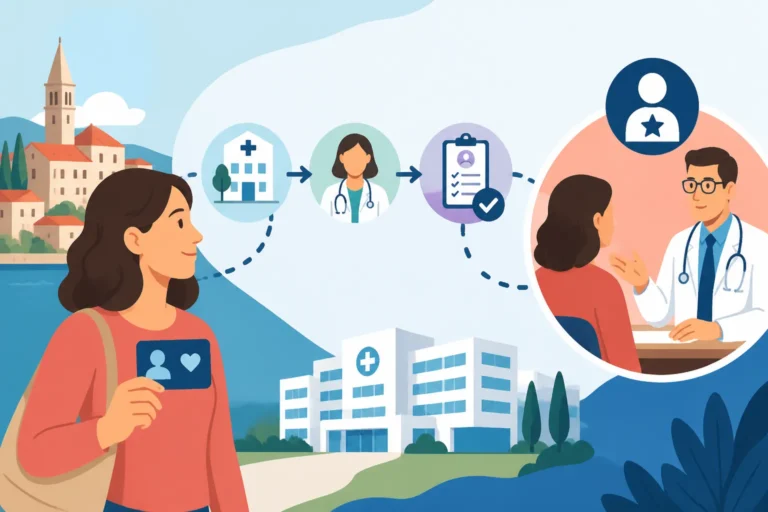
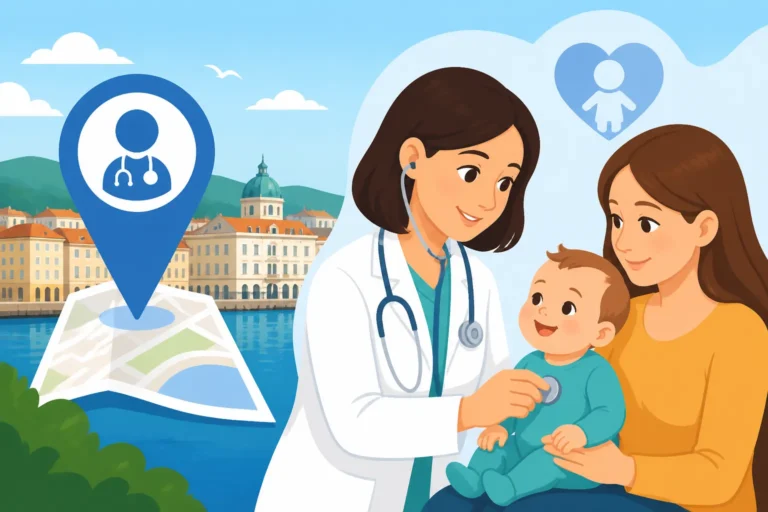
Your first point of contact in the Croatian healthcare system will almost always be your chosen family doctor (liječnik obiteljske medicine), pediatrician (pedijatar) for children, or gynecologist (ginekolog) for women. Basic HZZO covers visits to these primary care physicians, including general examinations, consultations, and referrals to specialists. This is where your journey usually begins. Need a common cold checked out? Your family doctor. Minor injury? Your family doctor. They also manage your e-Recept (e-prescription) for medications and e-Uputnica (e-referrals) for further diagnostics or specialist visits. It’s a very gatekeeper-oriented system, which means you can’t just waltz into a specialist’s office without your GP’s blessing. Understanding the role of the Dom Zdravlja (Health Centre) in Croatia is crucial here, as these are typically where your GP will be located.
Specialist Referrals and Hospital Stays
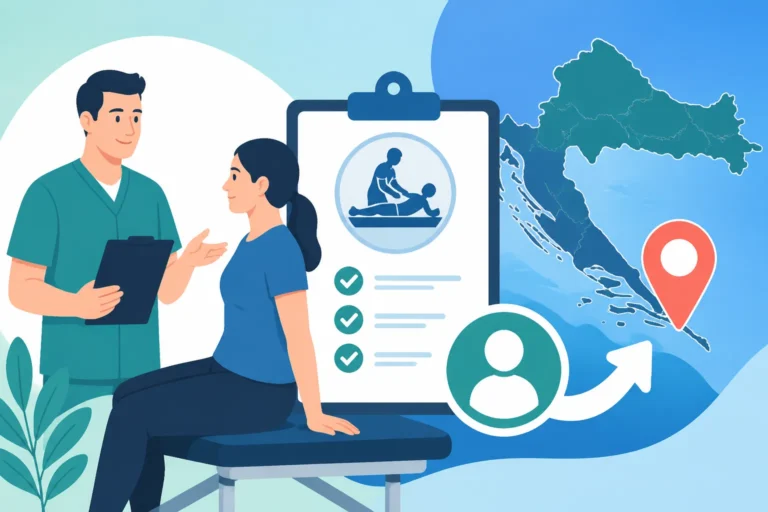
Once your family doctor issues an e-Uputnica, basic HZZO covers specialist consultations, diagnostic procedures (like X-rays, blood tests, ultrasounds), and necessary treatments within the public system. This is a huge relief for anyone facing more serious health concerns. If you need hospital care, whether for surgery, an acute illness, or an emergency, HZZO generally covers the costs associated with your stay, including room, board, and medical interventions. This includes significant treatments like chemotherapy, dialysis, and major surgeries. Emergency medical care in Croatia is also primarily covered by HZZO if you are a registered insured person. Just remember, while the care itself is covered, you might still encounter those pesky participacija fees, which we'll discuss shortly.
Essential Medications and Medical Devices
When your doctor prescribes medication via the e-Recept system, HZZO covers a portion, or sometimes the full cost, of drugs that are on the official HZZO "positive list." This list is extensive, covering a wide range of common and essential medications. For some medications, you might pay a reduced price or a co-payment, while others are entirely free. The same applies to certain medical devices, such as prosthetics, orthopedic aids, and some rehabilitation equipment, which are covered if prescribed by a specialist and approved by HZZO. It’s worth noting that prescription medications and pharmacies in Croatia operate quite efficiently, especially with the e-prescription system.
Preventative Care and Public Health Programs
Basic HZZO isn't just about treating illness; it also covers a variety of preventative health services. This includes mandatory vaccinations for children, certain adult vaccination programs, and various public health screenings for diseases like cervical cancer (pap tests) and breast cancer (mammograms) for specific age groups. Maternity and prenatal care in Croatia, including regular check-ups, ultrasounds, and childbirth in public hospitals, is also substantially covered. These programs are vital for maintaining public health and are a significant benefit of the HZZO system.
Cracks in the Coverage: What HZZO Doesn't Fully Cover (and how to manage it)
While HZZO provides a robust safety net, it's not a "free-for-all" system. There are significant areas where you'll encounter out-of-pocket expenses, even with basic coverage. This is where many expats get tripped up, and it's essential to understand these nuances to avoid financial surprises.
The Dreaded Participacija (Co-Payments)
Ah, participacija. This is the bane of many expats' existence in Croatia. Participacija refers to the mandatory co-payments you're required to make for certain services, even with basic HZZO. The amount varies depending on the type of service, but it's essentially your contribution to the cost. For instance, a visit to a specialist might incur a small fee (around €2-5), while a hospital stay could have a daily co-payment, up to a maximum annual limit. This is why many residents opt for supplementary insurance (Dopunsko Zdravstveno Osiguranje), which covers these participacija fees. Without dopunsko, every single co-payment will come out of your pocket. Understanding participacija (co-payments) in the Croatian health system is crucial.
Dental and Vision Care
This is often a big disappointment for expats used to more comprehensive dental and vision coverage. Basic HZZO provides very limited dental care. It usually covers only the most basic services, such as emergency extractions, fillings with amalgam (silver) or basic white composite in specific teeth, and some preventative care for children. Anything beyond that – routine cleanings, root canals, crowns, orthodontics, or higher-quality fillings – will largely be out-of-pocket. Similarly, vision care coverage is minimal. Basic HZZO might cover some eye exams, but generally, the cost of prescription glasses or contact lenses is not covered. If you need extensive dental work or new glasses, be prepared to pay privately or look into private insurance options.
Elective Procedures and "Faster" Access
While HZZO covers necessary specialist care and surgeries, the public system is notorious for waiting lists. For non-life-threatening but important procedures or specialist consultations, waiting times can stretch from weeks to many months, or even over a year for certain specialties. If you want to bypass these waiting lists, or if you prefer a specific doctor or facility, you’ll likely need to seek private healthcare. Private polyclinics (poliklinike) and hospitals offer faster appointments and a more personalized experience, but these come at a cost that basic HZZO does not cover. Many expats find this a necessary evil to maintain their health proactively.
The Role of Supplementary and Private Insurance
Given the gaps in basic HZZO, especially the participacija and limited dental/vision, many expats opt for additional insurance.
- Dopunsko Zdravstveno Osiguranje (Supplementary Insurance): This is highly recommended for anyone with HZZO. It's a relatively inexpensive monthly policy (typically around €10-20) that covers all your participacija fees. Think of it as an upgrade that makes your basic HZZO truly "free" at the point of service. You can apply for supplementary insurance through HZZO directly or via private insurers like Croatia Osiguranje or Generali, who administer HZZO's dopunsko. Understanding Dopunsko Zdravstveno Osiguranje (Supplementary Insurance) in Croatia is essential for avoiding unexpected costs.
- Private Health Insurance: For those who want faster access to specialists, more comprehensive dental and vision coverage, or simply the peace of mind of private care, private health insurance is the way to go. These plans can cover a wider range of services, often including elective procedures, psychological counseling, and a choice of doctors, without the need for GP referrals or waiting lists. This is particularly useful for digital nomads or those who might not immediately qualify for HZZO, or who want extra coverage. Brands like SafetyWing offer expat-friendly private insurance options that can provide comprehensive coverage, even for those still in the process of establishing full residency or for those who simply want a backup plan for global health coverage. It's a fantastic solution for peace of mind, especially when you're still figuring out the local system.
| Service Category | Basic HZZO Coverage | Potential Out-of-Pocket Costs (without Dopunsko/Private) |
|---|---|---|
| Primary Care (GP) | Full coverage for visits, consultations, referrals, e-prescriptions. | Participacija fee (small, covered by Dopunsko). |
| Specialist Care | Full coverage for consultations, diagnostics (X-rays, blood tests), treatments (with referral). | Participacija fee (covered by Dopunsko), longer wait times. |
| Hospital Stays | Full coverage for room, board, surgeries, acute care in public hospitals. | Participacija fee per day (covered by Dopunsko), up to a max annual limit. |
| Medications | Full or partial coverage for drugs on the HZZO positive list (via e-Recept). | Co-payments for certain medications, full cost for non-list drugs. |
| Emergency Care | Full coverage for medically necessary emergencies. | Participacija fee for non-life-threatening emergencies (covered by Dopunsko). |
| Preventative Care | Vaccinations, certain screenings (mammograms, Pap tests), maternity care. | Minimal. |
| Dental Care | Very limited: emergency extractions, basic fillings (amalgam/specific composite). | Most dental work (cleanings, root canals, crowns, orthodontics). |
| Vision Care | Basic eye exams. | Glasses, contact lenses, specialized eye treatments. |
| Mental Health | Basic psychiatric care, some psychologist visits with referral. | Extensive therapy, private psychology/counseling without referral. |
Navigating the System: Tips for Expats
Navigating any new country's healthcare system is a journey, and Croatia is no exception. With a little preparation and understanding, you can make the process much smoother.
Registering and Activating Your HZZO
The first step to accessing basic HZZO coverage is to register yourself properly. This usually happens after you've secured your temporary residence permit. You'll need your OIB (personal identification number), proof of residence, and potentially other documents depending on your status (e.g., employment contract, student visa). The process often involves a visit to the HZZO office in your local Dom Zdravlja. Be prepared for some paperwork and potentially a bit of a wait. Once registered, you'll receive your HZZO card, which is essential for accessing services. For a detailed walkthrough, check out Registering with HZZO in Croatia: The Complete Expat Guide (2027).
Getting Your Dopunsko Zdravstveno Osiguranje
As discussed, Dopunsko Zdravstveno Osiguranje is a non-negotiable if you want to avoid co-payments. As soon as your basic HZZO is active, look into getting your dopunsko. You can apply directly through HZZO or one of the private insurers that offer it. The cost is minimal, and the peace of mind it offers is immense. This small investment will save you money and headaches in the long run.
When to Consider Private Options
Even with basic HZZO and dopunsko, there are times when private health insurance can offer significant advantages. If you're someone who values speed, choice, and access to a wider range of services, or if you have specific dental or vision needs, private insurance might be worth the investment. For new arrivals, especially before your HZZO is fully set up, temporary private insurance like SafetyWing is an excellent interim solution. It ensures you’re covered from day one, without having to worry about an unexpected medical bill derailing your relocation budget. Additionally, if you're a digital nomad or remote worker who travels frequently, a global private health insurance plan can offer continuous coverage wherever you go. Think about your personal health needs, financial situation, and how often you anticipate needing medical attention outside of routine care when deciding. For those working remotely for foreign companies, understanding How to Handle Tax as a Remote Worker for a Foreign Company in Croatia and its implications on healthcare is also vital.
Living in Croatia as an expat means embracing a new way of life, and that includes understanding its healthcare system. While basic HZZO provides a strong foundation of medical care, being aware of its limitations and exploring supplementary and private options will empower you to make informed decisions for your health and well-being. Don't let the bureaucracy intimidate you; arm yourself with knowledge, and you'll navigate the Croatian healthcare landscape like a seasoned local.
Disclaimer
Please note that healthcare regulations and coverage can change. While this guide provides comprehensive information based on current understanding, it is always advisable to verify the latest details directly with HZZO or a local expert. This content is for informational purposes only and does not constitute professional medical or legal advice.