How Much Does an MRI Scan Cost Privately in Croatia?
One of the biggest worries for any expat is unexpected medical bills, and navigating a new healthcare system, especially when something serious like an MRI scan is needed, can be incredibly daunting. This guide is here to shed some light on the often-murky waters of private MRI scan costs in Croatia, offering realistic expectations and practical advice so you can make informed decisions when you need them most.
Understanding MRI Scans and Why You Might Need One in Croatia
Let's face it, medical jargon can be overwhelming in your native language, let alone in Croatian. So, before we dive into costs, it’s helpful to understand what an MRI is and why a doctor might recommend one.
What is an MRI and How Does It Work?
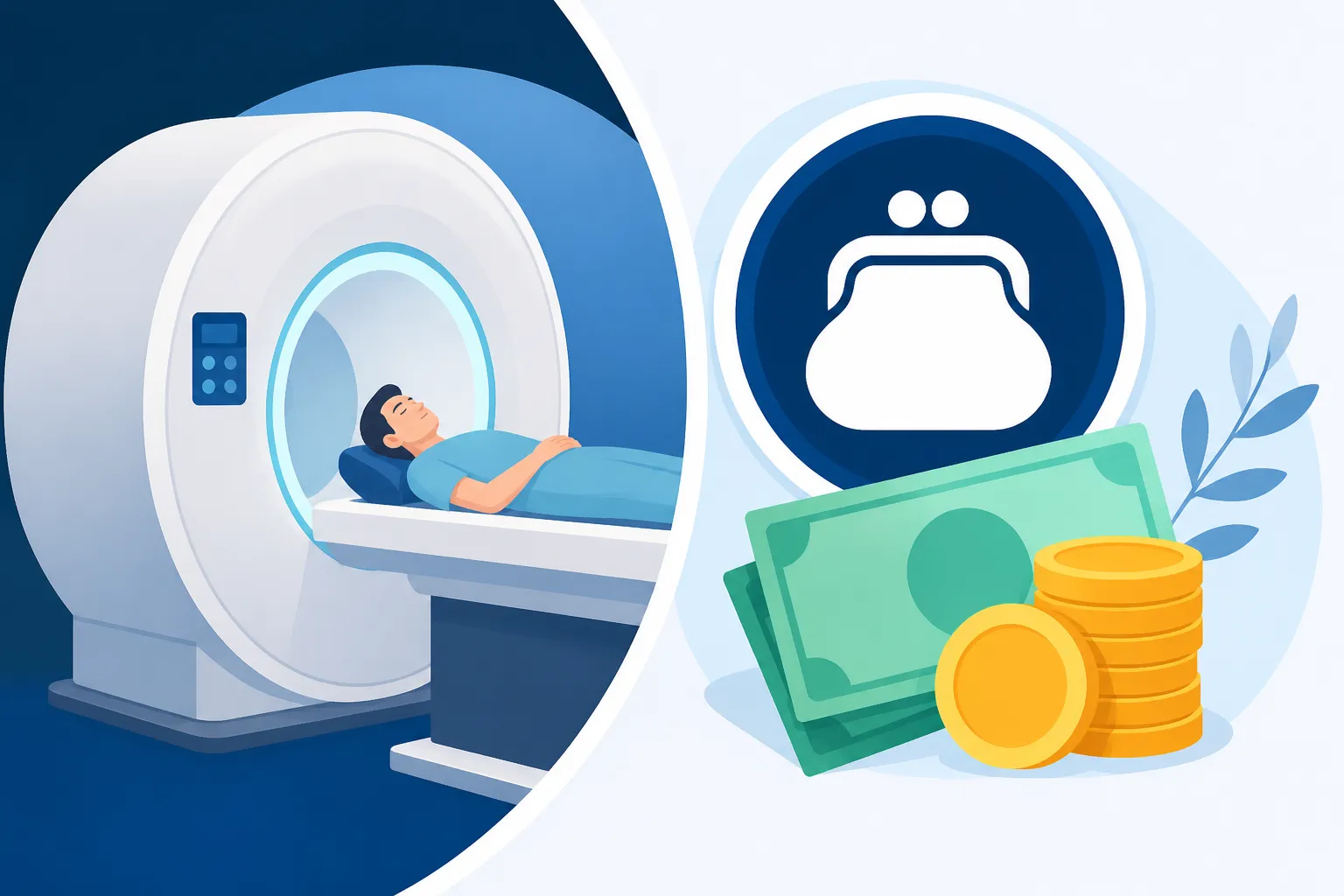
An MRI, or Magnetic Resonance Imaging, is a non-invasive medical imaging technique that uses a powerful magnetic field and radio waves to create detailed images of organs, soft tissues, bone, and virtually all other internal body structures. Unlike X-rays or CT scans, MRIs don't use ionizing radiation, which many people find reassuring. The machine looks like a large tube, and you lie on a table that slides into it. It can be a bit noisy and cramped, but the detail it provides is often crucial for accurate diagnoses. Think of it as taking thousands of super-detailed photos from every angle, helping doctors see things that other scans might miss.
Common Reasons for Needing an MRI as an Expat
You might be wondering why you, an otherwise healthy expat enjoying the Croatian sunshine, would need an MRI. Well, life happens, and injuries or unexpected health issues don't discriminate by nationality. Common reasons include persistent back or neck pain that traditional treatments aren't resolving, indicating potential disc issues, nerve compression, or spinal problems. If you've had a sports injury – perhaps a twisted knee from hiking Plitvice Lakes or a shoulder issue from too much paddleboarding – an MRI is often the best way to assess ligament tears, cartilage damage, or other soft tissue injuries. Neurological symptoms like unexplained headaches, dizziness, or numbness could lead to a brain MRI to check for anything from migraines to more serious conditions. Furthermore, if you're dealing with chronic joint pain, abdominal discomfort, or even certain unexplained fatigue, an MRI can provide clarity where other diagnostic tools fall short. It’s a powerful tool, and sometimes, it’s the only way to get to the bottom of what's really going on.
Navigating the Public vs. Private System for MRI Scans
When you’re in pain or worried about your health, the last thing you want is a bureaucratic maze. This is where the Croatian healthcare system, for all its good points, can sometimes feel like a real test of patience.
The Realities of Public Healthcare Waiting Lists
Croatia's public healthcare system, funded primarily through the Croatian Health Insurance Fund (HZZO), is comprehensive, but it often comes with a significant drawback: waiting lists. For an MRI, these lists can be notoriously long, particularly for non-emergency cases. We're talking months, sometimes even longer, especially for common scans like knee or spinal MRIs in major cities. I've heard countless stories from fellow expats, and even locals, who were told they'd have to wait six months to a year for a routine scan. If you're suffering, or if your doctor believes a prompt diagnosis is important, waiting that long is simply not feasible. This is where many expats start considering the private route. While it's vital to understand How the Croatian Health Insurance Fund (HZZO) Works: A Full Overview and how to Registering with HZZO in Croatia: The Complete Expat Guide (2027), the public system's capacity issues for advanced diagnostics like MRIs are a genuine concern.
Why Private Clinics are Often the Go-To for Timely MRIs
For many, the private healthcare sector in Croatia is a godsend, especially when time is of the essence. Private clinics offer significantly shorter waiting times, often allowing you to book an MRI within days, sometimes even the same day if there's an urgent slot available. Beyond speed, these clinics typically boast state-of-the-art equipment and often have English-speaking staff, which can be a huge relief when discussing complex medical procedures. The communication alone can make the higher cost worthwhile, as it reduces anxiety and ensures you fully understand your diagnosis and treatment options. If you're looking for an immediate appointment without the public system's bureaucratic hurdles, exploring private options becomes almost a necessity. When comparing Public vs Private Healthcare in Croatia: Which Should Expats Choose?, for diagnostics like MRIs, private often wins on convenience and speed.
For those who are still getting set up with local health insurance or perhaps on a digital nomad visa, where local public health insurance might not fully cover private treatments, having an international health insurance plan can be a lifesaver. Companies like SafetyWing are specifically designed for digital nomads and expats, offering coverage that can provide peace of mind when considering private diagnostic tests like an MRI. It's not a substitute for HZZO for long-term residents, but for specific situations, it can be an excellent option for covering unexpected costs.
How Much Does a Private MRI Scan Cost in Croatia?
Now for the million-dollar question – or rather, the several-hundred-euro question! The cost of a private MRI in Croatia can vary, but generally, it's quite reasonable compared to many Western European countries or the US.
Factors Influencing the Price
Several factors play a role in determining the final price of your MRI scan in Croatia:
- Body Part Being Scanned: This is the most significant factor. A head MRI will differ in price from a knee MRI, and a full spinal scan will naturally cost more than a single segment.
- Use of Contrast Material: Sometimes, to highlight certain tissues or abnormalities more clearly, a contrast dye (gadolinium) is injected intravenously before or during the scan. This will add to the overall cost.
- Clinic Reputation and Location: Larger, more established clinics in major cities like Zagreb or Split might have slightly higher prices due to their investment in the latest technology and higher operating costs. Smaller clinics or those in less central locations might offer marginally lower prices, but the difference isn't always substantial.
- Urgency: While private clinics inherently offer faster appointments, there generally isn't a "rush fee" for an MRI itself. The premium you pay is for the quicker access compared to the public system.
- Number of Sequences/Detailedness: Depending on the suspected condition, the radiologist might perform more sequences or a more detailed scan, which could influence the price.
Estimated Cost Ranges by Body Part
Based on current information and common pricing at reputable private clinics in Croatia, here's an estimated breakdown. These are approximate costs and can fluctuate, so always get a direct quote from the clinic.
| Body Part Scanned | Estimated Cost Range (EUR) | Additional Cost for Contrast (EUR) |
|---|---|---|
| Brain/Head | €150 – €300 | €70 – €100 |
| Cervical Spine | €130 – €250 | €70 – €100 |
| Thoracic Spine | €130 – €250 | €70 – €100 |
| Lumbar Spine | €130 – €250 | €70 – €100 |
| Knee | €130 – €250 | €70 – €100 |
| Shoulder | €130 – €250 | €70 – €100 |
| Hip | €130 – €250 | €70 – €100 |
| Abdomen/Pelvis | €200 – €400 | €70 – €100 |
| Whole Body | €500 – €1000+ | €70 – €100 (if needed) |
These figures are a general guide. For instance, a brain MRI at Poliklinika Medikol or Affidea, two of the more well-known private polyclinics with multiple locations across Croatia, might fall within the higher end of these ranges, especially if contrast is required. A single region of the spine (e.g., lumbar) is typically around €150-€250, while a full spinal scan would combine the costs of cervical, thoracic, and lumbar sections, making it significantly more expensive.
It’s worth noting that if you have an international health insurance plan like SafetyWing, which is often used by digital nomads or long-term travelers, it might cover some or all of these costs, depending on your specific policy and deductibles. Always check your policy details beforehand to understand what diagnostics are included. Understanding your overall Health Insurance in Croatia: Mandatory, Supplementary and Private Options Explained is key to managing these costs effectively.
Specific Clinic Examples and What to Expect
When looking for a private MRI, you'll likely come across a few prominent names.
Poliklinika Medikol is probably one of the most recognized private diagnostic centers in Croatia, with facilities in Zagreb, Split, Rijeka, and Čakovec. They are known for having modern equipment and a relatively efficient process. You can often find their detailed price lists directly on their website. Expect clear instructions on preparation (e.g., fasting for abdominal scans) and a professional environment.
Affidea, another large international chain, also has a strong presence in Croatia, particularly in Zagreb, Pula, and Split. They also offer a wide range of diagnostic services including MRIs and are known for their high standards. Their pricing is competitive with Medikol.
Other highly regarded polyclinics like Specijalna bolnica Sv. Katarina near Zabok (but easily accessible from Zagreb) or Poliklinika Akromion (specializing in orthopedics, also near Zagreb) also offer MRI services, often with specialized radiologists.
When you contact a clinic, be prepared to tell them which body part needs scanning and if a referral (uputnica) from a specialist doctor suggests contrast material is needed. They will then provide you with an exact quote and available appointment times. Most clinics will give you the results, usually a CD with the images and a written radiological report, within a few days, sometimes even on the same day if you wait.
Tips for Expats Seeking a Private MRI in Croatia
Navigating the healthcare system as an expat doesn't have to be a solo mission. Here are some pointers to help you along the way.
Getting a Referral and Understanding Specialist Appointments
Even if you're going private for an MRI, it's highly recommended to get a referral from a doctor, ideally a specialist. This ensures that the correct type of MRI is ordered (e.g., with or without contrast, specific views), and it also helps the radiologist focus on the areas of concern. Your family doctor (obiteljski liječnik) can usually provide a general referral, but for specific issues, it’s best to first see a specialist. For example, if you have knee pain, an orthopedic surgeon's referral will be much more precise. You can find guidance on The Expat Guide to Finding a Family Doctor (Obiteljski Liječnik) in Croatia and How to Access Specialist Care Through the Croatian Public System, but remember that even for private clinics, a specialist opinion prior to an MRI is good practice. This also helps ensure that the MRI is actually the most appropriate diagnostic tool for your symptoms.
Language Barriers and English-Speaking Staff
While many private clinics, especially those catering to a wider international clientele, will have English-speaking staff, it's always a good idea to confirm this when booking your appointment. Don't be shy to ask. For the actual scan, communication is usually minimal, but for discussing results or understanding preparatory instructions, it's invaluable. If you're concerned, consider bringing a Croatian-speaking friend, or ask if the clinic can provide a translator. Google Translate can help with basic queries, but for complex medical explanations, a human touch is best. Many clinics will also offer their radiological reports in both Croatian and English, or can provide an English translation upon request.
Payment Options and Insurance Considerations
Most private clinics in Croatia accept major credit cards and cash payments. Some may offer installment plans for very expensive procedures, but for a single MRI, full payment upfront is usually expected. This is where your health insurance comes in. If you have comprehensive private health insurance, it might cover the cost of your MRI. You'll need to check your policy carefully for deductibles, co-payments, and whether pre-authorization is required. Some policies will require you to pay out-of-pocket and then submit a claim for reimbursement.
For digital nomads or temporary residents who may not have full HZZO coverage or traditional private health insurance, international expat health insurance plans, like those offered by SafetyWing, can be crucial. These plans are designed to cover unexpected medical emergencies and sometimes pre-approved diagnostics abroad. Always review your specific SafetyWing policy documents to understand your coverage limits, exclusions, and the claims process for diagnostic procedures like an MRI. It’s always best to be proactive and understand your Health Insurance in Croatia: Mandatory, Supplementary and Private Options Explained and Understanding Private Health Insurance Plans in Croatia before you need an MRI.
Having a clear understanding of your financial responsibilities and insurance coverage will alleviate a lot of stress during an already potentially stressful time.
Disclaimer
The information provided in this guide is intended for general informational purposes only and does not constitute medical, legal, or financial advice. Healthcare costs and procedures can change, and individual situations may vary. Always consult with a qualified medical professional, insurance provider, or legal expert for advice tailored to your specific circumstances.