How to Use Your EHIC (EKZO) Card in Croatia as an EU Citizen
Moving to Croatia from another EU country brings with it the comforting thought of shared European systems, but when it comes to healthcare, many EU citizens find themselves confused about how their European Health Insurance Card (EHIC), or Europska kartica zdravstvenog osiguranja (EKZO) as it's known here, actually works. It's not always as straightforward as presenting your card and getting free treatment. This guide aims to clear up the confusion, lay out the realities, and help you navigate the Croatian healthcare system using your EHIC effectively.
Understanding the EHIC (EKZO) and What It Covers
Let's be honest, that little blue card in your wallet often feels like a magic bullet for healthcare across Europe, but its powers are a bit more nuanced than many realize. It's a fantastic safety net, absolutely, but it's crucial to understand its limitations in Croatia.
What Exactly Is an EHIC/EKZO?
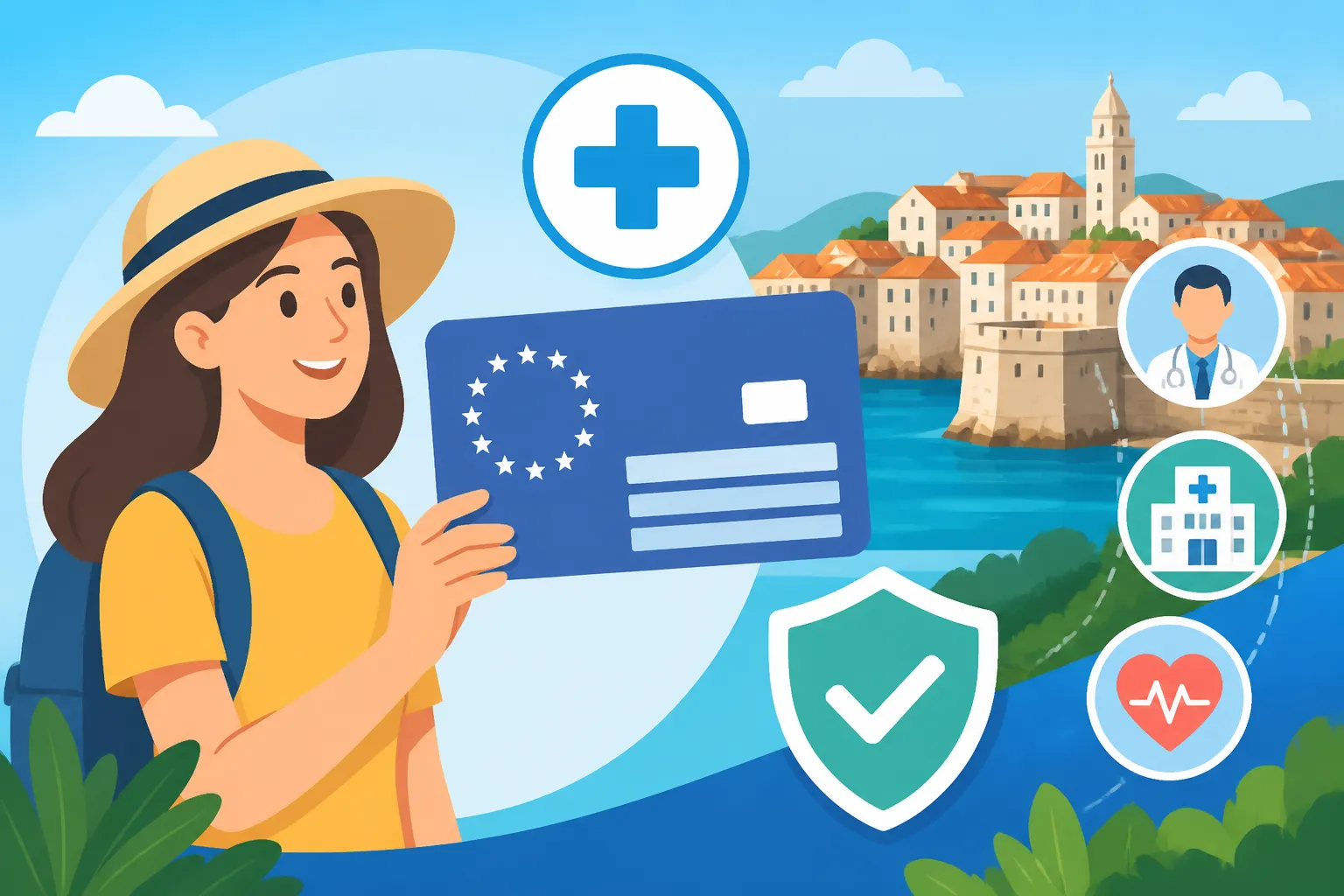
The European Health Insurance Card (EHIC), or EKZO as it's known locally, is essentially your proof that you are insured by a public health insurance scheme in an EU/EEA country or Switzerland. It allows you to receive medically necessary healthcare during a temporary stay in Croatia, or any other member state, under the same conditions and at the same cost as people insured in that country. This means if Croatian citizens pay a certain fee or have certain entitlements through their public system, so do you, thanks to your EHIC. It's not a private insurance card, nor is it a substitute for comprehensive travel insurance. It simply ensures you get essential care, preventing you from having to return home for treatment that can't wait. Think of it as a bridge between your home country's public health system and Croatia's.
Scope of Coverage: What's Included (and What Isn't)
The key phrase to remember here is "medically necessary." This refers to healthcare that cannot reasonably wait until you return to your home country. For example, if you break your leg, develop a sudden infection, or need urgent dental treatment for excruciating pain, your EHIC should cover it. This could include emergency treatment, visits to a general practitioner, hospital care, and even prescription medications in certain circumstances.
However, the EHIC doesn't cover planned medical tourism or elective procedures. If you're coming to Croatia specifically for a hip replacement or cosmetic surgery, your EHIC won't be valid for that. It also doesn't cover repatriation if you become seriously ill and need to be flown home, nor does it cover private healthcare providers unless they operate under the public HZZO system. This distinction is critical: many private clinics in Croatia offer excellent services, but your EHIC won't typically be accepted there directly. Understanding what is covered by Basic HZZO insurance in Croatia is key, as your EHIC mirrors much of this basic coverage.
EHIC vs. Travel Insurance: Why You Might Need Both
This is where many expats, especially those initially arriving or on shorter-term stays, get tripped up. While your EHIC is invaluable for "medically necessary" situations within the public system, it leaves significant gaps. For instance, if you fall ill and need a flight home with medical assistance, the EHIC won't foot that bill. If you prefer to seek treatment at a private clinic to avoid potential waiting times or language barriers, your EHIC won't cover it. This is precisely why having supplementary travel insurance is often a wise choice.
Providers like SafetyWing offer flexible travel medical insurance plans that can fill these gaps, covering things like emergency medical evacuation, accidental death, travel interruption, and often offering access to a broader network of doctors, including private ones, which can be a huge relief if you're looking for an English-speaking doctor in Croatia. While your EHIC provides basic public coverage, an additional policy gives you peace of mind for those unforeseen circumstances that fall outside the EHIC's remit. It's not about replacing your EHIC, but enhancing your protection.
How to Use Your EHIC in Croatia
Using your EHIC in Croatia isn't just about flashing the card. There's a bit of administrative finesse required, and knowing where to go makes all the difference.
Finding Public Healthcare Providers
When you need medical attention in Croatia and plan to use your EHIC, your first port of call should almost always be a public healthcare provider. These typically include:
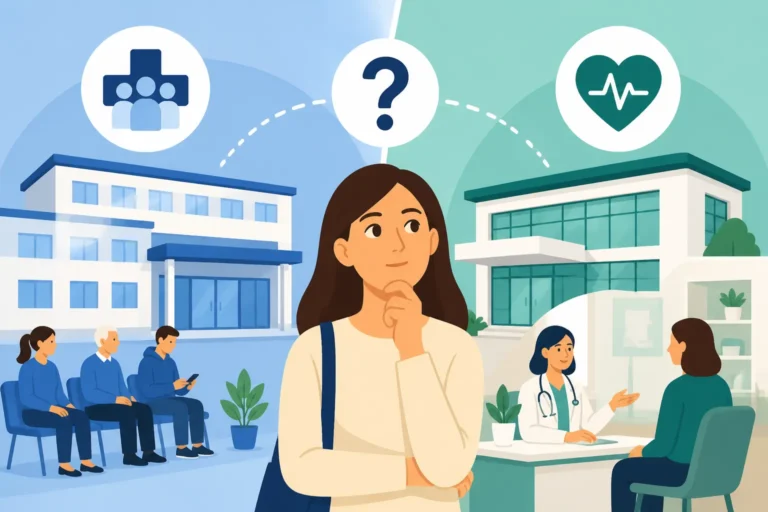
- Dom Zdravlja (Health Centres): These are community-based health centers that house general practitioners (liječnik opće prakse), paediatricians (pedijatar), gynaecologists (ginekolog), and sometimes even dentists and basic diagnostics. They are the backbone of the public system, and for non-emergency issues, your GP at a Dom Zdravlja would be your primary point of contact. Understanding the role of the Dom Zdravlja (Health Centre) in Croatia is fundamental to navigating the system. You'll find these in every town and most larger villages.
- Public Hospitals (Opća bolnica, Klinička bolnica, KBC): For more serious conditions or emergencies, you'll go to a hospital. Croatia has various levels, from general hospitals (Opća bolnica) to clinical hospitals (Klinička bolnica) and clinical hospital centers (Klinički bolnički centar or KBC). The KBCs, like those in Zagreb (Rebro, Merkur, Sestre Milosrdnice), Split, Rijeka, and Osijek, are the largest and offer the widest range of specialist services. Understanding Hospital Care at a KBC (Clinical Hospital Centre) in Croatia is helpful if you anticipate specialist needs.
- Public Polyclinics (Poliklinike): These are often attached to hospitals or are stand-alone facilities offering specialist consultations and diagnostics within the public system, though they may also have private sections. Make sure to specify you are seeking public care when booking.
Always look for signs that indicate "ugovor s HZZO-om" (contract with HZZO) or "javna ustanova" (public institution) to ensure your EHIC will be accepted.
The Registration Process
When you arrive at a public healthcare facility, whether it's a Dom Zdravlja or an emergency room, you'll need to present your EHIC along with a valid form of identification, usually your passport or national ID card. It’s a good idea to have photocopies of both your EHIC and ID, just in case. They will typically register your details in their system. Don't be surprised if the process feels a bit slow or requires some patience, especially if there's a language barrier. While many medical professionals, particularly younger ones, speak English, administrative staff might not always.
Crucially, while you technically don't need a Croatian Personal Identification Number (OIB) just to use your EHIC for urgent care, if you find yourself needing multiple visits or more complex follow-up, having an OIB can smooth things along considerably. Think of it as your unique ID in the Croatian administrative landscape. How to Get Your OIB and Why It Matters for Healthcare Access can provide more context on this important number.
Understanding Co-Payments (Participacija)
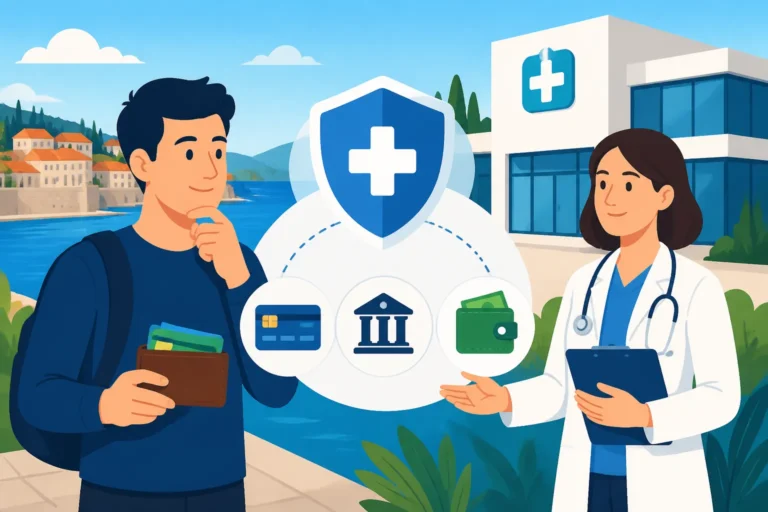
This is perhaps the most confusing aspect for many EU citizens using their EHIC in Croatia. Just like Croatian citizens with basic HZZO health insurance, you are generally subject to co-payments, known as participacija, for certain medical services. These fees are not covered by your EHIC and must be paid out-of-pocket.
The amount of participacija varies depending on the service:
- GP Visit: Usually a small fixed fee per visit.
- Specialist Visit: A higher fixed fee.
- Hospitalization: A daily fixed fee, up to a maximum amount per hospital stay.
- Prescription Medications: A small fee per prescription item, or a percentage of the cost.
It’s important to clarify the participacija amount at the time of service if possible. You’ll usually pay these fees directly at the facility’s cashier desk (blagajna) or pharmacy. Understanding Participacija (Co-Payments) in the Croatian Health System is essential reading to avoid surprises. If you plan on living in Croatia for a longer period, you might consider supplementary health insurance (dopunsko zdravstveno osiguranje) to cover these co-payments, which we'll discuss later.
| Service Category | EHIC Coverage | Typical Participacija (Co-Payment) | Notes |
|---|---|---|---|
| General Practitioner Visit | Yes, for medically necessary care | Small fixed fee | Often your first point of contact for non-emergencies. |
| Specialist Consultation | Yes, with GP referral | Fixed fee (higher than GP) | Waiting lists can be significant in the public system. |
| Emergency Care | Yes, for life-threatening or urgent conditions | Fixed fee (if not hospitalized) | Generally no co-payment for immediate life-saving interventions. |
| Hospitalization | Yes, for medically necessary treatment | Daily fixed fee (capped) | EHIC covers a significant portion, but not the daily participacija. |
| Prescription Medications | Yes, for medications on the HZZO list | Small fee or percentage | Requires an e-recept from a public doctor. |
| Dental Care (basic) | Yes, for basic procedures (extractions, fillings) | Variable, often higher fees | Limited coverage for complex procedures. |
| Physiotherapy | Yes, with specialist referral | Fixed fee | Often long waiting lists in the public system. |
Note: Participacija fees are subject to change by HZZO. Always confirm current rates with the healthcare provider.
Common Scenarios and What to Expect
Let's walk through some common situations you might encounter and what using your EHIC will look like.
Routine Doctor Visits and Prescriptions
If you feel a cold coming on, have a persistent cough, or need a routine check-up that can't wait until you're back home, you'll head to a Dom Zdravlja. Your first step will be to find a general practitioner (liječnik obiteljske medicine or obiteljski liječnik) who has a contract with HZZO. You might need to ask around or look for signs. Once you're registered, even temporarily, the doctor can examine you, provide advice, and issue an e-recept (electronic prescription) if necessary.
When it comes to medications, your EHIC works similarly to how it does for Croatian citizens. If the medicine is on the HZZO's list of covered drugs, you'll pay a small participacija fee at the pharmacy. For more expensive or specialized drugs not on the basic list, the cost could be significantly higher or not covered at all, in which case you'd pay the full price. Understanding the e-Recept (E-Prescription) System in Croatia is crucial here. Always bring your prescription to a ljekarna (pharmacy).
Emergency Care
For genuine emergencies, Croatia has a well-established emergency system. You can call 112 (the general EU emergency number) or 194 for an ambulance (Hitna Pomoć). When you arrive at a hospital emergency room (hitni prijem), present your EHIC and ID immediately. For true emergencies, initial treatment is usually provided without upfront payment, but administrative staff will eventually need your EHIC details.
The EHIC covers medically necessary emergency treatment. If the emergency leads to hospitalization, your EHIC will cover the bulk of the costs, but you will still be responsible for the daily participacija fee up to the maximum cap. It's vital to remember that not everything an expat might consider an "emergency" will be treated as such by the Croatian system. If it's not life-threatening, you might be redirected to a Dom Zdravlja or an after-hours clinic. Emergency Medical Care in Croatia: What Every Expat Needs to Know offers more detailed information.
Specialist Referrals and Waiting Lists
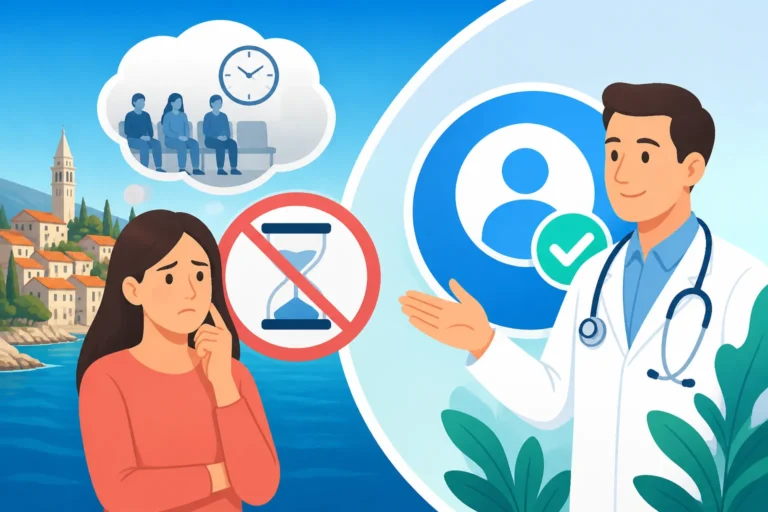
If your general practitioner determines you need to see a specialist (e.g., a dermatologist, cardiologist, or orthopedist), they will issue an e-uputnica (electronic referral). With your EHIC, you'll have access to specialist consultations within the public system. However, this is where many foreigners encounter one of the biggest frustrations: waiting lists. For non-urgent specialist appointments or procedures, waiting times in the public system can be substantial, sometimes stretching to several months or even longer for certain highly demanded specialties.
This is a common complaint, even among Croatian citizens. If you need quick access to a specialist, your EHIC won't help you bypass these queues. In such cases, many opt to visit a private polyclinic (poliklinika), where you pay the full cost out-of-pocket but often get an appointment within days or weeks. This is another area where private health insurance, like that offered by SafetyWing, could be beneficial, potentially covering the costs of private specialist care. How e-Uputnica (E-Referrals) Work for Specialist Appointments in Croatia elaborates on the referral process.
Practical Tips and Potential Hurdles
Navigating a foreign healthcare system can be challenging, even with an EHIC. Here are some practical tips to make your experience smoother.
Always Carry Your Card and ID
This might seem obvious, but it's astonishing how many people leave their EHIC tucked away. Always carry your physical EHIC and a valid form of photo identification (passport or national ID card) with you, especially if you're traveling around Croatia. Digital copies on your phone might not always be accepted, and some facilities might insist on seeing the physical card. If you don't have it, you might be treated as a private patient and charged the full cost upfront, which you'd then have to try and claim back from your home country's insurer – a bureaucratic headache no one wants. While not strictly mandatory, having a Croatian OIB can sometimes streamline the administrative process when combined with your EHIC, especially for recurring needs.
Dealing with Private Providers
As mentioned, your EHIC is generally not valid at private hospitals or polyclinics. If you choose to visit a private doctor or clinic for faster service, specific expertise, or an English-speaking practitioner, you will be expected to pay the full cost of the service upfront. While it's rare, some private clinics might have specific agreements that allow for partial reimbursement through your home country's public insurer, but this is highly exceptional and not something to rely on. Always ask the clinic directly about their billing practices and if they can provide an invoice that meets your home country's reimbursement requirements. This is another scenario where comprehensive private health insurance, like a plan from SafetyWing, can be invaluable, as it can specifically cover private treatment costs, giving you more options and peace of mind. Understanding Private Polyclinics (Poliklinike) in Croatia details these options.
What to Do If Your Card Is Lost or Expires
If your EHIC is lost, stolen, or has expired while you're in Croatia, you're not entirely without options, but it requires swift action. Contact your home country's health insurance institution immediately. They can often issue a Provisional Replacement Certificate (PRC). This document provides the same coverage as your EHIC and can usually be sent directly to you or the healthcare provider via email or fax. It's essential to have this, as without it, you'll likely be treated as a private patient. Make sure you initiate the renewal process for your physical EHIC as soon as possible. Remember, each EU country has its own procedures for obtaining and replacing an EHIC, so familiarize yourself with your home country's rules before you travel.
Beyond the EHIC: Long-Term Healthcare for EU Citizens
While the EHIC is excellent for temporary stays, if you're planning to live in Croatia for an extended period, relying solely on your EHIC is not sustainable or appropriate. The Croatian system expects residents, even EU citizens, to integrate into its national health insurance scheme, HZZO.
Registering with HZZO
If you are an EU citizen and you become a resident in Croatia (i.e., you obtain a temporary residence permit or register your long-term stay), your obligation to your home country's public health system might change or cease, depending on your circumstances (e.g., employment, retirement). In most cases, you will be expected to register with the Croatian Health Insurance Fund (HZZO). This is the public health insurance scheme that all Croatian residents are required to contribute to. Once registered, you will receive your own Croatian health insurance card and have full access to the public healthcare system on the same basis as Croatian citizens, including the option to choose a GP, access specialist care, and receive prescriptions.
This transition from relying on your EHIC to becoming a fully registered HZZO member is a significant step in truly settling into life in Croatia. The Complete Guide to Healthcare in Croatia for Expats (2027) offers a deep dive into this process. How to Register for HZZO Health Insurance as a Foreigner in Croatia is another crucial resource.
Supplementary Health Insurance (Dopunsko Osiguranje)
Once you're registered with HZZO, you'll quickly learn about dopunsko zdravstveno osiguranje, or supplementary health insurance. This isn't mandatory, but it's highly recommended, even for Croatian citizens. Why? Because it covers those pesky participacija fees we discussed earlier. Without dopunsko, you'll be paying out-of-pocket for every GP visit, specialist appointment, hospital stay, and prescription.
The cost of dopunsko is relatively low, and it saves you a lot in the long run, especially if you have chronic conditions or frequently visit the doctor. HZZO itself offers a dopunsko plan, and several private insurers like Croatia Osiguranje also offer similar policies. Understanding Dopunsko Zdravstveno Osiguranje (Supplementary Insurance) in Croatia is key to saving money and improving your healthcare experience. Is Dopunsko Osiguranje Worth It for Expats in Croatia? Absolutely, for most long-term residents.
Private Health Insurance Options
Even with HZZO and dopunsko in place, some expats choose to maintain or acquire additional private health insurance. This often comes down to a preference for faster access to specialists, avoiding public system waiting lists, or having broader coverage for services not typically covered by HZZO (e.g., extensive dental work, certain types of elective procedures, or access to exclusive private facilities).
Private insurance can give you the flexibility to choose your doctors and clinics, often with more comfortable facilities and guaranteed English-speaking staff. While your EHIC provides an initial safety net, and HZZO covers the basics for residents, a robust private plan from providers like SafetyWing can offer a premium layer of care, complementing rather than replacing the public system. It's about weighing your priorities: convenience, speed of access, and broader coverage versus cost. Understanding Private Health Insurance Plans in Croatia can help you explore these choices.
Disclaimer
The information provided in this guide is intended for general informational purposes only and does not constitute legal or medical advice. Healthcare regulations and policies in Croatia, including those pertaining to the EHIC (EKZO), HZZO, and private insurance, are subject to change. Always consult official sources, such as the Croatian Health Insurance Fund (HZZO) or your home country's health insurance provider, for the most accurate and up-to-date information relevant to your specific situation.