How Do I Get Emergency Dental Care in Croatia?
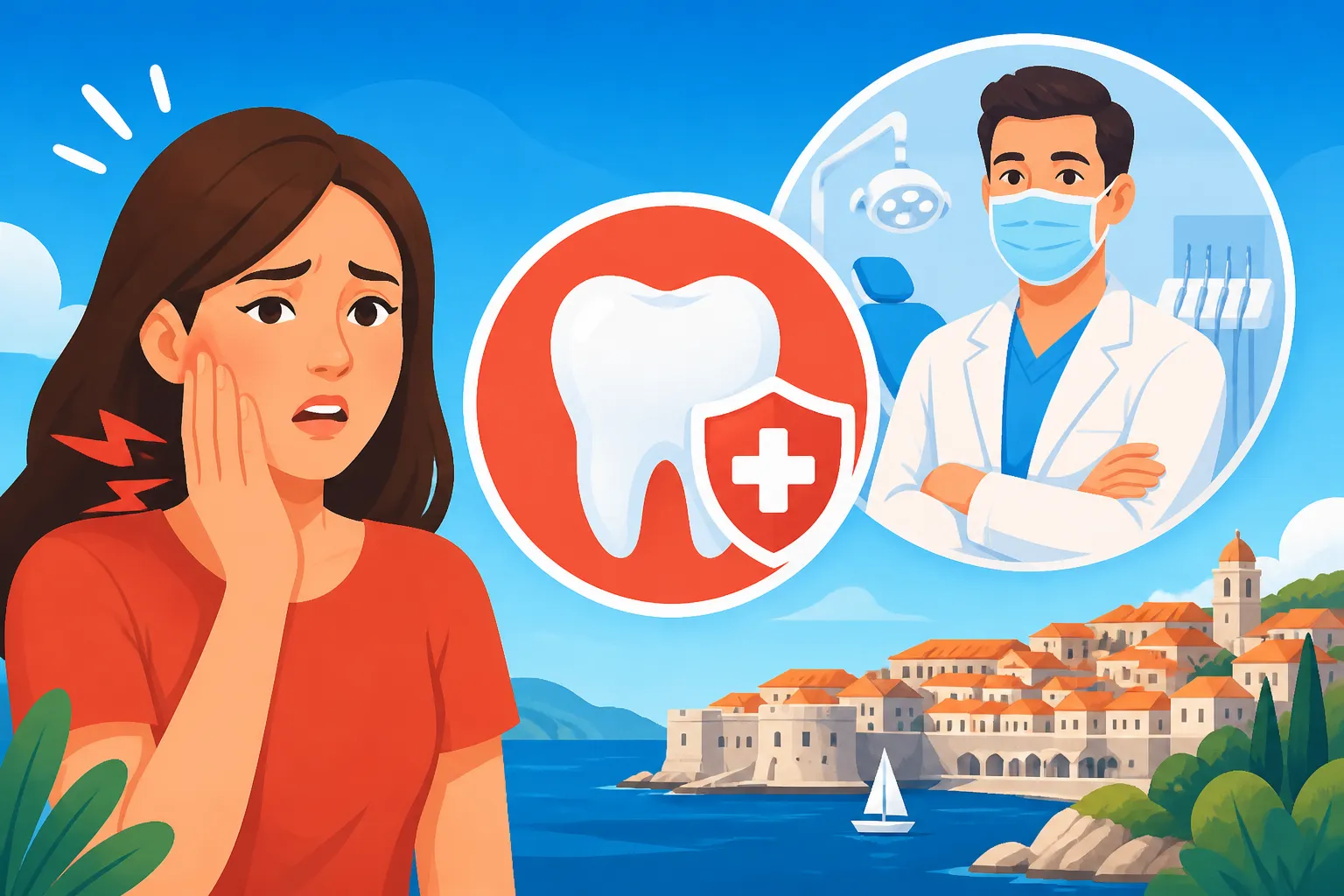
Imagine waking up at 3:00 AM in a quiet apartment in Zadar or a bustling street in Zagreb with a throbbing, relentless pain in your jaw. Navigating a foreign medical system is stressful enough when you have a cold, but a dental emergency feels like a high-stakes race against the clock where you don't know the rules or the language. This guide provides the exact roadmap you need to find immediate dental relief, understand the costs, and navigate both the public and private systems in Croatia without losing your mind.
Understanding the Public vs. Private Dental Landscape
When you first move here, the distinction between the public health system (HZZO) and the private sector can feel incredibly blurry. In many countries, you are either in the public system or you are out. In Croatia, many dentists operate in a "concession" style, where they treat public patients during certain hours and private patients during others. This is a core part of The Complete Guide to Healthcare in Croatia for Expats (2027).
If you are a resident and have successfully navigated Registering with HZZO in Croatia: The Complete Expat Guide (2027), you technically have access to "free" emergency dental care. However, "free" in the public system often comes with long wait times, basic materials (like silver amalgam fillings instead of white composite), and a potentially significant language barrier.
On the other hand, the private sector in Croatia is world-class. Dental tourism is a massive industry here, particularly in Istria and Zagreb, because the quality of care is exceptionally high while the prices remain lower than in Western Europe or North America. Many expats find that for a one-off emergency, going private is the path of least resistance. If you are a digital nomad or a traveler, using a plan like SafetyWing can often bridge the gap, providing coverage for unexpected dental accidents while you are navigating the local landscape. SafetyWing is particularly popular among the nomad community here because it understands the transient nature of expat life in the Balkans.
The Role of the Dom Zdravlja
The Dom Zdravlja is the neighborhood health center. Almost every district in a major city has one. This is where the public "duty" dentists are located. If your tooth starts screaming at you during normal business hours on a weekday, your first instinct might be to run to the nearest one.
However, unless you are already registered with a specific dentist at that Dom Zdravlja, they may only treat you for the most basic pain relief before telling you to see your "chosen" doctor. This is why it is so critical to understand Public vs Private Healthcare in Croatia: Which Should Expats Choose? before the emergency actually happens. For a true midnight emergency, you won't go to just any health center; you will go to the designated 24/7 clinic.
Private Polyclinics and Modern Care
If you prefer a clinic that looks like a spaceship and has staff who speak five languages, you are looking for a Poliklinika. These are private clinics that offer everything from routine cleanings to emergency root canals. When you use Understanding Private Polyclinics (Poliklinike) in Croatia, you realize that these facilities often have the latest diagnostic equipment, such as 3D CBCT scans, which public clinics might lack.
For those covered by SafetyWing, these private clinics are usually the best bet. You pay the bill upfront—which is still quite reasonable by international standards—and then submit your invoice for reimbursement. The ease of communication in these private centers cannot be overstated; when you are in agony, the last thing you want to do is use Google Translate to explain the difference between a sharp pain and a dull ache.
Where to Go for 24/7 Emergency Dental Care
Croatia has a specific system for after-hours dental emergencies called Dežurna Stomatološka Služba. This is not available in every small village, but the major hubs have dedicated locations that are open nights, weekends, and holidays.
Emergency Dental Care in Zagreb
Zagreb has the most robust emergency dental setup. There are usually two or three locations that rotate or share duty. The most common "go-to" spot for expats is the Dom Zdravlja Centar at Runjaninova 4. It is centrally located and accustomed to seeing a high volume of patients. Another major site is in Siget (Av. Većeslava Holjevca 22).
When you show up at these clinics at 2:00 AM, expect a waiting room. You don't need an appointment. You walk in, take a number or sign in at the window, and wait. You will need to show your health card or your passport. If you don't have HZZO, you will be asked to pay a small fee (usually around 15 to 30 EUR) just for the emergency intervention.
Emergency Dental Care in Split and the Coast
In Split, the emergency dental service is typically located within the Dom Zdravlja at Doverska 2 (Mertojak). Like in Zagreb, this service is meant for acute pain, swelling, or trauma. If you are in a smaller coastal town like Makarska or even on an island like Hvar, emergency dental care after hours is much harder to find. You may be directed to the general emergency room, known as Emergency Medical Care in Croatia: What Every Expat Needs to Know, where they can provide painkiller injections or antibiotics, but they won't perform dental surgery. In those cases, you often have to wait for the morning ferry or drive to Split.
Finding English-Speaking Dentists
Communication is the biggest hurdle in a crisis. While younger dentists in Croatia almost universally speak excellent English, the administrative staff at a public Dom Zdravlja might not. If you are struggling, it is helpful to look at How to Find an English-Speaking Doctor in Croatia. Most private polyclinics advertise their English (and often Italian or German) proficiency prominently on their websites.
If you are using SafetyWing, you can often reach out to their support or use their provider search to find clinics where English is the standard. Having a clear line of communication ensures that you understand the procedure being performed—whether it's a temporary filling or an emergency extraction.
Costs and Insurance Coverage
The financial aspect of Croatian dentistry is a pleasant surprise for many, but it still requires some navigation. If you have the basic HZZO insurance, you are still subject to certain small fees unless you have supplementary coverage.
Paying with HZZO and Dopunsko
Basic HZZO coverage is quite limited for dental work. It covers basic extractions and simple fillings. However, for almost everything else, there is a co-payment system. This is where Understanding Participacija (Co-Payments) in the Croatian Health System becomes relevant. To avoid these out-of-pocket costs, most locals and long-term expats pay for Understanding Dopunsko Zdravstveno Osiguranje (Supplementary Insurance) in Croatia. With Dopunsko, the "participation" fee for the emergency visit is usually waived.
Private Costs for Common Procedures
If you choose to bypass the public wait times and head to a private clinic, the costs are still quite manageable. Below is a table detailing the approximate costs for emergency dental services in the private sector as of 2026.
| Procedure | Approximate Private Cost (EUR) | HZZO Coverage (Basic) |
|---|---|---|
| Emergency Consultation | 20 – 40 EUR | Covered (with small co-pay) |
| Digital X-Ray (Single) | 10 – 20 EUR | Covered (if available at site) |
| Simple Extraction | 40 – 80 EUR | Covered |
| Complex/Surgical Extraction | 100 – 200 EUR | Partially Covered |
| Emergency Root Canal (First Stage) | 50 – 90 EUR | Partially Covered |
| White Composite Filling | 40 – 70 EUR | Usually Out-of-Pocket |
These prices can vary depending on the city, with Zagreb and Dubrovnik being on the higher end and smaller inland cities being more affordable. For more detailed pricing, see The Cost of Healthcare in Croatia: A Complete Breakdown for Foreigners (2026).
Using Private Travel or Expat Insurance
For many in the international community, especially those on a digital nomad permit, Understanding Private Health Insurance Plans in Croatia is the standard. If you carry SafetyWing, your emergency dental treatment resulting from an accident is typically covered up to a specific limit (often around $1,000 USD, but always check your specific policy).
The process is generally:
- Go to the clinic and receive treatment.
- Pay the bill in full.
- Request a "Medicinski Nalaz" (medical report) and a "Račun" (itemized invoice/receipt) in English or with a translation.
- Submit these documents via the SafetyWing portal for reimbursement.
Practical Steps to Take During a Dental Emergency
When the pain starts, follow these steps to ensure you get care as quickly as possible:
- Assess the Severity: If you have significant swelling that is affecting your eye or your throat, or if you have a fever, this is more than a dental issue; it is a systemic infection. Go directly to the nearest hospital emergency room (Hitna Pomoć).
- Call Your Registered Dentist: If it is during business hours, call the dentist you are registered with. If you aren't registered yet, call a private polyclinic. They can often squeeze in emergency cases.
- Find the Dežurna Služba: If it is 11:00 PM on a Saturday, search for "Dežurna stomatološka služba [Your City]." In Zagreb, head to Runjaninova 4 or Siget.
- Bring Your Documents: Take your passport, your OIB (personal identification number), and your health insurance card (HZZO, EHIC, or your SafetyWing digital card).
- Prepare Cash/Card: While private clinics take cards, some public clinics for emergency fees might prefer cash (Euros), especially for very small co-payments.
- Ask for a Report: Always ask for the nalaz. You will need this for follow-up care with your regular dentist so they know exactly what was done during the emergency intervention.
Common Pitfalls and Veteran Advice
Having lived through a few "dental adventures" in Croatia myself, I can tell you that the system works, but it requires patience. One of the biggest mistakes expats make is waiting until Monday morning for a problem that started on Friday night. Infections move fast, and the Dežurna service is there for a reason. Don't be "polite" and suffer in silence; the pharmacists at the local Ljekarna can give you over-the-counter pain relief like Ibuprofen or Neofen, but they cannot give you the antibiotics you might need.
Another tip: if you are in a private clinic, ask for a "predračun" (estimate) before they start work if it isn't a life-threatening situation. This prevents any "tourist price" surprises, although most reputable Croatian clinics are very transparent with their pricing.
Finally, remember that the emergency dentist's job is to stop the pain and stabilize the situation. They are often not there to provide a permanent, beautiful crown. You will almost certainly need a follow-up appointment a few days later to finish the work properly.
Disclaimer
This guide is for informational purposes only and does not constitute professional medical or legal advice. Medical systems and regulations in Croatia can change, and you should always verify current emergency locations and insurance coverage with the official HZZO website or your specific insurance provider. In the event of a life-threatening emergency, always dial 112 or 194 immediately.