Can I Get My Prescriptions Delivered in Croatia?
Moving to Croatia often feels like stepping into a Mediterranean dream, until you are stuck in bed with a fever and realize your local pharmacy does not just mail your medications to your doorstep. If you are coming from a country where home delivery is the standard, the Croatian system can feel frustratingly old-school. This guide explains the nuances of prescription delivery, the digital e-Recept system, and how you can manage your healthcare needs without constant trips to the ljekarna.
The Reality of Prescription Medication in Croatia: A Personal Perspective
When I first moved here, I assumed that since Croatia is part of the European Union, the digital infrastructure would allow for a seamless Amazon-style experience for everything, including medicine. I quickly learned that while Croatia has a highly sophisticated digital backbone for health records, the final step—getting that pill from the shelf to your nightstand—is still deeply rooted in physical presence. The concept of "delivery" in the pharmaceutical world here is not as straightforward as it is for a pizza or a new pair of shoes.
The Croatian healthcare system relies heavily on the "ljekarna" (pharmacy). These are not just shops; they are highly regulated medical institutions. You will see the glowing green cross on almost every street corner in cities like Zagreb or Split, but their digital presence is often limited to informational websites rather than e-commerce platforms for prescription drugs. This is partly due to strict laws surrounding the distribution of controlled substances and the requirement for a pharmacist to provide face-to-face consultation.
How the Local Ljekarna Works
In Croatia, the pharmacy is your primary point of contact for all health-related products. However, there is a clear divide between "bezreceptni lijekovi" (over-the-counter or OTC drugs) and "lijekovi na recept" (prescription medications). For OTC items like paracetamol or mild cough syrups, some pharmacies have started exploring delivery through third-party apps, but for anything requiring a doctor's signature, the rules are much tighter.
One thing that surprised me as an expat was the level of expertise the pharmacists have. They are not just cashiers; they are medical professionals who will often question your symptoms before handing over even basic medicine. This gatekeeping is one reason why Understanding the Croatian Pharmacy (Ljekarna) System and Opening Hours is so vital for your first few months in the country. You cannot simply order a heavy-duty antibiotic online and expect it to arrive by drone.
The e-Recept System vs. Paper Prescriptions
Croatia actually has an incredible digital prescription system called e-Recept. When your doctor prescribes something, they do not hand you a slip of paper. Instead, they upload the prescription directly to the national health system linked to your OIB (Personal Identification Number). This means you can walk into any pharmacy in the country, hand over your health insurance card, and they will see exactly what you need.
This system is fantastic for efficiency, but it still requires your physical presence. Because the pharmacist needs to verify your identity and your HZZO (Croatian Health Insurance Fund) status, the "delivery" aspect remains a hurdle. If you are a digital nomad or a frequent traveler using SafetyWing for your initial coverage, you might find that you have to navigate the private system first before fully integrating into the e-Recept network. Knowing How Do I Get an e-Recept Filled at a Pharmacy in Croatia? will save you a lot of time when you are actually feeling unwell and just want to get home.
Can You Actually Get Prescriptions Delivered at Home?
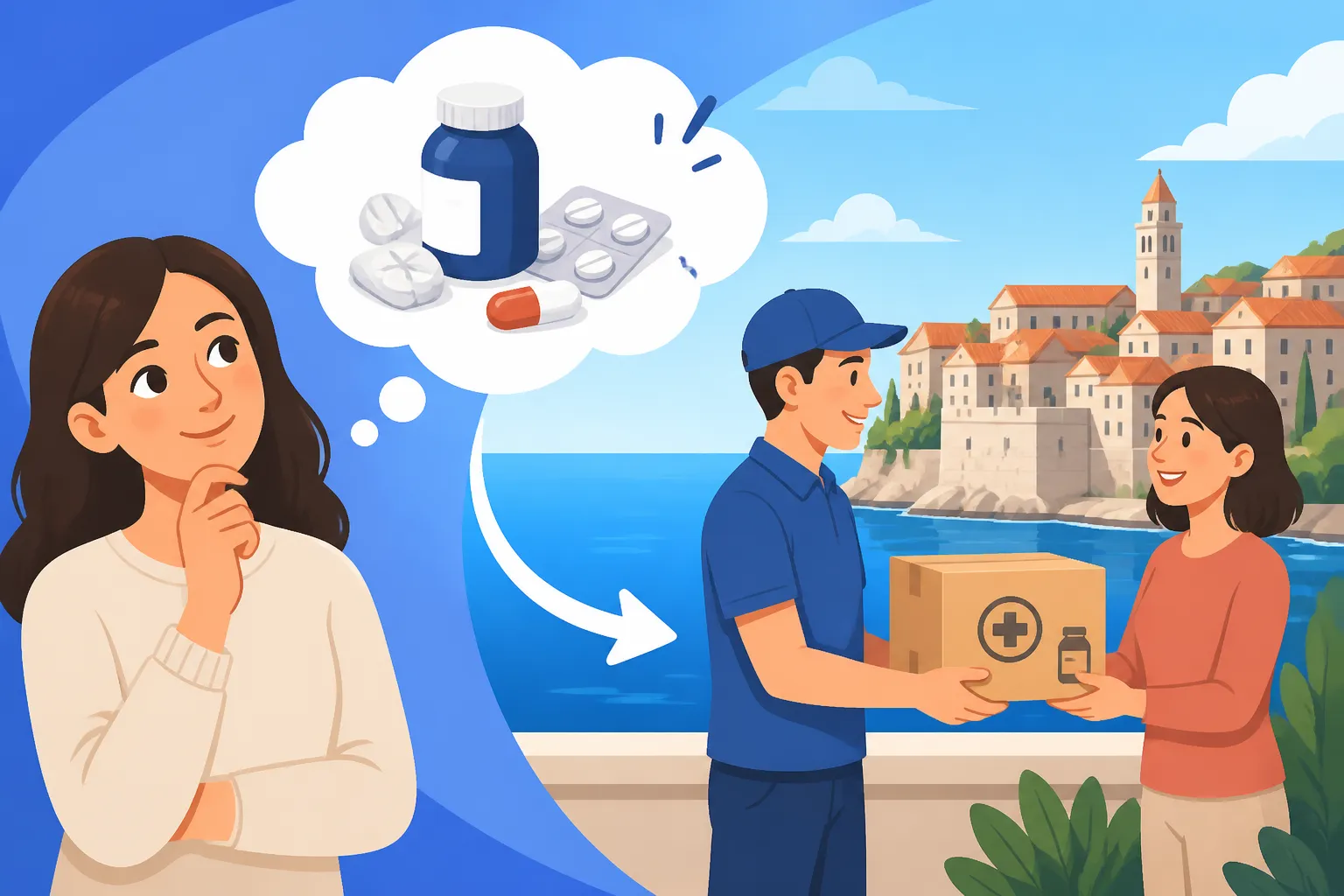
The short answer is: for official prescription medications, no, there is no nationwide "standard" delivery service like PillPack or Nimble. However, the long answer is more nuanced and involves some "workarounds" that locals use when they are genuinely unable to leave their homes. The Croatian Ministry of Health maintains strict control over who can transport medications, and currently, this does not include standard courier services for prescription-only drugs.
The legal framework is designed to prevent the misuse of medications and to ensure that the cold chain (for things like insulin) is never broken. While you might see online pharmacies in Croatia, they are strictly limited to selling supplements, dermocosmetics, and certain OTC medical devices. They are legally barred from sending prescription meds through the mail.
Current Laws and Limitations on Delivery
Croatian law dictates that a prescription medication must be dispensed by a pharmacist directly to the patient or a person authorized by the patient. This "authorized person" is the loophole. If you are sick, a friend, neighbor, or family member can take your health insurance card (the purple HZZO card) to the pharmacy and pick up the medication for you. The pharmacist will scan the card, see the e-Recept, and hand over the meds.
For those without a local support network, this is a significant pain point. If you are living here on a temporary basis and using a plan like SafetyWing to cover your medical emergencies, you might not yet have a "person of trust" to help you out. In these cases, you are often forced to take a taxi to the nearest pharmacy, which is not ideal when you are incapacitated.
Third-Party Delivery Services
You may have noticed apps like Glovo, Wolt, or Bolt Food in Croatia. These apps do have a "Pharmacy" or "Health" section. However, if you look closely, you will see that they only offer items like bandages, vitamins, pregnancy tests, and basic OTC pain relief. They cannot, under any circumstances, pick up a prescription for you because they cannot access the e-Recept system or verify your medical identity.
I have seen some expats attempt to use the "Anything" delivery feature on these apps to ask a courier to go to a pharmacy with their card, but this is highly discouraged and usually rejected by the pharmacist. Pharmacists are trained to verify who they are giving the medicine to, and a random courier with someone else's ID card is a major red flag in the Croatian system.
| Service Type | Prescription Meds | OTC Meds (Aspirin, etc.) | Supplements/Beauty |
|---|---|---|---|
| Standard Post | No | No | Yes |
| Glovo / Wolt | No | Limited | Yes |
| Specialized Med Courier | No (Except Hospital) | No | No |
| Friend/Proxy Pickup | Yes | Yes | Yes |
Navigating the System: How to Get Your Medicine Without Leaving the House
If you are truly stuck, the first thing you should do is contact The Expat Guide to Finding a Family Doctor (Obiteljski Liječnik) in Croatia to see if they can offer any advice. Sometimes, in smaller communities, the local doctor or a community nurse can arrange for medicine to be dropped off for elderly or disabled patients, though this is a courtesy rather than a standard service.
For most expats, the strategy involves a mix of preparation and utilizing private healthcare options. If you are using private clinics, they often have a more streamlined way of communicating with pharmacies, but the physical pickup remains the same.
Telemedicine and Remote Consultation
Telemedicine has grown in Croatia, especially in the private sector. You can have a video call with a doctor who can then issue an e-Recept. Once that prescription is in the system, it "floats" there until a pharmacy accesses it. This saves you the trip to the doctor's office, but not the trip to the pharmacy.
If you are struggling with chronic conditions, it is worth looking into How to Access Specialist Care Through the Croatian Public System to ensure your prescriptions are always renewed on time. Some doctors will allow you to send an email or a WhatsApp message to renew a recurring prescription, which is then instantly available at any ljekarna. This "digital renewal" is the closest thing Croatia has to a "hands-off" medication experience.
The Role of the Family Doctor
Your "Liječnik Opće Prakse" (GP) is the gatekeeper. Building a good relationship with them is essential. When I had a severe bout of the flu and couldn't leave my apartment in Zagreb, I called my GP. While she couldn't "deliver" the meds, she was able to confirm that my prescription was active and told me that as long as I could get a friend to show a photo of my ID and my OIB, the pharmacist at the neighborhood Dom Zdravlja would likely release it.
This brings up an important point: Understanding the Role of the Dom Zdravlja (Health Centre) in Croatia. These centers often house both the doctor and the pharmacy, making it easier for a proxy to help you out. If you are covered by SafetyWing or another private insurer, make sure you understand how they reimburse these costs, as you might need to pay upfront at the pharmacy and claim the money back later.
Practical Tips for Expats Managing Chronic Conditions
If you rely on regular medication, you cannot afford to wait until you run out to figure out the delivery situation. In Croatia, the system rewards the proactive. I always recommend having at least a two-week buffer of any essential medication.
Because delivery isn't an option, you should also identify What Pharmacies Are Open 24 Hours in Zagreb or whichever city you reside in. If you have a crisis at 2 AM, knowing which ljekarna is "dežurna" (on duty) is life-saving information, as these are the only places that will be open to fill a prescription outside of standard business hours.
Stockpiling and EU Cross-Border Prescriptions
If you are an EU citizen, you can use a prescription from your home country in Croatia, but it usually needs to be a physical paper "Cross-Border Prescription" rather than a digital one from another country's system. For non-EU expats, you will almost certainly need a local doctor to "translate" your foreign prescription into the Croatian e-Recept system.
I have found that for some specialized medications, the local ljekarna might not have them in stock. They can usually order it for the next day, but again, you have to go back to pick it up. This is another reason why Prescription Medications and Pharmacies in Croatia: The Complete Guide is an essential read for anyone moving here with a pre-existing condition.
What to Do in an Emergency
In a true medical emergency where you cannot get to a pharmacy and have no one to help, your best bet is to call the emergency services or use a private home-visit doctor service. Some private polyclinics in Zagreb and Split offer home visits for a fee (usually starting around 70-100 EUR). These doctors can sometimes bring basic starter doses of medications with them, though they will still issue an e-Recept for the full course.
If you are worried about the costs of these private interventions, it is worth checking Public vs Private Healthcare in Croatia: Which Should Expats Choose? to see how you can balance your budget. Many digital nomads rely on SafetyWing because it offers the flexibility needed for these types of private medical encounters when the public system feels too cumbersome.
Strategies for a Stress-Free Experience
To make your life easier in Croatia, I suggest following these three "local" rules:
- The "OIB" Rule: Always have your OIB written down or saved in your phone. You cannot get anything done in a Croatian pharmacy without it if you don't have your physical health card.
- The "Proxy" Rule: Make friends with your neighbors. In Croatia, the community spirit is strong. If you are sick, a neighbor will almost always be willing to run to the ljekarna for you if you give them your card.
- The "Plus" Rule: Always get Understanding Dopunsko Zdravstveno Osiguranje (Supplementary Insurance) in Croatia. This additional insurance covers the "participacija" (co-payment) for prescriptions. Without it, you’ll be paying a small fee for every box of medicine, which can add up if you’re trying to manage a delivery through a third party.
Living in Croatia requires a shift in mindset. You trade the convenience of one-click delivery for a system that is personal, highly regulated, and very safe. While you might miss your prescription delivery app, you will likely appreciate the fact that you can walk into any village ljekarna and find a pharmacist who knows your name and your medical history through a quick scan of your card.
For those still navigating their initial move, I highly recommend checking out How to Find an English-Speaking Doctor in Croatia to ensure that your first medical interaction in the country is as smooth as possible. Communication is half the battle when you are trying to figure out a new pharmaceutical landscape.
Disclaimer
This article is for informational purposes only and does not constitute professional medical or legal advice. Healthcare regulations in Croatia can change, and you should always consult with a licensed medical professional or the Croatian Health Insurance Fund (HZZO) for the most current information regarding your specific health needs and the legality of medication distribution. For travelers and expats, ensure your insurance policy, such as those provided by private carriers, covers the specific medical services you require.