How Do I Get an e-Recept Filled at a Pharmacy in Croatia?
Ah, the Croatian e-recept! When you first arrive in Croatia, navigating the healthcare system can feel like trying to solve a Rubik's Cube blindfolded, and prescription medications are no exception. Gone are the days of paper scripts you physically hand over; now it's all digital, which can be wonderfully efficient or incredibly baffling if you don't know the ropes. This guide will walk you through exactly how to get your e-recept filled at a Croatian pharmacy, demystifying the process so you can get your meds without the headache.
What Exactly is an e-Recept in Croatia?
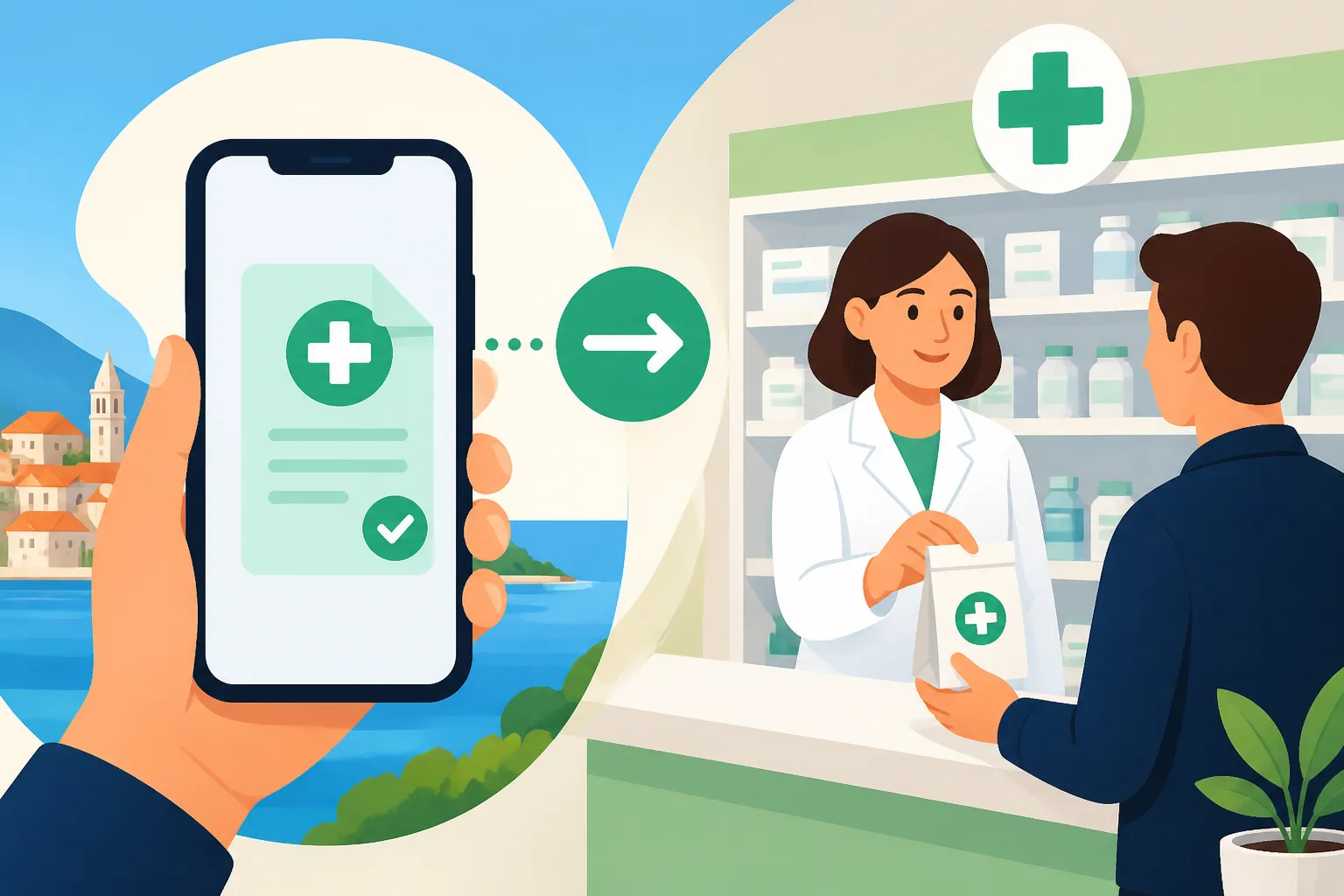
When I first heard "e-recept," I pictured some kind of digital token or QR code I'd need on my phone. Turns out, it's far simpler – and simultaneously, in true Croatian fashion, a bit more opaque – than that. It’s essentially an electronic record of your prescription, sent directly from your doctor's office to a central national database.
The Digital Shift: Moving Beyond Paper
For years, like in many countries, doctors in Croatia would scrawl out prescriptions on little paper slips. You'd take this slip to the ljekarna (pharmacy), they'd fill it, keep the slip, and off you went. The e-recept system, or e-recepta, was introduced to modernize this process, making it more streamlined and efficient, reducing errors, and allowing for better tracking of medication usage across the country. On paper (pun intended!), it sounds fantastic. In practice, for us expats, it can feel like a secret handshake you haven't been taught yet. You see your doctor, they say "e-recept," and then you walk out wondering, "Okay, now what? Where is it? Do I have to download an app?" No, my friend, you do not. The beauty (and sometimes the frustration) of it is that the "prescription" exists purely in the system.
How Your Doctor Issues an e-Recept
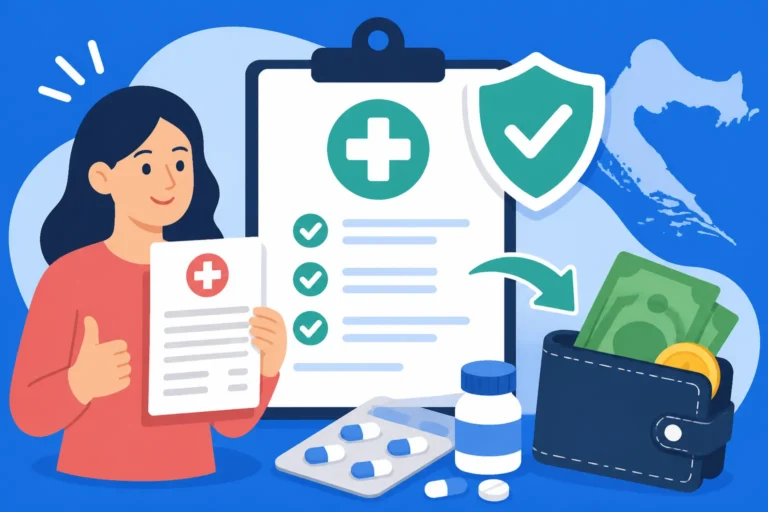
When your chosen family doctor, or obiteljski liječnik, assesses you and determines you need medication, they will digitally issue the e-recept. They input all the necessary details into their computer system: your OIB (personal identification number), the medication name, dosage, frequency, and duration. This information is then electronically transmitted to the central HZZO (Croatian Health Insurance Fund) database. What do you, the patient, receive? Often, absolutely nothing tangible. Your doctor might print out a summary for you as a courtesy, especially if it's a new medication or a complex regimen, but this printout is purely for your information. It’s not something you need to present at the pharmacy. The key takeaway here is: trust that your doctor has done their part. If you're new to the system, don't be shy about asking them for a quick explanation or confirmation that the e-recept has been sent. Understanding the e-Recept (E-Prescription) System in Croatia is crucial for smooth pharmacy visits.
Navigating the Pharmacy with Your e-Recept
So, you’ve left the doctor's office, confident (or at least hopeful) that your e-recept is floating around in the Croatian digital ether. Now comes the moment of truth: the pharmacy visit. It's often much simpler than you expect, once you know what to do.
What to Bring to the Pharmacy
This is where many expats get tripped up. Because you don't receive a physical prescription, you might think you need nothing. However, you absolutely need to bring your HZZO health insurance card (the little white or blue plastic card with your name and OIB on it). This card is your golden ticket. The pharmacist uses it to access your digital prescriptions. If you're an EU citizen using your EHIC (European Health Insurance Card) for temporary needs, you'd present that, but for residents, it's your local HZZO card. It's really that simple. Sometimes, they might ask for your personal ID (like a driver's license or residence permit) just to confirm your identity, especially if they don't know you, but the HZZO card is the primary requirement. This is a good reminder of How to Get Your OIB and Why It Matters for Healthcare Access.
For those still awaiting their HZZO card, perhaps you're on a temporary visa or just arrived and are sorting out your residency, remember that certain travel insurance providers, like SafetyWing, can offer a safety net for unexpected medical needs and sometimes even cover prescriptions if medically necessary. Always check your policy details!
The Process: Step-by-Step
Alright, armed with your HZZO card, here's how it usually goes down:
- Enter the Pharmacy: Walk in like you own the place (or at least like you know what you’re doing!).
- Approach the Counter: There might be a queue, so wait your turn.
- Present Your HZZO Card: Politely hand over your health insurance card to the pharmacist. A simple "Dobar dan" (Good day) and handing over the card is usually enough.
- Pharmacist Looks Up Prescription: They will insert your card into their system or manually enter your OIB. This allows them to access the HZZO database and see all active e-recepts under your name.
- Confirmation: They might confirm the medication name or ask, "Za što trebate?" (What do you need it for?), especially if you have multiple active prescriptions. Just nod or say the name of the medicine if you know it.
- Dispensing: The pharmacist will then retrieve your medication.
- Payment/Co-payment: This is where things can vary based on your insurance. If the medication is fully covered, you pay nothing. If it requires a participacija (co-payment), they'll tell you the amount. If you have supplementary insurance (dopunsko zdravstveno osiguranje), this co-payment might be covered. We'll dive into this more in the next section.
- Receive Medication and Receipt: Take your meds and don't forget your receipt. You're all set!
It's genuinely a smooth process once you're used to it. The pharmacists are usually very efficient and helpful, even with language barriers.
Common Challenges and Troubleshooting
Even with the best intentions, sometimes things don't go perfectly. Here are a few hiccups you might encounter:
- "Nema recepta!" (There's no prescription!): This is the expat's dreaded phrase. If the pharmacist says they can't find your e-recept, it usually means one of two things:
- The doctor hasn't sent it yet: Sometimes there's a slight delay, or the doctor simply forgot to click "send." Your best bet is to call your doctor's office or go back and politely inquire.
- A technical glitch: Less common, but possible. Again, the doctor's office is the first point of contact to verify it was indeed sent.
- Language Barrier: Not all pharmacists speak fluent English, especially in smaller towns. Try to learn the name of your medication in Croatian, or have it written down. Google Translate can be your best friend here. A common strategy is to simply point to your HZZO card and then nod expectantly. They usually get the hint. Finding an English-Speaking Doctor in Croatia can also make the initial step of getting the e-recept much easier.
- Out-of-Stock Medication: Just like anywhere, pharmacies can run out of certain medications. If this happens, they might tell you when it's expected to arrive, or suggest another nearby ljekarna that might have it. Sometimes they can also offer an equivalent generic brand.
- "Ne ide na dopunsko" (It's not covered by supplementary insurance): This happens if the medication isn't on the list of drugs covered by your specific supplementary policy, or if you simply don't have supplementary insurance. Be prepared to pay the participacija. We'll cover this next.
Understanding Medications and Payments
The cost of your medication in Croatia can vary significantly depending on what type of health insurance you have and the specific drug. It’s not always straightforward, but knowing the basics helps tremendously.
Types of Medications on e-Recept
The Croatian health system categorizes medications, impacting how much you pay. This is where How the Croatian Health Insurance Fund (HZZO) Works: A Full Overview becomes vital. Generally, medications fall into a few baskets:
- Potpuno Pokriveni (Fully Covered): These are essential medications where HZZO covers 100% of the cost. You pay absolutely nothing at the pharmacy. This is the dream!
- Djelomično Pokriveni (Partially Covered – with Participacija): Many medications fall into this category. HZZO covers a portion, but you are responsible for a participacija, or co-payment. This can be a fixed amount or a percentage of the drug's price, up to a certain maximum. This is where supplementary insurance comes into play. If you don't have dopunsko osiguranje, you will pay this out of pocket. Understanding Participacija (Co-Payments) in the Croatian Health System is key.
- Nije Pokriveno (Not Covered): Some medications, often for non-essential conditions or over-the-counter drugs, are not covered by HZZO at all. Even if your doctor writes an e-recept for it (which they sometimes do for clarity, or for specific dosages), you'll pay the full price. Vitamins, certain supplements, and some specialized drugs often fall into this.
For those without HZZO yet, perhaps you're awaiting your residency permit or are here on a short-term basis, understanding your options is critical. Providers like SafetyWing can offer comprehensive travel medical insurance that might cover some emergency prescriptions, but it's essential to check the specifics of your policy.
Paying for Your Prescriptions
When it comes to payment, the pharmacist will clearly state the amount if there's a charge.
- With HZZO + Dopunsko: If you have both basic HZZO and supplementary insurance, ideally, you shouldn't pay anything for most prescribed medications that fall under the partially covered category, as your dopunsko should pick up the participacija. Always ensure your dopunsko policy is active and linked to your HZZO. More details on this can be found in Understanding Dopunsko Zdravstveno Osiguranje (Supplementary Insurance) in Croatia.
- With HZZO Only: If you only have basic HZZO, you will pay the participacija out of your pocket for partially covered medications.
- No HZZO (or for non-covered meds): You will pay the full price. This is common for tourists or those still in the process of Registering with HZZO in Croatia: The Complete Expat Guide (2027). While generally Are Prescription Medications Expensive in Croatia? they are often more affordable than in some Western countries, it can still add up. If you are relying on travel insurance, such as SafetyWing, make sure you understand what your plan covers regarding prescription refills and emergency medication.
Here's a quick comparison table to help visualize the payment scenarios:
| Scenario | Basic HZZO Coverage | Supplementary (Dopunsko) Insurance | Out-of-Pocket Cost (e-recept medication) |
|---|---|---|---|
| Fully Covered Medication | Yes | N/A | €0 |
| Partially Covered (A) | Yes | Yes | €0 (Dopunsko covers participacija) |
| Partially Covered (B) | Yes | No | Participacija amount |
| Not Covered by HZZO | No | No | Full Price |
| No HZZO (Tourist/Pending) | No | N/A (unless private policy applies) | Full Price |
Important Tips and Expat Wisdom
Living in Croatia, you learn a few tricks to make life smoother, especially when it comes to things like healthcare and pharmacies.
Always Have Your OIB and Health Card Ready
This isn't just for pharmacies; it's for almost any interaction with the Croatian bureaucracy. Your OIB is your everything here, and your HZZO card is the physical manifestation of your access to public healthcare. Keep them both handy. Whether it's at your doctor's office, a hospital, or the ljekarna, these two pieces of identification are paramount. You can find more comprehensive information about Health Insurance in Croatia: Mandatory, Supplementary and Private Options Explained in another one of our guides.
Don't Be Afraid to Ask
Croatians, by and large, appreciate when foreigners try to navigate their system. If you're unsure, ask your doctor before you leave their office if the e-recept was successfully sent. At the pharmacy, if you don't understand something, politely ask for clarification. A simple "Molim Vas, možete li ponoviti?" (Please, can you repeat?) or "Govorite li engleski?" (Do you speak English?) can go a long way. Most pharmacists are used to helping foreigners.
Understanding Croatian Pharmacy Opening Hours
Unlike some countries where pharmacies might operate 24/7, Croatian ljekarne typically have more standard business hours, though there are always a few on call for emergencies. Generally, they open around 8 AM and close around 8 PM on weekdays, with shorter hours on Saturdays and often closed on Sundays and public holidays. However, every major city will have at least one designated "dežurna ljekarna" (on-call pharmacy) that is open 24/7 or late into the night. These rotate, so it's always good to know where your nearest one is, just in case of an Emergency Medical Care in Croatia: What Every Expat Needs to Know. You can usually find this information posted on the door of any regular pharmacy or by a quick online search for "dežurna ljekarna [city name]". Knowing the Croatian Pharmacy (Ljekarna) System and Opening Hours can save you a lot of hassle.
Considering Private Insurance for Peace of Mind
While the public HZZO system covers a good deal, many expats opt for private health insurance to supplement their coverage, especially for faster access to specialists or for certain treatments not fully covered by HZZO. Providers like SafetyWing offer flexible plans that can be particularly useful for digital nomads, remote workers, or those who travel frequently and want coverage that extends beyond Croatia's borders. Even if you have HZZO, a private policy can offer an extra layer of security, bridging gaps or providing access to services with shorter waiting times.
Getting your e-recept filled in Croatia is actually a very straightforward process once you understand the electronic nature of it. No paper, just your health card, and a friendly pharmacist. It's one of those things that seems complicated at first, but quickly becomes second nature.
Disclaimer
The information provided in this guide is for general informational purposes only and does not constitute medical, legal, or financial advice. While we strive to keep the information up-to-date and accurate, healthcare regulations and procedures in Croatia can change. Always consult with a qualified medical professional, legal expert, or financial advisor for advice tailored to your specific situation.