How to Claim Medical Expense Reimbursement from HZZO
Dealing with unexpected medical costs in a foreign country can be incredibly stressful, especially when you're not sure if you're entitled to get some of that money back. In Croatia, the public health insurance fund, HZZO (Hrvatski zavod za zdravstveno osiguranje), does offer avenues for reimbursement of certain medical expenses. This comprehensive guide is here to walk you through the often-confusing process of claiming medical expense reimbursement from HZZO, ensuring you understand your rights and the steps involved.
Understanding HZZO Reimbursement Basics
Navigating the Croatian healthcare system often feels like deciphering a complex puzzle, and understanding when and how HZZO reimburses expenses is one of its trickiest pieces. It's not always a straightforward process, and knowing the fundamental principles will save you a lot of headaches.
What is "Participacija" and How Does it Relate to Reimbursement?
Ah, participacija. This is one of the first terms you’ll encounter when dealing with HZZO-covered services. In simple terms, participacija is your co-payment for healthcare services and medications. It's the portion of the cost that isn't covered by your mandatory HZZO basic insurance and that you, as the patient, are responsible for paying out-of-pocket. These fees can vary significantly, from a few euros for a doctor's visit or prescription to a higher percentage for hospital stays or specialized procedures, up to a maximum amount per invoice.
Now, here's where it gets interesting: participacija itself is generally not reimbursable by HZZO's basic insurance. This is a crucial distinction. If you only have basic HZZO coverage, you will pay these co-payments, and that's usually the end of it. However, this is precisely why supplementary health insurance, known as dopunsko zdravstveno osiguranje, exists in Croatia. A dopunsko policy, offered by various providers including HZZO itself and private insurers like Croatia Osiguranje or Generali, is designed specifically to cover these participacija fees. If you have dopunsko, you typically won't pay participacija at the point of service because your supplementary insurer will cover it. So, while HZZO's basic insurance won't reimburse your participacija, having a separate supplementary policy effectively "reimburses" you by preventing the out-of-pocket expense in the first place. You can learn more about Understanding Dopunsko Zdravstveno Osiguranje (Supplementary Insurance) in Croatia.
When Does HZZO Typically Reimburse Expenses?
HZZO's primary function is to provide direct coverage for services within its network. Direct reimbursement from HZZO itself (meaning, they send you money back after you've paid) usually applies to very specific, often exceptional, circumstances where you had to pay for a service that should have been fully or partially covered by your basic HZZO insurance but wasn't, usually due to an administrative error or an urgent situation outside of the regular system. This isn't for your everyday participacija or for choosing a private clinic when a public option was available.
Common scenarios where HZZO might consider reimbursement include:
- Emergency care rendered privately or outside the HZZO network due to immediate life-threatening circumstances: This is usually when you couldn't reasonably access public care. Think sudden, severe accidents or acute illnesses where waiting for a referral or public hospital admission wasn't an option.
- Prescription medications purchased in an emergency while abroad (within the EU/EEA, with an EHIC): If you're traveling within the EU/EEA with your valid EHIC (European Health Insurance Card) and needed an urgent, covered medication that you paid for out-of-pocket, you might be able to claim a portion back from HZZO, though the process often involves a bit of back and forth with both your HZZO regional office and potentially the healthcare provider in the other country.
- Certain medical aids or prosthetics: In some rare cases, if you were instructed by an HZZO doctor to get a specific medical aid that is fully covered but had to purchase it privately due to availability, and you have all the necessary approvals, you might qualify. However, this is usually pre-approved and highly specific.
It's critical to understand that simply choosing to go to a private clinic for convenience when a public HZZO-contracted doctor or facility was available will almost certainly not result in reimbursement. HZZO operates on the principle of directed care within its network.
Key Terminology: "Uputnica," "Recept," and "Račun"
To navigate the HZZO reimbursement landscape, it’s essential to grasp a few key Croatian terms:
-
Uputnica (Referral): This is your golden ticket in the Croatian public health system. An uputnica is a referral from your family doctor (obiteljski liječnik) to a specialist, for diagnostic tests, or for hospital admission. Without a valid uputnica, you often won't be seen by a specialist or get certain tests covered by HZZO. If you seek specialist care without an uputnica (unless it's a direct emergency), HZZO will typically not cover the costs, and therefore, no reimbursement will be possible. This system is designed to streamline care and ensure your family doctor remains the gatekeeper. You can read more about How e-Uputnica (E-Referrals) Work for Specialist Appointments in Croatia.
-
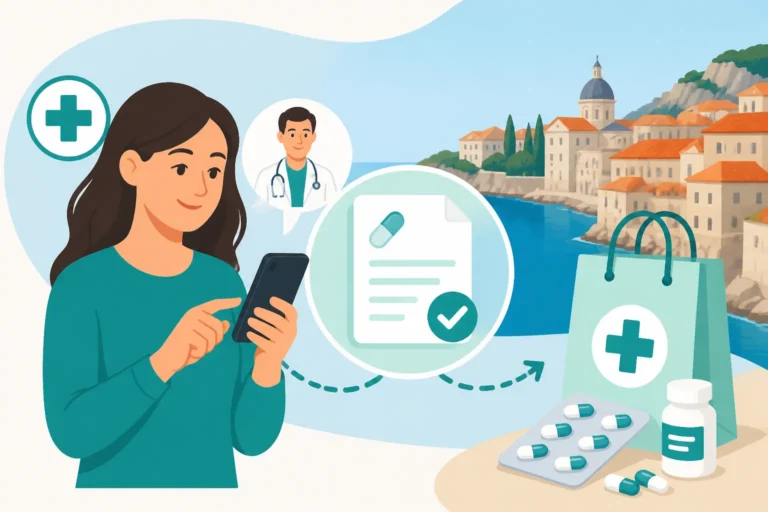
Recept (Prescription): This is the document from your doctor for prescribed medications. In Croatia, most prescriptions are now digital, known as e-recept. When you go to a pharmacy, they access your e-recept directly using your HZZO card. Medications covered by HZZO fall into different categories, with some being fully covered and others partially covered, requiring a participacija payment. If you buy a medication that your e-recept indicated should be covered, but you paid the full price due to an error, you might have a case for reimbursement. However, buying over-the-counter drugs or medications not on the HZZO list will not be reimbursed. To understand the system better, check out How Do I Get an e-Recept Filled at a Pharmacy in Croatia?.
-
Račun (Invoice/Receipt): This is perhaps the most vital document for any reimbursement claim. Always, and I mean always, get an itemized račun for any medical service or medication you pay for out-of-pocket, even for small amounts. This invoice must clearly state the services rendered, the cost, the date, and the details of the healthcare provider. Without a proper račun, HZZO has no basis to consider your claim. Make sure it's a fiscal receipt (often called fiskalni račun) if it's for a payment, not just a proforma invoice.
Understanding these terms and their implications within the HZZO framework is your first step to successfully navigating potential reimbursement claims. It truly boils down to adhering to the public system's rules unless an emergency dictates otherwise.
The Step-by-Step Process for Claiming Reimbursement
So, you've found yourself in a situation where you believe HZZO should reimburse you for medical expenses. Now comes the nitty-gritty: the actual process of making a claim. It’s not always straightforward, but with careful attention to detail, you can navigate it.
Gathering Necessary Documentation
This is perhaps the most critical stage. HZZO is an administrative body that relies heavily on paper trails and official documentation. Missing even one document can lead to delays or outright denial.
Here’s a checklist of what you'll typically need:
- Original Invoices/Receipts (Računi): As mentioned, these are paramount. Ensure they are original, itemized, and clearly state the service, date, cost, and provider's details. If you have electronic receipts, print them out. Make sure they specify if a participacija was paid.
- Proof of Payment: This could be a bank statement showing the transaction, a credit card slip, or a cash receipt. If you paid by card, the card slip can sometimes accompany the invoice.
- Medical Documentation: This is crucial to justify why the service was needed.
- Medical Reports: Any doctor's notes, discharge summaries, diagnostic results, or specialist opinions related to the treatment you're claiming for. These should clearly state the diagnosis and the necessity of the procedure or medication.
- Referrals (Uputnice): If the service required a referral from your family doctor, you need to provide the uputnica (or proof that one was issued, as they are often digital). If you had an emergency where no uputnica was possible, you'll need a medical report explaining the emergency and why immediate intervention was necessary.
- Prescriptions (Recepti): For medication claims, provide the e-recept details or a copy of the physical prescription if applicable.
- HZZO Card and OIB: You’ll need a copy of your valid HZZO health insurance card (or proof of active HZZO coverage during the period of treatment) and your OIB (personal identification number). Understanding How to Get Your OIB and Why It Matters for Healthcare Access is vital for all official procedures in Croatia.
- Personal Identification: A copy of your ID card or passport.
- Application Form (Zahtjev za Naknadu Troškova): HZZO will have a specific form for reimbursement claims. You can usually download this from their website or pick one up at your local HZZO regional office. Fill it out accurately and completely.
- Bank Account Details: You’ll need to provide your Croatian IBAN (International Bank Account Number) and BIC/SWIFT code for the reimbursement payment. Ensure the bank account is in your name.
- Any Other Relevant Correspondence: If you've already communicated with HZZO or a healthcare provider about this issue, include copies of that correspondence.
It’s always a good idea to make copies of everything you submit and keep them for your records. Don't send originals unless explicitly requested and you have made certified copies.
Submitting Your Claim to HZZO
Once you have all your documents in order, you're ready to submit.
- Locate Your HZZO Regional Office: You must submit your claim to the HZZO regional office (područna služba) where you are registered for health insurance. This is usually in your place of residence. You can find their addresses on the HZZO website.
- In-Person Submission (Preporučeno): The most common and often recommended method is to submit your claim in person. This allows you to:
- Hand over the documents directly to a HZZO clerk.
- Get a confirmation of receipt, often by having them stamp a copy of your application form or a cover letter. This is invaluable proof that you submitted your claim and on what date.
- Ask clarifying questions if anything is unclear, though be prepared that not all clerks may be fluent in English. Consider bringing a Croatian-speaking friend if you're not confident in the language.
- Submission by Mail: You can also send your claim by registered mail with an acknowledgment of receipt (preporučeno s povratnicom). This provides proof of delivery. However, it doesn't allow for immediate clarification or confirmation of document completeness. Always send copies, not originals, if mailing.
- Online/Email Submission (Less Common for Initial Claims): While Croatia is digitizing, comprehensive reimbursement claims involving multiple documents are still predominantly handled through physical submission. HZZO’s ePorezna portal is mainly for tax matters, and while some health services are moving online, direct reimbursement claims often require a physical presence or mail. Always confirm with your local office if online submission is an option for your specific case.
When submitting, maintain a polite and patient demeanor. The administrative processes can be slow, and the staff is often dealing with a high volume of inquiries.
What to Expect After Submission
The waiting game begins! Processing times for HZZO reimbursement claims can vary significantly.
- Initial Review: HZZO will first review your application for completeness. If anything is missing, they will likely contact you to request additional documents. This is why having accurate contact information on your application is crucial.
- Assessment: Your claim will then be assessed by a medical commission or an administrative team to determine if the expenses qualify for reimbursement according to HZZO's rules and regulations. They will cross-reference your medical documentation with their coverage policies.
- Decision: You will receive a written decision (rješenje) from HZZO. This document will state whether your claim has been approved, partially approved, or denied.
- Payment (if approved): If approved, the decision will specify the amount to be reimbursed. The money will then be transferred to the bank account you provided. This transfer might take an additional few weeks after the decision is issued.
- Appeals (if denied): If your claim is denied, the decision will typically include information on how to appeal the decision, including deadlines and the body to whom the appeal should be submitted. More on this in a later section.
It’s wise to follow up if you haven't heard anything within a reasonable timeframe (e.g., 30-60 days). A phone call or another visit to your HZZO office might be necessary. Remember, persistence can sometimes pay off.
Common Scenarios for Reimbursement
While the general rule is "stick to the HZZO network," life doesn't always go according to plan. There are a few specific scenarios where you might have a legitimate claim for reimbursement, even if they're not everyday occurrences.
Emergency Care Outside Your Registered Area
Imagine you're traveling from Zagreb to Dubrovnik for a weekend trip, and suddenly you experience a severe medical emergency – a fractured bone, acute appendicitis, or a sudden, debilitating illness. You're rushed to the nearest emergency room, which might be a private clinic or a public hospital where your official obiteljski liječnik (family doctor) isn't registered, and you're far from your local HZZO office for an uputnica. In such critical, life-threatening situations where immediate medical intervention is necessary and accessing your registered HZZO services isn't feasible, HZZO generally recognizes the need for urgent care.
You might have to pay for the initial consultation, diagnostics, or even stabilization out-of-pocket at the point of service. If this happens, gather all documentation: the detailed račun from the facility, comprehensive medical reports detailing the emergency and the treatment received, and ideally, a statement from the treating physician explaining the urgency. When you return to your registered area, you would then present these documents to your HZZO office, explaining that it was a genuine medical emergency where standard HZZO procedures (like getting a referral) couldn't be followed. HZZO will review whether the treatment was indeed emergent and necessary according to their standards. You can also review Emergency Medical Care in Croatia: What Every Expat Needs to Know.
Prescriptions and Medical Aids Purchased Privately
This is a tricky one and less common for direct reimbursement. HZZO provides lists of covered medications and medical aids. If a medication is on the HZZO basic list and your doctor issued an e-recept for it, but you somehow ended up paying the full price at a pharmacy due to a system error, you might have a case. For instance, if the pharmacist incorrectly charged you full price when your e-recept indicated partial or full HZZO coverage. In this scenario, you would need the detailed račun from the pharmacy, proof of your e-recept, and possibly a letter from your doctor or the pharmacy confirming the error.
Similarly, for certain medical aids (like specific prosthetics or orthopedic devices) that are fully covered by HZZO and require a specific uputnica from a specialist, if you were instructed to obtain one and had to purchase it privately because of unavailability in the public system, you might be eligible. However, this is highly regulated, requires prior approval from HZZO, and will necessitate comprehensive documentation, including the specialist's recommendation, the uputnica, and proof of the aid's HZZO-covered status. Simply choosing to buy a more expensive, private version of an aid when a covered public option exists will not lead to reimbursement.
Specialist Consultations Without a Referral
Generally, seeing a specialist without an uputnica from your family doctor means you'll be paying out-of-pocket, and HZZO will not reimburse you. The system is designed around your family doctor being the first point of contact and gatekeeper. However, there can be very rare exceptions, though they are difficult to prove for reimbursement purposes.
One such scenario might be if your family doctor explicitly refused to give you an uputnica for a specialist consultation that was demonstrably necessary based on clear medical evidence (e.g., severe symptoms, previous specialist recommendations), and you had to seek private care to prevent further health deterioration. Even then, proving this to HZZO would be an uphill battle, requiring formal complaints against your family doctor and clear medical documentation justifying the specialist visit. It's almost always recommended to first try to resolve any referral issues with your family doctor or their superior at the Dom Zdravlja (health centre) before resorting to private care with the expectation of reimbursement. Understanding the Role of the Dom Zdravlja (Health Centre) in Croatia is key here.
In nearly all other cases, if you choose to bypass the referral system for convenience or speed, HZZO will consider it a private expense, not eligible for reimbursement. The system really emphasizes following the proper channels.
Navigating Challenges and Avoiding Pitfalls
The path to HZZO reimbursement can be fraught with bureaucratic hurdles. As an expat, you might face additional challenges like language barriers or unfamiliarity with the system. Knowing the potential pitfalls can help you prepare and increase your chances of success.
Understanding Deadlines and Statute of Limitations
One of the most crucial aspects of any administrative process is adhering to deadlines. HZZO claims are no exception. While specific deadlines can sometimes vary based on the nature of the claim (e.g., standard medical expenses vs. complex international claims), there is generally a statute of limitations for making claims. For most medical expense reimbursements, you typically have up to two years from the date the expense was incurred to submit your claim. This means if you paid for a service in January 2024, you usually have until January 2026 to submit all your paperwork to HZZO.
However, relying on the maximum limit is rarely advisable. It's always best practice to submit your reimbursement claim as soon as possible after the expense has been incurred and you have gathered all the necessary documentation. The sooner you submit, the fresher the details are in your mind, and the less likely you are to misplace vital receipts or reports. Plus, if HZZO requires additional documents or clarifications, you'll have more time to provide them without running up against a deadline. Always double-check with your local HZZO office or their website for the most precise and up-to-date information regarding deadlines for your specific type of claim.
Dealing with Denied Claims
It's a disheartening but not uncommon experience: you submit your carefully prepared claim, wait patiently, and then receive a letter stating your claim has been denied. Don't despair immediately. A denial isn't always the final word.
- Understand the Reason for Denial: The denial letter (rješenje) from HZZO should clearly state the reason for the rejection. This is vital information. Was a document missing? Was the service not covered? Was it deemed not an emergency? Did you miss a deadline? Understanding the specific reason is your first step towards a potential appeal.
- Gather Additional Evidence (if applicable): If the denial was due to missing documents or insufficient proof, gather what's needed. For example, if they said the emergency wasn't justified, you might need a more detailed medical report from the doctor who treated you. If they claimed you didn't have an uputnica when you did, find proof of its issuance.
- File an Appeal (Žalba): The denial letter will also inform you of your right to appeal and the deadline for doing so (often 15 days from receipt of the denial). Your appeal, or žalba, should be a formal written response, referencing the original claim number and the denial decision. Clearly state why you believe the decision should be overturned, providing any new evidence or clarification. Submit the appeal to the address specified in the denial letter (usually to a higher administrative body within HZZO or a related ministry) by registered mail or in person with proof of receipt.
- Seek Professional Advice: If the claim is significant or particularly complex, consider seeking advice from a Croatian administrative lawyer or a trusted expat service that specializes in navigating Croatian bureaucracy. They can help you understand the legal grounds for appeal and draft a compelling žalba.
Remember, the appeal process itself can take time, but a well-reasoned appeal with supporting documentation has a chance of success.
The Role of Supplementary (Dopunsko) Insurance
We touched upon dopunsko zdravstveno osiguranje earlier, but its role in preventing out-of-pocket expenses and thereby eliminating the need for reimbursement for participacija cannot be overstated. Dopunsko insurance essentially covers the co-payments for HZZO-covered services. This means that if you have dopunsko, you generally won't pay the participacija fees at the doctor's office, pharmacy, or hospital; your dopunsko provider handles that directly.
Having dopunsko vastly simplifies your experience with the Croatian healthcare system. Instead of potentially paying various small participacija fees and then having to consider an HZZO reimbursement claim (which, as established, doesn't happen for participacija), your dopunsko policy ensures you pay nothing extra at the point of service for covered items. This is a huge relief for many expats who want predictability in their healthcare costs. Both HZZO itself and private insurers like Croatia Osiguranje, Uniqa, and Generali offer dopunsko policies, with varying prices and benefits. For many residents, it's considered an essential part of their health coverage in Croatia. Understanding Dopunsko Zdravstveno Osiguranje (Supplementary Insurance) in Croatia gives you a deeper dive into this vital coverage.
Important Considerations for Expats
As an expat, you're not just dealing with a new healthcare system; you're often doing it in a new language and without the built-in social networks that locals rely on. This adds layers of complexity, making preparation even more crucial.
Language Barriers and Seeking Assistance
The Croatian healthcare system, from reception desks to official HZZO forms and even doctor's explanations, operates predominantly in Croatian. This can be a significant hurdle when you're trying to understand complex medical terminology or fill out intricate reimbursement forms.
- Bring a Croatian Speaker: Whenever possible, especially for appointments at HZZO offices or specialist visits, bring a Croatian-speaking friend, colleague, or even a professional translator. They can help clarify information, translate questions, and ensure you understand all instructions and explanations. This is invaluable for preventing misunderstandings that could jeopardize your claim.
- Utilize Translation Apps (with caution): For quick translations of documents or basic communication, translation apps can be helpful. However, rely on them cautiously for critical, official documents, as nuances can easily be lost.
- Seek Expat Community Advice: Online expat groups and forums for Croatia are fantastic resources. Many seasoned expats have navigated similar situations and can offer practical advice, share experiences, or even recommend English-speaking assistance. However, always verify advice from online sources with official HZZO information or professional consultants.
- English-Speaking Doctors: While not directly related to HZZO reimbursement, having an English-speaking family doctor can make a world of difference in understanding your medical needs and navigating the referral process. They can provide clearer explanations and help ensure your medical reports are thorough. You might find resources on How to Find an English-Speaking Doctor in Croatia.
Health Insurance for New Arrivals and Tourists
For those just arriving in Croatia, or visiting for a shorter period, your health insurance situation is critical and directly impacts any potential for reimbursement.
- New Residents and Waiting Periods: If you're a new resident applying for HZZO, there might be a waiting period before your full coverage kicks in. During this transitional phase, it's common for individuals to need private travel or international health insurance. What Happens If I Get Sick Before My HZZO Registration Is Complete? outlines these crucial early days. It's during this time that having robust private insurance is key, as HZZO will not cover expenses incurred before your active coverage date.
- Tourists and Short-Term Visitors: Tourists or short-term visitors from outside the EU/EEA generally rely on their private travel insurance for any medical emergencies. HZZO does not cover tourists unless they have a valid EHIC card (for EU/EEA citizens) or a bilateral agreement with their home country for reciprocal care. For those without an EHIC, any medical expenses, even emergencies, will be out-of-pocket, and you'll then claim reimbursement from your private travel insurance provider. Companies like SafetyWing offer flexible travel medical insurance plans that are often popular with digital nomads and long-term travelers, covering emergencies and sometimes even more routine care, which would then be your primary route for reimbursement, not HZZO. Always understand your private policy's claim process thoroughly.
- Digital Nomads: While digital nomads on the Croatian permit are required to have health insurance, this is typically private insurance, not HZZO, for their first year. This means your claims would go through your private insurer. Can I Use Public Healthcare in Croatia on a Digital Nomad Visa? clarifies this situation. Therefore, the HZZO reimbursement process would generally not apply to you initially, as your private policy is your primary coverage.
Keeping Meticulous Records
This point cannot be emphasized enough, regardless of your expat status. The Croatian administrative system, like many others, relies on precise and comprehensive documentation.
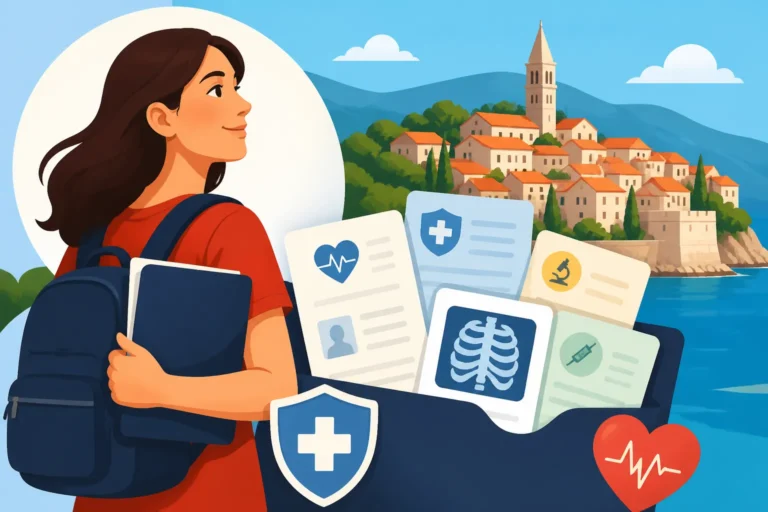
- Dedicated Folder: Create a physical or digital folder specifically for all your medical documents. This should include:
- All HZZO-related correspondence (registration documents, cards, decisions).
- Every račun (invoice/receipt) from doctors, pharmacies, and hospitals.
- All medical reports, diagnostic results, and specialist opinions.
- Copies of uputnice and recepte.
- Any communication with your insurance providers (HZZO or private).
- Chronological Order: Organize documents chronologically. This makes it much easier to find specific items when HZZO or an appeals body requests them.
- Digital Backups: Scan and create digital backups of all important documents. This protects against loss and allows for easy sharing if required.
- Note-Taking: Keep a brief journal or notes of dates, times, and names of people you speak to at HZZO or medical facilities. This can be surprisingly helpful if a dispute arises.
Meticulous record-keeping is your best defense and offense when dealing with any bureaucracy, especially one as complex as health insurance reimbursement. It can be the difference between a successful claim and a frustrating denial.
Overview of HZZO Reimbursement Scenarios and Requirements
| Scenario | Description | Key Documents Required | Reimbursed by HZZO? | Notes |
|---|---|---|---|---|
| Emergency Care (Out-of-Network) | Urgent, life-threatening treatment received privately or outside your registered HZZO network due to immediate necessity. | Original itemized račun, proof of payment, detailed medical reports explaining emergency & treatment, HZZO card/proof of coverage, ID, application form, bank details. | Possible | Highly dependent on HZZO's assessment of emergency and necessity. Not for non-urgent self-referrals. |
| Medication Error | Full payment for an HZZO-covered medication when your e-recept indicated partial/full coverage, due to pharmacy error. | Original itemized račun, proof of payment, e-recept details/copy, statement from pharmacy/doctor confirming error (if possible), HZZO card/proof of coverage, ID, application form, bank details. | Possible | Must be a clear error where HZZO coverage should have applied. Not for over-the-counter or non-HZZO list meds. |
| Approved Medical Aids (Private) | Purchase of a pre-approved, HZZO-fully-covered medical aid privately due to unavailability in the public system. | Original itemized račun, proof of payment, specialist's uputnica, HZZO approval for the aid, HZZO card/proof of coverage, ID, application form, bank details. | Possible | Requires specific prior HZZO approval and clear evidence of public system unavailability. |
| Standard Participacija | Co-payments for routine HZZO-covered services (doctor visits, tests, standard meds) when only basic HZZO is held. | N/A | No | Covered by dopunsko zdravstveno osiguranje. If you have dopunsko, you typically don't pay this out-of-pocket. |
| Elective Private Care | Choosing a private clinic/specialist for convenience or speed when a public HZZO-contracted option was available. | N/A | No | HZZO does not reimburse for services obtained outside its network unless a genuine, documented emergency prevented access to public care. |
| Specialist Without Uputnica | Seeing a specialist without a referral from your family doctor. | N/A | No | Your family doctor is the gatekeeper. Rare exceptions (e.g., demonstrably urgent and family doctor refused referral) are very difficult to prove for reimbursement. |
| Care Abroad (with EHIC) | Medically necessary care received in another EU/EEA country with a valid EHIC card, paid out-of-pocket. | Original itemized račun, proof of payment, medical reports from the foreign provider, EHIC details, HZZO card/proof of coverage, ID, application form, bank details. | Possible | Reimbursement often at the rate of the foreign country's public system, not necessarily Croatian rates. Complex process. You can review How to Use Your EHIC (EKZO) Card in Croatia as an EU Citizen. |
| Care for Digital Nomads/New Arrivals | Medical care incurred before active HZZO registration or while relying on private insurance (e.g., SafetyWing, for digital nomads). | Claims go through your private insurance provider, not HZZO. Documentation depends on your private policy. | No | HZZO covers only those actively registered and covered by them. Private insurance is key during initial periods or for specific visa types like the digital nomad permit. |
Disclaimer
Please note that the information provided in this guide is for general informational purposes only and does not constitute legal or medical advice. Healthcare regulations and HZZO policies in Croatia can change. While we strive to keep our content up-to-date, it is essential to consult with HZZO directly or seek professional legal or medical counsel for specific circumstances. Always verify current procedures and requirements with the official Croatian Health Insurance Fund (HZZO) or a qualified expert before making any decisions related to your healthcare or financial claims.