Understanding Participacija (Co-Payments) in the Croatian Health System
One of the most perplexing aspects of settling into life in Croatia, especially when it comes to something as vital as healthcare, is understanding the concept of "participacija." Many expats arrive here assuming that once they're registered with HZZO, everything is covered. The reality, as we often discover the hard way, is a bit more nuanced and can lead to unexpected bills. This guide will meticulously break down what participacija is, how it works, and most importantly, how you can navigate these co-payments to avoid those frustrating surprises in the Croatian health system.
What Exactly is "Participacija" in Croatia?
Let's be honest, navigating any healthcare system as an expat is a minefield, and Croatia's is no exception. Participacija, often translated as "co-payment" or "deductible," is essentially your financial contribution towards the cost of medical services, despite being insured through the Croatian Health Insurance Fund (HZZO). It's not a penalty; it's a built-in mechanism of the public healthcare system designed to share costs between the insured individual and the insurance fund. Think of it as a small out-of-pocket expense you pay at the point of service.
The Philosophy Behind Co-Payments
The idea behind participacija isn't to make healthcare inaccessible, but rather to encourage responsible use of the system and to provide an additional revenue stream for HZZO to maintain its services. It's a common feature in many European healthcare models. For locals, it's just part of life, something they've grown up with. For us expats, however, particularly those from countries with entirely free at-point-of-use healthcare, it can feel like a curveball. It's designed to ensure that even with public insurance, there's a small barrier to entry for every visit, theory being it reduces unnecessary appointments. However, the amounts are generally quite low for basic services, keeping essential care affordable.
Who is Subject to Participacija?
Generally speaking, anyone covered by basic mandatory health insurance (obvezno zdravstveno osiguranje) through HZZO is subject to participacija, unless they fall under specific exemption categories. This includes employed individuals, self-employed workers (like those with a paušalni obrt), pensioners, and even family members registered under the primary insured person. Even if you've done all the hard work to Registering with HZZO in Croatia: The Complete Expat Guide (2027), you’re not automatically off the hook for these small fees. It's a universal aspect of the public system here. The key is understanding that your mandatory HZZO coverage provides a foundational safety net, but it's not always 100% free at the point of service.
How Participacija Works: The Nitty-Gritty Details
Participacija isn't a single, flat fee. It's a complex system with different types of co-payments depending on the service you receive. It’s enough to make your head spin when you’re just trying to figure out if you need to pay for a doctor’s visit. Broadly, it falls into two main categories: fixed fees for specific services and percentage-based co-payments for more substantial treatments.
Fixed Fees for Services
For many routine services, HZZO has established fixed participacija amounts. These are usually small, manageable fees designed to cover a minimal portion of the administrative or service cost. For instance, a basic visit to your family doctor (liječnik opće prakse) might incur a small fixed fee. Seeing a specialist through an e-Uputnica (E-Referrals) Work for Specialist Appointments in Croatia will also have a fixed co-payment. Similarly, picking up a prescription at the pharmacy or receiving a diagnostic test like a blood draw often comes with a set fee. These amounts are generally quite low, usually in the range of a few euros. However, they can quickly add up if you have multiple appointments or prescriptions in a short period. This is where many expats, especially those used to systems where primary care is truly free, feel a slight pinch.
Percentage-Based Co-Payments
Things get a little more serious when it comes to more expensive procedures or treatments. For these, participacija is often calculated as a percentage of the total cost of the service. This can apply to things like hospital stays, certain surgeries, or more advanced diagnostic imaging. The percentage can vary, but typically it’s around 20% of the service cost. However, there's a crucial ceiling to this percentage-based participacija for a single service, which is generally capped at a certain amount (e.g., around 530 EUR for inpatient care). This cap is incredibly important because it prevents individuals from facing astronomical bills for single, very expensive treatments. So, while you might technically owe 20% of a 10,000 EUR surgery, you’ll only be liable for the capped amount, not the full 2,000 EUR. This is a vital safeguard within the public system, though that capped amount can still be a significant sum for many.
The Annual Maximum and Catastrophic Cap
Beyond individual service caps, the Croatian health system also has an annual maximum participacija limit. This is a total ceiling on how much an individual can pay in co-payments within a calendar year, regardless of how many services they receive. This "catastrophic cap" is a significant relief, ensuring that chronic illness or multiple health issues in a year don't financially cripple an individual. The specific annual maximum changes, but it provides a crucial layer of financial protection. Once you hit this annual limit, all further participacija fees for that year are waived. Knowing about this cap can provide a lot of peace of mind, especially for those with ongoing health concerns or families who might rack up numerous smaller fees. It's a strong argument for why Understanding Dopunsko Zdravstveno Osiguranje (Supplementary Insurance) in Croatia is so important, as it completely eliminates these participacija costs.
Navigating Exemptions and Reductions
While participacija is a standard part of the Croatian health system, there are indeed ways to reduce or entirely avoid these co-payments. This is where understanding the different layers of health insurance and specific exemption categories becomes absolutely critical for expats looking to manage their healthcare costs effectively.
Mandatory vs. Supplementary Health Insurance (Dopunsko)
This is perhaps the single most important distinction when it comes to participacija. Your basic, mandatory HZZO insurance (obvezno zdravstveno osiguranje) covers a significant portion of your healthcare costs, but it does not cover participacija. That's where supplementary health insurance, or Dopunsko Zdravstveno Osiguranje, comes in. Dopunsko is specifically designed to cover 100% of your participacija fees, effectively making your public healthcare free at the point of service.
Most Croatians have Dopunsko, and for good reason. For a relatively small monthly premium, you eliminate all those individual co-payments, from doctor visits to hospital stays, up to the annual maximum. There are several providers of Dopunsko, including HZZO itself, as well as private insurers like Croatia Osiguranje, Generali, and Triglav. While they all offer similar core coverage for participacija, their exact terms and additional benefits might vary slightly. For expats, getting Dopunsko is almost always recommended unless your health needs are extremely minimal or you opt for comprehensive private insurance. It truly simplifies your healthcare experience and removes the financial friction of participacija.
Specific Categories of Exempt Individuals
Even without Dopunsko, certain groups of individuals are automatically exempt from participacija by law. These exemptions are typically based on income, age, or specific health conditions. For example, children under 18 (and sometimes students up to a certain age) are often exempt. Individuals with very low incomes, recipients of certain social welfare benefits, or those with specific chronic conditions or disabilities might also be fully exempt. War veterans and victims, as well as blood donors (after a certain number of donations), are also often included in these exemption lists. It's crucial to understand that these categories are defined by Croatian law and are designed to protect the most vulnerable members of society from healthcare costs. If you believe you might fall into one of these categories, it's worth checking with HZZO directly, as it could save you significant money over time.
SafetyWing and Other Private Options for Coverage
While Dopunsko covers participacija within the public system, some expats, particularly digital nomads or those in temporary situations, might rely on private international health insurance. Companies like SafetyWing offer travel and medical insurance plans that can be incredibly useful, especially during the initial waiting periods for HZZO or for those who don't intend to stay long-term. While SafetyWing isn't designed to directly "cover" participacija in the same way Dopunsko does within the Croatian public system (as it's often a reimbursement model rather than direct payment), it can provide peace of mind for significant medical events. If you're paying participacija and other out-of-pocket costs, a good private international plan like those from SafetyWing might offer reimbursement depending on your policy terms. For comprehensive private healthcare, you could also explore local private health insurance plans in Croatia, which typically offer access to private clinics and specialists without any participacija at all, though at a higher premium than Dopunsko. This is a different approach to managing costs compared to Dopunsko, offering a completely separate healthcare pathway rather than just supplementing HZZO.
Real-World Scenarios: When Will You Pay Participacija?
Understanding the theory is one thing, but knowing exactly when you'll be asked to cough up a few euros for participacija is what really matters. It happens more often than you might think, particularly if you're only relying on your basic HZZO coverage. Let's walk through some common scenarios.
A Trip to the Doctor or Specialist
This is probably the most frequent interaction where participacija comes into play. If you need to see your assigned family doctor (obiteljski liječnik), there will typically be a small fixed fee. It's usually a few euros, paid directly at the clinic. The same goes for specialist appointments. Once your GP gives you an e-Uputnica (E-Referrals) Work for Specialist Appointments in Croatia to see, say, a dermatologist or an orthopedist at a Dom Zdravlja (health centre) or public hospital, you'll pay a slightly higher fixed participacija fee at the specialist's office. This also applies to diagnostic tests ordered by your doctor, such as blood work, X-rays, or ultrasounds. Even just a simple check-up will likely involve this small charge. It’s important to remember that these fixed fees are per visit or per service, so if you have multiple follow-ups, those fees will apply each time.
Hospital Stays and Surgeries
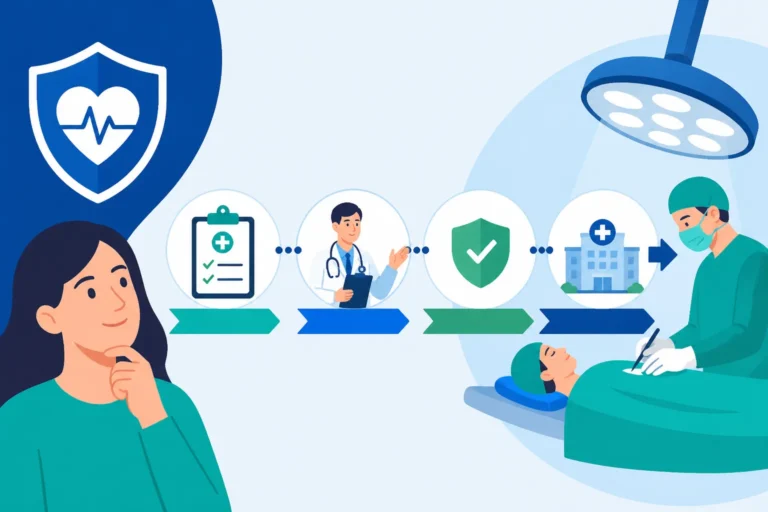
This is where the percentage-based participacija really comes into play, although often capped to prevent excessive costs. If you are admitted to a hospital for an overnight stay, whether for observation, a longer treatment, or surgery, you will be subject to participacija. This is usually calculated as a percentage of the daily cost of your hospital stay. As mentioned earlier, there's a daily cap on this fee, and also an overall cap for a single inpatient stay, regardless of its duration or the complexity of the treatment. For example, for a significant surgery and subsequent recovery in a hospital, your total participacija would not exceed the single-service maximum, which currently is around 530 euros for inpatient treatment. This is a huge relief, knowing that even without Dopunsko, a catastrophic medical event won't lead to an astronomical bill, though 530 EUR is still a substantial amount for many. Understanding Emergency Medical Care in Croatia: What Every Expat Needs to Know is crucial, as even emergency visits can incur participacija if they don't lead to an inpatient stay or if you don't have Dopunsko.
Prescription Medications and Therapies
When your doctor writes you an e-Recept (E-Prescription) System in Croatia, taking it to the pharmacy often involves a participacija fee. For medications on the "basic" HZZO list, the fee is usually quite small, just a few euros per prescription. However, for some medications on the "supplementary" list, or those that are more expensive, you might pay a larger fixed fee or even a percentage of the drug's cost, up to a certain limit. Similarly, if you're referred for physical therapy (fizioterapija) or other forms of rehabilitation, those sessions will also typically carry a participacija fee per session, unless you have Dopunsko. The good news is that these individual medication fees are also relatively low, but again, if you're on multiple prescriptions or require ongoing therapy, these small amounts accumulate quickly. This again highlights the benefit of having supplementary insurance to cover these frequent, smaller costs.
Here's a general overview of some common participacija fees. Please note that these amounts are subject to change and should always be verified with HZZO or your healthcare provider for the most current information.
| Service Category | Typical Participacija (without Dopunsko) | Max. Amount per Service (without Dopunsko) |
|---|---|---|
| General Practitioner (GP) Visit | ~1-2 EUR | N/A |
| Specialist Examination | ~3-4 EUR | N/A |
| Diagnostic Procedures (e.g., X-ray) | ~3-4 EUR | N/A |
| Outpatient Rehabilitation / Therapy | ~3-4 EUR per session | N/A |
| Prescription Medication | ~1-2 EUR (per prescription) | N/A |
| Emergency Room (if not admitted) | ~15 EUR | N/A |
| Inpatient Hospital Treatment (daily fee) | ~15 EUR per day | Capped at ~530 EUR per single stay |
| Outpatient Surgery | ~65 EUR | Capped at ~65 EUR |
Practical Tips for Expats to Minimize Costs
Feeling a bit overwhelmed? Don't be! There are very practical steps you can take to make participacija a non-issue or at least minimize its impact on your wallet. A little bit of upfront planning and understanding can save you a lot of headaches (and euros) down the line.
Understanding Your HZZO Status
First and foremost, make sure you understand the nuances of How the Croatian Health Insurance Fund (HZZO) Works: A Full Overview. Are you covered under basic mandatory insurance as an employee, self-employed person, or perhaps as a family member? Confirm your registration and ensure you have your HZZO card. Knowing your exact status is the foundation for everything else. If you're a digital nomad, for instance, you might not be automatically integrated into the public HZZO system in the same way an employed person is, and your healthcare coverage will likely be through private means, at least initially. Can I Use Public Healthcare in Croatia on a Digital Nomad Visa? is a common question, and the answer often involves private insurance or a special arrangement until HZZO is fully secured.
The Value of Dopunsko Zdravstveno Osiguranje
I cannot stress this enough: for anyone planning to stay in Croatia for the medium to long term, or simply wanting peace of mind, getting Dopunsko Zdravstveno Osiguranje is a no-brainer. For a relatively small monthly premium, often ranging from 10 to 20 EUR, you entirely eliminate all participacija fees. This means every doctor's visit, every specialist appointment, every hospital stay, and all prescription co-payments become free at the point of service. It's an investment that almost always pays for itself if you visit the doctor more than a couple of times a year or have any ongoing health needs. Think of it as an upgrade that transforms your HZZO basic coverage into a truly free-at-point-of-use experience within the public system. You can even apply for supplementary insurance through HZZO directly, making the process quite straightforward once your basic HZZO is in place.
Considering Private Insurance for Peace of Mind
For some expats, especially those seeking faster access to specialists, more comfortable facilities, or broader coverage beyond what the public system offers, private health insurance might be a more appealing option. This can either be a local Croatian private plan or an international one. While these plans come with higher premiums than Dopunsko, they typically cover the full cost of private medical services, meaning no participacija and often much shorter waiting times. If you're someone who values speed and convenience, or if you prefer to visit English-speaking doctors exclusively, this could be a worthwhile consideration. Brands like SafetyWing are excellent for specific scenarios, such as bridging the gap when you first arrive or for those on digital nomad visas who need reliable, flexible international coverage. While it doesn't integrate directly with the participacija system, it offers an alternative path to managing medical expenses and provides robust coverage for various situations. You can find more details on Understanding Private Health Insurance Plans in Croatia to see if this is the right fit for you.
Common Expat Frustrations and How to Deal with Them
Even with all the information in the world, the reality of navigating participacija and the broader Croatian healthcare system can still throw expats for a loop. It's totally normal to feel frustrated, and frankly, validating those feelings is important. It's a different system, and adapting takes time.
Unforeseen Costs and Bureaucracy
One of the biggest frustrations is the feeling of being nickel-and-dimed by unexpected participacija fees, especially if you didn't anticipate them. You might have had a quick doctor's visit, only to be surprised by a small bill at the reception. Or perhaps you've been sent for multiple tests, and each one incurs a separate fee. The cumulative effect can be annoying. This is often compounded by the bureaucratic hurdles that sometimes feel unnecessarily complex. For instance, sometimes a participacija bill might arrive in the mail weeks after a service, or you might be asked to pay at a post office or bank rather than directly at the clinic. This lack of immediate clarity can be incredibly frustrating. The best way to mitigate this is, again, Dopunsko. It essentially makes these little administrative payments disappear. Always ask at the reception before a service if there's a participacija fee if you don't have Dopunsko or are unsure of your coverage.
Language Barriers at the Billing Desk
Another significant hurdle, particularly for newcomers, is the language barrier. Croatian is not an easy language, and trying to understand billing statements, or even just asking about participacija fees at a reception desk, can be daunting. Many healthcare professionals, especially in larger cities like Zagreb or Split, do speak English, but that's not always a guarantee, particularly with administrative staff. Misunderstandings can lead to confusion about what you owe, why you owe it, and how to pay it.
To tackle this, try to have a few key Croatian phrases ready ("Koliko je participacija?" – How much is the co-payment?), or use a translation app. If you have a Croatian friend or colleague who can make a quick call or accompany you, that can be a lifesaver. Furthermore, if you are actively seeking medical care, it is possible to How to Find an English-Speaking Doctor in Croatia which might also help with understanding any billing implications directly from your GP or specialist. The goal is to be proactive and not let language become an additional source of stress when dealing with health matters.
Disclaimer
The information provided in this guide is for general informational purposes only and does not constitute professional medical, legal, or financial advice. Healthcare regulations and fees in Croatia are subject to change. Always consult with HZZO, a qualified healthcare professional, or a legal expert for advice tailored to your specific situation.