Can I Use Public Healthcare in Croatia on a Digital Nomad Visa?
It's one of the first questions on every digital nomad's mind when considering Croatia: "How on earth do I handle healthcare here?" You’ve heard tales of the incredible public healthcare system, HZZO, but then you also hear whispers of private insurance requirements for your visa. It’s enough to make your head spin, leaving you wondering if you'll be left stranded without proper medical care. This guide will cut through the confusion and explain exactly how public healthcare in Croatia relates to your digital nomad visa, ensuring you understand your options and obligations.
Understanding Your Healthcare Obligations as a Digital Nomad in Croatia
When you first dream of Croatia – the sun-drenched islands, the ancient cities, the relaxed pace of life – practicalities like healthcare often feel like a bureaucratic headache you'd rather ignore. But trust me, you absolutely cannot ignore it. Your health, and your ability to stay in this beautiful country, depend on getting this right.
The Mandate: Proof of Health Insurance for Residence Permits
Let’s get straight to it: securing comprehensive health insurance is not just a good idea; it's a non-negotiable requirement for your Croatian digital nomad residence permit. When you apply at the MUP (Ministry of Interior), whether from abroad or within Croatia, they will ask for proof of health insurance. This isn't just a casual request; it’s a critical piece of your application. The insurance needs to cover the entire period you intend to stay in Croatia. If you apply for a one-year permit, you need one year of valid insurance. It needs to cover medical emergencies, illness, and accidents, and ideally, repatriation too, which means covering the cost of sending you home if you become seriously ill or pass away. Think of it as your safety net, both for your well-being and for satisfying the legal requirements to live here. Without it, your application will simply be denied.
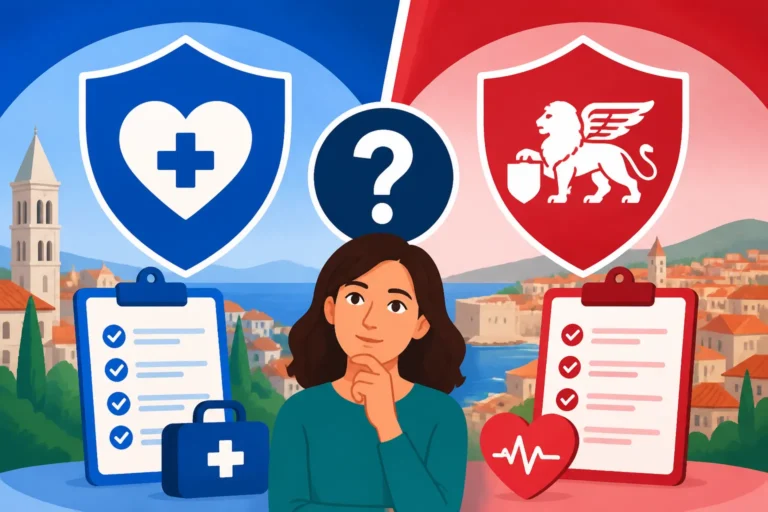
Public vs. Private: The Initial Dilemma
This is where a lot of digital nomads get tangled up. Croatia has a robust public healthcare system, funded by mandatory contributions, called HZZO (Hrvatski zavod za zdravstveno osiguranje). It’s generally quite good, offering comprehensive care at a low cost or often free for those covered. Naturally, you might assume that since you’re living here and contributing to the economy (albeit indirectly), you’d be eligible for HZZO. However, the path to HZZO coverage for foreigners is tied to specific employment or residency statuses that generally don't apply to digital nomads. Digital nomads, by definition, work for foreign companies or clients and aren't typically employed by a Croatian entity that would pay into the HZZO system on their behalf. This fundamental difference is key to understanding why HZZO isn't your primary option.
The Reality of Public Healthcare (HZZO) for Digital Nomads
While the Croatian public healthcare system, HZZO, is a fantastic resource for its contributors, it’s generally not available to digital nomads as their primary form of coverage. This can be a tough pill to swallow, especially if you're coming from a country with universal healthcare, but understanding why is crucial.
Initial Ineligibility for HZZO
The core reason digital nomads are initially ineligible for HZZO is simple: you’re not employed by a Croatian company, nor are you generally contributing to the Croatian social security system in a way that would grant you access. HZZO eligibility is typically for those who are:
- Employed in Croatia: Your employer pays contributions on your behalf.
- Self-employed (Obrt or d.o.o.) in Croatia: You pay mandatory monthly contributions yourself. You can learn more about this in our guide on Understanding Health Coverage for Self-Employed (Obrt) Workers in Croatia.
- Registered as unemployed and receiving benefits: You're actively seeking work through the Croatian employment service.
- Pensioners: Receiving a Croatian pension or a pension from an EU/EEA country with an S1 form.
- Family members: Dependents of someone already covered by HZZO (e.g., a Croatian spouse).
- EU/EEA citizens: Temporarily using their EHIC (more on this below).
As a digital nomad, you’re working for clients or companies outside Croatia. You're granted a residence permit based on income from foreign sources. The Croatian government wants to ensure you don't become a burden on their public health system without contributing to it directly. This means you must have private health insurance for the duration of your stay. Trying to "finesse" your way into HZZO when you don't meet these criteria is usually a futile and frustrating endeavor.
Exceptions and Scenarios
While direct HZZO coverage isn't usually an option for digital nomads, there are some specific scenarios where you might find yourself under its umbrella:
- Family Reunification with an HZZO-Insured Spouse: If you're a digital nomad but your spouse is a Croatian citizen or a foreigner legitimately working in Croatia and covered by HZZO, you might be able to register as a dependent family member. This would involve proving your marital status and their HZZO coverage. This is a common route for many expat spouses and a key part of How to Register Family Members for Health Insurance in Croatia. However, this isn't the "digital nomad visa" route; it's a separate basis for residence.
- Switching Residency Status: Let's say you arrive on a digital nomad visa, but after a year, you decide to start your own Croatian Paušalni Obrt (flat-rate trade) or find employment with a local company. At that point, your status changes, and you would become eligible for HZZO coverage, as you would then be contributing to the Croatian social security system. This isn't a direct path from the digital nomad visa, but a subsequent change in your legal work status.
- EU Citizens and Cross-Border Workers (Not the typical digital nomad): If you are an EU/EEA citizen who happens to be a digital nomad but is also officially registered as a worker in another EU country and has an S1 form (a portable document of your social security rights), you could potentially register with HZZO based on that. However, this is quite a specific niche and doesn't apply to most non-EU digital nomads, nor to EU digital nomads who aren't actively registered as employees/self-employed in another EU country's social security system.
For the vast majority of digital nomads, these exceptions are exactly that: exceptions. Don't plan your healthcare strategy around them unless you fit one of these very specific scenarios.
The European Health Insurance Card (EHIC)
If you're an EU/EEA citizen holding a digital nomad permit for Croatia, you might have an EHIC (European Health Insurance Card) from your home country. This card is incredibly useful for temporary stays and necessary medical treatment while traveling within the EU.
However, it's crucial to understand its limitations for long-term residents, even digital nomads:
- Temporary Use: The EHIC is designed for temporary visits. While it covers you for medically necessary treatment, it's not meant to replace comprehensive health insurance when you're establishing residence in another EU country. The spirit of the EHIC is for tourists or short-term stays, not for establishing long-term healthcare in your new home country.
- Medically Necessary Treatment Only: It covers treatment that cannot wait until you return home. It doesn't cover planned medical tourism or routine check-ups in the same way full HZZO coverage would.
- Not a Substitute for Residence Permit Insurance: Even if you have an EHIC, the MUP will still require proof of comprehensive health insurance for your digital nomad residence permit application. They want to ensure you have full coverage, not just emergency care, for your entire stay. So, while having an EHIC is a nice backup for EU citizens, it doesn't exempt you from needing private insurance for your digital nomad permit. Our guide on How to Use Your EHIC (EKZO) Card in Croatia as an EU Citizen delves deeper into its specific uses and limitations.
In short, for most digital nomads, HZZO is not an option. Your path to healthcare in Croatia will be paved with private insurance.
Navigating Private Health Insurance for Digital Nomads
Since public healthcare (HZZO) is largely off-limits for most digital nomads in Croatia, your primary and mandatory solution for medical coverage will be private health insurance. This isn't necessarily a bad thing; in many cases, private insurance offers flexibility and advantages that can be very appealing.
Why Private is Your Go-To
Private health insurance isn't just a bureaucratic hurdle; it's your actual safety net while living and working remotely in Croatia. Here’s why it's essential:
- Residence Permit Requirement: As we discussed, it's non-negotiable for obtaining your digital nomad visa. Without proof of adequate private coverage, your application won't proceed.
- Comprehensive Coverage: Good private policies often offer broader coverage than the basic "medically necessary" care provided by an EHIC. This can include things like dental, vision, elective procedures, and a wider choice of doctors and facilities.
- Faster Access: One of the biggest advantages of private healthcare in Croatia is often quicker access to specialists and appointments. While HZZO offers excellent care, wait times for non-emergency specialist appointments can sometimes be lengthy. With private insurance, you can often bypass these queues.
- English-Speaking Doctors: Private clinics and polyclinics in Croatia are generally better equipped with English-speaking staff and doctors, making communication much easier, especially during stressful medical situations. Our guide on How to Find an English-Speaking Doctor in Croatia is a great resource.
- Peace of Mind: Knowing you're fully covered for any medical event, from a minor cold to a major emergency, allows you to truly enjoy your Croatian experience without constant worry.
Choosing a Policy: What to Look For
Selecting the right private health insurance policy can feel overwhelming, but focusing on a few key areas will simplify the process. Remember, you need something that satisfies MUP requirements and genuinely protects you.
- Coverage Limits: Ensure the policy has sufficiently high coverage limits for medical expenses, hospitalization, and surgery. Minimums might be specified by the MUP, but always aim for more. For example, some common requirements stipulate at least €30,000 in coverage.
- Geographical Scope: Does it cover you only in Croatia, or worldwide? Many digital nomads travel frequently, so a policy that covers you in other countries (especially within the Schengen Area) can be incredibly useful.
- Repatriation Coverage: This is often a specific requirement for the digital nomad visa. It covers the costs of transporting you back to your home country in case of serious illness, injury, or death.
- Deductibles and Co-payments: Understand how much you’ll have to pay out-of-pocket before your insurance kicks in (deductible) or for each service (co-payment).
- Exclusions: Read the fine print! Are pre-existing conditions covered? What about extreme sports if you plan on diving or climbing? What specific treatments are excluded?
- Emergency Assistance: Does the insurer offer a 24/7 helpline, ideally with English speakers, to help you navigate medical emergencies, find doctors, or arrange hospital admissions?
Many digital nomads gravitate towards international expat insurance providers because these policies are often designed specifically for people living abroad. A popular choice among the digital nomad community worldwide, including those in Croatia, is SafetyWing. They offer a Nomad Insurance policy that is designed for remote workers, travelers, and digital nomads, providing medical and travel insurance while you're abroad. It's often praised for its flexibility, subscription-based model, and a good balance of coverage and affordability for those moving between countries. While not specifically a Croatian local provider, policies like SafetyWing can often meet the requirements for your residence permit. Other international providers like Cigna Global or IMG Global also offer comprehensive expat health insurance options.
Local Croatian Private Options
While international providers are popular, you can also look into local Croatian insurance companies. These include prominent names like Uniqa, Grawe, and Generali.
- Pros of Local Options: Sometimes, local policies might offer a deeper understanding of the Croatian healthcare landscape, direct billing agreements with local hospitals, and potentially more specific coverage for local services. They also might be more familiar to the MUP officials reviewing your application.
- Cons of Local Options: They might be less flexible for digital nomads who travel frequently outside Croatia, and their English-language support or policy documents might be less comprehensive than international providers. They can also sometimes be more expensive for the specific type of comprehensive coverage needed for a residence permit, compared to digital nomad-focused international plans like SafetyWing. You'd also need to ensure they meet all the MUP's requirements for your specific visa type. It's always wise to compare quotes from several providers, both international and local, to find the best fit for your needs and budget. Understanding How Much Does Private Health Insurance Cost in Croatia in 2026? will help you budget for these options.
Regardless of your choice, ensure you receive policy documents translated into English (if necessary) and clearly state the coverage duration and limits.
Practical Steps for Digital Nomads to Access Healthcare in Croatia
Navigating healthcare in a new country can feel like a maze, even with insurance. Here’s a practical roadmap for digital nomads in Croatia, from before you even arrive to when you need to see a doctor.
Before You Arrive: Secure Your Insurance
This step cannot be overstated. Do not wait until you land in Croatia to sort out your health insurance.
- Research and Compare: Start comparing international expat health insurance providers well in advance. Look at options like SafetyWing, Cigna Global, or other similar companies that cater specifically to digital nomads and expats. If considering local Croatian providers like Uniqa or Grawe, contact them for quotes and make sure their policies are suitable for digital nomad visa requirements.
- Verify MUP Requirements: Double-check the latest MUP requirements for health insurance for the digital nomad visa. Sometimes they specify minimum coverage amounts or specific types of coverage (e.g., repatriation). Ensure your chosen policy explicitly meets these.
- Purchase Your Policy: Buy your insurance for the full duration of your intended stay, or at least for the maximum period allowed by your visa (often one year).
- Obtain Proof of Coverage: Get an official document from your insurer that clearly states your name, policy number, coverage period, and the extent of your coverage. This document will be presented to the MUP as part of your residence permit application. Having this in English is usually sufficient, but sometimes Croatian translation might be requested for local providers.
Once You’re Here: Using Your Private Insurance
So, you’ve arrived, settled in, and now you need to see a doctor for a non-emergency. What next?
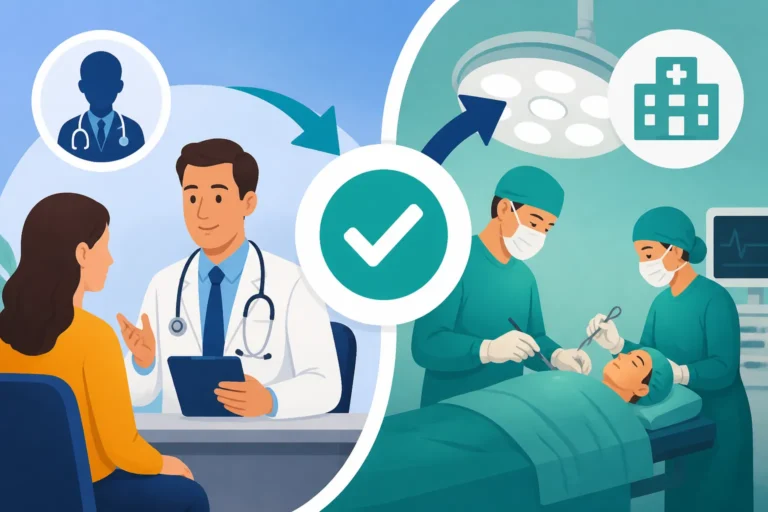
- Find a Doctor or Polyclinic: Your best bet for private care is usually a private polyclinic (poliklinika) or a private practice. These facilities are generally modern, well-equipped, and often have English-speaking staff. Major cities like Zagreb, Split, Rijeka, and Dubrovnik have numerous options. You can use online search, expat groups, or even ask your landlord or fellow nomads for recommendations. For finding an English-speaking GP, you might find our guide on Where Can I Find an English-Speaking GP in Split? helpful.
- Contact Your Insurance Provider First (If Non-Emergency): For non-emergency situations, it's often a good idea to contact your private insurance provider’s assistance line before your appointment. They can often recommend preferred providers, explain your benefits, and advise on the claims process. Some may even have direct billing agreements with certain clinics, meaning you won’t have to pay upfront.
- Pay Upfront and Claim Reimbursement: More often than not, especially for smaller private clinics or initial consultations, you will pay for the service out-of-pocket at the time of your visit. Always ask for a detailed invoice (račun) that clearly outlines the services received and the cost. This is crucial for your reimbursement claim.
- Submit Your Claim: Follow your insurance provider’s instructions for submitting a claim. This usually involves filling out a form, attaching the original invoice, and sometimes a medical report from the doctor. Keep copies of everything for your records. Reimbursement times can vary, so be patient.
Emergency Situations and What to Expect
Emergencies happen, and knowing what to do can save crucial time and reduce panic.
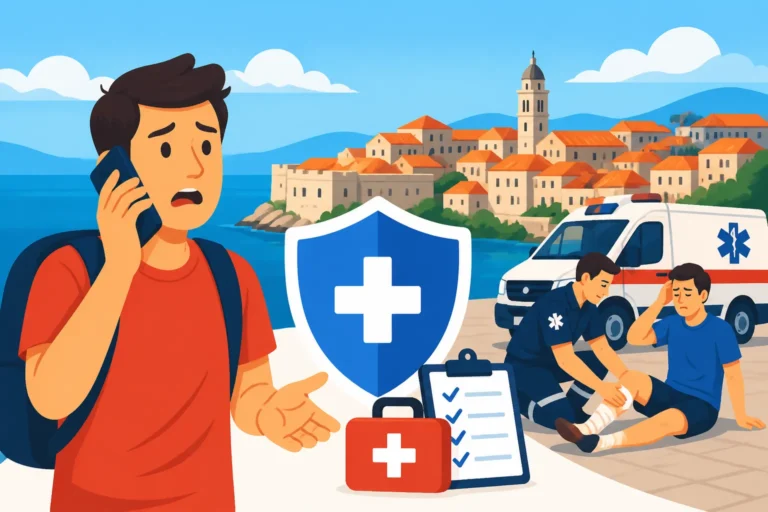
- Call 112: For any life-threatening emergency, immediately call 112. This is the central emergency number in Croatia, connecting you to ambulance, fire, and police services. You will likely be taken to the nearest public hospital (KBC – Clinical Hospital Centre or Opća bolnica – General Hospital). Even if you have private insurance, serious emergencies are initially handled by the public system. Our article on Emergency Medical Care in Croatia: What Every Expat Needs to Know provides a thorough walkthrough.
- Inform Staff of Your Insurance: As soon as feasible, inform the hospital staff that you have private health insurance. Provide them with your policy details.
- Contact Your Insurer: Have a friend or family member contact your private insurance provider’s emergency line. They can help coordinate with the hospital, confirm coverage, and assist with direct billing if possible. Many international providers like SafetyWing have excellent 24/7 emergency support.
- Billing After Emergency Care: Even if treated at a public hospital, you will likely be billed for services. Public hospitals are generally obligated to treat anyone in an emergency, but they will charge for it if you are not covered by HZZO or EHIC (for EU citizens). You will then submit these bills to your private insurance provider for reimbursement. For example, if you need an MRI scan, you can expect to pay upfront, and then seek reimbursement from your private insurer. You can find more details in How Much Does an MRI Scan Cost Privately in Croatia?.
Remember, having private insurance is your responsibility. Take the time to understand your policy and the process for using it effectively in Croatia.
Common Misconceptions and Crucial Advice
Moving to Croatia as a digital nomad comes with a lot of exciting new experiences, but also a fair share of bureaucratic puzzles. Healthcare is undoubtedly one of the trickiest. Let's clear up some common misunderstandings and offer some critical advice to make your life easier.
The OIB and Healthcare
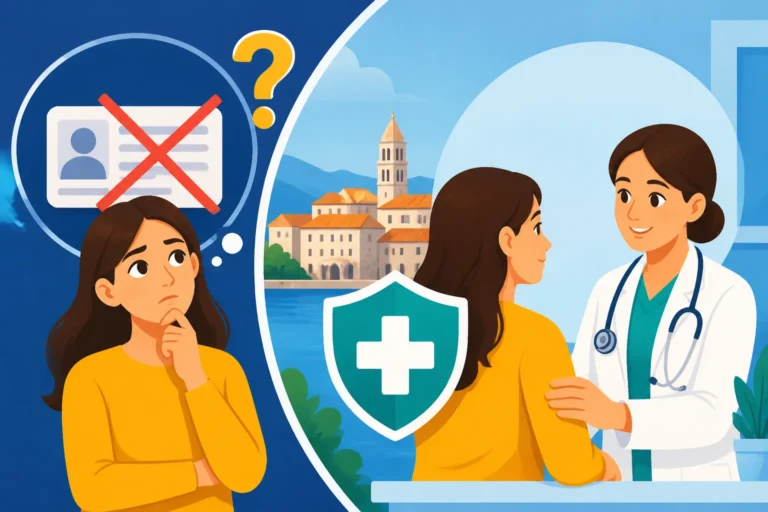
One of the first things you'll acquire when you move to Croatia is your OIB (Osobni identifikacijski broj), your personal identification number. It's like your tax ID and national ID rolled into one, and you need it for just about everything – opening a bank account, signing a lease, and yes, even applying for your residence permit. Naturally, many expats assume that once they have an OIB, they're automatically granted access to public healthcare (HZZO).
This is a widespread misconception. Having an OIB simply identifies you within the Croatian administrative system; it does not, by itself, grant you healthcare coverage. Access to HZZO is based on your legal status (employment, self-employment with contributions, family reunification, etc.), not merely your identification number. While you need an OIB to register with HZZO if you become eligible, getting an OIB alone won't get you a HZZO card. Don't confuse the two; they serve different purposes. You can read more about How to Get Your OIB and Why It Matters for Healthcare Access for a full overview.
Language Barriers
While many Croatians, especially in tourist areas and among younger generations, speak excellent English, don't assume that every doctor or administrative staff member will. In public clinics (Dom Zdravlja) or smaller towns, you might encounter significant language barriers. This can be incredibly stressful when you're feeling unwell and trying to explain complex symptoms.
Here's some advice:
- Learn Basic Phrases: Even a few medical phrases in Croatian can go a long way.
- Use Translation Apps: Have Google Translate or a similar app ready on your phone.
- Bring a Friend: If possible, bring a Croatian-speaking friend or colleague to appointments, especially for initial visits or specialist consultations.
- Seek English-Speaking Clinics: As mentioned, private polyclinics in larger cities are generally your best bet for English-speaking doctors. This is another area where a good private insurance provider like SafetyWing might be able to help you locate suitable facilities.
- Find a GP: Once you settle, actively look for a General Practitioner (Obiteljski Liječnik) who speaks English, particularly if you plan on a longer stay. Even if you're using private insurance, having a regular GP you can communicate with is invaluable. Our guide on The Expat Guide to Finding a Family Doctor (Obiteljski Liječnik) in Croatia is a great resource.
Always Carry Proof of Insurance
This might seem obvious, but it's often overlooked in the hustle and bustle of daily life. Always, always carry physical or easily accessible digital proof of your private health insurance. This means your insurance card (if you have one), policy number, and the emergency contact details for your insurer.
In an emergency, when you might be incapacitated or stressed, having this information readily available for paramedics or hospital staff is critical. It ensures they can quickly understand your coverage and potentially even contact your insurer on your behalf. Don't leave it at home, and don't assume everyone will know who to contact. Be prepared!
Here's a quick comparison of what public and private healthcare generally mean for digital nomads in Croatia:
| Feature | HZZO (Public Healthcare) for Digital Nomads | Private Health Insurance for Digital Nomads |
|---|---|---|
| Eligibility | Generally NOT eligible as a primary insurer for DN visa holders | MANDATORY for digital nomad residence permit |
| Funding | Funded by mandatory social contributions from employers/self-employed | Paid directly by the individual (you!) or sponsoring entity |
| MUP Requirement | Does NOT fulfill the visa insurance requirement (unless specific exceptions) | Explicitly REQUIRED for visa application proof |
| Access to Doctors | Through assigned GP, referrals to specialists (can have wait times) | Direct access to private clinics, specialists (faster appointments) |
| English Speakers | Varies widely, less common in smaller towns/public facilities | Generally readily available in larger cities/private clinics |
| Repatriation Coverage | Not included | Often a mandatory inclusion for visa compliance, check policy |
| Dental/Vision | Basic coverage (Participacija may apply) | Varies greatly by policy; often add-on or higher-tier inclusion |
| Travel Coverage | Limited to Croatia (unless EHIC for EU citizens, but temporary) | Often worldwide or multi-country coverage (check policy) |
| Cost | Low/no direct cost per service for those covered (fees are contributions) | Monthly/annual premiums, varying deductibles/co-pays |
Navigating healthcare as an expat or digital nomad is rarely straightforward, but with the right information and preparation, you can ensure your health is protected while you enjoy your time in Croatia.
Disclaimer
The information provided in this guide is for general informational purposes only and does not constitute medical, legal, or financial advice. While we strive to provide accurate and up-to-date information, healthcare regulations, visa requirements, and insurance policies in Croatia can change. Always consult with official sources, such as the Croatian Ministry of Interior (MUP), HZZO, and qualified insurance or legal professionals, for the most current and personalized advice regarding your specific situation.