Can I Get Treatment in Croatia Without an OIB?
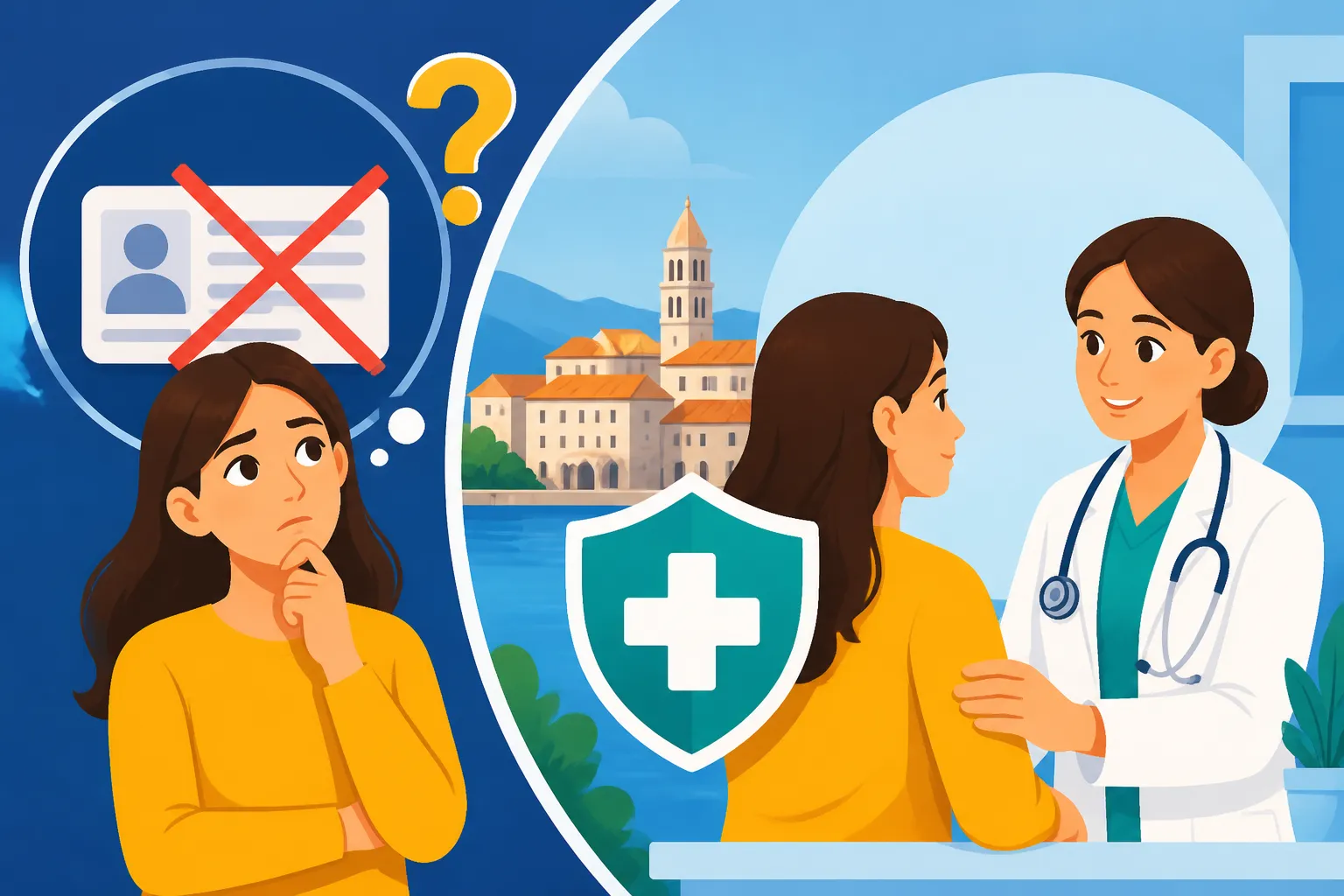
You have just landed in beautiful Croatia, perhaps in the bustling heart of Zagreb or the sun-drenched streets of Split, and suddenly you are faced with a medical issue. Whether it is a persistent fever or a sudden injury, the panic sets in when you realize you do not yet have your OIB (Osobni identifikacijski broj). This guide solves the mystery of accessing care without that 11-digit number, ensuring you get the treatment you need while navigating the local administrative maze.
The OIB Reality Check: Why It Matters for Your Health
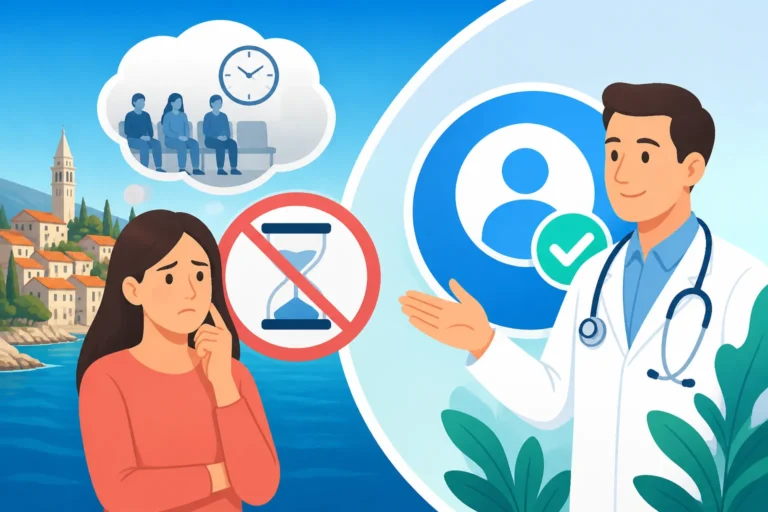
If you have spent more than twenty-four hours in Croatia, you have likely heard the acronym "OIB" more times than you can count. It is the personal identification number that links you to every state service, from opening a bank account to signing a lease. In the context of healthcare, the OIB is the primary key used by the Croatian Health Insurance Fund (HZZO) to track your contributions and coverage. Without it, you essentially do not exist in the public digital infrastructure, which can be incredibly frustrating when you are feeling unwell and just want to see a professional.
However, it is vital to understand that while the OIB is mandatory for the public system, it is not a biological prerequisite for medical care. I remember my first month in Zadar, waiting for the tax office to process my paperwork while nursing a flare-up of chronic back pain. The fear of being turned away at the clinic door was real. But the truth is, the Croatian healthcare system is tiered, and the OIB requirement varies significantly depending on where you go. To understand the broader picture, you should look into How the Croatian Health Insurance Fund (HZZO) Works: A Full Overview to see how that number eventually integrates you into the state-run medical world.
The administrative hurdle of the OIB often acts as a gatekeeper for subsidized care. If you are a new resident, you might still be figuring out What Documents Do I Need to Get an OIB in Croatia? before you can even think about the HZZO. Until that number is in your hand, you are technically a "private patient" or a "tourist" in the eyes of the system. This distinction is the difference between paying a small co-payment (participacija) and paying the full market rate for a consultation or procedure.
Getting Treatment Without an OIB: What Are Your Options
The short answer is yes, you can absolutely get treatment in Croatia without an OIB, but you need to know which door to knock on. The public system (the Dom Zdravlja and KBC hospitals) and the private polyclinics operate under different rules regarding identification. If you are an expat or a digital nomad in those first few weeks of transition, your best bet is often the private sector, where a passport is usually the only identification required to open a file.
Emergency Medical Care
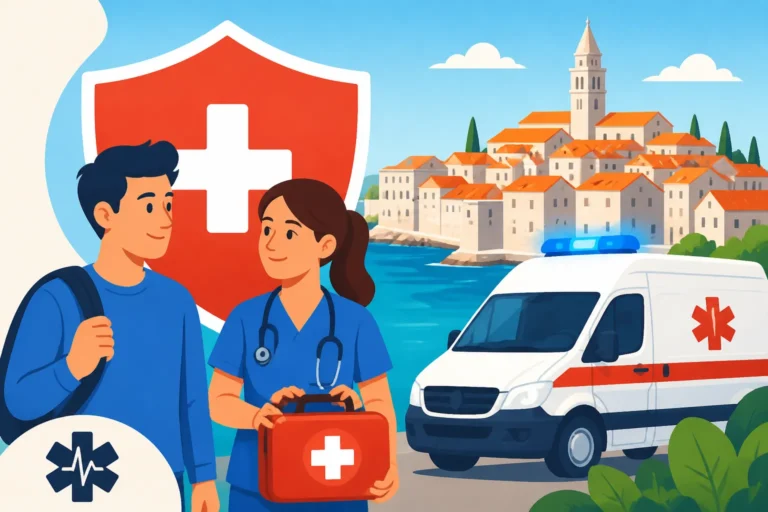
In a life-threatening situation, the Croatian medical staff will never ask for your OIB before saving your life. The emergency rooms, known as "Hitna Pomoć," are duty-bound to stabilize any patient regardless of their administrative status. If you find yourself in a crisis, do not hesitate to call the emergency services. You can find more specific details on how this works in our guide on Emergency Medical Care in Croatia: What Every Expat Needs to Know. It is helpful to memorize the local contact info, so be sure you know What Is the Phone Number for Emergency Services in Croatia? before you actually need it.
Once you are stabilized, however, the hospital will eventually ask for payment or insurance details. If you lack an OIB and HZZO coverage, they will bill you as a private citizen. This is where having a robust travel medical insurance policy, such as SafetyWing, becomes a literal lifesaver. SafetyWing is designed for people who are in-between homes or waiting for local residency permits to be finalized. They can help cover the costs of these emergency visits so that a sudden trip to a KBC hospital does not result in a massive out-of-pocket bill that you have to settle in cash.
Private Polyclinics (Poliklinike)
For non-emergencies, such as a sinus infection, a routine check-up, or a specialist consultation, private polyclinics are your greatest ally. These facilities, known locally as "Poliklinike," function very differently from the public health centers. They are generally much more accustomed to dealing with foreigners and often have English-speaking staff. When you walk into a private clinic like Bagatin or Aviva in Zagreb, they will ask for your passport or national ID card. They do not require an OIB because they are not billing the state insurance fund; they are billing you directly.
Because these clinics operate on a fee-for-service model, the process is streamlined. You can often get an appointment within 24 to 48 hours, which is a stark contrast to the months-long waiting lists in the public sector. For more on this, check out Understanding Private Polyclinics (Poliklinike) in Croatia. While the care is excellent, the costs can add up. It is always wise to compare Public vs Private Healthcare in Croatia: Which Should Expats Choose? to see which route fits your budget and health needs. If you are worried about the price tag, you can research How Much Does a Private Doctor Visit Cost in Zagreb? to get a baseline for your expected expenses.
Pharmacies and Over-the-Counter Needs
If your medical need is minor enough to be handled by a pharmacist, you do not need an OIB to walk into a "Ljekarna" and buy over-the-counter medication. Pharmacists in Croatia are highly trained and can often provide advice for common ailments. However, if you need a prescription (recept), you encounter a hurdle. In the public system, prescriptions are digital and tied to your OIB. Without one, a public doctor cannot issue an "e-Recept."
In this scenario, a private doctor can write you a "white prescription" (bijeli recept). This is a paper prescription that you take to the pharmacy and pay for at the full market price. Even without an OIB, you can still get your medicine, but you will not benefit from the state subsidies that make many medications cost only a few euros. You might want to read about How Do I Get an e-Recept Filled at a Pharmacy in Croatia? to understand how the system changes once you eventually get your OIB and HZZO card.
Navigating the Administrative Maze: From OIB to HZZO
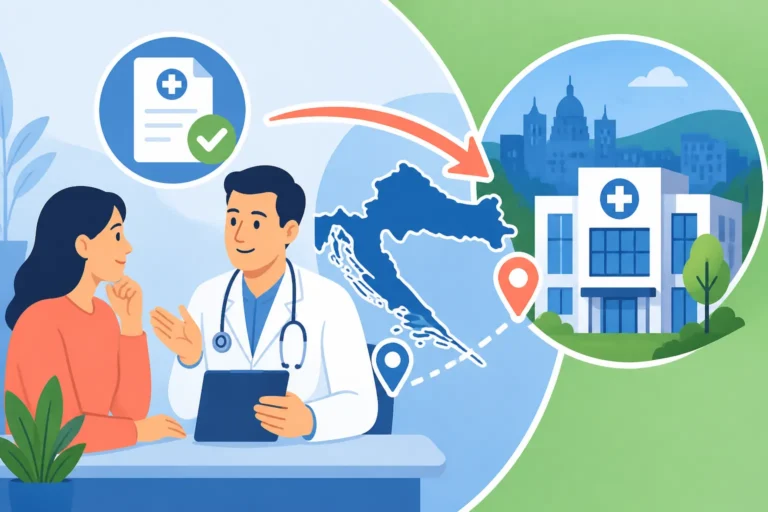
Once you have handled your immediate health concern, your priority should be obtaining that OIB to secure long-term, affordable care. Living in Croatia without an OIB is like trying to run a marathon with your shoelaces tied together—it is possible, but unnecessarily difficult. The OIB is the foundation of your legal residency and your gateway to the HZZO system. You can learn more about the specifics in How to Get an OIB and Why It Matters for Healthcare Access.
The process usually involves visiting the local "Porezna Uprava" (Tax Office) with your passport and a completed application form. In larger cities like Zagreb or Split, they are quite efficient, often issuing the number on the spot or within a few days. Once you have this number, you can register with the police (MUP) for your residence permit, which then allows you to apply for HZZO health insurance. Until that cycle is complete, keeping a policy like SafetyWing active ensures that you are protected against the high costs of private care while the Croatian bureaucracy turns its slow wheels.
It is also worth noting that if you are an EU citizen, your EHIC card can serve as a temporary bridge, allowing you to access the public system for "necessary" care without an OIB. However, even then, the doctors might still ask for a local OIB if they need to refer you for further testing or specialist work. Finding the right primary care provider is a key step in this journey, so take a look at How to Find an English-Speaking Doctor in Croatia once your paperwork is in order.
| Type of Facility | OIB Required? | Best For | Payment Method |
|---|---|---|---|
| Emergency (Hitna) | No (for urgent care) | Life-threatening issues | HZZO or Cash/Private Insurance |
| Private Polyclinic | No | Specialists, fast check-ups | Cash, Card, SafetyWing Reimbursement |
| Public Health Center | Yes (usually) | Routine care, subsidized meds | HZZO Insurance |
| Pharmacy (OTC) | No | Cold meds, basic first aid | Cash or Card |
| Pharmacy (Prescription) | Yes (for e-Recept) | Chronic meds, antibiotics | HZZO or Full Price (Paper Recept) |
Bridging the Gap with Private Insurance
While you are in the "no OIB" zone, the biggest risk is financial. While a consultation at a private clinic might only cost 50 to 80 euros, a more serious issue requiring diagnostic imaging or minor surgery can quickly escalate into the thousands. This is why veteran expats always recommend having a transitional insurance plan. SafetyWing is particularly popular in the Croatian nomad and expat community because it is flexible; you can start it even if you have already left your home country, and it covers you globally.
I have seen many newcomers make the mistake of assuming their "residency application" counts as insurance. It does not. Until you have that HZZO card in your wallet, you are responsible for 100% of your medical costs in the eyes of the Croatian state. Using SafetyWing as a safety net allows you to focus on your recovery rather than the administrative headache of a foreign tax office. Once you finally receive your OIB and register for HZZO, you can decide whether to keep your private coverage for extra peace of mind or transition fully into the local system.
The Croatian medical system is surprisingly high-quality once you understand how to navigate it. The doctors are skilled, and the facilities in major cities are modern. The OIB is simply a piece of the puzzle—a very important piece, but not one that stands between you and essential medical attention. By leveraging private clinics and maintaining a backup insurance plan, you can navigate your first few months in Croatia with confidence, knowing that your health is protected even before the bureaucracy catches up with you.
Disclaimer
The information provided in this guide is for informational purposes only and does not constitute legal or medical advice. Healthcare regulations and OIB requirements in Croatia can change. Always consult with the official Croatian Tax Administration (Porezna Uprava) or the Croatian Health Insurance Fund (HZZO) for the most current administrative requirements. If you are experiencing a medical emergency, please call 112 or visit the nearest emergency room immediately.