How Do I Get an EU Health Card While Living in Croatia?
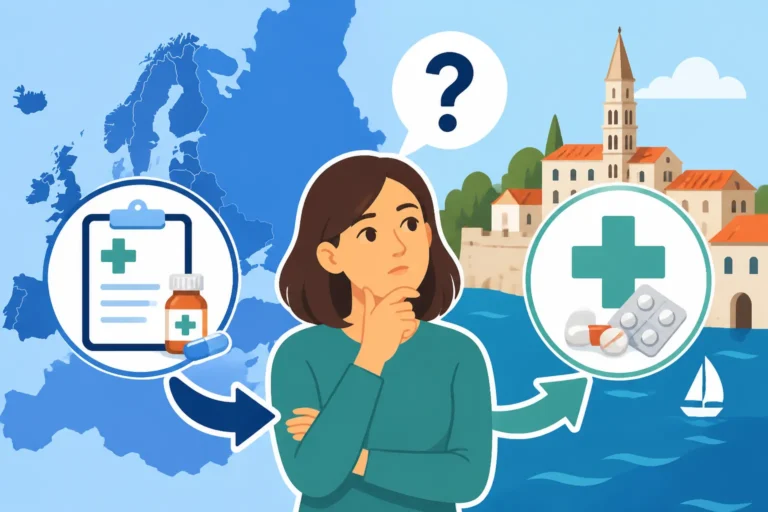
You have finally navigated the labyrinth of Croatian residency, secured your OIB, and perhaps even survived the queue at MUP to get your biometric card. But a new problem often arises: what happens when you decide to take a weekend trip to Slovenia or head back to your home country in the EU for a visit? Many expats mistakenly believe their standard HZZO card provides full protection abroad, only to realize too late that they need the EKZO. This guide solves that confusion by walking you through the exact process of obtaining your European Health Insurance Card (EHIC) while living in Croatia, ensuring you stay protected across borders.
What is the EKZO Card and Why Do You Need It
If you are living in Croatia, you have likely become well-acquainted with the term HZZO (Hrvatski zavod za zdravstveno osiguranje). While your standard health insurance card is your golden ticket to the Croatian healthcare system, it doesn't carry the same weight once you cross the border into another EU member state. This is where the EKZO comes in. EKZO stands for Europska kartica zdravstvenog osiguranja, and it is the Croatian version of the European Health Insurance Card. For those of us who have moved here from outside the EU, or even for EU citizens who have officially transferred their residency, this card is a vital piece of the administrative puzzle.
Understanding the European Health Insurance Card in the Croatian Context
The EKZO card is a free card that gives you access to medically necessary, state-provided healthcare during a temporary stay in any of the 27 EU countries, plus Iceland, Liechtenstein, Norway, and Switzerland. It is important to understand that the card is issued by the country where you are currently insured. Once you are a resident in Croatia and paying your contributions here, you are no longer covered by your previous country’s health scheme. You are now a part of the Croatian system, and therefore, HZZO is the body responsible for your coverage throughout Europe.
When I first moved to Zagreb, I assumed my old card from my previous home would suffice, but the reality is that the moment you register for residency and start your How the Croatian Health Insurance Fund (HZZO) Works: A Full Overview process, your previous coverage essentially becomes void for long-term use. The EKZO ensures that you are treated under the same conditions and at the same cost (which is sometimes free) as people insured in the country you are visiting. It is not an alternative to travel insurance, but it is a mandatory foundation for any expat living in Croatia who plans to travel within the Schengen area or the wider EU.
The Benefits of Having an EKZO for Expats Traveling from Croatia
The primary benefit of the EKZO is the peace of mind it provides during those spontaneous road trips to the Dalmatian coast that might clip through Bosnia (though coverage there is different) or when visiting neighbors like Hungary or Italy. If you find yourself in need of urgent medical attention—say, a sudden case of appendicitis or a broken bone while skiing in Austria—the EKZO tells the local public hospital that the Croatian state will foot the bill for your emergency care. This prevents you from being handed a massive bill that you have to pay out of pocket and then fight to get reimbursed later.
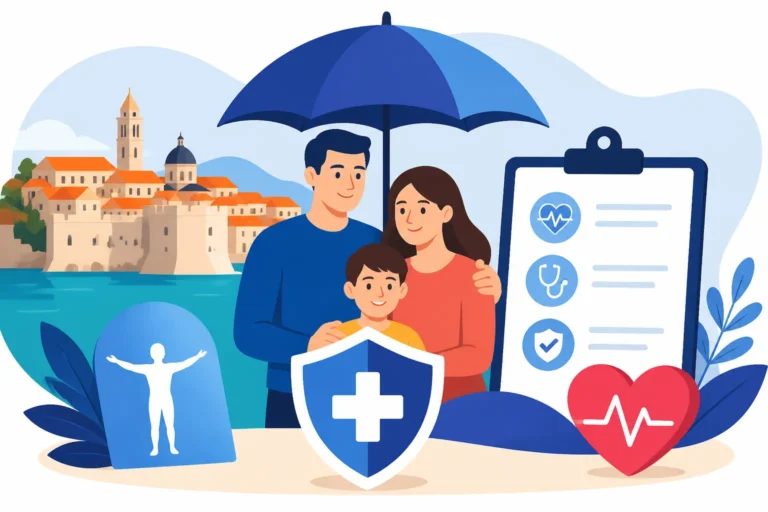
However, you must be realistic about what this "public" coverage entails. In many EU countries, the public system still requires a co-payment, just as it does here in Croatia. While the EKZO is fantastic for emergencies, it won't cover things like mountain rescue, repatriation to Croatia, or lost luggage. For these more complex needs, many of my fellow expats combine their EKZO with a dedicated plan from SafetyWing to ensure they aren't left stranded. SafetyWing offers the kind of comprehensive bridge that public cards simply cannot provide, especially when it comes to non-medical travel mishaps. Understanding Public vs Private Healthcare in Croatia: Which Should Expats Choose? will help you see where these gaps usually appear for residents.
Eligibility and Requirements for the Croatian EKZO
Before you rush off to the nearest HZZO office, you need to make sure you actually qualify for the card. The EKZO is not something given to everyone the moment they step off the plane. It is tethered strictly to your status as an insured person within the Croatian national health fund. This means you must have completed your initial registration and have an active status in the HZZO database. If you are still waiting for your first biometric residency card or if your employer hasn't yet processed your paperwork, you might find yourself in a bit of a waiting game.
Who Can Apply for an EKZO through HZZO
Generally, anyone who has regulated mandatory health insurance in Croatia can apply for the EKZO. This includes employees of Croatian companies, self-employed individuals running an obrt, and family members who are insured through a primary provider. It also includes EU citizens who have moved their "center of life" to Croatia and have gone through the process of Registering with HZZO in Croatia: The Complete Expat Guide (2027). If you are paying your monthly contributions—either through your salary or as a direct payment for those on certain residency permits—you are eligible.
There is a specific group that often gets confused: Digital Nomads. If you are in the country on a Digital Nomad permit, your healthcare situation is a bit unique. Usually, nomads are required to have private insurance to get their permit in the first place. Because they aren't typically paying into the HZZO system, they are not eligible for a Croatian EKZO. If you fall into this category, you should check Can I Use Public Healthcare in Croatia on a Digital Nomad Visa? to understand your limitations. For nomads, a provider like SafetyWing is often the primary source of coverage rather than a supplement to the EKZO, as it provides the global flexibility that the HZZO system lacks for temporary residents.
Essential Documents and Information You'll Need
The beauty of the Croatian EKZO application is that, unlike many other administrative tasks in this country, it doesn't require a massive "folder of doom." Because the system is digital, HZZO already has most of your information if you are properly registered. However, you should always have your OIB (Personal Identification Number) ready. This 11-digit number is the key to everything in Croatia. If you haven't secured yours yet, you should prioritize How to Get Your OIB and Why It Matters for Healthcare Access before even thinking about the EKZO.
In addition to your OIB, you will need your standard HZZO health card (the little white and blue one) or at least your health insurance number. If you are applying in person, bring your passport or your Croatian biometric residence card (boravišna iskaznica). The "teta" (the lady at the counter) will use these to verify your identity. If you are applying for your children, you will need their OIBs as well. It is a straightforward list, but in Croatia, missing even one document can mean another trip to the office, so double-check that your insurance status is currently "active" before you make the journey.
| Feature | EKZO (EHIC) from HZZO | Private Travel Insurance (e.g., SafetyWing) |
|---|---|---|
| Cost | Free for insured residents | Monthly subscription fee |
| Coverage Area | EU, EEA, and Switzerland | Worldwide (including/excluding US) |
| Emergency Care | Included (public hospitals only) | Included (public and private) |
| Repatriation | Not covered | Included |
| Search & Rescue | Not covered | Included |
| Non-Medical Coverage | None (no theft, delays, etc.) | Travel delays, lost luggage, etc. |
| Validity Period | Typically 3 years | Flexible (daily or monthly) |
Step-by-Step Guide to Applying for Your EKZO Card
Now that you know you're eligible, let's talk about the actual "how." There are three main ways to get your hands on this card, ranging from the modern digital approach to the classic, face-to-face Croatian bureaucratic experience. Depending on where you live and how much you enjoy standing in line, one of these will definitely suit you better than the others.
Applying via the HZZO Web Portal or Automated Machines
If you want to feel like you’re living in the future, Croatia has actually implemented some very efficient digital systems for health insurance. The first and easiest way to apply is through the web portal. However, this usually requires you to have access to the e-Građani system with a high-level credential (like a bank token or a mID). By using the portal, you can request the card and have it mailed to your registered address. I highly recommend taking the time to learn Understanding the gov.hr and e-Građani Digital Services as it will save you dozens of hours of frustration during your life in Croatia.
Another "secret" shortcut is the red HZZO kiosks. These are automated machines located in many of the larger HZZO offices in cities like Zagreb, Split, Rijeka, and Osijek. You simply walk up to the machine, insert your standard Croatian health card, and follow the on-screen prompts (which are available in English). In many cases, if the machine has the right stock, it can print a temporary certificate on the spot or trigger the mailing of your permanent plastic card. This is by far the most satisfying way to handle the process—no small talk, no "fali ti jedan papir," just a few clicks and you're done.
The In-Person Application Process at HZZO Offices
For those who don't have e-Građani or live near a kiosk, the traditional route is the way to go. You will need to visit your local HZZO office, which is often located within a Dom Zdravlja (Health Centre) or a dedicated regional administrative building. In Zagreb, the main hub is often at Jukićeva 12, but there are smaller branch offices spread throughout the city. If you aren't sure where to go, Understanding the Role of the Dom Zdravlja (Health Centre) in Croatia can give you a better idea of how these local hubs function.
When you arrive, you’ll usually need to take a number from a ticket machine (look for the button that says Osiguranje or EKZO). When your number is called, tell the clerk: "Molim vas, želio bih dobiti EKZO karticu" (I would like to get an EKZO card). They will check your OIB, verify your insurance status, and have you sign a simple form. The card is usually not printed right there; it will be sent to your home address via the Croatian post within 8 to 14 days. Make sure the address HZZO has on file is your current one, as the postman will not leave it if the names on the mailbox don't match. This is a common pitfall for expats, so ensure your Registering Your Residence in Croatia: The Complete MUP Guide paperwork is fully up to date first.
Practical Tips for Using Your EKZO and Understanding Its Limits
Getting the card is only half the battle; knowing how to use it—and knowing when it won't help you—is what saves you from financial disaster. I have seen many expats head off to a weekend in the Alps thinking they are bulletproof because they have that little plastic EKZO card in their wallet. While it is an essential tool, it has very specific boundaries that you need to respect.
What the EKZO Does and Doesn't Cover
The most important thing to remember is that the EKZO is for "necessary" care. This doesn't mean you can travel to Germany to get a knee surgery you've been putting off. It means if you get sick or have an accident while you are already there, you get the same treatment as a local. It covers things like emergency room visits, urgent prescriptions, and sometimes even chronic condition management (like dialysis) if you arrange it beforehand. However, it only works at providers that are part of the state healthcare system. If you wander into a shiny private clinic in Paris, they will likely refuse the card and ask for your credit card instead.
This is why I always tell people that the EKZO is the "bare minimum." It is great for a flu or a minor injury, but for anything significant, you’ll want more. For instance, if you are a fan of extreme sports or even just hiking in the mountains, the EKZO does not cover the cost of being airlifted off a mountain. A dedicated travel insurance plan like SafetyWing is designed specifically for these scenarios. It fills the gap between "I'm at a state hospital" and "I need to be flown home because of a major emergency." When you are Navigating the Croatian Healthcare System: An Expat's Roadmap (2027), you'll quickly realize that having both public and private options is the only way to be truly secure.
Why Supplementary Coverage is Still Important for Travel
In Croatia, we have a concept called Dopunsko insurance, which covers the co-payments in the local system. When you travel abroad with your EKZO, you are essentially stepping into another country’s system without their version of Dopunsko. This means you might still be liable for 20% or 30% of a very expensive hospital bill. Furthermore, the EKZO offers zero protection if you need to be evacuated back to Croatia for long-term recovery.
For those of us who live a mobile lifestyle, perhaps working from Split one month and Berlin the next, having a global plan is a necessity. SafetyWing's Nomad Insurance is particularly popular in the expat community here because it treats you like a global citizen rather than a tourist. It works alongside your EKZO, providing the "bells and whistles" like coverage for stolen tech or travel delays that HZZO simply isn't designed to handle. If you're curious about the difference between these types of coverage, reading Understanding Private Health Insurance Plans in Croatia will clarify why a mix of both is the gold standard for most long-term foreigners.
Finally, always check the expiration date on your EKZO. They are typically valid for three years. If you lose your card while abroad, you can contact HZZO to request a "Provisional Replacement Certificate," which can be faxed or emailed to the hospital you are at. It’s a bit of a headache to do while you’re ill, so keeping a photo of your card on your phone is a veteran expat move that I highly recommend. Staying informed through resources like The Complete Guide to Healthcare in Croatia for Expats (2027) will keep you one step ahead of the bureaucracy and ready for your next European adventure.
Disclaimer
This guide is provided for informational purposes only and does not constitute legal or professional medical advice. Healthcare regulations and HZZO policies in Croatia are subject to change. While we strive to keep this information up to date, you should always verify requirements with the official HZZO website or visit an administrative office in person before making travel arrangements. Decisions regarding insurance coverage should be made based on your individual needs and in consultation with qualified insurance providers.