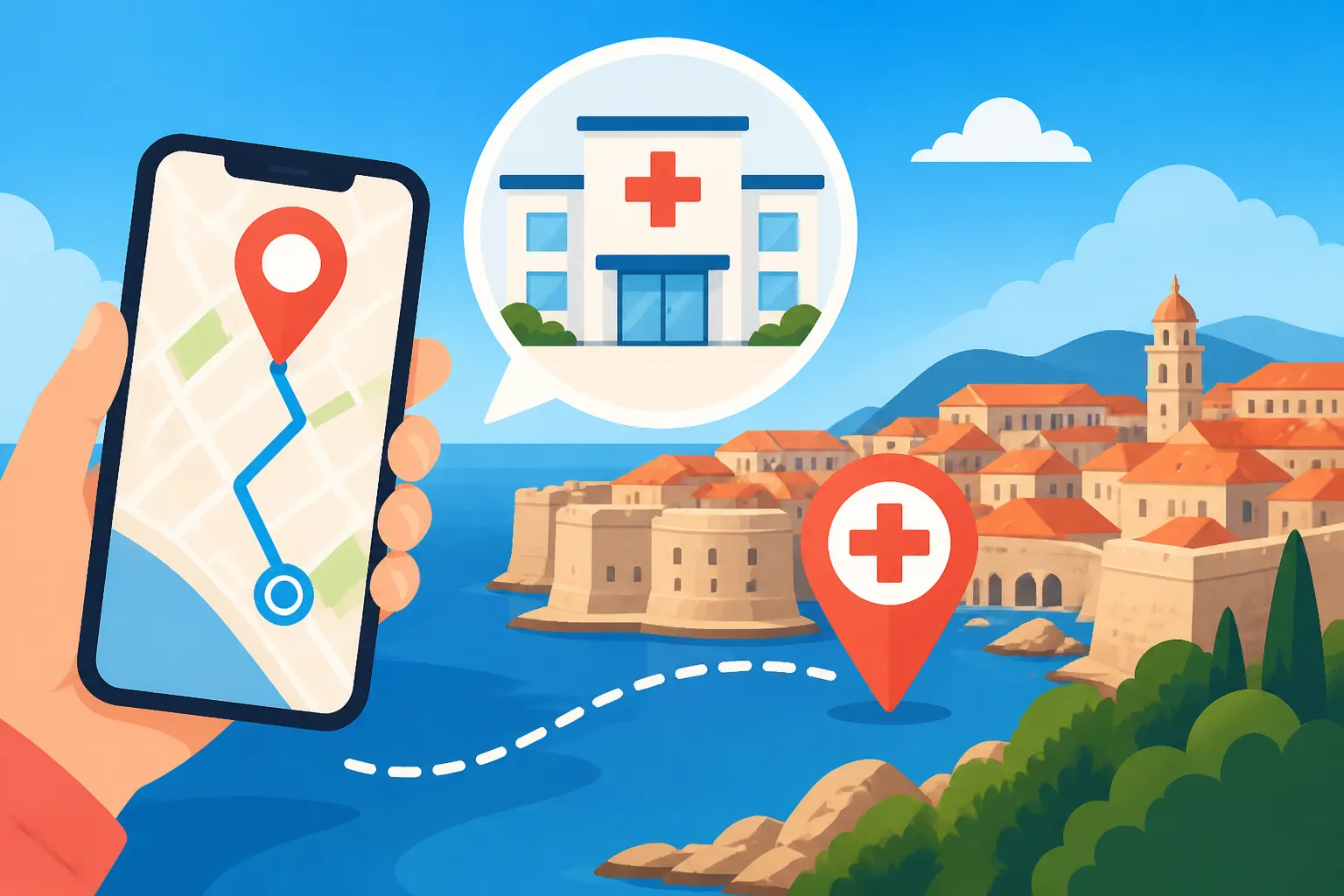
Where Is the Nearest Dom Zdravlja in Dubrovnik?
The sudden onset of a cough, a sprained ankle from exploring the Old Town cobblestones, or just needing a quick consultation can turn a wonderful Croatian adventure into a stressful ordeal if you don't know where to turn. This guide is here to unravel the mystery of the "Dom Zdravlja" in Dubrovnik, helping you navigate Croatia's primary healthcare system and locate your nearest health center with confidence.
Understanding Dom Zdravlja: Your First Stop for Healthcare in Dubrovnik
When you're new to Croatia, or even just visiting, the healthcare system can feel like a labyrinth. One term you'll hear often, and one that is crucial to understand, is "Dom Zdravlja." This isn't just a clinic; it's the backbone of primary healthcare here, and knowing how to use it can save you a lot of hassle and worry.
What Exactly is a Dom Zdravlja and Why it Matters
Think of a Dom Zdravlja (literally "House of Health") as a community health center. It's where you'll find your obiteljski liječnik (family doctor or GP) if you're a resident, but it also serves as a crucial point of contact for anyone needing primary medical attention, including tourists and expats. These centers are designed to handle a wide array of non-emergency medical issues. You'll typically find general practitioners, pediatricians, gynecologists, and sometimes even dental services or basic diagnostics like blood tests and ECGs all under one roof. It’s the place for routine check-ups, getting a prescription renewed, or seeking advice for common illnesses that don't require urgent hospital intervention. The idea is to keep less severe cases out of the hospitals, allowing them to focus on true emergencies.
For expats who have navigated the often-complex process of The Complete Guide to Healthcare in Croatia for Expats (2027), the Dom Zdravlja becomes your medical home. It's where you register your GP and start building your medical history within the Croatian system. If you're pondering Public vs Private Healthcare in Croatia: Which Should Expats Choose?, remember that the Dom Zdravlja is firmly on the public side, offering essential services covered by the Croatian Health Insurance Fund (HZZO).
When to Visit a Dom Zdravlja vs. an Emergency Room
This distinction is absolutely vital, and misunderstanding it can lead to unnecessary costs and wasted time. A Dom Zdravlja is for non-life-threatening conditions. This includes things like:
- Common colds, flu symptoms, sore throats
- Minor cuts or bruises that might need a dressing but aren't gushing blood
- Allergic reactions without severe breathing difficulties
- Ear infections, urinary tract infections
- Fever that isn't dangerously high or accompanied by alarming symptoms
- Prescription refills or general medical advice
The emergency room (Hitna Pomoć), located within hospitals like Opća bolnica Dubrovnik, is strictly for true emergencies where immediate medical intervention could be life-saving. We're talking about things like:
- Severe chest pain (suspected heart attack)
- Stroke symptoms (sudden weakness, difficulty speaking)
- Major trauma (car accidents, severe falls)
- Unconsciousness
- Serious bleeding
- Broken bones where the bone is visible or the limb is severely deformed
- Difficulty breathing or choking
If you show up at an emergency room with a common cold, you’ll likely face a very long wait and be redirected to a Dom Zdravlja or be charged a higher fee, as it's considered an inappropriate use of emergency services. Understanding Emergency Medical Care in Croatia: What Every Expat Needs to Know is crucial for all foreigners here.
How Croatian Health Insurance Fund (HZZO) Works for Tourists and Expats
Navigating health insurance in Croatia can be a headache for newcomers. For those with a residence permit, the goal is often to get integrated into the national system through HZZO. If you're already registered with HZZO, services at a Dom Zdravlja are largely covered, usually requiring only a small co-payment (participacija). You can learn more about Registering with HZZO in Croatia: The Complete Expat Guide (2027).
However, if you're a tourist, a digital nomad, or an expat awaiting HZZO registration, the situation is different:
- EU/EEA Citizens: If you have a valid European Health Insurance Card (EHIC), you are entitled to medically necessary state-provided healthcare during your temporary stay on the same terms as Croatian nationals. This means you’ll generally be covered at a Dom Zdravlja, often only paying the participacija fee. It's wise to understand How to Use Your EHIC (EKZO) Card in Croatia as an EU Citizen before you need it.
- Non-EU Citizens/Tourists: You will likely need to pay for services out-of-pocket, or rely on your private travel insurance. It is absolutely essential to have travel health insurance if you are not covered by HZZO or EHIC. This is where providers like SafetyWing can be incredibly helpful. SafetyWing offers flexible and affordable travel medical insurance specifically designed for digital nomads and long-term travelers, covering you for unexpected illness or injury. Having a plan from SafetyWing ensures you won't be hit with exorbitant bills for what might be a minor issue requiring a Dom Zdravlja visit. Even if you're waiting on your HZZO coverage, a temporary policy from SafetyWing can provide a critical safety net.
- Digital Nomads: While Croatia offers a How to Get a Croatian Digital Nomad Permit: The Full Guide (2027), you are typically required to have private health insurance for the duration of your permit. This is where options like SafetyWing shine. They are often a popular choice for digital nomads due to their global coverage and suitability for those living an international lifestyle. While you can't use public healthcare for free without HZZO, a good private plan like SafetyWing will cover your visits to a Dom Zdravlja or even private polyclinics.
Always carry your insurance details – whether it’s your HZZO card, EHIC, or private insurance policy from SafetyWing – whenever you seek medical care.
Locating Your Nearest Dom Zdravlja in Dubrovnik
Dubrovnik might be small, but knowing exactly where to go when you're feeling under the weather can be tricky. Fortunately, the main Dom Zdravlja is quite central and well-known.
The Main Dom Zdravlja in Dubrovnik
The primary and largest Dom Zdravlja in Dubrovnik is located at:
Dr. Ante Starčevića 1, 20000, Dubrovnik
This facility is comprehensive, offering a wide range of services. Here’s what you can generally expect to find there:
- General Practitioners (Obiteljski Liječnik): These are the doctors for everyday health concerns. If you're an expat, this is where you'd register with your chosen GP.
- Pediatricians (Pedijatar): Doctors specializing in children's health.
- Gynecologists (Ginekolog): Women's health specialists.
- Dental Services (Zubar): Basic dental care is often available, though you might need a separate registration for a dentist. You might be interested in Understanding Dental Care Coverage Under HZZO in Croatia.
- Laboratory Services: For blood tests, urine tests, etc.
- Diagnostic Services: May include basic X-rays or ECGs, but for more advanced imaging like an MRI, you'd typically need a referral to the main hospital.
- Vaccination Clinic: For routine vaccinations, including for children. Understanding Vaccination Schedules and Requirements in Croatia is a good resource here.
Contact Information:
It’s always a good idea to try and call ahead, especially if you have complex questions or want to confirm opening hours, which can vary. While English might be spoken by some staff, it's not guaranteed.
- General Information: +385 20 641 600
Other Health Centres and Polyclinics
While the facility at Dr. Ante Starčevića 1 is the main Dom Zdravlja, Dubrovnik also has other smaller health clinics and private polyclinics that can provide medical services. These are not always branded as "Dom Zdravlja" but fulfill similar primary care functions or offer specialized services.
- Dom Zdravlja Gruda (Konavle): For those living in the broader Dubrovnik-Neretva County, particularly south towards Montenegro, there are smaller health centers like the one in Gruda (Konavle municipality). This serves the more rural population.
- Private Polyclinics: Dubrovnik has several private polyclinics, such as Poliklinika Glavić or Poliklinika Marin Med. These private facilities often cater more directly to tourists and expats, offering faster appointments, English-speaking staff, and a wider range of specialist consultations without needing a referral from a GP. While these aren't "Dom Zdravlja," they are excellent alternatives if you have private insurance (like SafetyWing) or are willing to pay out-of-pocket for quicker service and more convenient communication. You can explore Understanding Private Polyclinics (Poliklinike) in Croatia for more details.
Navigating Dubrovnik: Transport and Accessibility
Getting to the main Dom Zdravlja at Dr. Ante Starčevića 1 is relatively straightforward.
- Public Transport: Dubrovnik's public bus system (Libertas Dubrovnik) is efficient. Several bus lines stop near the Dom Zdravlja. You can check the Libertas website or use Google Maps for the most up-to-date bus routes and schedules from your location. The area is generally referred to as "Autobusni Kolodvor" (Main Bus Station) or "Gruž" which is a major transport hub.
- Taxi/Ride-sharing: Taxis are readily available throughout Dubrovnik. Apps like Bolt or Uber also operate in the city, providing a convenient way to get directly to the health center. This is often the best option if you're feeling unwell and want to minimize stress.
- Parking: If you're driving, there is often parking available around the Dom Zdravlja, though it can be busy. Look for designated public parking areas, which usually require payment.
Remember, if you are experiencing a medical emergency, do not attempt to drive yourself or rely on public transport. Call the emergency number 112 immediately.
What to Expect When You Arrive at a Dom Zdravlja
Walking into a new medical system in a foreign country can be intimidating. Here’s a rundown of what your experience at a Dubrovnik Dom Zdravlja might look like.
Registration and Required Documents
When you first arrive, you’ll typically need to go to the main reception (informacije or prijem) to register. The documents required will depend on your status:
- For Residents with HZZO: You'll need your OIB (Personal Identification Number) and your HZZO health insurance card (zdravstvena iskaznica). If you’re just starting your expat journey, getting How to Get Your OIB and Why It Matters for Healthcare Access is one of your first steps.
- For EU/EEA Citizens (with EHIC): Present your EHIC card and your passport or national ID.
- For Non-EU Citizens/Tourists (without HZZO): You will need your passport and proof of private travel insurance. This is where your SafetyWing policy documents would come in handy. Be prepared to pay upfront for the services.
It's a good practice to have photocopies or digital images of these documents on your phone, just in case. They will likely ask for your date of birth, address in Croatia (if applicable), and possibly a Croatian phone number.
The Patient Journey: From Check-in to Consultation
Once registered, the process usually goes like this:
- Waiting Area: You’ll be directed to a waiting area, often outside the specific doctor’s office you need to see. Waiting times can vary significantly depending on the time of day, day of the week, and the number of patients. Early mornings are often busiest.
- Calling Your Name: Doctors or nurses will call patients by name (or sometimes a number you've been given). Listen carefully, as names can sound different to a non-native speaker.
- Consultation: You'll be ushered into the doctor's office. Be ready to explain your symptoms clearly. If you don't speak Croatian, try to have a translation app ready or, ideally, bring a Croatian-speaking friend. Some doctors might speak basic English, but it's not guaranteed. You might consider looking for How to Find an English-Speaking Doctor in Croatia if language is a major concern.
- Prescriptions and Referrals: If needed, the doctor will provide a prescription (e-recept) or a referral (e-uputnica) for specialist care or further diagnostics. For more on this, check out How e-Uputnica (E-Referrals) Work for Specialist Appointments in Croatia and Understanding the e-Recept (E-Prescription) System in Croatia.
Understanding Co-payments (Participacija) and Costs
The concept of participacija (co-payment) is important in the Croatian public health system. Even with HZZO insurance, you are generally required to pay a small portion of the cost of medical services. This usually ranges from a few euros for a GP visit to slightly more for specialist consultations or diagnostic tests. Understanding Participacija (Co-Payments) in the Croatian Health System explains this in detail.
For those without HZZO coverage (e.g., tourists, digital nomads using private insurance like SafetyWing), you will be charged the full price for services. The costs for a basic GP consultation at a Dom Zdravlja are generally much lower than private clinics or emergency rooms. Expect to pay anywhere from €20-€50 for a standard consultation, though prices can vary. If you have private insurance, like SafetyWing, you would typically pay upfront and then submit your receipt for reimbursement according to your policy terms. Always ask for an itemized receipt (račun) for your records and for insurance claims.
Alternative and Emergency Options in Dubrovnik
While the Dom Zdravlja is your primary point of contact for routine issues, it's wise to be aware of other options for different scenarios.
Private Polyclinics for Quicker Access
For those who prioritize speed, convenience, and guaranteed English-speaking staff, private polyclinics are an excellent alternative, especially if you have comprehensive private health insurance. As mentioned, Poliklinika Glavić and Poliklinika Marin Med are prominent private options in Dubrovnik. They offer:
- Faster Appointments: Often same-day or next-day appointments.
- English-Speaking Staff: Most private clinics employ staff and doctors who are fluent in English.
- Specialist Consultations: You can often book directly with specialists (e.g., dermatologists, orthopedists) without a GP referral, though it will cost more.
- Advanced Diagnostics: They often have state-of-the-art equipment for various tests and imaging.
The downside is the cost, which is significantly higher than public healthcare. A specialist consultation could range from €50-€100 or more. If you're covered by an international plan like SafetyWing, check your policy regarding coverage for private clinics. Many plans offer good reimbursement for these services. For a deeper dive into these options, read Understanding Private Polyclinics (Poliklinike) in Croatia.
Emergency Medical Services (Hitna Pomoć)
It bears repeating: for life-threatening emergencies, bypass the Dom Zdravlja and go straight to the nearest emergency department or call 112 (the European emergency number, which works throughout Croatia).
The main emergency department in Dubrovnik is located at the Opća bolnica Dubrovnik (General Hospital Dubrovnik).
Address: Roka Mišetića 2, 20000, Dubrovnik.
When you call 112, you will be connected to an operator who can dispatch an ambulance, police, or firefighters. They usually have English-speaking operators. Clearly state your location and the nature of the emergency. Don't worry about insurance or payment in a critical situation; medical staff will stabilize you first. Financial matters can be sorted out later. If you have insurance from SafetyWing, make sure to inform them as soon as reasonably possible after the emergency, so they can guide you through the claims process.
Here's a quick comparison of the three main avenues for medical care in Dubrovnik:
| Feature | Dom Zdravlja (Public Health Centre) | Private Polyclinic (e.g., Marin Med, Glavić) | Emergency Room (Opća bolnica Dubrovnik) |
|---|---|---|---|
| Best For | Non-urgent illnesses, routine care, prescription refills | Quicker access to specialists, convenience, diagnostics | Life-threatening conditions, severe injuries |
| Cost (without HZZO) | Moderate (pay full price, usually €20-€50 for GP visit) | High (full price, €50-€150+ for consultations) | Very High (can be hundreds or thousands of euros) |
| Insurance Coverage | HZZO, EHIC (EU citizens), Private Travel Insurance (e.g. SafetyWing) with reimbursement | Private Travel Insurance (e.g. SafetyWing) with reimbursement, Out-of-pocket | HZZO, EHIC, Private Travel Insurance (critical for non-EU) |
| Waiting Times | Can be long (hours) | Short (often same/next day appointments) | Variable (long for non-emergencies, immediate for critical) |
| Language Support | Variable (Croatian primary, some English) | Generally good English | Variable (some English, but focus is on care) |
| Referrals Needed? | Yes, for specialists (e-uputnica) | No, can book direct (for a fee) | No, direct access for emergencies |
| Typical Services | GPs, pediatricians, dentists, basic lab/diagnostics | Specialists, diagnostics, aesthetic medicine, more | Trauma care, surgeries, intensive care, immediate diagnostics |
Understanding these options means you'll be much better prepared for any medical situation that arises in Dubrovnik. Don't let the fear of the unknown deter you from seeking help. Croatia has a capable healthcare system, and with the right information, you'll navigate it like a pro.
Disclaimer
The information provided in this guide is for general informational purposes only and does not constitute medical or legal advice. While we strive to keep the information up-to-date and accurate, healthcare regulations, policies, and prices in Croatia can change. Always consult with a qualified healthcare professional or legal expert for advice tailored to your specific situation. We recommend verifying details with official sources such as the Croatian Health Insurance Fund (HZZO), the Ministry of Health, or your insurance provider (e.g., SafetyWing) for the most current information.