Are Prescription Medications Expensive in Croatia?
One of the biggest worries for any expat moving to a new country is how healthcare, and especially medication, will work. You're probably wondering, "Are prescription medications expensive in Croatia?" It's a valid concern, and navigating the Croatian healthcare system, particularly the pharmacy aspect, can feel like a maze at first. This guide will break down the costs, coverage, and how to keep your wallet happy while staying healthy in Croatia.
Understanding the Croatian Pharmacy System (Ljekarne)
Let's start with the basics. In Croatia, pharmacies are called ljekarne, and you'll find them pretty much everywhere, from bustling city centers like Zagreb and Split to smaller towns and islands. They’re generally well-stocked, and the pharmacists are often incredibly helpful, many speaking at least some English, which is a huge relief when you're trying to explain symptoms or understand medication instructions.
How Prescriptions Work
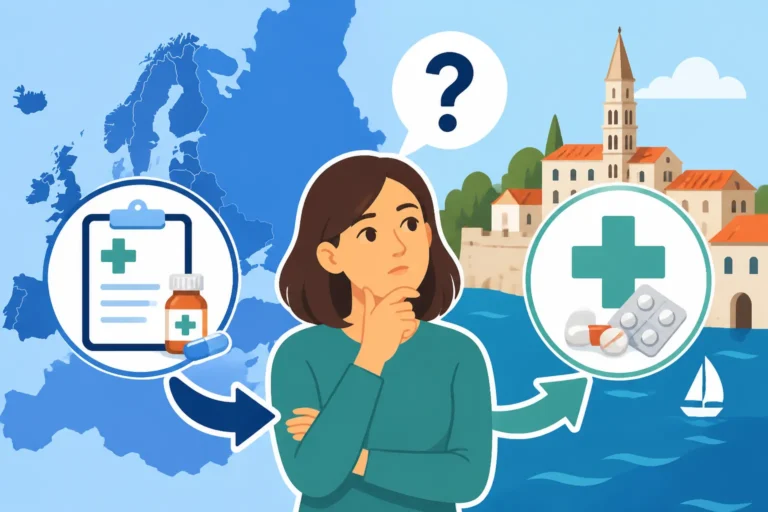
Gone are the days of paper prescriptions for the most part, thanks to Croatia's embrace of digital healthcare. When you visit your family doctor (obiteljski liječnik), specialist, or even get discharged from a hospital, they will issue an e-recept (e-prescription). This electronic prescription is linked to your OIB (Personal Identification Number) and your HZZO (Croatian Health Insurance Fund) card. It's a pretty efficient system once you get the hang of it. You simply go to any pharmacy, present your HZZO card (or just give your OIB and last name), and the pharmacist can access your prescriptions. No fuss, no paper, just quick service. This digital system greatly simplifies things, especially if you need to How Do I Get an e-Recept Filled at a Pharmacy in Croatia?.
Now, for those of you who might be here on a short-term visa, say a digital nomad permit, or just haven't sorted out your HZZO yet, you won't have an e-recept. In this case, a private doctor will give you a paper prescription, which you can then take to any pharmacy. Be aware that medications on a paper prescription will almost always be full price, as they aren't processed through the HZZO system. This is a critical point that many new arrivals often overlook, leading to unexpected costs.
Public vs. Private Pharmacies
In Croatia, most pharmacies operate under a similar model, whether they are privately owned or part of a larger chain. There isn't a huge distinction in pricing for prescription medications between them because prices for drugs covered by HZZO are regulated. What you might find different is the range of over-the-counter products, supplements, cosmetics, or specialized medical devices. Larger pharmacy chains like Farmacia or Ljekarne Vaše Zdravlje might offer a wider selection of non-prescription items and perhaps more competitive pricing on those, but for your prescribed medications, the cost structure remains largely the same across the board.
Think of it this way: if your medication is on one of HZZO's "lists" (which we'll get into), the price you pay, or the co-payment you owe, will be standardized regardless of which ljekarna you choose. The main differences typically come down to convenience, opening hours (some pharmacies in bigger cities do have 24/7 service, which is a lifesaver in a pinch), and the specific brands of non-prescription items they stock. If you're looking for Understanding the Croatian Pharmacy (Ljekarna) System and Opening Hours, there are often resources online or through local expat groups that can point you to the nearest one with extended hours.
The Cost of Medications in Croatia
Here’s where it gets interesting, and where understanding the nuances of the Croatian healthcare system really pays off. The cost of your prescription medications in Croatia largely depends on whether you have state health insurance through HZZO, and if you have supplementary insurance (dopunsko zdravstveno osiguranje).
HZZO Coverage and Participation Fees
If you're properly registered with HZZO – and trust me, that's step number one for any long-term expat in Croatia, even if it feels like jumping through bureaucratic hoops – your medication costs will be significantly subsidized. The HZZO categorizes medications into different lists, which determines how much you pay:
- A List (Osnovna lista lijekova): These are essential medicines, and HZZO covers the vast majority, if not all, of their cost. You typically pay a very small participacija (co-payment) for these, sometimes as low as €0.30 to €1.30 per prescription, or even nothing at all, depending on your income level and whether you have dopunsko. This list includes many generic drugs and widely used medications for common conditions.
- B List (Dopunska lista lijekova): These are also covered by HZZO, but you'll usually have a higher participacija. The co-payment percentage can vary, but it’s still substantially less than the full price. For example, you might pay 10% or 20% of the medication's cost.
- C List (List of exceptionally prescribed medicines): These are generally more expensive, specialized drugs that HZZO covers under very specific conditions or for particular diagnoses. The co-payment for these can be higher, but again, HZZO covers the bulk of the cost.
So, if you have HZZO, many common medications like antibiotics, blood pressure pills, or diabetes medication will be incredibly affordable, often costing just a few euros out-of-pocket, or even less. The key is that your doctor needs to prescribe a medication that is on one of these HZZO lists. Sometimes there are multiple options for a condition, and your doctor will guide you towards the HZZO-covered one if available. Understanding How the Croatian Health Insurance Fund (HZZO) Works: A Full Overview is crucial for expats.
Supplementary (Dopunsko) and Private Insurance Impact
This is where the game changes even more. If you have dopunsko zdravstveno osiguranje (supplementary health insurance), it covers the participacija fees for most HZZO-covered medications and services. This means that for medications on the A and B lists, you often pay absolutely nothing out-of-pocket. It’s like magic!
Dopunsko is offered by HZZO itself (HZZO Dopunsko Zdravstveno Osiguranje) and also by private insurers like Croatia Osiguranje, Generali, Uniqa, and Grawe. The monthly premium for HZZO's dopunsko is quite low, usually around €10-15. This small monthly payment can save you a significant amount, especially if you have chronic conditions or frequent doctor visits. It covers a wide range of co-payments, not just for medications but also for specialist appointments, hospital stays, and diagnostic tests. It's truly a no-brainer for anyone with HZZO. You can learn more about Understanding Dopunsko Zdravstveno Osiguranje (Supplementary Insurance) in Croatia to see if it's right for you.
For those without HZZO, or for medications not covered by HZZO (perhaps a specific, newer drug or a very niche supplement), private health insurance can step in. While traditional private health insurance in Croatia doesn't typically cover the participacija for HZZO-listed drugs, it can offer reimbursement for medications prescribed privately and not covered by the public system. Some international expat insurance providers, like SafetyWing, offer plans that might cover prescription medications, especially in emergency situations or when you're traveling. It’s important to check the specifics of your private policy, as coverage for routine prescriptions can vary widely. SafetyWing, for example, is often popular with digital nomads for its flexible coverage, and it's worth exploring if your primary health coverage is not through HZZO or if you need robust travel insurance that includes medical benefits.
Uninsured Costs and Comparison
If you don't have HZZO or dopunsko, or if you need a medication that isn't on any HZZO list, you'll be paying the full retail price. While generally cheaper than in countries like the US, these costs can still add up.
Let's look at some approximate full prices for common medications (these are estimates and can fluctuate):
- Common antibiotics (e.g., Amoxicillin): Around €5-€15 for a course.
- Blood pressure medication (e.g., Lisinopril generics): Around €5-€20 for a month's supply.
- Antidepressants (e.g., Sertraline generics): Around €10-€30 for a month's supply.
- Painkillers (prescription strength): Around €5-€20.
- Oral contraceptives: Around €10-€25 for a month's supply.
- Allergy medication (prescription strength): Around €5-€15 for a month's supply.
- More specialized drugs (e.g., for certain autoimmune conditions, specific cancer therapies): These can range from tens to hundreds of euros, sometimes even more, per month if not covered by HZZO.
Compared to countries with very high drug costs, like the United States, even full-price medications in Croatia can seem quite affordable. However, if you're coming from a country with universal healthcare where most prescriptions are free or nearly free (like the UK or Canada), then even these full prices might feel expensive. The key takeaway is that for long-term residents, getting HZZO and dopunsko is the most financially sensible route. For short-term visitors or digital nomads, a good international travel health insurance plan like SafetyWing can offer peace of mind, potentially covering unexpected prescription needs.
To illustrate, here's a rough comparison:
| Medication Type (Generic) | Approximate Cost without HZZO/Dopunsko | Approximate Cost with HZZO (B list) | Approximate Cost with HZZO + Dopunsko |
|---|---|---|---|
| Amoxicillin (antibiotic) | €10 – €15 | €1 – €3 | €0 |
| Lisinopril (blood pressure) | €15 – €20 | €2 – €5 | €0 |
| Sertraline (antidepressant) | €20 – €30 | €5 – €10 | €0 |
| Oral Contraceptives | €15 – €25 | €3 – €8 | €0 |
| Inhaler (for asthma) | €20 – €40 | €5 – €10 | €0 |
| Prescription Painkiller (stronger) | €10 – €25 | €1 – €5 | €0 |
Note: These are approximate costs and can vary based on brand, dosage, pharmacy, and current HZZO lists.
Tips for Managing Medication Costs as an Expat
Navigating the healthcare system as an expat is never simple, but with a bit of foresight, you can manage your medication costs effectively in Croatia.
Getting Your HZZO in Order
I cannot stress this enough: getting your HZZO sorted is your absolute priority if you plan to live in Croatia for more than a few months. It's the foundation of affordable healthcare here. Whether you're employed by a Croatian company, self-employed via an obrt, or on another long-term residence permit, you're likely eligible and probably even legally required to join the HZZO system. The process involves gathering documents, visiting the MUP (police station), and then the HZZO office, but the long-term benefits are immense, especially for medication costs. Learn how to Registering with HZZO in Croatia: The Complete Expat Guide (2027) to make sure you're properly covered. Once you have it, you'll find that most doctor visits, specialist referrals, and basic medications are incredibly cheap, or even free. Don't let the bureaucracy deter you; it's worth the effort.
Understanding Medication Alternatives
When you visit your doctor, don't be shy about asking if there's a generic version of your medication available on the HZZO A or B lists. Croatian doctors are generally good about prescribing HZZO-covered options, but it never hurts to confirm. Generic drugs contain the same active ingredients and are just as effective as their brand-name counterparts, but they cost significantly less. If your doctor prescribes a specific brand and you're paying out-of-pocket, you can sometimes ask the pharmacist if a cheaper, equivalent generic is available. They'll be able to tell you if they have a non-HZZO-covered generic available for a lower price. It's a small tip, but it can save you some kunas – oh wait, now Euros! Old habits die hard.
Leveraging Insurance
For those who rely on the public system, getting dopunsko zdravstveno osiguranje is the next logical step after HZZO. It’s an inexpensive way to eliminate most of your participacija fees, making medications essentially free. I mentioned earlier that several private companies offer it, alongside the HZZO's own supplementary plan. Compare their offerings, but for most people, the HZZO's dopunsko is perfectly adequate and the cheapest option.
If you’re a digital nomad or on a temporary stay without HZZO, or if you simply prefer a robust private option, make sure your private health insurance plan covers prescription medications. Companies like SafetyWing are specifically designed for nomads and remote workers, offering health coverage that includes aspects of prescription drug costs, especially for unexpected illnesses or accidents. Always read the fine print of your policy to understand what's covered, what the deductibles are, and what the claims process entails. It's much easier to clarify these things before you need the medication. Remember that for How to Access Healthcare While on a Digital Nomad Permit in Croatia, having appropriate insurance is a requirement.
Disclaimer
Please note that this guide provides general information and estimates. Healthcare policies, medication prices, and insurance coverage can change. It is always best to consult with your doctor, pharmacist, and HZZO directly for the most accurate and up-to-date information regarding your specific situation in Croatia.