Understanding the Croatian Pharmacy (Ljekarna) System and Opening Hours
One of the trickiest initial hurdles for expats in Croatia, beyond the inevitable MUP paperwork, is figuring out how the local healthcare system actually functions, especially when it comes to getting medication. The pharmacy system, or ljekarna as it's known here, can feel like a labyrinth, with its specific operating hours, the electronic prescription system, and the sheer variety of products on offer. This comprehensive guide aims to demystify the Croatian pharmacy experience, providing you with the ins and outs of everything from understanding opening times to navigating prescriptions and purchasing essential health items.
Navigating the Ljekarna Landscape
When you first arrive in Croatia, you'll quickly notice the abundance of pharmacies. They are, quite literally, on almost every corner in larger cities and readily available in smaller towns. But they're not just places to pick up a prescription; they're often your first stop for minor ailments, health advice, and a surprisingly wide array of wellness products.
What is a Ljekarna?
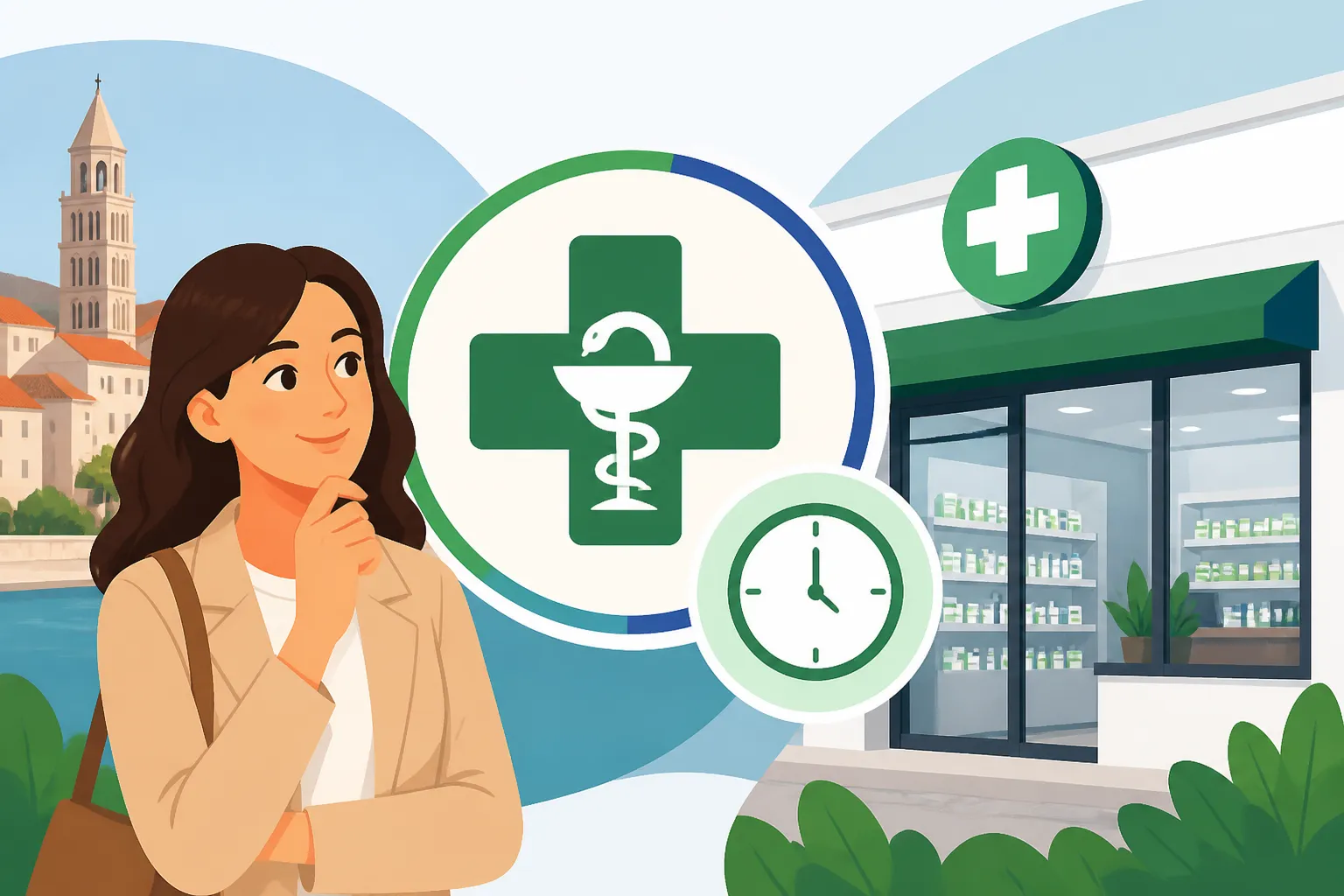
A ljekarna is the Croatian equivalent of a pharmacy or chemist. Unlike some countries where pharmacies might be tucked away inside larger supermarkets, in Croatia, they are almost exclusively standalone establishments, easily recognizable by a green cross sign, which often glows brightly at night. These are highly regulated professional establishments staffed by licensed pharmacists, who are often the first point of contact for many minor health concerns, acting almost as a preliminary medical advisor before a doctor's visit is even considered.
The atmosphere inside a Croatian ljekarna is typically calm and professional. You’ll usually find a queue system, sometimes with a number dispenser, but often just an unspoken understanding of whose turn it is next. Pharmacists here hold a respected position, and they are well-versed in a broad spectrum of medical knowledge, not just dispensing medicines but also offering advice on usage, potential side effects, and interactions. It’s not uncommon for them to suggest an over-the-counter remedy for a simple issue before recommending a doctor's visit, which can be incredibly helpful when you're still finding your feet in a new country and trying to understand The Complete Guide to Healthcare in Croatia for Expats (2027).
General Services Offered
The services offered by a Croatian ljekarna extend far beyond simply handing out prescription drugs. Think of them as holistic health hubs, particularly for common, non-emergency needs. Of course, the primary service is dispensing both prescription (na recept) and over-the-counter (bez recepta) medications. The electronic prescription system, known as e-Recept, means that often your doctor simply sends your prescription directly to the pharmacy, making the process quite streamlined once you're in the system.
Beyond medications, you'll find a wide range of parapharmaceutical products. This includes everything from dietary supplements, vitamins, and herbal remedies to medical cosmetics, skincare products, and baby care items. Many pharmacies also stock basic medical supplies like bandages, antiseptic wipes, thermometers, and blood pressure monitors. Some larger pharmacies might even offer basic health checks, such as blood pressure measurements or blood sugar level tests, although this varies. Furthermore, pharmacists can provide invaluable advice on proper medication usage, potential drug interactions, and general health and wellness concerns. They are a treasure trove of information, so don't hesitate to ask questions, even if you need to use a translation app!
Deciphering Pharmacy Opening Hours
One of the most frequent frustrations for newcomers, and even seasoned expats, is getting a handle on pharmacy opening hours. They aren't always consistent, especially outside of major city centers, and knowing where to go when you have an urgent need in the middle of the night or on a holiday is crucial.
Standard Operating Hours
Most pharmacies in Croatia follow a pretty standard business schedule during the week. You'll typically find them open from early morning, usually around 7:00 or 8:00 AM, until late afternoon or early evening, often closing around 7:00 or 8:00 PM. On Saturdays, hours are usually shorter, with many pharmacies closing around 1:00 or 2:00 PM. Sundays are generally observed as a day off for most establishments, including pharmacies, with the exception of the designated emergency ones.
However, this isn't a hard and fast rule, and regional variations exist. Smaller towns might have even shorter hours, sometimes closing for a lunch break (the famous marenda), or operating on a reduced schedule during the off-season in coastal areas. It's always a good idea to check the specific pharmacy's posted hours, or a quick online search, especially if you’re traveling outside of a major city. During the high tourist season, some pharmacies in popular destinations might extend their hours to accommodate visitors, but relying on this isn't advisable for critical needs.
Dežurna Ljekarna: The 24/7 Solution
This is where the dežurna ljekarna comes in – your absolute lifeline for urgent medication needs outside of standard hours, on Sundays, or during public holidays. A dežurna ljekarna is an emergency pharmacy that operates 24/7, or at least with extended hours that cover nights and weekends. Every major city and larger town will have at least one designated dežurna ljekarna, and their schedules are usually rotated among different pharmacies in a specific area.
Finding the current dežurna ljekarna can sometimes feel like a treasure hunt, but it's gotten much easier. They are usually clearly marked with a sign indicating "DEŽURNA" or a schedule posted on the door of all other pharmacies. Your best bet for up-to-date information is often a quick Google search for "dežurna ljekarna [city name]" or checking the website of the local health center (Dom Zdravlja) or municipal pharmacy chains. For instance, in Zagreb, specific pharmacies are consistently dežurna, like Ljekarna Centar on Trg Bana Jelačića or Ljekarna Remetinec. Knowing your closest dežurna pharmacy is vital for any expat, as an emergency can strike at any time, and this knowledge complements information about Emergency Medical Care in Croatia: What Every Expat Needs to Know.
Holiday and Sunday Schedules
Croatian public holidays and Sundays mean most businesses shut down, and pharmacies are no exception, save for the aforementioned dežurna ljekarna. It's a good practice to anticipate holiday closures, especially for routine medication refills. If a public holiday is approaching, make sure you have enough medication to last through the extended weekend or holiday period. Plan ahead and pick up your prescriptions a day or two before.
When it comes to Sundays, the situation is identical: only dežurna ljekarna will be open. This means if you suddenly need something simple like paracetamol or allergy medication on a Sunday afternoon, you'll likely need to travel to the designated emergency pharmacy, which might not be the closest one to your home. This system, while perhaps less convenient than the 24/7 supermarket pharmacies found in some other countries, ensures that essential services are always available, albeit concentrated in specific locations. Always double-check the holiday schedule, as sometimes even the dežurna roster can shift slightly around major holidays like Christmas, Easter, or national days.
Prescription Medications and the e-Recept System
Getting prescription medications in Croatia is a fairly straightforward process once you're familiar with the e-Recept system and have a registered family doctor. However, for newcomers, especially those arriving from non-EU countries, there can be a few initial hurdles.
Understanding e-Recepts
The e-recept (electronic prescription) system is a fantastic modern convenience in Croatia that makes getting your medications much smoother. Once you're registered with a family doctor (obiteljski liječnik), they will issue prescriptions electronically. This means there's no paper prescription to lose! When your doctor issues an e-Recept, it's immediately available in the central HZZO system. All you need to do is go to any ljekarna with your national health insurance card (your HZZO card) and your OIB (Personal Identification Number). The pharmacist will look up your prescriptions in the system, and you'll receive your medication. If you're wondering How Do I Get an e-Recept Filled at a Pharmacy in Croatia?, it's really that simple once you have your card.
It's a seamless system, but it relies entirely on you being integrated into the public healthcare system with an assigned doctor. For short-term visitors, digital nomads without HZZO, or those still in the process of registering, the e-Recept system won't apply directly. They will instead rely on paper prescriptions from private doctors or their home country, which then need to be assessed by a Croatian doctor. Learning about How the Croatian Health Insurance Fund (HZZO) Works: A Full Overview is key to understanding this system fully.
Filling Foreign Prescriptions
This is where things can get a bit complicated for expats. If you arrive in Croatia with a prescription from your home country, especially from outside the EU/EEA, it's highly unlikely that a Croatian ljekarna will fill it directly. Croatian law generally requires prescriptions to be issued by a licensed Croatian doctor for dispensing medications. Even within the EU/EEA, while the principle of cross-border prescriptions exists, practical issues like language barriers and differing drug formulations or brand names can make it challenging.
Your best course of action for long-term medication needs is to schedule an appointment with a Croatian family doctor as soon as possible. They will review your medical history, current medications, and any foreign prescriptions you have. They can then issue a local e-Recept for you. If you need a refill urgently before you can get to a doctor, some pharmacists might, in very specific and non-controlled medication cases, dispense a small emergency supply, but this is rare and strictly at their discretion. It’s a good idea to bring a detailed letter from your home doctor outlining your condition and medications, translated into Croatian if possible, to aid your new Croatian doctor. For digital nomads on a permit, it's crucial to understand that while you might have private insurance like SafetyWing, you still need a local prescription for regulated medicines.
Over-the-Counter Medications
Thankfully, many common medications and health products are readily available without a prescription. These include a wide range of pain relievers (like paracetamol and ibuprofen, often under generic names or brands like Lekadol, Neofen), cold and flu remedies, allergy medications (antihistamines), digestive aids, basic wound care supplies, and vitamins. You can simply walk into any ljekarna, ask for what you need, and purchase it directly.
However, keep in mind that what is considered "over-the-counter" can vary from country to country. For example, some antibiotics, strong pain relievers, or certain hormonal medications that might be available OTC in some parts of the world will absolutely require an e-Recept from a Croatian doctor here. If you're unsure, it's always best to ask the pharmacist. They are knowledgeable and can guide you on what’s available or if you need to see a doctor. This ease of access for common ailments is one of the more convenient aspects of the Croatian pharmacy system.
Beyond Prescriptions: Products and Services
The Croatian ljekarna isn't just about medications; it's a treasure trove of health, beauty, and wellness products, making it a frequent stop for many beyond just illness.
Health and Wellness Products
Walk into any Croatian ljekarna, and you'll be greeted by aisles filled with more than just pills. You'll find an extensive selection of dietary supplements, ranging from basic vitamins and minerals to specialized probiotic formulations and omega-3s. Herbal remedies, teas, and natural health products are also very popular and widely available. For parents, pharmacies are a prime destination for baby care essentials, including formula, diapers, specialized creams, and feeding accessories.
Beyond internal health, Croatian pharmacies are also big on dermo-cosmetics and skincare. Brands like Vichy, La Roche-Posay, Eucerin, and Avene are commonly stocked, often at competitive prices compared to dedicated beauty stores. Pharmacists are often trained in these product lines and can offer advice on suitable skincare for various conditions. This makes the ljekarna a one-stop shop for everything from your daily vitamin C to a new moisturizer or a soothing cream for your baby's sensitive skin.
Pharmacist Consultation and Advice
The pharmacists in Croatia are highly trained professionals who provide a significant amount of public health consultation. They are often the first line of defense for minor health issues and can offer guidance that saves you a trip to the doctor. Don't be shy about describing your symptoms (or using a translation app to do so!). They can advise on appropriate over-the-counter remedies, explain how to correctly use your prescription medications, discuss potential side effects, and offer general health advice.
For example, if you have a common cold, a pharmacist might suggest a specific nasal spray, lozenges, and a vitamin C supplement. If you're experiencing mild digestive issues, they might recommend a probiotic or a specific herbal tea. They are also excellent resources for understanding your Prescription Medications and Pharmacies in Croatia: The Complete Guide, helping you feel more confident about managing your health in a new country. Their expertise is a valuable asset, especially when you're navigating the initial stages of understanding a new healthcare system.
Understanding Medical Device Rentals and Sales
Some larger ljekarne or specialized medical supply stores (often co-located with pharmacies) offer the rental or sale of various medical devices. This can include items like crutches, wheelchairs, nebulizers, blood pressure monitors, glucose meters, and even breast pumps. If you or a family member needs a temporary medical aid, inquiring at a larger pharmacy or a local Dom Zdravlja (health center) is a good starting point.
These services can be particularly helpful for those recovering from injuries or surgery, as purchasing such items outright can be costly. The availability of rentals means you don't have to commit to buying equipment you might only need for a few weeks or months. Always ask about the terms of rental, including duration, cost, and any deposit required. For specific or more complex medical equipment, the pharmacist can usually direct you to a specialized store if they don't stock it themselves.
Costs, Insurance, and Payment
Understanding the financial side of Croatian pharmacies, particularly how it interacts with HZZO and supplementary insurance, is crucial for managing your healthcare budget as an expat.
HZZO Coverage and Participacija
If you are enrolled in the Croatian public health insurance system (HZZO), a significant portion of your prescription medication costs will be covered. However, it's important to understand participacija, which refers to co-payments or deductibles. For most prescription medications, you will still pay a small fee out-of-pocket. This fee can vary depending on the specific medication and its category, usually a fixed amount per prescription item or a percentage of the total cost. You can learn more about this in our guide to Understanding Participacija (Co-Payments) in the Croatian Health System.
The exact amount of participacija you pay for a prescription is determined by your HZZO coverage and the specific drug. Some medications, particularly those on the basic HZZO list, might have a very low co-payment, while others, or those not fully covered, might require a higher contribution. The pharmacist will always inform you of the exact amount due before you pay. It’s worth noting that for chronic conditions requiring regular medication, these small co-payments can add up over time, which is where supplementary insurance becomes very appealing.
Supplementary Insurance (Dopunsko Osiguranje)
This is a game-changer for many expats relying on HZZO. Dopunsko zdravstveno osiguranje (supplementary health insurance) is an optional but highly recommended policy that covers the participacija fees that HZZO doesn't. Essentially, it means that for most prescriptions, doctor visits, and even some specialist appointments, you won't have to pay any out-of-pocket fees at the point of service – the supplementary insurance takes care of it. Understanding Dopunsko Zdravstveno Osiguranje (Supplementary Insurance) in Croatia can significantly ease your financial burden.
Major Croatian insurance providers like HZZO itself (through its own dopunsko plan), Croatia Osiguranje, Uniqa, and Generali all offer supplementary insurance. The monthly premiums are generally quite affordable, usually in the range of €10-€20, making it a worthwhile investment, especially if you have chronic conditions or frequently visit the doctor. For digital nomads who transition to HZZO coverage, adding dopunsko is often a wise financial decision, preventing unexpected small charges from accumulating.
Private Purchases and Foreign Insurance
If you don't have HZZO coverage, or if you choose to purchase medications that are not covered by the public system (e.g., certain supplements, specific cosmetic products, or non-essential items), you will pay the full retail price out-of-pocket. This also applies if you are a tourist, a digital nomad still on a short-term visa, or simply haven't yet registered for HZZO.
For those relying on private health insurance, whether it's a Croatian private policy or an international travel/expat insurance like SafetyWing, the process usually involves paying for the medication upfront at the ljekarna and then submitting a claim for reimbursement to your insurance provider. Always keep your receipts (račun) and any prescription details. It’s crucial to check with your specific private insurance policy what is covered and the claims process, as some plans might have deductibles or exclusions. For example, travel medical insurance from providers like SafetyWing is excellent for unexpected medical emergencies and acute illnesses, ensuring you can get immediate treatment, but for ongoing prescription refills from a Croatian doctor, you'll need to follow their specific reimbursement procedures. When considering How Much Does Private Health Insurance Cost in Croatia in 2026?, factor in what those policies will cover at the pharmacy.
Here’s a quick overview of payment methods at a Croatian ljekarna:
| Payment Method | HZZO Coverage | Dopunsko Osiguranje | Private Purchase |
|---|---|---|---|
| Cash (HRK/EUR) | Yes (for participacija) | No (covered by dopunsko) | Yes |
| Credit/Debit Card | Yes (for participacija) | No (covered by dopunsko) | Yes |
| Direct Billing (for dopunsko) | N/A | Yes (covers participacija) | N/A |
Note: Croatia adopted the Euro as its currency on January 1, 2023. All prices and payments are now in EUR.
Tips for Expats Navigating Croatian Pharmacies
Adjusting to a new healthcare system, even one as modern as Croatia's, takes time. Here are some practical tips to make your ljekarna experiences as smooth as possible.
Language Barrier Solutions
The language barrier can be the most intimidating aspect when dealing with any public service in a new country. While many younger pharmacists, especially in tourist areas and larger cities like Zagreb, Split, or Rijeka, will speak English, it's not guaranteed everywhere. Don't let this deter you.
- Be Patient and Polite: A little patience goes a long way. Croatian pharmacists are generally very helpful.
- Translation Apps: Have a translation app like Google Translate or DeepL ready on your phone. You can type in your symptoms or the name of your medication.
- Write It Down: If you know the generic name of your medication, write it down. This is often more universally understood than brand names.
- Pictures: If you have a picture of your medication packaging, show it to the pharmacist.
- Essential Phrases: Learning a few basic Croatian phrases related to health can be incredibly helpful.
| English Phrase | Croatian Translation |
|---|---|
| Hello | Bok / Dobar dan |
| Thank you | Hvala |
| Do you speak English? | Govorite li engleski? |
| I need medicine for… | Trebam lijek za… |
| Pain | Bol |
| Fever | Groznica |
| Cold | Prehlada |
| Allergy | Alergija |
| Stomach ache | Bol u trbuhu |
| Prescription | Recept |
| How much does it cost? | Koliko košta? |
Essential Documents
Always, always carry your essential documents when visiting a ljekarna, especially if you have HZZO coverage.
- HZZO Card: This is your proof of public health insurance and is absolutely necessary for the pharmacist to access your e-Recepts and apply HZZO coverage. Without it, you'll likely pay full price.
- OIB: Your Personal Identification Number. While linked to your HZZO card, sometimes pharmacists might ask for it, particularly when you’re first getting started in the system. Knowing How to Get Your OIB and Why It Matters for Healthcare Access is crucial for all administrative tasks in Croatia.
- ID (Passport/Residence Permit): While not always required for simple OTC purchases, it's good practice to have some form of identification, especially if there are any issues or if you're a new resident.
- Private Insurance Card/Details: If you're relying on private insurance, have your policy details or card ready, even if you're paying upfront and claiming later. This ensures you have all the necessary information for reimbursement.
Online Pharmacy Resources
While Croatia has a robust physical pharmacy network, the concept of fully online pharmacies for prescription medication delivery is not as prevalent or developed as in some other Western countries. You won't typically find major online retailers delivering prescription drugs to your door. The e-Recept system inherently ties you to a physical ljekarna for dispensing.
However, many pharmacy chains and individual pharmacies do have online presence where you can:
- Check Stock: See if a particular over-the-counter item or cosmetic product is in stock.
- Browse Products: Look through their range of supplements, dermo-cosmetics, and other health products.
- Find Opening Hours/Locations: Get up-to-date information on their operating hours and find your nearest branch, including which one is currently dežurna.
For now, treat Croatian pharmacies as primarily brick-and-mortar establishments. The personal interaction with a pharmacist is a valued part of the system, and it ensures direct professional advice at the point of dispensing.
Final Thoughts for Expats
Navigating the ljekarna system in Croatia might seem like another item on your long list of "expat administrative tasks," but with a little understanding, it quickly becomes a smooth and reliable part of your new life. Remember that Croatian pharmacists are highly skilled professionals, ready and able to assist you with a wide range of health needs, often serving as your first port of call for minor ailments. Whether you're filling an e-Recept issued by your new Croatian family doctor, stocking up on your favorite skincare products, or seeking a dežurna ljekarna in the middle of the night, having this knowledge will empower you to manage your health confidently.
As with all aspects of expat life, patience, preparation, and a willingness to learn the local way are your greatest assets. Keep this guide handy, and you'll soon be navigating the Croatian pharmacy system like a seasoned local.
Disclaimer
The information provided in this guide is for general informational purposes only and does not constitute medical or legal advice. While we strive to keep the information accurate and up-to-date, healthcare regulations and practices in Croatia can change. Always consult with a qualified healthcare professional for any medical concerns and legal experts for specific advice regarding your individual situation.