How Do I Get a Specialist Referral Without Waiting Months in Croatia?
One of the most frustrating aspects of navigating the Croatian healthcare system as an expat or even a local is the seemingly endless wait for specialist appointments. You've got a pain, a concern, or a nagging symptom, and your family doctor (obiteljski liječnik) has given you that coveted uputnica (referral), but then you’re told the next available slot is months, sometimes even half a year, away. It feels like an eternity when you're worried about your health. This guide will help you understand why these delays occur and, more importantly, lay out the actionable steps you can take to significantly shorten your wait time and access the specialist care you need in Croatia.
The Reality of Specialist Waiting Lists in Croatia's Public System
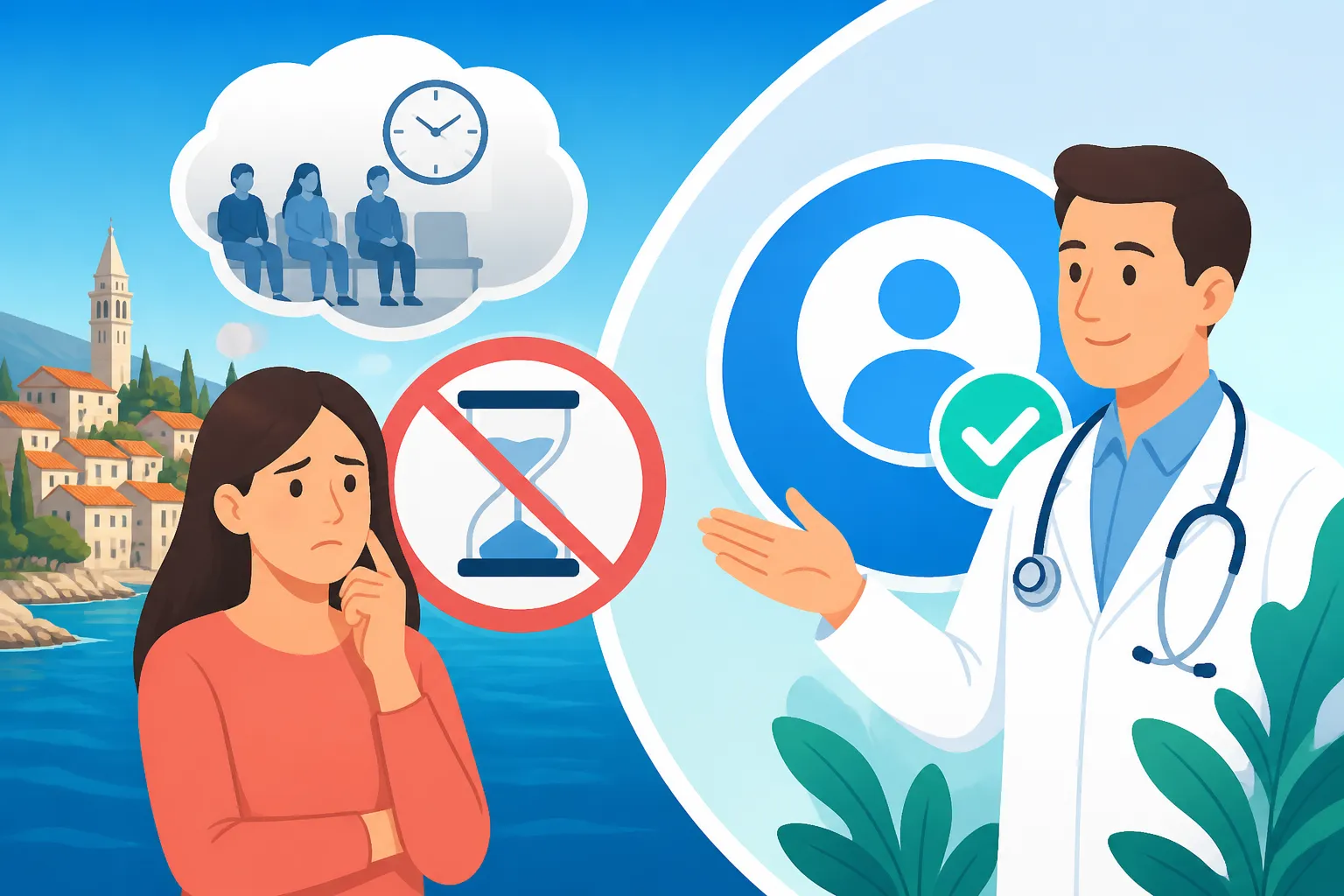
Let's be brutally honest: waiting lists for specialists in the public healthcare system (HZZO) can be a real headache. It's not uncommon to hear stories of people waiting for months for an MRI, a dermatology appointment, or even a basic orthopaedic consultation. This isn't a reflection of the quality of care once you get in – Croatian doctors and specialists are generally highly skilled – but rather a systemic issue.
Why the Delays Exist
The public healthcare system, funded primarily through contributions to the How the Croatian Health Insurance Fund (HZZO) Works: A Full Overview, faces several challenges that contribute to these long wait times. One significant factor is the underfunding of the public sector relative to demand. While HZZO provides comprehensive coverage, the sheer volume of patients, coupled with a limited number of specialists and diagnostic equipment, creates bottlenecks. Think of it like a very popular restaurant with too few tables; everyone wants in, but there’s just not enough capacity. Many specialists also divide their time between public hospitals and private polyclinics, which can further limit their availability in the public system. Furthermore, the referral system itself, while designed to manage patient flow, can inadvertently add layers of bureaucracy.
What an Expat Might Experience
As an expat, these delays can feel even more isolating. You might not fully understand the system, you might struggle with the language, and you often lack the local network that Croatians use to navigate these challenges. You’re left feeling helpless, clutching your e-uputnica and wondering how a minor issue could become serious while you wait. I've been there myself, staring at an appointment date six months away for a routine check-up that felt urgent at the time. It’s a uniquely frustrating experience that many foreigners moving to Croatia encounter. Understanding The Complete Guide to Healthcare in Croatia for Expats (2027) can help set realistic expectations.
Strategies for Expediting Public Specialist Referrals
While the public system has its flaws, there are still ways to try and speed things up if you're determined to use your HZZO coverage. It requires persistence, a bit of strategic thinking, and sometimes, a willingness to travel.
Leveraging Your Family Doctor (Obiteljski Liječnik)
Your family doctor is your gatekeeper to the specialist world in Croatia. They issue the initial uputnica and are your primary advocate. Don't underestimate their power or their knowledge of the system.
- Be Specific and Insistent: Clearly articulate your symptoms and concerns. Don't downplay anything. If you feel your condition warrants an urgent appointment, express that directly to your family doctor. They can sometimes mark a referral as "urgent" (hitno), which can, in theory, shorten the wait time. However, this is usually reserved for truly acute conditions.
- Ask for Alternatives: Your doctor might know about specialists in less populated areas or smaller clinics that have shorter waiting lists. Be open to traveling to a different city or town if it means getting seen sooner. Sometimes, a specialist in a smaller dom zdravlja (health centre) outside of Zagreb or Split might have availability far sooner than those in the large clinical hospital centers (KBCs). Ask your doctor if they can check the Centralni informacijski zdravstveni sustav Hrvatske (CIZIS) system for earlier openings in various locations.
- Follow-Up: Don't just get the referral and forget about it. Follow up with your doctor's office or the specialist's department directly a week or two later. Sometimes cancellations happen, and being proactive can get you in earlier. Understanding How to Choose and Register with a GP (Liječnik Opće Prakse) in Croatia is crucial for effective communication.
Proactive Steps After Getting a Referral
Once you have your e-uputnica (electronic referral), the ball is somewhat in your court to find an appointment.
- Check Multiple Locations: Don't limit yourself to the first hospital or polyclinic suggested. Use the national online portal (often accessed via gov.hr or through your doctor's system) or call around to different public hospitals or domovi zdravlja that have the specialist you need. The wait times can vary significantly between institutions, even within the same city. For example, a KBC in Zagreb might have a longer wait for an MRI than a smaller regional hospital.
- Monitor for Cancellations: This is a bit like playing the lottery, but it works. Call the specialist's department regularly – maybe once a week – and ask if there have been any cancellations. Be polite but persistent. You might get lucky, especially if you can be flexible with your appointment time.
- Understand e-Uputnica and e-Naručivanje: How e-Uputnica (E-Referrals) Work for Specialist Appointments in Croatia explains that your doctor uploads your referral to a central system. You can then use this to book appointments. While it's designed to streamline the process, it also means that the public system's capacity issues are transparent. If your doctor offers to book for you, they'll often go for the earliest available, which can still be far off. Sometimes, having the uputnica yourself (electronically) allows you to be more proactive in calling various clinics.
The Private Healthcare Alternative: Bypassing the Waits Entirely
For many expats, especially those who value their time and peace of mind, the private healthcare system is the definitive answer to long waiting lists. While it comes at a cost, the speed, convenience, and often more personalized service are worth it for many.
How Private Polyclinics Work
Croatia has a robust and growing network of private polyclinics (poliklinike) and hospitals. These institutions operate entirely outside the HZZO system. You don't need an uputnica from your family doctor to see a specialist in a private clinic. You simply call, book an appointment, and pay out of pocket. Many private clinics boast state-of-the-art equipment, shorter wait times (often just a few days or weeks, not months), and a more patient-centric approach. Popular examples include Poliklinika Bagatin, Sv. Katarina Specialty Hospital, or Poliklinika Roth. These clinics are often found in major cities like Zagreb, Split, and Rijeka. You can explore Understanding Private Polyclinics (Poliklinike) in Croatia for more details.
Costs and Considerations
The immediate benefit of private healthcare is speed, but the trade-off is the cost. A single specialist consultation in a private clinic can range from €50 to €150, depending on the specialist and the clinic. Diagnostic tests like an MRI can cost several hundred euros.
Here’s a rough breakdown of what you might expect for common private services:
| Service | Estimated Cost Range (EUR) | Notes |
|---|---|---|
| Specialist Consultation | 50 – 150 | Initial visit, follow-ups often slightly less. |
| General Blood Test Panel | 30 – 80 | Depends on number of parameters. |
| X-Ray | 40 – 100 | Single area. |
| Ultrasound (e.g., abdomen) | 60 – 150 | |
| MRI (e.g., knee, head) | 200 – 400+ | Varies greatly by clinic and complexity. |
| Basic Dental Check-up & Cleaning | 50 – 100 | More complex procedures higher. |
| Physiotherapy Session | 25 – 50 per session | Often requires multiple sessions. |
These are estimates and can vary. It's always best to call the specific clinic for an exact quote.
Finding English-Speaking Private Specialists
Many private clinics, especially in tourist areas and larger cities, cater to an international clientele and employ English-speaking staff and doctors. This can be a huge relief if your Croatian isn't up to medical terminology. When you call to book an appointment, simply ask if they have English-speaking specialists available. Websites for larger polyclinics often list their doctors and their language proficiencies. Finding How to Find an English-Speaking Doctor in Croatia can be a great starting point for your search.
The Hybrid Approach and the Role of Private Health Insurance
For some, a purely public or purely private approach might not be ideal. There's a middle ground, and this is where supplementary and private health insurance come into play, offering a blend of public system access and private sector speed.
Supplementary Health Insurance (Dopunsko Osiguranje)
Understanding Dopunsko Zdravstveno Osiguranje (Supplementary Insurance) in Croatia is vital if you're primarily using the public system. This insurance, often offered by HZZO itself or private insurers like Croatia Osiguranje or Uniqa, covers the participacija (co-payments) that you would otherwise pay for public healthcare services. While it doesn't shorten waiting times for specialists, it can make public healthcare more affordable once you do get an appointment. It's a must-have for anyone relying on the public system for the long term.
Private Health Insurance
This is where you can truly bypass the public system's waiting lists. Private health insurance plans, often offered by local insurers like Croatia Osiguranje, Generali, or Uniqa, or international providers, can cover the costs of private specialist visits, diagnostics, and even surgeries.
- Coverage Options: These plans vary widely. Some cover only major medical expenses, while others offer comprehensive coverage for outpatient visits, diagnostics, and even dental care. When choosing a plan, consider your specific needs and how often you anticipate needing specialist care.
- International Providers: For expats, international health insurance providers like SafetyWing can be an excellent choice. SafetyWing offers flexible, affordable plans that are particularly popular with digital nomads and frequent travelers. While they may not be a traditional Croatian insurer, their travel medical insurance can cover unexpected medical expenses and even some specialist visits, providing a valuable safety net while you're navigating a new country's healthcare system. It's a great option for those who might not be permanently settled or prefer the flexibility of international coverage. Many digital nomads rely on SafetyWing for their peace of mind during their Croatian adventure.
- Cost vs. Benefit: The cost of private health insurance in Croatia can vary significantly based on your age, health status, and the level of coverage. However, if you frequently need to see specialists or value prompt access to care, the investment can save you money and a lot of stress in the long run. It's worth comparing Public vs Private Healthcare in Croatia: Which Should Expats Choose? to weigh your options.
Combining Public and Private
Many expats use a hybrid approach. They rely on HZZO for their family doctor, basic prescriptions (Prescription Medications and Pharmacies in Croatia: The Complete Guide), and any truly urgent emergencies, especially if they have supplementary insurance. However, for non-urgent specialist appointments or second opinions where waiting is simply not an option, they turn to private polyclinics, either paying out-of-pocket or utilizing their private health insurance. This strategy allows you to benefit from the affordability of the public system for routine care while gaining rapid access to specialist services when needed. Knowing about Understanding Private Health Insurance Plans in Croatia can help you structure this hybrid approach.
Remember, the goal is to get the care you need when you need it. While the public system offers a valuable safety net, don't hesitate to explore all avenues, especially the private sector and comprehensive insurance options like those offered by SafetyWing, if you want to bypass those frustratingly long waiting lists in Croatia.
A Note on Emergencies
It's crucial to understand that the long waiting lists we've discussed apply to non-urgent specialist appointments. In the event of a genuine medical emergency, you should always go directly to the nearest hospital emergency room (hitna pomoć). Emergency care is generally accessible and prioritised regardless of your insurance status, although charges may apply if you're not properly covered by HZZO or valid private insurance. For non-EU citizens, having comprehensive private insurance (like SafetyWing) is critical for emergency situations. Check out Emergency Medical Care in Croatia: What Every Expat Needs to Know to be prepared.
Disclaimer
The information provided in this guide is for general informational purposes only and does not constitute medical, legal, or financial advice. Healthcare regulations and costs in Croatia can change, and individual situations may vary. Always consult with a qualified healthcare professional, legal expert, or financial advisor for advice tailored to your specific circumstances.