Can I Use Telemedicine Services in Croatia as an Expat?
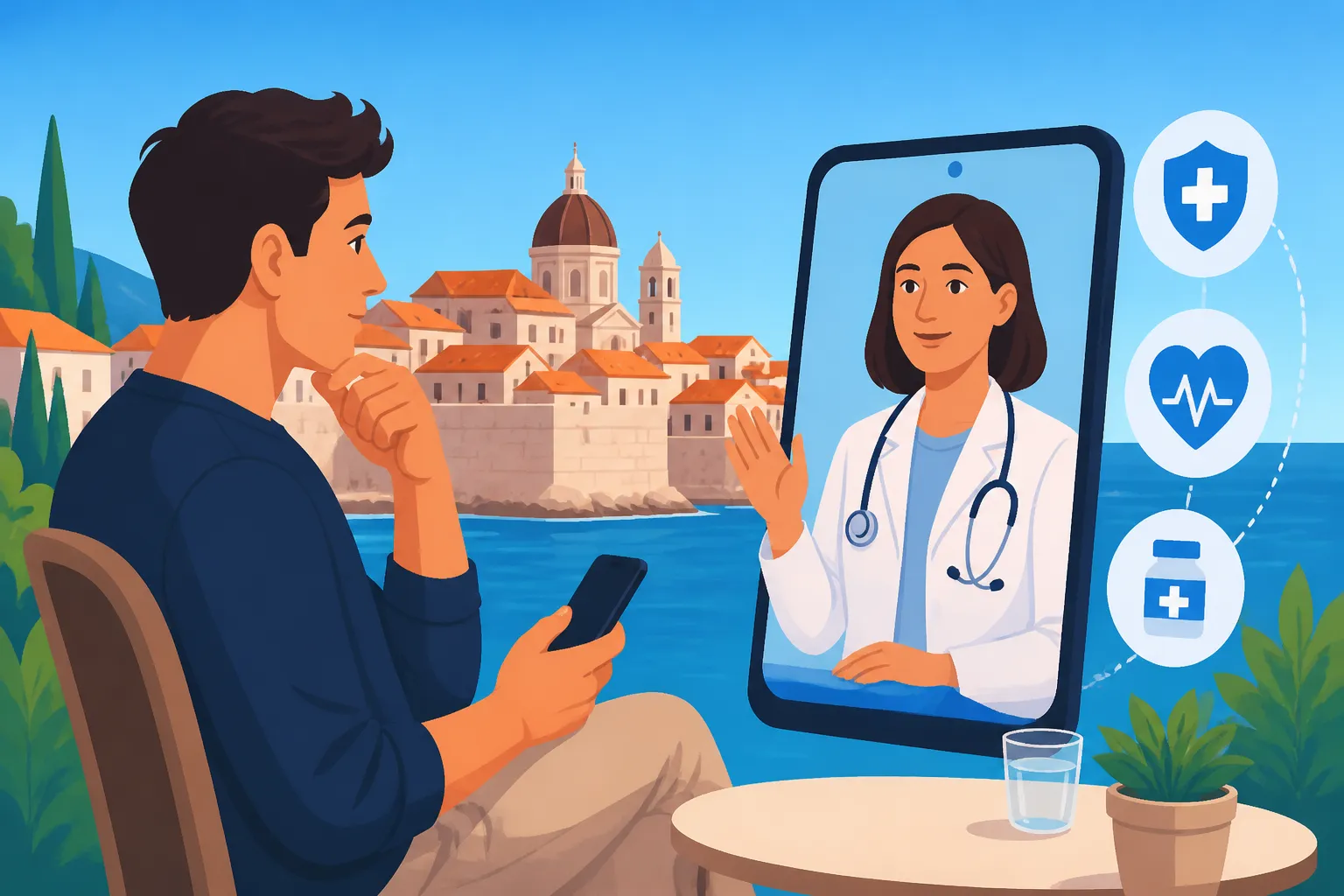
Moving to a new country like Croatia is an adventure, but waking up with a fever and realizing you have no idea how to navigate a foreign medical system can be terrifying. This guide demystifies whether you can skip the crowded waiting rooms of the local clinic and use telemedicine services in Croatia, providing you with a clear roadmap for virtual care options.
The Evolution of Digital Health in the Adriatic
The Croatian healthcare system has historically been known for its heavy reliance on physical paperwork and face-to-face interactions at the local health center. However, the landscape has shifted dramatically over the last few years. As an expat, you will find that the concept of telemedicine is no longer a futuristic dream but a growing reality, though it operates quite differently depending on whether you are using the public or private sector.
The Public System and the Family Doctor
In the public sector, managed by the Croatian Health Insurance Fund, telemedicine is often less about flashy video apps and more about administrative digital integration. Most expats who have gone through the process of Registering with HZZO in Croatia: The Complete Expat Guide (2027) are assigned a family doctor, or liječnik opće prakse. These doctors are increasingly using digital tools to manage patient loads. While you might not always get a high-definition video call, many GPs now accept consultations via email, Viber, or WhatsApp for non-emergency issues.
The primary use of telemedicine in the public sphere is for renewing chronic prescriptions or discussing laboratory results. If you have already established a relationship with your GP, they can often issue an electronic prescription without you ever stepping foot in the office. This is a massive relief for those who have spent hours in a Dom Zdravlja just to get a repeat of their blood pressure medication. Understanding The Expat Guide to Finding a Family Doctor (Obiteljski Liječnik) in Croatia is crucial here because your access to these "remote" public services depends entirely on being correctly registered in their system.
Private Polyclinics and Virtual Consultations
If you are looking for a more "Western-style" telemedicine experience with dedicated video platforms and easy booking, the private sector is where you should look. Private polyclinics in major cities like Zagreb, Split, and Rijeka have embraced digital health as a way to attract both locals and the growing expat community. Many of these clinics offer specialist consultations via Zoom or proprietary apps.
When using Understanding Private Polyclinics (Poliklinike) in Croatia, you are essentially paying for convenience. You can book an appointment with a dermatologist or a cardiologist and have a 20-minute video call to discuss your symptoms. This is particularly helpful for those who are still learning the language, as private clinics are much more likely to have staff who speak fluent English. These consultations are usually paid out-of-pocket or covered by supplementary insurance plans. For many digital nomads, using a service like SafetyWing can provide the necessary coverage to seek out these private options without worrying about the upfront cost.
International Telemedicine Platforms for Expats
A third option that is becoming increasingly popular among the international community is the use of global telemedicine providers. These platforms connect you with doctors who might be based in the UK, the US, or elsewhere in the EU. For many expats, the comfort of speaking to a doctor who understands their cultural context and medical history is worth the extra effort.
SafetyWing is a brand frequently mentioned in these circles because their nomad-friendly insurance often includes or facilitates access to remote medical consultations. This is a lifesaver if you find yourself in a remote part of Hvar or the mountains of Lika where the nearest specialist might be a three-hour drive away. These international platforms are excellent for second opinions or mental health support, but keep in mind that a doctor outside of Croatia cannot issue a local "e-Recept" that works in a Croatian pharmacy.
How to Access Telemedicine Services as an Expat
Accessing digital care in Croatia requires a bit of preparation. You cannot simply download an app and expect a doctor to appear within minutes without some prior administrative groundwork. The way you access these services will depend heavily on your residency status and the type of insurance you hold.
Registering Your Digital Identity
To truly benefit from the digital side of Croatian healthcare, you should look into the e-Građani (e-Citizens) portal. This system is the backbone of digital life in Croatia. Once you have your OIB and a residency permit, you can access your medical records, see your prescriptions, and even track your referrals online. If you are still in the early stages of your move, you might need to know How to Get Your OIB and Why It Matters for Healthcare Access before you can even think about digital health portals.
Without being in the e-Građani system, your "telemedicine" experience will be limited to private video calls or informal emails with a doctor. For those on a digital nomad permit, your access might be more limited to the private sector. If you are wondering about your rights, checking Can I Use Public Healthcare in Croatia on a Digital Nomad Visa? will clarify what you can expect from the state system versus what you need to cover yourself.
Finding English-Speaking Digital Providers
The language barrier is the most common frustration for foreigners. Even if a doctor offers telemedicine, if their booking portal is entirely in Croatian, it feels inaccessible. Many expats start their search by looking for clinics that explicitly advertise "English-speaking staff." In Zagreb, polyclinics like Croatia Poliklinika or Aviva often have sophisticated websites with English options.
When searching for a provider, look for those that offer a "virtual clinic" or "e-konzultacije." If you are using an insurance provider like SafetyWing, you can often use their portal to find recommended providers who are comfortable with remote consultations. This saves you the headache of calling multiple clinics only to be told they only see patients in person. For more localized help, you can also look into How to Find an English-Speaking Doctor in Croatia to narrow down your search to specific regions like Dalmatia or Istria.
The Role of Supplemental Insurance
Basic HZZO insurance covers the bare essentials, but it rarely covers the costs of high-end private telemedicine. This is where Dopunsko or private health insurance comes into play. Many private insurers in Croatia have their own apps where you can message a doctor or book a video call as part of your premium.
If you are self-employed, you should understand How Much Is the Monthly HZZO Contribution for Self-Employed Workers? to ensure your basic coverage is active. However, adding a private layer—either through a local provider or an international one like SafetyWing—is highly recommended if you want priority access to virtual care. SafetyWing, for instance, focuses on the flexibility that nomads need, which often aligns better with telemedicine than traditional, rigid local plans.
The Practicalities of Virtual Prescriptions and Referrals
One of the biggest questions expats have is: "If the doctor sees me on a screen, how do I get my medicine?" This is where Croatia’s "e-Recept" and "e-Uputnica" systems come into play. These systems are surprisingly advanced and are the primary reason why telemedicine is actually functional in the country.
Understanding the e-Recept System
The e-Recept is a paperless prescription system. Once a doctor (usually your registered GP) enters the prescription into the national database using your OIB, it is instantly available at every pharmacy (ljekarna) in the country. You simply walk into the pharmacy, hand over your health card or OIB, and the pharmacist pulls up your prescription on their screen.
This system is perfect for telemedicine. If you have a virtual consultation with a private doctor who is within the Croatian system, they can often issue these electronic prescriptions directly. However, if you are using an international doctor via a platform provided by SafetyWing, they might provide you with a PDF prescription. In this case, you will likely have to take that PDF to a local private GP to have it "transcribed" into the Croatian e-Recept system, or find a pharmacy willing to accept a foreign prescription, which can be hit-or-miss. For more details on this process, see Understanding the e-Recept (E-Prescription) System in Croatia.
Referrals and Specialist Care
If your virtual consultation reveals that you need more intensive care, such as an MRI or a physical examination, the doctor will need to issue an "e-Uputnica" (e-referral). In the public system, only your GP can do this for the costs to be covered by HZZO. This means even if you have a private telemedicine call that suggests you need a specialist, you may still need to contact your public GP to get the official referral.
Navigating this can be a bit of a dance. You might use a private video call for speed and clarity, then take those findings to your public doctor. Understanding How e-Uputnica (E-Referrals) Work for Specialist Appointments in Croatia will help you understand the hierarchy of care. It is a bit of a "bureaucratic hurdle," but knowing the steps beforehand prevents you from showing up at a hospital expecting free care just because a private app told you to go there.
| Service Type | Provider | Best For | Prescription Method |
|---|---|---|---|
| Public Telemedicine | HZZO Family Doctor | Chronic refills, general advice | e-Recept (Digital) |
| Private Telemedicine | Local Polyclinics | Specialist opinions, English support | e-Recept or Private Paper |
| International Apps | SafetyWing / Global Platforms | Travel health, mental health, nomads | PDF / Foreign Prescription |
| Mental Health | Private Psychiatrists | Therapy, counseling | Private Paper / e-Recept |
Pros and Cons of Virtual Care in Croatia
While telemedicine is convenient, it is not a silver bullet. There are specific cultural and technical nuances in Croatia that you should be aware of before relying solely on your laptop for medical advice.
The Benefits for the Expat Community
The most obvious benefit is the reduction in "waiting room anxiety." If you have ever been to a Dom Zdravlja (Health Centre) in Croatia, you know that the "system" often involves standing in a hallway until a nurse calls your name, regardless of whether you had an appointment. Telemedicine bypasses this entirely.
For those struggling with the language, a video call allows you to use translation tools or have a friend sit nearby to help. It also opens up access to specialists who might be based in Zagreb while you are living the quiet life in a village in Slavonia. Using a service like SafetyWing also ensures that if the virtual call results in a recommendation for expensive private treatment, you have the financial backing to follow through without draining your savings.
The Limitations and Cultural Hurdles
Croatia is still a society that values "the personal touch." Some older doctors may be dismissive of telemedicine and might insist on seeing you in person for even the most minor issues. Furthermore, physical examinations are obviously impossible. If you have a suspicious mole or a potential broken bone, a screen won't help you much.
There is also the issue of Understanding Participacija (Co-Payments) in the Croatian Health System. Even with a virtual call, there might be small fees involved that you need to settle via a bank transfer or at the clinic later. Additionally, the public system's digital infrastructure sometimes goes offline, meaning your e-prescription might not "show up" at the pharmacy immediately after your call.
Telemedicine and Mental Health
One area where telemedicine is truly thriving in Croatia is mental health. Many expats find it difficult to find a local therapist who truly understands the unique stresses of living abroad. Virtual platforms allow you to connect with English-speaking psychologists or psychiatrists.
Whether you are seeking help through the public system or looking for private options, How to Access Mental Health Services in Croatia as an Expat is a vital resource. Many find that the privacy of their own home makes these sensitive conversations much easier, and the virtual format allows for more consistent scheduling, which is key for successful therapy. SafetyWing and similar providers often place a high priority on mental health access, recognizing that the "expat blues" are a real and pressing issue for many in the community.
Preparation Checklist for Your Virtual Appointment
To ensure your first telemedicine experience in Croatia goes smoothly, follow these steps:
- Check Your Insurance: Confirm if your provider, such as SafetyWing, covers virtual visits and if they have a preferred platform.
- Verify Your OIB: Ensure you have your Personal Identification Number handy, as almost every Croatian medical provider will ask for it.
- Test Your Tech: Croatian internet is generally good, but if you are in an old stone house with thick walls, make sure your Wi-Fi can handle a video call.
- Prepare Your History: Have a list of your current medications and past surgeries ready in English (and ideally, translated into Croatian if you are using a public doctor).
- Confirm the Prescription Process: Ask the doctor explicitly, "Will you be issuing an e-Recept, or do I need to pick up a physical paper?"
- Understand the Costs: If paying privately, ask for the price upfront. The Cost of Healthcare in Croatia: A Complete Breakdown for Foreigners (2026) can give you a baseline of what to expect.
Telemedicine is a powerful tool for the modern expat. It bridges the gap between the complex, often traditional Croatian medical system and the fast-paced needs of an international lifestyle. By combining the local HZZO system with flexible private options and international insurance like SafetyWing, you can ensure that medical help is always just a few clicks away, no matter where you are in the Land of a Thousand Islands.
Disclaimer
The information provided in this guide is for informational purposes only and does not constitute professional medical or legal advice. Healthcare regulations and digital systems in Croatia are subject to change. Always consult with a qualified medical professional or the relevant Croatian authorities (HZZO/MUP) regarding your specific health needs and residency requirements.