How Do I Find an Orthodontist for My Child in Croatia?
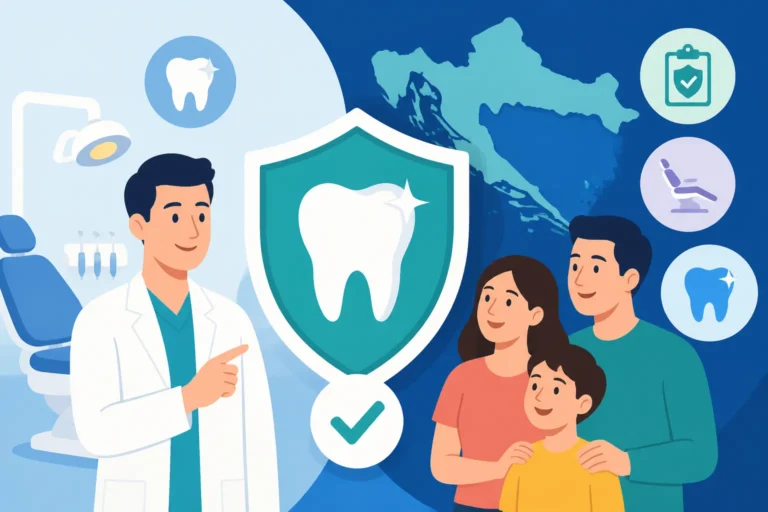
Finding out your child needs braces is stressful enough, but navigating the specialized world of pediatric orthodontics in a foreign country can feel like an administrative mountain. This guide breaks down exactly how to find a qualified orthodontist for your child in Croatia, explaining the crucial differences between the state-funded HZZO system and private polyclinics to ensure your child gets the best care possible.
Understanding the Croatian Orthodontic Landscape
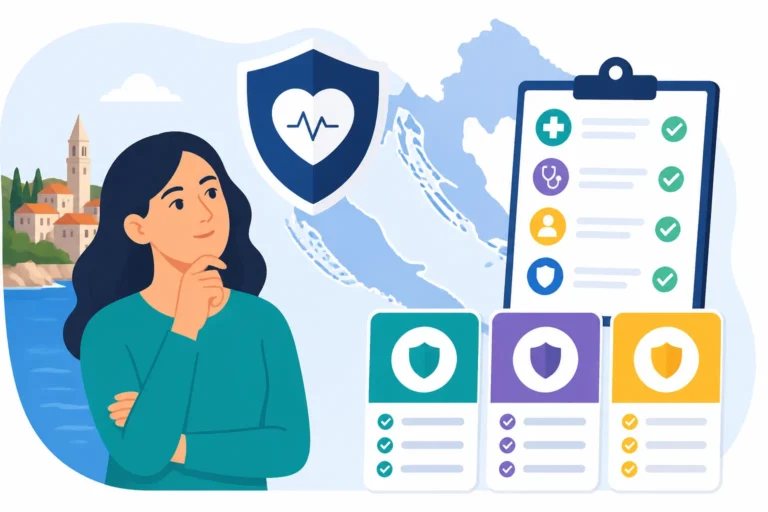
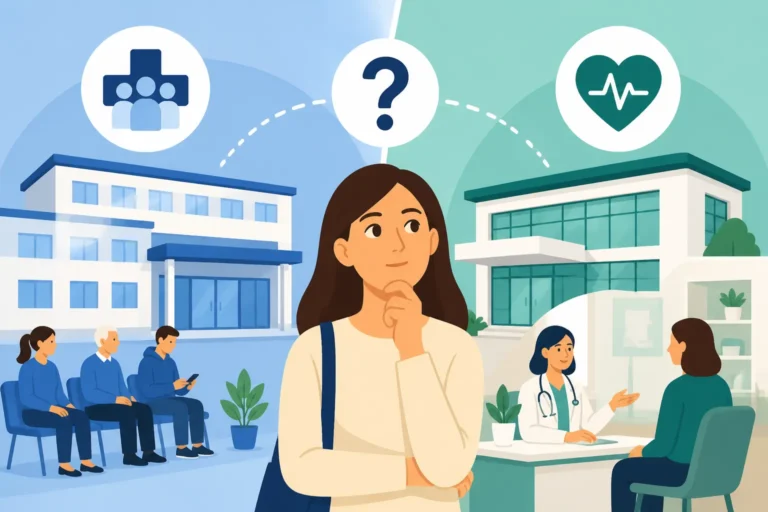
When you first realize your child might need corrective dental work, the first thing to understand is that Croatia has a very high standard of dental education, but the delivery of care is split into two distinct worlds. You have the public system, managed by the state, and the booming private sector, often referred to as "poliklinike." For an expat, the path you choose depends heavily on your residency status, your budget, and how much time you are willing to wait.
The public system is built around the How the Croatian Health Insurance Fund (HZZO) Works: A Full Overview framework. Under this system, children under the age of 18 are entitled to certain orthodontic treatments, including fixed or mobile braces, free of charge. However, the catch is the "lista čekanja" or waiting list. In major hubs like Zagreb or Split, the wait for state-funded braces can stretch into several years. For many parents, this delay is unacceptable because orthodontic intervention is often time-sensitive.
In contrast, the private sector offers immediate availability and state-of-the-art technology but comes with a price tag that is paid entirely out-of-pocket. Many families who are initially Registering with HZZO in Croatia: The Complete Expat Guide (2027) find that while the public system is great for routine check-ups, the specialized nature of orthodontics often pushes them toward private specialists. Private clinics in Croatia are world-class, often attracting "dental tourists" from across Europe, so you can expect a high level of English proficiency and modern equipment.
The Role of the Primary Dentist and Referrals
You cannot simply walk into a public orthodontic clinic and ask for braces. The process must start with your child’s primary dentist, known as a "primarni stomatolog." If you haven't yet found a regular dentist for your family, this should be your first priority. You will need to ensure your child is registered with a dentist who has a contract with the state insurance fund.
During a routine check-up, if the dentist identifies a "malokluzija" (malocclusion) or other structural issues, they will issue an "uputnica," which is an electronic referral. This referral is the golden ticket in the Croatian healthcare system. Once the referral is entered into the system, you can search for an "ortodont" who accepts HZZO patients. It is important to know What Health Services Are Free for Children Under HZZO? because while the braces themselves might be covered, certain premium materials or specific types of "invisible" aligners usually are not.
If you decide to bypass the public system entirely and go private, you do not need an uputnica. You can simply call a private polyclinic and book a consultation. This is a popular route for those on a digital nomad permit or those using SafetyWing for their initial relocation period. While SafetyWing primarily focuses on unexpected illness and injury, having that baseline of international coverage provides a safety net while you navigate the local dental landscape.
Finding an Orthodontist in Major Cities
Zagreb is the heart of Croatian medicine, and it is where you will find the highest concentration of specialists. The "Stomatološka poliklinika Zagreb" in Perkovčeva street is perhaps the most famous institution for dental care in the country. It is a massive facility that handles both public and private patients. If you are looking for the state-funded route, this is often the starting point, though the queues can be daunting.
In the coastal regions, finding a specialist requires a bit more local networking. In Split, the "Dom Zdravlja" system is the primary provider of public care. You should familiarize yourself with Understanding the Role of the Dom Zdravlja (Health Centre) in Croatia to understand how these community health centers function as gateways to specialist care. For private options in Split or Zadar, many expats rely on Facebook groups or word-of-mouth recommendations from other international parents.
When searching for a clinic, specifically look for "Specijalistička ortodontska ordinacija." This ensures that the practitioner has completed the necessary three-year residency in orthodontics beyond their general dental degree. In Croatia, the title "Specijalist ortodont" is protected and signifies a high level of expertise. For expats who are still getting settled, ensuring you have your paperwork in order is vital; you cannot access these specialists easily without How to Get Your OIB and Why It Matters for Healthcare Access as this number tracks all your medical records and insurance claims.
Navigating the Public Waiting Lists
The "lista čekanja" is a common topic of frustration at expat meetups. Because orthodontic treatment for minors is covered by the state, demand far outstrips supply. It is not uncommon for a child to be put on a list at age 10 and not receive their braces until they are 13 or 14. For some dental issues, this window is fine, but for others, earlier intervention is required.
To manage this, some parents choose a "hybrid" approach. They might get the initial diagnostic work—like the "ortopan" (panoramic X-ray) and the "otisak" (impressions)—done privately to speed up the assessment, and then present these to the HZZO specialist. However, most public specialists will still require their own diagnostic process. If you find the wait time is too long, you might explore Understanding Private Polyclinics (Poliklinike) in Croatia to see if a payment plan makes private care more feasible.
It is also worth noting that the HZZO only covers "medicinally necessary" orthodontics. If the issue is purely cosmetic and does not affect the child's bite or long-term oral health, the state might decline coverage. This is a subjective area, and having a good relationship with a The Expat Guide to Finding a Family Doctor (Obiteljski Liječnik) in Croatia who can advocate for your child’s overall health can sometimes help in navigating these bureaucratic hurdles.
Comparing Costs and Insurance Options
If you choose the private route, you should be prepared for the costs. While cheaper than in the US or the UK, Croatian private orthodontics are not "cheap" by local standards. A full set of fixed metal braces typically ranges from €2,000 to €3,500, while clear aligners like Invisalign can cost between €3,500 and €5,000. These prices usually include all follow-up appointments and adjustments over a two-year period.
Most private clinics offer "obročno plaćanje" (installment payments), which can make the cost much more manageable for families. They are very used to dealing with foreigners and often have clear, English-language contracts. During this transition period, many expats find that services like SafetyWing are indispensable for covering other medical emergencies, allowing them to allocate their savings specifically for their child's dental milestones.
| Feature | Public System (HZZO) | Private Polyclinic |
|---|---|---|
| Cost | Free for children < 18 | €2,000 – €5,000+ |
| Waiting Time | 1 to 5 years | Immediate (1-2 weeks) |
| Referral Needed | Yes (from primary dentist) | No |
| Language | Mostly Croatian (depends on doctor) | High English proficiency |
| Technology | Standard / Traditional | Cutting-edge / Esthetic options |
Communication and Language Barriers
One of the biggest fears for expat parents is the language barrier during a medical procedure. In the public system, especially at a "Dom Zdravlja," the administrative staff may not speak fluent English, even if the doctor does. It is helpful to learn a few key phrases:
- "Ortodont za djecu" (Orthodontist for children)
- "Fiksni aparatić" (Fixed braces)
- "Mobilni aparatić" (Removable braces)
- "Prvi pregled" (First examination)
In the private sector, the experience is vastly different. Many private orthodontists have studied abroad or attend international conferences regularly. They are often more than happy to explain the nuances of the treatment plan in English. If you are specifically looking for someone who can communicate clearly, you can refer to our guide on How to Find an English-Speaking Doctor in Croatia which includes tips on vetting specialists.
Communication is also vital when it comes to Understanding Dental Care Coverage Under HZZO in Croatia. You need to be very clear with the doctor about what is covered by the state and what constitutes an "extra" charge. Sometimes, a doctor might suggest a "better" bracket for the braces that isn't covered by HZZO, and you will be asked to pay the difference. Always ask for a "ponuda" (quote/offer) in writing before proceeding with any treatment that isn't strictly standard.
Practical Steps for Your First Visit
When you finally secure an appointment, whether public or private, you need to bring a specific set of documents. For the public system, you must have your child’s health insurance card ("zdravstvena iskaznica") and the OIB. If you are an EU citizen, your EHIC card might cover emergency dental work, but for elective orthodontics, you generally need to be registered in the local Croatian system.
The first visit is usually a "pregled" (exam) where the orthodontist will assess the jaw structure and tooth alignment. They will likely send you to get an "ortopan" (X-ray). In cities like Rijeka or Osijek, there are specific diagnostic centers that only do dental imaging. You don't always need an appointment for an X-ray; you can often just walk in with your referral or your private request and get it done in ten minutes.
After the X-ray, the orthodontist will create a "plan terapije" (therapy plan). This document outlines how long the braces will be worn, what type of appliances will be used, and the expected outcome. If you are using international health insurance or a travel-ready policy like SafetyWing for your broader medical needs, keep all your receipts. Even if they don't cover the braces themselves, having a clear record of all medical interactions in Croatia is essential for future residency renewals or insurance claims.
Summary of the Search Process
Finding an orthodontist in Croatia requires a mix of patience for the public system and research for the private one. Start with a local dentist to get the lay of the land and a baseline assessment. If time is on your side, the HZZO system is a fantastic benefit that saves families thousands of euros. If your child needs immediate help or you prefer a specific modern treatment like clear aligners, the private polyclinics in Zagreb, Split, and Rijeka offer world-class care that is still more affordable than in many Western nations.
Don't be afraid to visit two or three different polyclinics for a consultation. Most private clinics offer the initial exam for free or a very low fee (around €30-€50). This allows you to check the "vibe" of the office, the friendliness of the staff, and the doctor's ability to connect with your child. In a journey that lasts two years or more, feeling comfortable with your specialist is just as important as the clinical outcome.
Disclaimer
The information provided in this guide is for informational purposes only and does not constitute professional medical or legal advice. Healthcare regulations and insurance policies in Croatia are subject to change. Always consult with a qualified medical professional and the Croatian Health Insurance Fund (HZZO) for the most current information regarding your specific situation and coverage eligibility.