What Vaccinations Are Required for Children in Croatian Schools?
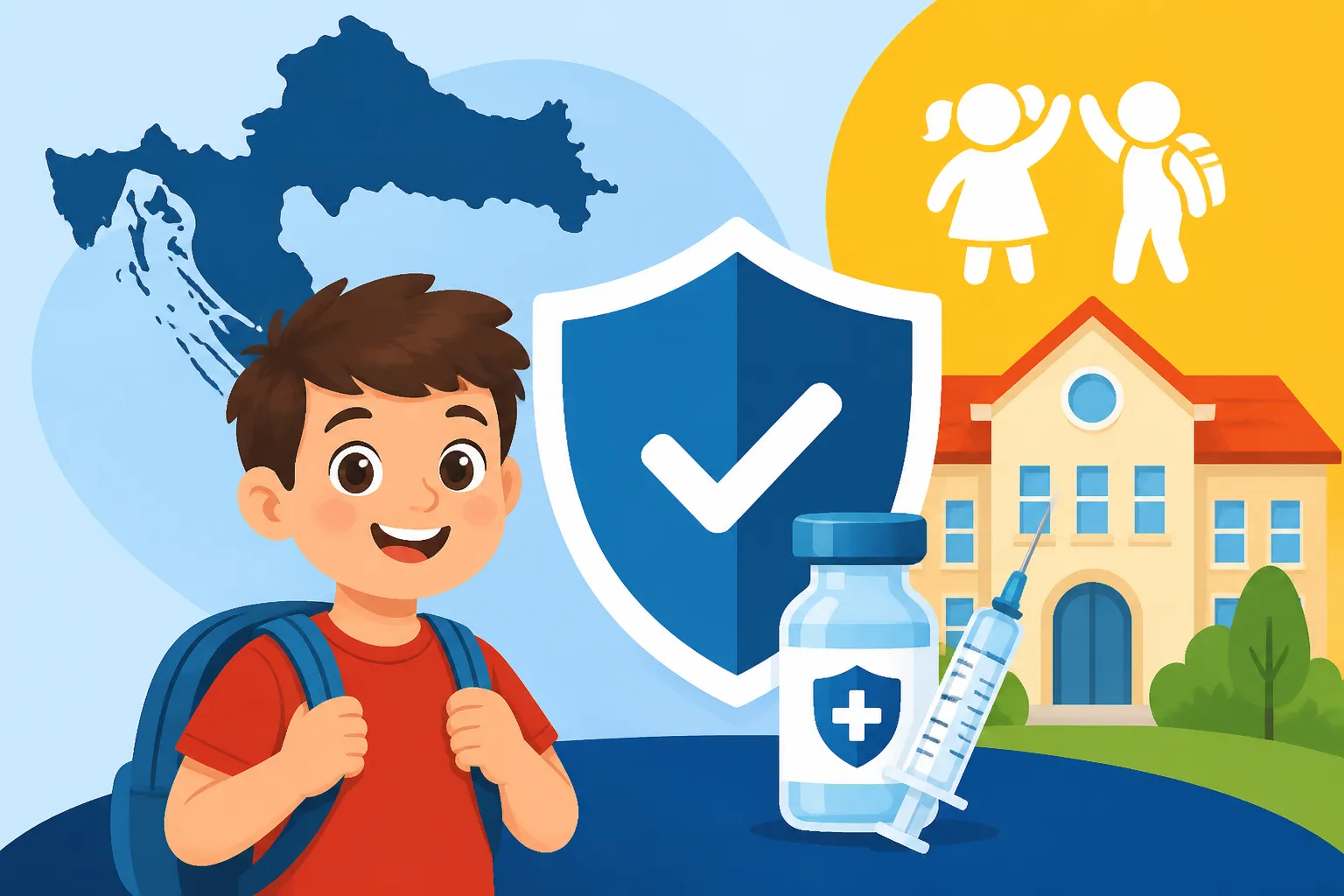
Moving to a new country with children is a whirlwind, and among the many bureaucratic hurdles, understanding the local healthcare system and, specifically, vaccination requirements for school enrollment can feel like a whole new level of stress. You're not alone in feeling overwhelmed by trying to figure out what jabs your kids need to legally attend school here in Croatia. This guide is designed to cut through the confusion, offering a clear, empathetic roadmap for expat parents navigating the mandatory vaccination landscape for Croatian schools.
Understanding Croatia's Vaccination Philosophy for School Children
Croatia, like many European countries, places a strong emphasis on public health and preventative medicine, particularly when it comes to protecting its youngest citizens. The approach to childhood vaccinations is quite structured and underpinned by a legal framework that prioritizes the health of both individual children and the wider community. It’s less about parental choice in the abstract and more about collective responsibility, which can be a bit of a culture shock for those coming from countries with more flexible or optional vaccination policies. The state considers vaccinations a fundamental part of a child's health journey, crucial for their overall development and for preventing the spread of infectious diseases within schools and playgrounds.
The Public Health Approach
The Croatian public health system views mandatory childhood vaccinations as a cornerstone of disease prevention. This isn't just about safeguarding your child; it's about creating "herd immunity" within the population, especially in communal settings like schools, where illnesses can spread rapidly. Because of this strong public health stance, a child's vaccination status is a critical piece of information required for school enrollment. There isn't much wiggle room when it comes to the standard mandatory schedule, and schools are legally obligated to ensure compliance. It’s a bit of a strict approach, but it stems from a deeply ingrained belief in collective protection.
Mandatory vs. Recommended Vaccinations
In Croatia, the distinction between mandatory and recommended vaccinations for school-aged children is quite clear, and the mandatory ones are precisely what schools will be checking for. The official program, overseen by the Croatian Institute of Public Health (HZJZ), mandates several vaccines. These aren't just suggestions; they are legal requirements for children attending kindergarten (vrtić) and primary school (osnovna škola). Failing to adhere to this schedule can, in theory, lead to difficulties with enrollment, though authorities usually work with parents to get children up to date. Recommended vaccinations, on the other hand, are typically optional but encouraged by pediatricians for additional protection against certain diseases, but they won't impede school entry. The focus for school purposes is squarely on the mandatory list.
The Official Vaccination Schedule in Croatia
Navigating the exact schedule can be tricky, especially if your child has started their vaccination journey in another country. Croatia follows a well-established, standardized vaccination calendar from birth through adolescence. It’s important to understand that your pediatrician will be your main guide through this, but having a general overview can certainly help you prepare.
Key Vaccinations Required for School Entry
For entry into Croatian schools, particularly primary school, children must have received a series of mandatory vaccinations as outlined by the national immunization program. These generally include protection against several common and potentially severe childhood diseases.
Here’s a simplified overview of the key mandatory vaccinations, and roughly when they are administered:
| Vaccine (Disease Protected Against) | Typical Schedule (Ages) | Notes for School Entry |
|---|---|---|
| BCG (Tuberculosis) | At birth | Usually given in the hospital. |
| DTPa (Diphtheria, Tetanus, Pertussis – acellular) | 2, 4, 6, 18 months; 5-7 years (booster) | Crucial booster before primary school. |
| Polio (IPV) | 2, 4, 6, 18 months; 5-7 years (booster) | Often combined with DTPa. |
| Hib (Haemophilus influenzae type b) | 2, 4, 6, 18 months | Part of the early childhood series. |
| HepB (Hepatitis B) | At birth, 1, 6 months | Usually completed in infancy. |
| MMR (Measles, Mumps, Rubella) | 12-15 months; 5-7 years | The second dose is absolutely critical for school entry. |
This table provides a general idea, but your child's exact schedule might vary slightly based on individual circumstances or if they've had vaccinations abroad. The key takeaway here is that by the time your child is ready to enter primary school (around age 6-7), they will be expected to have completed the full primary series for DTPa, Polio, Hib, HepB, and crucially, both doses of MMR. For many expat parents, the second MMR booster, typically given just before school, is the one they most need to align with Croatian requirements.
What if Your Child is Behind on Vaccinations or Has Exemptions?
It’s completely understandable that children moving from another country might have a vaccination schedule that doesn't perfectly match Croatia's. This is a common scenario for expat families, so don't panic! The Croatian health authorities are generally practical and will work with you to get your child up to date.
The first and most important step is to gather all your child's existing vaccination records, preferably translated into Croatian by a certified translator. Once you have registered with a local family doctor, or more specifically a pediatrician ( pedijatar ), they will review these records against the Croatian national schedule. If your child is missing any mandatory doses, the pediatrician will outline a "catch-up" schedule. These catch-up vaccinations are typically administered at your local Dom Zdravlja (health centre) by the school medicine department (školska medicina), and they are generally free under the public health system.
Regarding exemptions, Croatia's stance is quite strict. Medical exemptions are recognized, but they are rare and require very specific documentation from a medical professional, outlining why a particular vaccine is contraindicated for your child due to a health condition. Philosophical or conscientious objections are generally not recognized as valid reasons for exemption from mandatory vaccinations for school entry. This can be a point of contention for some expat families, but it’s a non-negotiable aspect of the Croatian public health policy. If you find yourself in this situation, it’s vital to consult with your pediatrician and perhaps even legal advice as early as possible to understand your options, which may be limited.
Navigating the Process as an Expat Parent
Dealing with administrative processes in a new country can feel like navigating a maze blindfolded, and school enrollments are no different. When it comes to vaccinations, the trick is to be proactive and organized.
Working with Your Pediatrician (Pedijatar)
Your pediatrician is truly your lifeline in this process. Once you’ve settled in and gone through the steps of How to Register Family Members for Health Insurance in Croatia and Registering with HZZO in Croatia: The Complete Expat Guide (2027), finding a pediatrician is paramount. They are not just for sick visits; they are responsible for your child's preventative care, including vaccinations.
When you first visit your chosen pedijatar, bring all your child’s health records, including their vaccination booklet or certificate from your home country. Even if you've already had them translated, bring the originals too. Your Croatian pediatrician will carefully review these, compare them to the Croatian schedule, and advise you on any missing vaccinations or necessary boosters. They will then help you arrange appointments at the školska medicina department within the Dom Zdravlja to get those jabs done. This is often where children receive their mandatory pre-school boosters like the second MMR. Having an English-Speaking Doctor in Croatia, especially a pediatrician, can make these conversations much smoother and less stressful. Many foreign families have found excellent support through the public system once they navigate the initial registration.
The School's Role and Enrollment Procedures
When it comes time to enroll your child in a Croatian school, their vaccination record will be a key document required by the school administration. Schools work closely with the public health system, and specifically with the školska medicina departments. Typically, before final enrollment, the school will ask for a certificate from the Dom Zdravlja confirming that your child has received all mandatory vaccinations according to the Croatian schedule, or that a catch-up plan is in place.
It’s not uncommon for schools to require a medical certificate (liječnička potvrda) from the školska medicina doctor, stating that the child is fit for school and has received all required immunizations. This document acts as official proof. If your child's vaccinations are not up-to-date, the school will likely direct you back to your pediatrician or the školska medicina department to rectify the situation before confirming enrollment. While it might seem daunting, schools generally want to help you get your child settled, so open communication is key. They understand that expats come from different systems. Just be prepared with your documents and be ready to follow the prescribed steps. Your OIB is also essential for all administrative processes, including school enrollment, so ensure you have that sorted early on.
Practical Tips and Important Considerations
Moving and integrating into a new healthcare system is a journey, and there are always little tips and tricks that can make it smoother.
Costs and Health Insurance Implications
For children enrolled in the Croatian public health insurance scheme, HZZO, all mandatory vaccinations included in the national immunization program are free of charge. This is a huge relief for many expat parents, as vaccination costs in some other countries can be substantial. So, once your family is properly registered with HZZO, you won't face direct costs for these essential jabs. If you are still in the process of getting your HZZO sorted, or perhaps on a temporary visa like a digital nomad permit where Can I Use Public Healthcare in Croatia on a Digital Nomad Visa? is a common question, you might need to rely on private health insurance. For instance, temporary solutions like SafetyWing can provide crucial coverage for emergencies and general health needs while you're getting set up, offering a safety net before your public insurance is active or if your visa status doesn't grant immediate public access. Just ensure any private plan you choose covers preventative care like vaccinations if you anticipate needing them before HZZO kicks in.
Keeping Records Organized
My best advice as an expat veteran is to keep everything. Create a dedicated folder for your children's medical records. This should include:
- Original vaccination records from your home country.
- Certified translations of those records.
- Any new vaccination certificates issued in Croatia.
- Your child’s HZZO card (health insurance card).
- Contact details for your pedijatar and the školska medicina department.
Having these documents readily accessible will save you immense stress down the line, whether it's for school, sports, or future residence permit renewals.
General Health and Well-being for Expat Children
Beyond vaccinations, understanding the broader healthcare system for your children is vital. Croatia has a robust system of Dom Zdravlja (health centres) which serve as the primary point of contact for routine care. Learning about Understanding the Role of the Dom Zdravlja (Health Centre) in Croatia will empower you as a parent. Should your child need specialist care or hospital treatment, the pedijatar will issue a referral (e-uputnica), guiding you to the appropriate specialist or clinical hospital centre (KBC). This referral system is integral to how healthcare works here. While waiting lists for specialists can sometimes be a concern in the public system, especially for non-urgent matters, critical care is always prioritized.
Remember that adapting to a new country can take a toll on everyone, including children. Encourage them to talk about their feelings, maintain routines where possible, and take advantage of the many beautiful parks and outdoor activities Croatia offers for their physical and mental well-being. And if you ever feel lost or isolated, remember there are many expat groups online and in person eager to share their experiences and offer support.
Disclaimer
Please remember that I am a lifestyle blogger and expat veteran, not a legal or medical professional. While I strive to provide accurate and up-to-date information based on my experiences and available public resources, policies and regulations in Croatia can change. It is always crucial to verify specific requirements with official Croatian government sources, such as the Ministry of Health (Ministarstvo zdravstva), the Croatian Institute of Public Health (HZJZ), the Ministry of Interior (MUP), your local Dom Zdravlja, and your child's pediatrician. This guide is intended for informational purposes only and should not be considered a substitute for professional medical or legal advice.