Understanding the Role of the Dom Zdravlja (Health Centre) in Croatia
Oh, the Croatian healthcare system. Just the mention of it can bring a wave of bewildered nods and shared sighs from expats who've been here a while. You've landed in this beautiful country, perhaps charmed by the Adriatic, only to discover that getting a doctor's appointment isn't quite like back home. One of the biggest pieces of this puzzle, and often the first port of call for any expat, is the mysterious Dom Zdravlja, or health centre. This guide is here to untangle exactly what a Dom Zdravlja is, what services you can realistically expect from it, and how to navigate it without losing your mind (or your temper!).
What Exactly is a Dom Zdravlja? (And Why You Should Care)
When you first arrive, hearing "Dom Zdravlja" can be confusing. It sounds official, a bit daunting, and vaguely like a hospital, but it's not quite. Think of it as the foundational layer of Croatia's public healthcare system, a crucial stepping stone to nearly all other medical services. Ignoring its importance is like trying to build a house without a foundation – it just won't work in the long run.
More Than Just a Doctor's Office: A Central Hub
A Dom Zdravlja isn't simply where your family doctor (your obiteljski liječnik) holds office, though that's certainly a major part of its function. These centres are designed to be comprehensive primary healthcare hubs, consolidating a wide array of basic medical services under one roof or within a network of local branches. It's meant to be your first point of contact for anything from a common cold to getting a referral for a specialist.
For an expat, understanding this multi-faceted nature is key. You might walk in expecting just a general practitioner, but find dental services, laboratory testing, and even some specialist consultations happening in the same building. It's a pragmatic approach to healthcare delivery, especially vital in smaller towns and rural areas where a full-blown hospital might be hours away. This centralisation, while sometimes feeling a bit impersonal, ensures that essential services are accessible to the local population, including us foreigners. It's a far cry from the sleek, private clinics, but it's where the majority of Croatians, and by extension, you, will receive their day-to-day medical care, especially if you're relying on public health insurance.
The Hierarchy of Croatian Healthcare: Where it Fits
To truly grasp the Dom Zdravlja's role, you need to understand where it sits in the broader Croatian healthcare structure. It's the base of the pyramid. At the very top, you have the KBCs (Clinical Hospital Centres), which are large, often university-affiliated hospitals offering highly specialised care and complex surgeries. Below them are general hospitals in larger cities, providing a range of secondary care.
But right at the bottom, supporting everything, are the Dom Zdravlja units. They are the gatekeepers, the initial point of assessment, and the ones who decide if and when you need to be escalated to higher levels of care. You typically can't just waltz into a specialist's office or a hospital ward without a referral (uputnica) from your GP, and your GP is almost always found within a Dom Zdravlja. This system is designed to manage resources, ensuring that hospitals and specialists aren't overwhelmed with cases that could be handled at a primary care level. For us, this means that forging a good relationship with your GP at the Dom Zdravlja is paramount. They are your guide through what can feel like a labyrinthine system.
Understanding the "Dom Zdravlja" Name
Let's break down the name itself, as it offers a clue to its purpose. "Dom" translates to "home" or "house," and "Zdravlja" means "of health." So, literally, it's a "House of Health." It's an endearing term, really, implying a community hub dedicated to well-being. And in many ways, that's what it aims to be.
Historically, these centres were established to provide universal access to primary healthcare across Yugoslavia, and Croatia inherited this robust system. They were built to be community-focused, ensuring everyone had access to basic medical attention, regardless of their location or socio-economic status. While the modern healthcare landscape has evolved, with the emergence of private clinics and an increasing number of specialists operating independently, the Dom Zdravlja remains the backbone of public health provision. It's a testament to the idea that fundamental health services should be a right, not a luxury. So, when you hear "Dom Zdravlja," try to picture it as your local community's dedicated "health home," even if sometimes it feels more like a bustling bus station during rush hour.
Services You Can Expect at Your Local Dom Zdravlja
The Dom Zdravlja is a bit like a medical Swiss Army knife, offering a surprising range of services beyond just your routine check-up. While the exact offerings can vary slightly from one municipality to another, especially between a large city like Zagreb and a smaller island town, there's a core set of services you can generally count on.
Primary Care: Your Family Doctor (Obiteljski Liječnik)
This is, without a doubt, the most important service you'll access at a Dom Zdravlja. Your obiteljski liječnik (family doctor), sometimes referred to as a GP (liječnik opće prakse), is your primary point of contact for almost all non-emergency medical needs. They handle everything from diagnosing common illnesses like colds and flu, managing chronic conditions, issuing prescriptions, to providing general health advice.
Registering with a family doctor is one of the first crucial steps when you get your health insurance sorted with HZZO. This doctor will become your central medical record keeper, your first port of call, and the person who writes all your referrals for specialist care or diagnostic tests. It's a relationship you'll want to cultivate, as they hold the keys to navigating the rest of the public system. Don't be surprised if your first visit feels a bit rushed, especially in busier city centres. It's a high-volume environment, but once you establish a rapport, things tend to smooth out. It's also worth noting that many family doctors operate as private practitioners within the Dom Zdravlja framework, meaning they have a contract with HZZO but manage their own practices. This can sometimes lead to slightly better service than a fully state-employed doctor.
Specialized Outpatient Clinics: Beyond the GP
While your family doctor is the generalist, many larger Dom Zdravlja locations also host a variety of specialized outpatient clinics. These aren't the high-tech, complex departments of a hospital, but rather provide accessible, local specialist care for common issues. You might find a pediatrician (pedijatar) for children, a gynecologist (ginekolog) for women's health, or a dental office (stomatolog).
Some larger centres might even offer basic consultations for ophthalmology, physical therapy, or dermatology. Accessing these specialists usually requires a referral from your family doctor, even if they're in the same building. This is part of the system designed to filter patients appropriately. While waiting lists for these in-house specialists can still exist, they are often shorter than those for hospital-based specialists, making them a good option for less urgent issues. You'll likely encounter a similar level of efficiency – or charming bureaucracy – as you do with your GP. It's important to ask your GP what specialist services are available directly within your Dom Zdravlja before they refer you further afield.
Emergency and After-Hours Care: When Your GP is Closed
It's 2 AM, you're not feeling well, and your family doctor's office is obviously closed. What do you do? Many Dom Zdravlja locations offer some form of after-hours or emergency care, known as hitna medicinska pomoć (emergency medical assistance) or dežurna ambulanta (on-call clinic). This isn't for life-threatening emergencies – for those, you call 112 – but for urgent medical issues that can't wait until your GP's office reopens.
These services are typically staffed by general practitioners or nurses and can handle things like high fevers, sudden severe pain, minor injuries, or acute infections. It's a crucial service for those unexpected medical wobbles that happen outside of regular working hours. Knowing where your local Dom Zdravlja offers this service, and their operating hours, is invaluable information, especially if you're not fluent in Croatian and the idea of navigating a hospital emergency room feels daunting. Always confirm the hours, as they can vary. It’s a good safety net, especially for those first few months when you're still finding your feet in the country. Many expats, including those using travel insurance like SafetyWing, find themselves directed here for non-life-threatening but urgent issues.
Other Essential Services: From Dental to Diagnostics
Beyond the core medical consultations, Dom Zdravlja facilities often house several other essential services that contribute to comprehensive community healthcare.
- Dental Care: Most Dom Zdravlja units have dental clinics where you can register for basic dental care. While HZZO covers standard services like check-ups, fillings, and extractions, more complex procedures might require co-payments or a visit to a private dentist. Understanding Dental Care Coverage Under HZZO in Croatia is crucial.
- Laboratory Services: Need a blood test or urine analysis? Many Dom Zdravlja locations have in-house labs or designated areas where you can provide samples, usually with a referral from your GP. This is incredibly convenient as it saves you a trip to a separate facility. Results are then sent directly to your family doctor.
- Pharmacy: While not always inside the Dom Zdravlja itself, there is almost always a ljekarna (pharmacy) conveniently located right next door or across the street. This makes getting your e-recept prescriptions filled incredibly easy after your doctor's visit.
- Preventative Care: They often run vaccination programs for children and adults, offer health screenings, and provide educational resources on public health initiatives. Understanding Vaccination Schedules and Requirements in Croatia can be very helpful.
- Home Visits: In some cases, for elderly or severely ill patients, a Dom Zdravlja doctor might arrange a home visit, though this is becoming less common due to resource constraints.
These ancillary services demonstrate the Dom Zdravlja's role as a true community health hub, aiming to meet a wide range of needs beyond just seeing a doctor. It’s all part of the integrated approach to keeping the local population healthy.
Navigating the System: Your First Steps as an Expat
Alright, so you understand what a Dom Zdravlja is. Now, how do you actually use it? For an expat, getting plugged into the Croatian healthcare system, starting with your local health centre, can feel like a bureaucratic quest. But fear not, many have walked this path before you, and with a little patience and persistence, you'll get there.
How to Register: Getting Your Foot in the Door
The very first and most critical step is registering with the Croatian Health Insurance Fund (HZZO). This is your gateway to public healthcare. Once you're registered with HZZO and have your health insurance card (or at least proof of application), you need to choose and register with a family doctor (obiteljski liječnik) at a Dom Zdravlja.
This is often done by simply walking into the Dom Zdravlja, finding an available doctor's office, and asking if they are accepting new patients. You'll need your HZZO card (or equivalent document), your OIB (personal identification number), and possibly your residence permit. Sometimes, finding a doctor with an open list can be a bit of a challenge, especially in popular expat areas or smaller towns. Don't be afraid to ask around, even for recommendations from other expats or local friends. You might have to try a few different offices. When you find one, you'll fill out a form, and voilà, you're officially registered! It's not always a smooth process, but it's a necessary hurdle. It might be helpful to have a local friend with you for translation if your Croatian isn't up to snuff, or even a translation app on your phone. Remember, this is about establishing your base in the system.
The Importance of Your Chosen GP
Once you've registered, your chosen family doctor becomes the lynchpin of your healthcare journey in Croatia. This isn't just a doctor; they are your doctor, and without their referral, accessing almost any other service within the public system is either impossible or significantly more expensive. They are the gatekeeper to specialists, diagnostic tests, and even certain medications.
A good GP at the Dom Zdravlja will not only manage your day-to-day health but also guide you through the complexities of the system. They'll issue your e-uputnica (e-referral) for a specialist, your e-recept (e-prescription) for medications, and provide medical certificates if needed. It's worth investing time in building a good relationship. If you don't feel comfortable or understood by your first choice, remember you do have the option to switch your family doctor. It might take some paperwork and a bit of a wait, but it's often worth it for your peace of mind and health.
Waiting Times and Bureaucracy: Managing Expectations
Let's be realistic: public healthcare systems, especially busy ones, come with their fair share of waiting times and administrative hurdles. Croatia is no exception. While seeing your family doctor at the Dom Zdravlja for an acute issue might be relatively quick (though often after a phone call and a specific appointment time), getting referrals and then actual appointments with specialists can involve significant waits.
This is where your patience will be tested. Waiting lists for certain specialist consultations, diagnostic procedures (like MRIs or ultrasounds), or even minor surgeries can stretch from weeks to several months, sometimes longer. It's a common frustration for both locals and expats alike. The bureaucracy, while often designed for efficiency, can feel cumbersome. Expect paperwork, multiple stamps, and sometimes a bit of back-and-forth. This is where understanding the system truly helps. Knowing that you'll likely need to call your GP for an appointment, then wait for their call back, then collect a referral, and then call the specialist's office (which might be in another city) to get an appointment, is just part of the process. Having an insurance like SafetyWing can be a lifesaver in these scenarios if you decide to go the private route for quicker service, but more on that later.
Public vs. Private: When to Choose Which
The choice between public and private healthcare in Croatia is a dilemma many expats face. The Dom Zdravlja firmly sits within the public system, but it's essential to understand its advantages and limitations compared to the private sector. It's not always an either/or situation; often, a hybrid approach makes the most sense.
The Cost Factor: What HZZO Covers
The most significant advantage of relying on the Dom Zdravlja and the public system is the cost. Once you're registered with HZZO, basic services provided by your family doctor, referrals to specialists within the public system, and many diagnostic tests are covered, often with minimal or no participacija (co-payment). This means that for everyday ailments, chronic condition management, and essential screenings, your expenses are greatly reduced.
However, "covered" doesn't always mean "free." There are standard co-payments for specialist visits, hospital stays, and certain medications unless you have supplementary health insurance (dopunsko zdravstveno osiguranje). This dopunsko effectively covers those co-payments, making your public healthcare experience virtually free at the point of service. Without dopunsko, you might pay anywhere from €1.30 for a GP visit to €13 for a specialist, up to a maximum per year. But even with these potential co-payments, the public system remains significantly more affordable than relying solely on private care, especially for chronic conditions or unexpected long-term illnesses. For those on a tight budget, the Dom Zdravlja is your financial saviour.
Speed and Convenience: The Private Alternative
While the Dom Zdravlja excels in affordability, the private sector typically wins hands-down on speed, convenience, and often, the "patient experience." Private polyclinics (poliklinike) and specialist offices abound in larger Croatian cities like Zagreb, Split, and Rijeka. Here, you can usually book an appointment within days, sometimes even the same day, without needing a referral from a GP. The clinics are often modern, the staff might be more English-speaking, and the appointments tend to be longer and less rushed.
The trade-off, of course, is the cost. A single private specialist consultation can range from €50 to €150 or more, and diagnostic tests can run into hundreds of euros. For complex procedures, the costs can escalate quickly. This is where private health insurance or a robust travel insurance like SafetyWing comes into play. If you're a digital nomad or an expat who values immediate access and avoids waiting lists, paying privately for urgent or specialist care can be incredibly appealing. Many expats use the public Dom Zdravlja for routine GP visits and prescriptions but opt for private clinics for specialist consultations or procedures where waiting times in the public system are prohibitive. It's a pragmatic balance that offers the best of both worlds.
Supplementary Insurance (Dopunsko) and the Dom Zdravlja
As mentioned, dopunsko zdravstveno osiguranje (supplementary health insurance) is an important consideration when using the public system. It's not mandatory, but it covers the participacija (co-payments) that HZZO requires for services like specialist visits, hospital stays, and certain medications. Without it, you'll be paying these small fees out-of-pocket every time you access a service beyond your GP.
The monthly cost for dopunsko is relatively low, often around €10-20, depending on the provider (like HZZO itself, or private insurers such as Croatia Osiguranje or Generali). For most expats planning a long-term stay and relying on the public healthcare system, dopunsko is a no-brainer. It effectively makes your experience at the Dom Zdravlja and subsequent public medical appointments financially seamless, removing those annoying small bills that pop up. While it doesn't shorten waiting times for specialists, it certainly simplifies the financial aspect of your public healthcare journey. Think of it as an upgrade that smooths out the edges of the public system's cost structure.
Common Frustrations and How to Overcome Them
Let's be honest, living in a new country comes with its challenges, and healthcare can often be the most frustrating. The Dom Zdravlja, while essential, is not immune to these expat headaches. But understanding these common pain points is the first step to navigating them successfully.
Language Barriers: Tips for Communication
This is perhaps the biggest hurdle for many non-Croatian speaking expats. While younger medical professionals might have some English proficiency, many doctors and administrative staff at the Dom Zdravlja, particularly outside of major tourist hubs, may have limited or no English. Trying to explain complex symptoms in a foreign language can be incredibly stressful and can lead to misunderstandings or misdiagnoses.
Tips for overcoming the language barrier:
- Bring a friend: If you have a Croatian-speaking friend, ask them to accompany you. This is often the most effective solution.
- Use a translation app: Google Translate or similar apps can be invaluable for translating key phrases, especially for symptoms. Prepare a list of common medical terms or symptoms in Croatian before your visit.
- Write it down: Write your symptoms and questions down in English, then use a translation app to translate them into Croatian to show your doctor. This ensures clarity.
- Find an English-speaking doctor: While rare within the public Dom Zdravlja system, some GPs do speak English. Ask other expats for recommendations, or even call around to different Dom Zdravlja offices. Many private clinics, of course, have English-speaking staff, so if you're feeling desperate, this might be a route worth considering. Finding an English-Speaking Doctor in Croatia can really ease your mind.
- Be patient and polite: Frustration is understandable, but a calm and respectful approach will always yield better results.
The Referral System: E-Uputnica Explained
The uputnica (referral) is the golden ticket in the Croatian public health system. Without it, you simply cannot access specialist care, advanced diagnostic tests, or hospital services, unless it's a true emergency. Your family doctor at the Dom Zdravlja is the only one who can issue this referral. In today's digital age, most referrals are issued electronically, known as e-uputnica.
This means your doctor enters the referral into the system, and it's then accessible to the specialist or clinic. You often won't receive a physical paper document, although some doctors might print a copy for your records. The main confusion for expats often arises when they're unsure if a referral has been issued, or how to then book an appointment with the specialist.
How it works (and what to expect):
- GP visit: You discuss your symptoms with your Dom Zdravlja GP.
- Referral issued: If needed, the GP issues an e-uputnica for a specific specialist or test. They should tell you which type of specialist (e.g., kardiolog for a cardiologist) or test (e.g., ultrazvuk trbuha for an abdominal ultrasound).
- Booking the appointment: You then usually need to call the specific hospital department or specialist's office to book your appointment. Sometimes your GP's nurse can help with this, but often it's your responsibility. This is where waiting lists become a factor. The specialist will then pull up your e-uputnica electronically when you arrive for your appointment. Understanding How e-Uputnica (E-Referrals) Work for Specialist Appointments in Croatia is critical.
The key takeaway here is: always get that referral. Don't assume you can bypass your GP for anything other than a life-threatening emergency.
Getting Prescriptions: The E-Recept System
Just like referrals, prescriptions in Croatia primarily operate on an electronic system called e-recept (e-prescription). This is generally very efficient once you're familiar with it, but can seem a bit strange at first if you're used to paper prescriptions.
How it works:
- Doctor's visit: Your Dom Zdravlja GP determines you need medication.
- E-recept issued: They issue the prescription electronically. You won't receive a paper slip.
- Pharmacy visit: You simply go to any ljekarna (pharmacy) with your HZZO health card (or OIB). The pharmacist will look up your prescriptions in the central system using your card.
- Dispensing: The pharmacist dispenses your medication. If there's a co-payment (and you don't have dopunsko), you'll pay it there.
The beauty of the e-recept system is that you don't have to worry about losing a paper prescription. Your medication history is all linked to your HZZO card. However, remember that your GP controls the refills. For chronic medications, your GP might issue repeat prescriptions for several months at a time, but you'll still need to check in periodically for new e-recepts. Understanding the e-Recept (E-Prescription) System in Croatia makes this process much smoother.
Practical Tips and Expat Wisdom for Dom Zdravlja Visits
After years of navigating this system, I've picked up a few nuggets of wisdom that might just save you a headache or two when dealing with your local Dom Zdravlja. Remember, a little preparation goes a long way.
What to Bring to Your Appointment
Being prepared can significantly streamline your visit and prevent frustrating delays. Always carry these items with you:
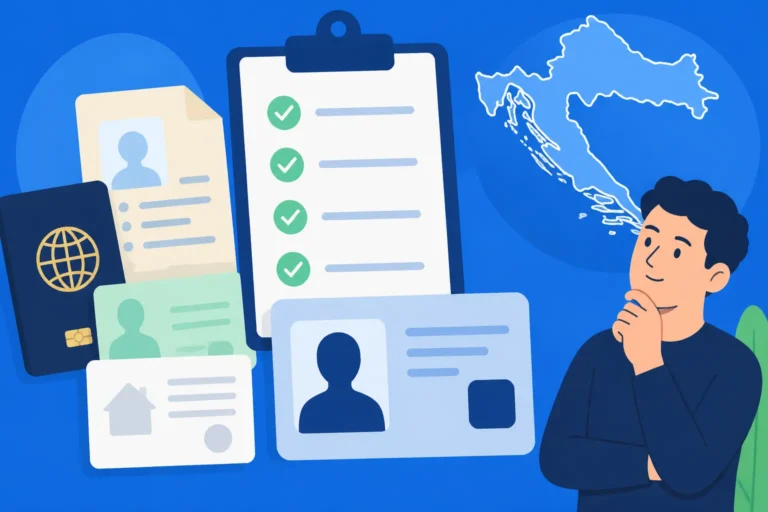
- HZZO Health Card (or proof of insurance): This is absolutely essential. The staff will need to scan it or input your details. Without it, you might be treated as a private patient or turned away. Even if you're just visiting and rely on an international plan like SafetyWing, always have your policy details handy.
- OIB (Personal Identification Number): Your OIB is linked to everything official in Croatia, including your health records.
- Residence Permit/ID Card: Always good to have your official identification on hand, especially for your first visit or if you're a new resident.
- Your Phone: Not just for emergencies, but also for translation apps!
- List of Symptoms/Questions: Written down, ideally translated, so you don't forget anything important due to nerves or language barriers.
- Current Medications: A list of any medications you're currently taking, including dosage, helps your doctor understand your health history quickly. Even better, bring the actual packaging.
- Relevant Medical History: If you have a complex medical history, bringing a summary from your previous doctor (translated if possible) can be very beneficial, especially for your initial registration.
Advocating for Yourself (or Finding an Ally)
In any healthcare system, being your own advocate is important, but perhaps even more so when navigating a foreign one. Don't be afraid to ask questions, even if you feel like you're being a nuisance. If something isn't clear, ask for clarification. If you don't understand the process, ask the nurse or reception staff (politely!).
If you're really struggling with language or understanding the system, try to find an ally. This could be a Croatian friend, a colleague, or even another expat who's been through the ropes. Their insights and willingness to accompany you to appointments can be invaluable. Some larger expat communities have dedicated Facebook groups where people share advice and offer assistance. Remember, you're not alone in this, and often, a little communal wisdom can go a long way.
Exploring Digital Tools and Online Resources
Croatia is slowly but surely digitising many of its administrative processes, and healthcare is no exception. While you might still encounter plenty of paper, there are some digital tools that can help.
- e-Građani: The e-Građani portal is Croatia's central platform for accessing various government services online. While it might not directly allow you to book a GP appointment, it's where you can access some official documents related to your HZZO status and verify certain health-related information. It requires a bit of setup, but it’s a powerful tool once mastered.
- HZZO Website: The official HZZO website is a treasure trove of information, though much of it is in Croatian. It can provide details on coverage, rights, and contact information. You can often find lists of contracted doctors and specialists here, which can help in your search for a GP.
- Google Maps: Simple, but effective. Use it to locate your nearest Dom Zdravlja, pharmacies (ljekarne), and even private clinics. Checking opening hours beforehand is always a good idea.
- Expat Forums & Facebook Groups: These are informal, but goldmines of practical advice and real-world experiences. Search for "expats in Croatia" or "digital nomads Croatia" groups. People often share tips on English-speaking doctors, how they dealt with specific health issues, or navigated particular bureaucratic challenges.
Using a combination of these resources can empower you to feel more in control of your healthcare journey in Croatia. It might take some digging, but the information is out there.
| Service Category | Dom Zdravlja (Public System) | Private Polyclinic (Private System) |
|---|---|---|
| Primary Care | Family doctors (Obiteljski liječnik), often with HZZO contract. | Some offer GP services, often as part of broader packages. |
| Specialist Visits | Requires GP referral (e-uputnica); longer waiting lists. | No referral needed; quick appointments, shorter waiting times. |
| Cost | Covered by HZZO (with/without Dopunsko); low/no co-payments. | Out-of-pocket payment; significantly higher fees. |
| Urgency | Good for routine issues, chronic care; some after-hours clinics. | Best for urgent but non-life-threatening issues, when speed is key. |
| Diagnostics | Lab tests, X-rays often available; may have waiting lists. | Comprehensive diagnostics; quick scheduling, modern equipment. |
| Dental Care | Basic care covered by HZZO; less complex procedures. | Full range of services, including cosmetic; higher cost. |
| Language | Primarily Croatian; English limited. | Often English-speaking staff, especially in tourist areas. |
| Accessibility | Widespread network across Croatia. | Concentrated in larger cities and tourist regions. |
| Bureaucracy | Higher administrative burden, paper forms, referrals. | Streamlined, less paperwork, direct booking. |
Disclaimer
This article is for general informational purposes only and does not constitute professional advice. Laws, prices and regulations vary by location and change over time. Consult a qualified professional for guidance on your specific situation.