How to Access Mental Health Services in Croatia as an Expat
Moving to Croatia is an incredible adventure, but let's be honest, it's also a huge life change that can stir up a lot of emotions. For many expats, the sheer excitement can quickly give way to feelings of isolation, stress, or even anxiety and depression, especially when you're far from your usual support system. Figuring out how to navigate mental health services in a new country, with a different language and healthcare system, can feel utterly overwhelming. This guide is here to walk you through the specifics of accessing mental health support in Croatia, from understanding the public system to exploring private options, so you don't have to face it alone.
Understanding Mental Health Support in Croatia
It's vital to grasp the lay of the land when it comes to mental health in Croatia. The system, like any other, has its quirks, strengths, and challenges. For expats, the biggest hurdle often isn't the quality of care itself, but rather knowing how to access it and what to expect. This section will help demystify the initial steps and considerations.
Public vs. Private Healthcare for Mental Health
Croatia operates a public healthcare system primarily funded by mandatory health insurance contributions to the Croatian Health Insurance Fund (HZZO). While this system covers a broad range of medical services, including mental health, accessing specialized care can be a journey. You’ll typically need a referral from your family doctor, and waiting times for appointments with public psychiatrists or psychologists can be significant, particularly in larger cities. The public system generally prioritizes severe cases and acute interventions, meaning less urgent or ongoing talk therapy might be harder to come by or involve longer waits.
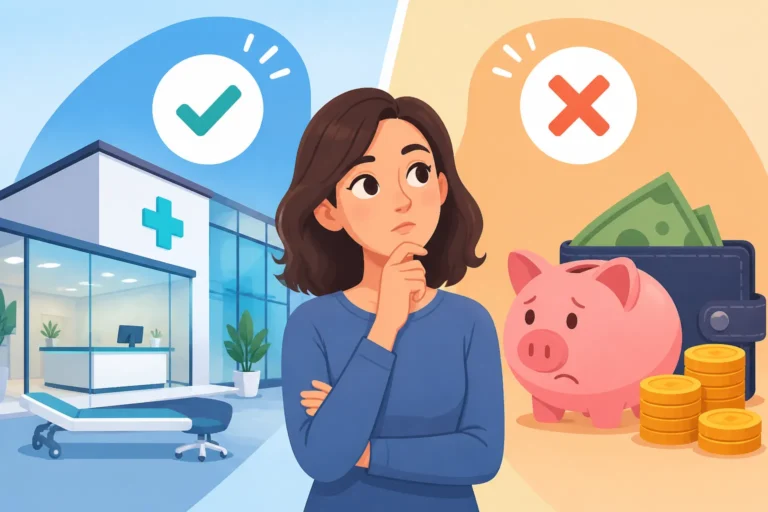
On the flip side, the private healthcare sector in Croatia offers a more direct route to mental health services. Here, you can usually schedule appointments more quickly, often without a referral, and have a wider choice of specialists. The trade-off, of course, is the cost. Private sessions with psychologists, psychiatrists, or therapists are paid out-of-pocket or through private health insurance. For many expats who value speed, convenience, and potentially English-speaking practitioners, the private route often becomes the preferred choice despite the expense. It’s a classic balancing act between accessibility and affordability, and your personal circumstances will heavily influence which path feels right for you.
The Role of Your Family Doctor Obiteljski Liječnik
In Croatia, your family doctor, or obiteljski liječnik, is your gateway to virtually all public healthcare services, including mental health. This person is not just for physical ailments; they are your primary point of contact for any health concern. When you first feel that something isn't quite right mentally, your family doctor should be your first port of call. They can provide an initial assessment, offer general advice, and, most crucially, provide referrals (an e-uputnica) to specialists like psychiatrists or psychologists within the public system. Without this referral, it's nearly impossible to see a specialist in the public sector.
Building a good relationship with your obiteljski liječnik is paramount. They will maintain your medical records and can be an invaluable advocate for your health needs. Don't be shy about discussing your mental health concerns with them, even if it feels uncomfortable. They are trained to handle such matters and can guide you through the next steps, including prescribing initial medications if deemed necessary or recommending specific types of therapy. Remember, finding a family doctor (or liječnik opće prakse) is one of the foundational steps in settling into life here. You can find more detailed guidance in our article on How to Choose and Register with a GP (Liječnik Opće Prakse) in Croatia.
Language Barriers and Finding English-Speaking Professionals
One of the most significant challenges for expats seeking mental health support in Croatia is the language barrier. While many younger medical professionals, especially in larger cities like Zagreb, Split, or Rijeka, have a good command of English, it's not universally guaranteed, particularly in the public sector or smaller towns. When discussing sensitive mental health issues, clear and empathetic communication is absolutely critical. Misunderstandings due to language can hinder diagnosis, treatment, and ultimately, your recovery.
If Croatian isn't your strong suit, actively seeking out English-speaking professionals should be a priority. In the private sector, it’s much easier to find therapists and psychiatrists who advertise their services in English or other foreign languages. Online directories, expat forums, and word-of-mouth recommendations are excellent resources for this. Don't hesitate to ask during your initial inquiry if the practitioner is comfortable conducting sessions entirely in English. You might find some doctors in the public system who speak English, but it's not a given, and you may need to explicitly request this when getting your referral or booking an appointment. For guidance on locating a GP who speaks English, consider reviewing our piece on How to Find an English-Speaking Doctor in Croatia.
Navigating the Public Mental Healthcare System
Venturing into the Croatian public mental healthcare system can feel like deciphering a complex map. It's certainly navigable, but it requires patience, persistence, and a clear understanding of the steps involved. This section breaks down the process to help you feel more prepared.
Initial Steps and Referrals
As mentioned, your journey into the public mental healthcare system must begin with your family doctor (obiteljski liječnik). Once you've registered with an obiteljski liječnik—which is a prerequisite for HZZO coverage—schedule an appointment to discuss your mental health concerns. Be as open and honest as you can about what you're experiencing. Your doctor will listen, ask questions, and make an initial assessment. They might suggest lifestyle changes, or if they believe specialized care is needed, they will issue an electronic referral, known as an e-uputnica. This e-uputnica is essential for seeing a public psychiatrist or psychologist.
It's important to understand that your doctor might first try to help you within their own scope of practice, perhaps prescribing a mild antidepressant or anti-anxiety medication if they feel it's appropriate, or suggesting local resources. Only if they deem it necessary will they refer you to a specialist. Once you have your e-uputnica, you’ll typically need to contact the specific department or polyclinic your doctor referred you to, or your local Dom Zdravlja (health centre) to book an appointment. The process of getting an e-uputnica for specialist appointments is covered in more detail in our article How e-Uputnica (E-Referrals) Work for Specialist Appointments in Croatia.
Available Public Services and Specialists
Within the public system, you can access a range of mental health professionals and services, primarily covered by your HZZO insurance. This includes consultations with psychiatrists, who are medical doctors specializing in mental health and can prescribe medication. You can also find psychologists, who focus on psychotherapy and counseling but cannot prescribe medication. These specialists often work within hospital departments (like at a KBC or Klinički bolnički centar), mental health clinics attached to Domovi zdravlja, or standalone public polyclinics.
Beyond individual consultations, some public institutions offer group therapy, day hospital programs, or crisis intervention services. For children and adolescents, there are specialized departments that cater to their unique developmental mental health needs. While the scope of services is generally comprehensive, the availability can vary greatly by location. Larger cities will naturally have more options and specialized units than smaller towns or rural areas. It’s worth noting that the focus in public mental healthcare often leans towards psychiatric diagnosis and medication management, with longer-term, individual talk therapy being somewhat less prevalent or harder to secure due to high demand.
Waiting Times and Bureaucracy
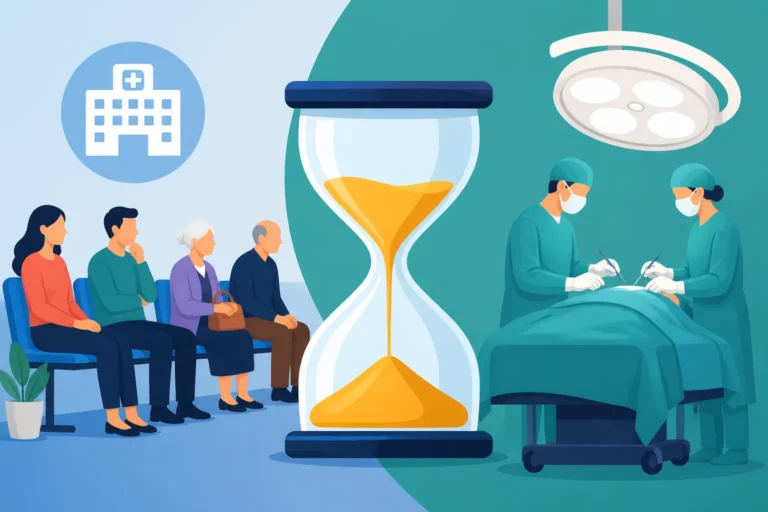
This is where many expats hit a wall of frustration. Waiting times in the public mental healthcare system can be substantial, often ranging from several weeks to many months for an initial appointment with a specialist, especially for non-urgent cases. This delay can be incredibly challenging when you’re already struggling and urgently seeking support. The system, while providing essential care, is often under-resourced and overstretched, leading to these inevitable bottlenecks.
Navigating the bureaucracy can also be a test of patience. From getting the correct e-uputnica to understanding where and how to book appointments, and then dealing with potential rescheduling, it requires persistence. It’s not uncommon to have to call multiple locations or visit the Dom Zdravlja in person to get the information you need. Keep all your documents organized, including your HZZO card and e-uputnica, as you'll need them for every appointment. While the public system is a valuable resource, particularly for those with limited budgets, it’s crucial to go into it with realistic expectations about the time and effort involved. Our guide to Navigating the Croatian Healthcare System: An Expat's Roadmap (2027) provides broader insights into the system's complexities.
Exploring Private Mental Health Options
For many expats, the private sector offers a more streamlined and often quicker route to mental health support in Croatia. While it comes with a cost, the benefits of faster access, wider choice, and often better language accessibility can be invaluable.
Benefits and Costs of Private Care
The primary benefit of private mental healthcare is speed and convenience. You typically don't need a referral from a family doctor, meaning you can directly contact a specialist and often get an appointment within a few days or weeks, rather than months. This can be crucial when you're experiencing acute distress and need support immediately. Additionally, private clinics and practitioners often offer more flexibility in scheduling, longer session times, and a wider range of therapeutic approaches. You also have the freedom to choose your practitioner based on their specialization, approach, and most importantly for many expats, their language capabilities.
However, these benefits come at a cost. A single session with a private psychologist or psychotherapist can range from €40 to €80 or more, while psychiatric consultations might be slightly higher, depending on the practitioner's experience and location. If ongoing therapy is required, these costs can quickly add up, becoming a significant monthly expense. Most private clinics require payment upfront at the time of service. It’s essential to factor these costs into your budget and consider how you might cover them, whether through savings or private health insurance. For a general overview of healthcare costs, our article The Cost of Healthcare in Croatia: A Complete Breakdown for Foreigners (2026) might offer useful context.
Finding Private Practitioners Psychologists, Psychiatrists, Therapists
Finding the right private mental health professional in Croatia requires a bit of research, but there are several effective avenues. Online directories, such as those maintained by professional associations like the Croatian Psychological Chamber (Hrvatska psihološka komora) or the Croatian Medical Chamber (Hrvatska liječnička komora), can be a good starting point, though they might be in Croatian. More practically, many private practitioners have their own websites, often in English, where they list their services, fees, and contact information. Social media groups for expats in Croatia are also fantastic resources, as fellow expats often share recommendations based on their personal experiences.
When searching, prioritize professionals who explicitly state they offer services in English. Look for qualifications and specializations that match your needs – for example, a cognitive-behavioral therapist, a psychoanalyst, or a specialist in expat-related stress. Don't be afraid to reach out for an initial consultation call to see if you feel a connection and if they understand your specific situation as an expat. Many offer a brief introductory chat for free. Key terms to search for include psiholog (psychologist), psihijatar (psychiatrist), psihoterapeut (psychotherapist), and savjetovanje (counseling).
The Role of Private Polyclinics Poliklinike
Private polyclinics (poliklinike) are healthcare facilities that house multiple specialists under one roof, and many now offer robust mental health departments. These can be an excellent option for expats because they often provide a more integrated approach to care. Within a polyclinic, you might find psychiatrists, psychologists, neurologists, and other specialists who can collaborate on your treatment plan if needed. This can be particularly beneficial for complex cases or when you suspect there might be an overlap between physical and mental health issues.
Polyclinics are generally well-equipped, modern, and accustomed to serving international clients, meaning English-speaking staff are more common. They also tend to have efficient appointment systems and often boast a more comfortable and discreet environment than some public institutions. Popular private polyclinics in larger cities like Zagreb include Poliklinika Bagatin, Specijalna bolnica Sveta Katarina, and Poliklinika Medikol, though specific mental health offerings vary. While the costs are similar to individual private practitioners, the convenience of having various services centrally located can be a major draw. For a deeper understanding of these facilities, our guide on Understanding Private Polyclinics (Poliklinike) in Croatia is a valuable read.
Insurance and Funding Your Mental Health Journey
Understanding how your mental health care will be covered financially is a critical piece of the puzzle. Croatia offers a few different insurance avenues, and each has implications for accessing mental health services.
HZZO Coverage and Supplementary Insurance
If you are a legal resident and contributing to the Croatian public health insurance fund (HZZO), basic mental health services are covered. This includes visits to your family doctor, referrals to public psychiatrists and psychologists, and any prescribed medications (though you'll pay a participacija or co-payment for medication, specialist visits, and hospital stays). The challenge, as discussed, often lies in the waiting times for public specialists. So, while the service itself is covered, access can be delayed.
For those with HZZO, getting supplementary health insurance, known as Dopunsko Zdravstveno Osiguranje, is highly recommended. This additional insurance, offered by companies like Croatia Osiguranje or HZZO itself, covers the participacija fees that would otherwise apply to your public healthcare visits and prescriptions. Without dopunsko, a single visit to a specialist in the public system could cost you around €10, and hospital stays can accumulate significant daily fees. While dopunsko won't speed up waiting times, it significantly reduces your out-of-pocket expenses within the public system, making it more financially viable. Learn more about this in Understanding Dopunsko Zdravstveno Osiguranje (Supplementary Insurance) in Croatia.
Private Health Insurance for Expats
For expats who want faster access, more choice, and the ability to primarily use the private sector for mental health, private health insurance is often the best solution. Many international private health insurance plans offer coverage for mental health services, including therapy and psychiatric consultations, often without the need for a referral. It's crucial to thoroughly check the terms and conditions of any private policy, specifically looking at the extent of mental health coverage, limits per session or year, and any waiting periods. Some policies might have limitations on pre-existing conditions or require a certain period before mental health benefits kick in.
Companies like SafetyWing offer travel and international health insurance plans that can be suitable for digital nomads and other expats. When looking at options like SafetyWing, pay close attention to whether their policies cover outpatient mental health services and if they have specific provisions for psychotherapy or counseling. For example, some plans might cover a certain number of psychiatric visits but not ongoing talk therapy. Always read the fine print! Having private insurance can significantly ease the financial burden of private mental health care, making it a much more accessible option for consistent support.
Out-of-Pocket Expenses and Budgeting
Even with various insurance options, it's wise to budget for some out-of-pocket expenses when dealing with mental health in Croatia. If you opt for the private route without comprehensive private insurance, every session will be a direct expense. Even with dopunsko covering participacija in the public system, there might be situations where you need to pay for specific tests or therapies not fully covered.
Consider these tips for budgeting:
- Initial Consultation Costs: Factor in the cost of an initial consultation with a private practitioner, which might be slightly higher than follow-up sessions.
- Session Frequency: If you anticipate weekly therapy, multiply the per-session cost by four for a monthly estimate.
- Medication: While HZZO covers many medications, some newer or specialized drugs might require a higher participacija or full payment.
- Emergency Fund: Always have an emergency fund for unexpected medical costs, including mental health crises.
- Negotiate: In some private settings, there might be a slight possibility to negotiate fees for long-term therapy, though this is not common.
Budgeting for your mental health is an investment in your well-being. Don't let financial concerns prevent you from seeking help, but be realistic about what you can afford and explore all available options.
Alternative and Community Support Resources
Beyond the formal healthcare systems, there are numerous other avenues for mental health support in Croatia that can complement traditional therapy or provide assistance when professional services are less accessible. These resources can be especially valuable for expats seeking community and understanding.
Online Therapy and Telemedicine
The rise of online therapy and telemedicine has been a game-changer for many expats, especially those dealing with language barriers or living in areas with limited local specialists. Online platforms allow you to connect with therapists and psychiatrists from your home country or other English-speaking countries, ensuring you can communicate in your native language and potentially continue a therapeutic relationship you've already established. Services like BetterHelp, Talkspace, or even independent practitioners offering virtual sessions are popular choices.
The benefits are obvious: convenience, privacy, and overcoming geographical limitations. However, it's crucial to be aware of the legal and ethical implications. While practicing therapy across borders is generally accepted for online counseling, prescribing medication typically requires a license in the country where the patient resides. So, if you need medication, you'll still likely need a local Croatian psychiatrist. For talk therapy, online options are a fantastic supplemental resource, and many private Croatian therapists also offer online sessions. Make sure your internet connection is stable – you don't want to lose your therapist mid-sentence!
Expat Support Groups and Local NGOs
Never underestimate the power of shared experience. Expat support groups, both online and in-person, can be incredibly beneficial for mental well-being. Knowing you're not alone in your struggles with adjusting to a new culture, language, and social environment can be profoundly validating. These groups offer a safe space to vent frustrations, share coping strategies, and build a new social network. Look for groups on Facebook (e.g., "Expats in Zagreb," "Digital Nomads Croatia"), Meetup, or through local community centers. While not professional therapy, the peer support and sense of belonging can significantly reduce feelings of isolation.
Additionally, several local non-governmental organizations (NGOs) in Croatia focus on mental health awareness and support, particularly for specific demographics or conditions. While many operate primarily in Croatian, some may have English-speaking volunteers or resources, especially in larger cities. These organizations can provide information, advocacy, and sometimes even free or low-cost counseling services or support groups. A quick search for "mental health NGOs Croatia" or "udruge za mentalno zdravlje" can point you in the right direction. While not always directly providing care, they can often be a source of referrals or community connection.
Emergency Mental Health Services
In a mental health crisis, knowing where to turn is paramount. If you or someone you know is experiencing an immediate and severe mental health emergency (e.g., severe self-harm ideation, psychosis, acute danger to self or others), Croatia's emergency services are available.
- Dial 112: This is the general emergency number for all emergencies in Croatia, including medical. When you call, clearly state that it's a mental health emergency (mentalna kriza or hitna psihijatrijska pomoć) and that you need an ambulance (hitna pomoć). They can dispatch paramedics who will assess the situation and transport the individual to the nearest emergency room or psychiatric hospital. Our guide on Emergency Medical Care in Croatia: What Every Expat Needs to Know provides a comprehensive overview of emergency procedures.
- Hospital Emergency Rooms: Most larger hospitals (KBC – Klinički bolnički centar) have psychiatric emergency departments or can handle mental health crises in their general emergency rooms. They are equipped to provide immediate assessment, stabilization, and admission if necessary.
- Crisis Hotlines: While specific English-speaking mental health crisis hotlines dedicated to expats are rare in Croatia, the general emergency number (112) is the primary contact point. Some local NGOs or expat groups might offer non-crisis support lines, but for true emergencies, 112 is the way to go.
- Your Family Doctor (during working hours): If it's not a life-threatening emergency but you need urgent advice, try contacting your obiteljski liječnik first thing. They might be able to offer immediate guidance or arrange for a quick referral.
It’s crucial to have these numbers and contacts readily available. Don’t hesitate to seek emergency help if you or someone you know is in severe distress.
Public vs. Private Mental Health Services in Croatia
Here's a quick comparison to help you weigh your options:
| Feature | Public Healthcare System | Private Healthcare System |
|---|---|---|
| Cost | Covered by HZZO (mandatory insurance); co-payments for specialist visits, medication, hospital stays (covered by dopunsko insurance). | Paid out-of-pocket; potentially covered by private health insurance (e.g., SafetyWing). |
| Access | Requires referral from obiteljski liječnik. | Direct access; no referral needed. |
| Waiting Times | Can be long (weeks to months) for specialists. | Generally much shorter (days to weeks). |
| Language | Mostly Croatian; English-speaking professionals less common and not guaranteed. | More English-speaking professionals available; often advertised. |
| Choice of Provider | Limited; assigned based on referral/location. | Wide choice of individual practitioners and polyclinics. |
| Services | Psychiatric consultations, basic psychotherapy, medication management, crisis intervention, hospital care. | Wider range of therapeutic approaches, psychiatric consultations, medication management, counseling, specialized clinics. |
| Bureaucracy | Higher; requires navigating referrals, multiple institutions, and administrative processes. | Lower; more streamlined appointment booking and administration. |
Disclaimer
Please note that the information provided in this guide is for general informational purposes only and does not constitute professional medical, legal, or financial advice. Healthcare systems and regulations in Croatia can change, and individual circumstances vary. Always consult with qualified professionals for advice tailored to your specific situation.