How Do I Transfer My EU Health Insurance to Croatia?
Moving to a new country like Croatia is an exhilarating adventure, filled with beautiful beaches, delicious food, and a relaxed pace of life. But let's be real, the administrative side of things can feel like trying to navigate the Adriatic in a rowboat with no oars. One of the biggest hurdles, and often a source of immense stress, is figuring out your healthcare, especially if you're coming from another EU country and wondering how your existing health insurance translates. This guide is here to untangle the bureaucratic knots and walk you through how to transfer your EU health insurance rights to Croatia, ensuring you're covered when you need it most.
Understanding Your EU Health Insurance in Croatia
When you're an EU citizen moving to Croatia, it's not simply a matter of flashing your old health card and expecting everything to be seamless. While the EU system is designed for cross-border cooperation, there are crucial differences between temporary coverage and establishing long-term residency for healthcare purposes. It’s like the difference between borrowing a friend's car for a weekend and actually registering and insuring your own vehicle in a new country.
The European Health Insurance Card (EHIC) What it is and isn't for
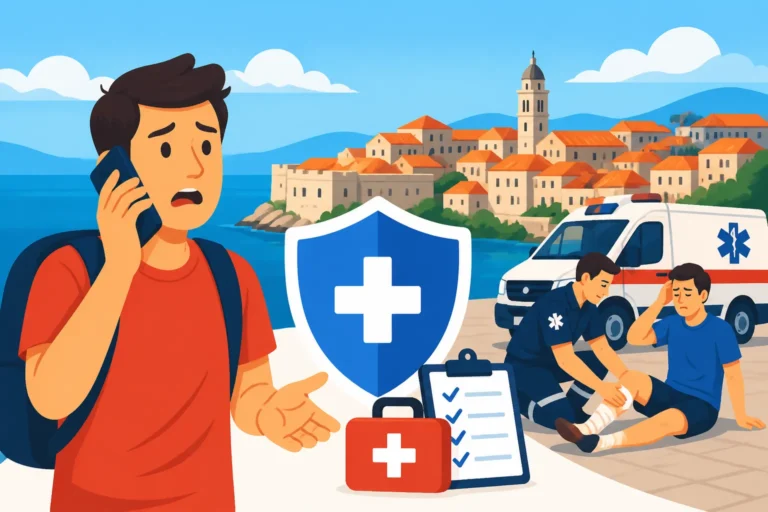
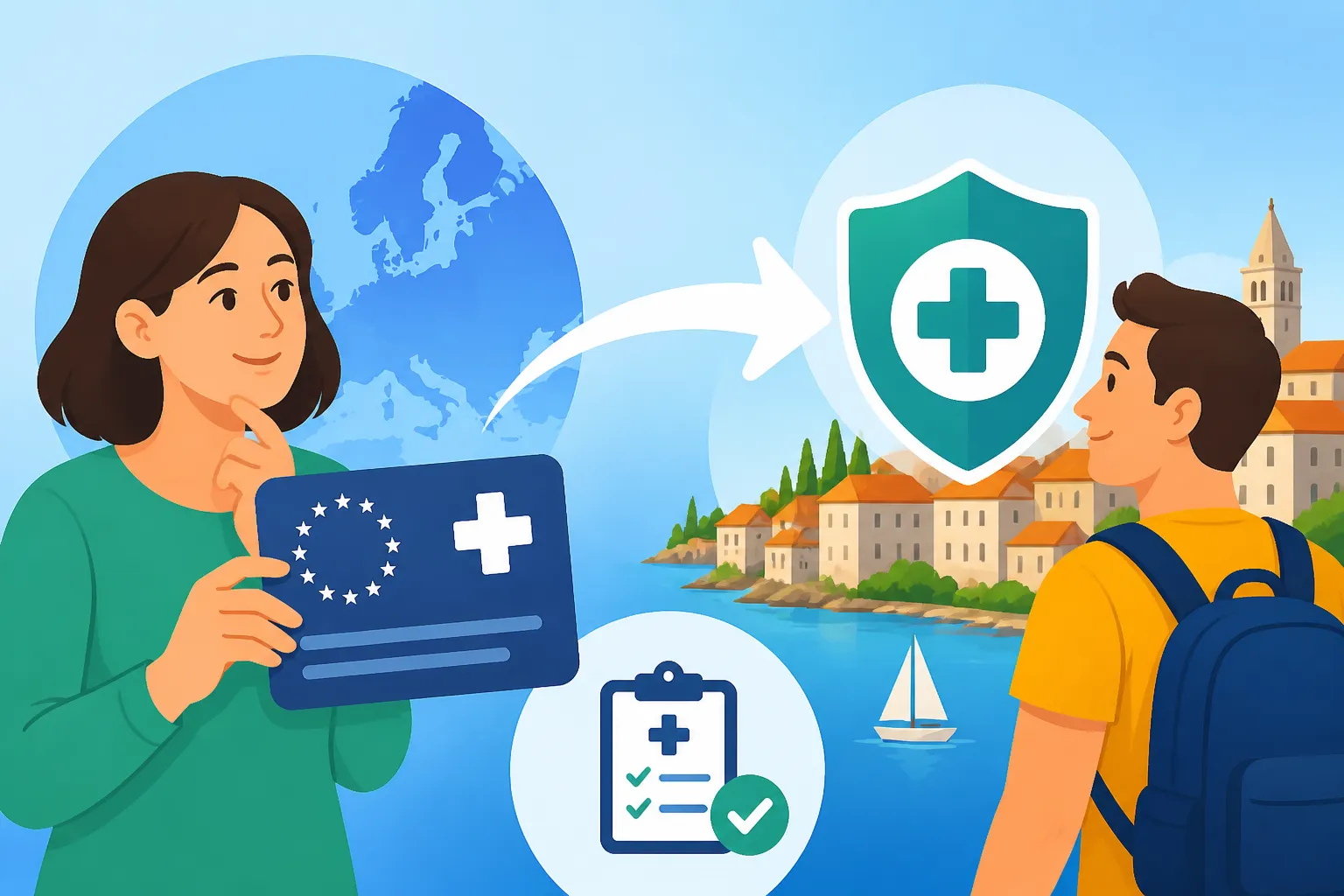
The European Health Insurance Card, or EHIC (known as EKZO in Croatian), is a fantastic tool, but its purpose is often misunderstood by expats. Think of it as your safety net for unexpected medical needs when you’re travelling or on a temporary stay in another EU country. If you break an ankle hiking in Paklenica National Park or get a sudden ear infection during your summer holiday in Split, your EHIC ensures you receive medically necessary state-provided healthcare on the same terms as a Croatian citizen. This means you'll pay the same co-payments (participacija) that locals do, or nothing at all, depending on the service.
However, and this is where many expats get tripped up, the EHIC is not a substitute for comprehensive, long-term health insurance once you become a resident. It won't cover planned medical treatment, private healthcare, or the cost of returning you home. It's essentially for emergencies and unforeseen circumstances, not for establishing your routine GP visits or specialist care once you've settled down. You absolutely should have one before you move, and it's a lifesaver for those initial weeks, but don't rely on it for your permanent healthcare solution in Croatia. You can find more detailed information on How to Use Your EHIC (EKZO) Card in Croatia as an EU Citizen during your initial transition.
The S1 Form The Key for Long-Term Residents
For EU citizens who are moving to Croatia to live long-term and are entitled to healthcare in their home country (typically pensioners, frontier workers, or those receiving unemployment benefits from an EU/EEA state or Switzerland), the S1 form is your golden ticket. This form is a crucial document that certifies your entitlement to healthcare in a country other than the one where you are insured. It allows you to register for full public healthcare coverage with the Croatian Health Insurance Fund (HZZO) based on your social security contributions or pension from your home EU country.
The S1 form basically tells Croatia, "Hey, this person is entitled to full healthcare coverage, and we (their home country) will foot the bill for their healthcare here." This is incredibly significant because it means you won't have to contribute to the Croatian health insurance fund directly if you're covered by an S1. It’s often the best solution for retirees who want to spend their golden years by the Adriatic, ensuring they have access to the same level of care as Croatian citizens without the worry of ongoing contributions.
Initial Steps and Common Pitfalls
Before you even step foot in a HZZO office, you need to lay some groundwork. The very first thing you'll need, regardless of your EU status, is your OIB (Osobni identifikacijski broj) or personal identification number. Without it, you’ll hit a brick wall at every turn. Think of it as your social security number and tax ID all rolled into one – absolutely indispensable for anything official in Croatia, including healthcare. You'll find a complete guide on How to Get Your OIB and Why It Matters for Healthcare Access.
Another common pitfall is misunderstanding the timeframe. Even with an S1 form, getting fully registered with HZZO takes time. It’s not an overnight process, and there will be paperwork, waiting, and probably a few trips back and forth to various offices. This is where a temporary solution can be invaluable. Brands like SafetyWing offer travel and medical insurance that can bridge the gap while you're waiting for your official HZZO registration to be processed. This type of insurance is particularly helpful for those initial weeks or months when you're still navigating the Croatian bureaucracy, ensuring you're covered for unexpected medical issues. It’s a smart move to have a plan B in place so you're not left in a lurch if something happens before your public health coverage is fully active.
The Process of Registering Your EU Rights with HZZO
Once you understand the difference between your EHIC and the S1 form, and you have your OIB in hand, it’s time to tackle the Croatian Health Insurance Fund (HZZO). This is the public body responsible for managing healthcare in Croatia, and they are the gatekeepers to your access to the public system. The process can feel daunting, but breaking it down into manageable steps makes it less intimidating.
Gathering Necessary Documents
The HZZO loves its paperwork, so be prepared! The exact documents required can vary slightly depending on your specific situation (e.g., employed, self-employed, pensioner with S1), but here’s a general rundown, especially if you’re trying to register with an S1 form:
- OIB: Your Croatian personal identification number. You should have this sorted before you go.
- S1 Form: The original form issued by your home country's social security institution. Make sure it's properly filled out and signed.
- Passport or EU ID Card: Proof of your identity and EU citizenship.
- Proof of Residency: This could be your temporary residence permit (privremeni boravak) from the MUP, or if you're an EU citizen, simply your registration of residence. You'll definitely need to sort out Registering Your Residence in Croatia: The Complete MUP Guide before attempting this.
- Proof of your status: For pensioners, this means documents proving your pension entitlement. For workers posted to Croatia, it would be documentation from your employer.
- Marriage Certificate/Birth Certificates: If you are registering family members, you'll need these to prove relationships.
- Application Form: You'll fill this out at the HZZO office, but it's good to know what kind of information they'll ask for.
It's highly advisable to bring both original documents and photocopies. Sometimes they just want to see the original and keep a copy; other times, they might keep the original. It’s always better to be over-prepared than to have to make another trip. All documents that are not in Croatian will likely need to be officially translated by a sworn court translator (sudski tumač).
Navigating the HZZO Offices
The HZZO offices can be found in most major towns and cities. In larger cities like Zagreb, Split, or Rijeka, there might be multiple locations, so try to find the one that handles international matters or new registrations if possible. This isn't always clear from their websites, which can be primarily in Croatian.
When you arrive, prepare for a wait. Croatian bureaucracy often involves taking a number and settling in for a while. Be polite, patient, and try to speak a few words of Croatian if you can – it goes a long way. When your number is called, present your documents. The HZZO officer will review everything, and if all is in order, they will start the registration process for you based on your S1 form.
They will guide you through filling out the necessary HZZO forms. Don’t be afraid to ask questions, even if it feels like you're holding up the queue. It’s crucial that everything is correct. The official might ask about your last address, your OIB, and confirm details from your S1. Once everything is submitted, they will typically give you a confirmation or a temporary document, and tell you when to expect your official HZZO card. For a deeper dive into the overall process, read Registering with HZZO in Croatia: The Complete Expat Guide (2027).
What to Expect After Application
After you submit your application and your S1 form, there will be a waiting period. This is completely normal and can vary from a few weeks to a couple of months, depending on the office and the time of year. During this time, HZZO will process your application, communicate with your home country's social security institution to verify your S1 form, and then issue your Croatian health insurance card.
While you're waiting, you might be covered temporarily. The HZZO office should issue you a confirmation or a temporary certificate of insurance that you can use in case you need to see a doctor or get a prescription. However, it's essential to clarify this with the HZZO officer and understand exactly what coverage you have and don't have during this interim period. This is another situation where having private health insurance, like the options provided by SafetyWing, can offer invaluable peace of mind. It ensures that regardless of bureaucratic delays, you won't be left uninsured for essential medical care. Once your card arrives, you're officially integrated into the Croatian public healthcare system. If you're curious about the typical timeframe, check out How Long Does It Take to Get HZZO Coverage as a New Resident?.
Complementary Options and Bridging the Gap
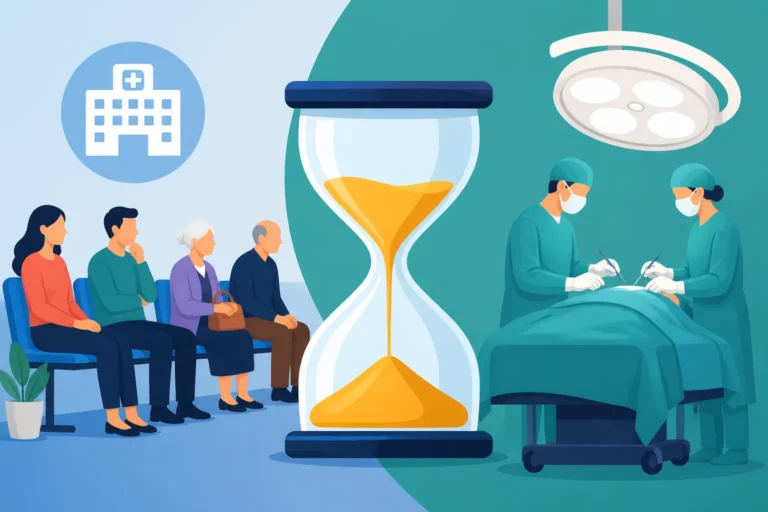
Even with your EU health insurance rights transferred to HZZO, the Croatian healthcare system has its nuances. You'll quickly learn about co-payments (participacija) and waiting lists, which can be a bit of a shock if you're used to a different system. This is where complementary insurance options come into play, offering additional layers of coverage and convenience.
Supplementary (Dopunsko) Insurance
Once you're registered with HZZO and have your basic public health insurance, you'll encounter a concept called participacija, which are co-payments for various services. These can range from small fees for doctor visits or prescriptions to larger sums for specialist appointments, diagnostic tests, or hospital stays, up to a certain annual limit. While not exorbitant, these costs can add up, especially if you have chronic conditions or need frequent medical attention.
This is where dopunsko zdravstveno osiguranje, or supplementary health insurance, becomes incredibly useful. It's designed to cover these co-payments, so you don't have to pay out-of-pocket for most public healthcare services. Many expats, once fully integrated into the HZZO system, opt for dopunsko insurance to avoid these smaller, recurring fees. It's relatively inexpensive and can be purchased from HZZO itself or from private insurance providers like Croatia Osiguranje or Generali. For a full breakdown, explore Understanding Dopunsko Zdravstveno Osiguranje (Supplementary Insurance) in Croatia. It’s a smart way to truly experience the public system without the nickel-and-dime effect.
Private Health Insurance for Expats
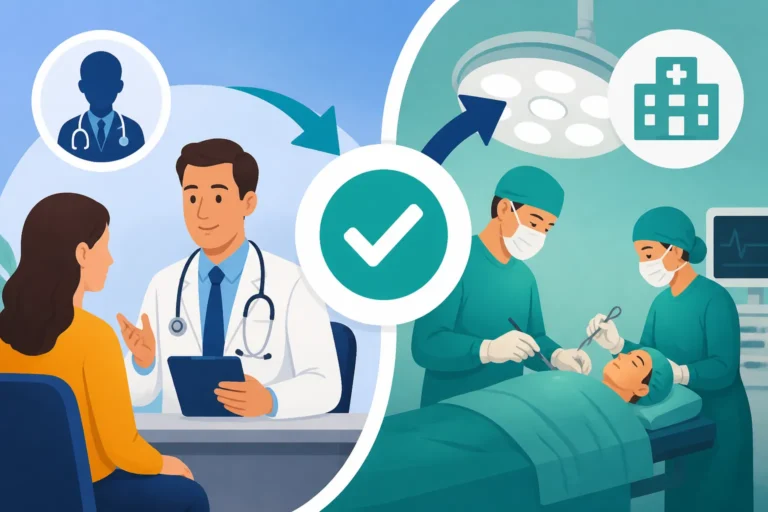
While transferring your EU health insurance rights via an S1 form grants you access to the public system, some expats choose to complement this with private health insurance, or even opt for private insurance exclusively if they don't qualify for the S1. Private healthcare in Croatia, primarily through polyclinics and some private hospitals, offers several advantages: shorter waiting times for specialist appointments, the ability to choose your doctor, more comfortable facilities, and often, English-speaking staff.
If you don't have an S1 form and are, for example, a digital nomad or self-employed with income from outside Croatia, you will need to register directly with HZZO and pay contributions. In these cases, private health insurance can sometimes be an alternative or a supplement. Many expats choose private policies for specific benefits, like dental care, mental health services, or elective procedures not fully covered by HZZO. Companies like Croatia Osiguranje and Uniqa are prominent providers of private health insurance in Croatia. Understanding Private Health Insurance Plans in Croatia can help you decide if this path is right for you. It really depends on your budget, your healthcare needs, and your personal preferences for speed and convenience.
Temporary Solutions and Digital Nomad Considerations
For many new arrivals, especially those on a digital nomad visa or those still waiting for their HZZO registration to finalize, a temporary international health insurance plan is essential. These plans are specifically designed for people living abroad temporarily or those in transition between healthcare systems.
Take, for instance, a digital nomad from an EU country who is granted their visa and is in the process of registering with HZZO, which is mandatory for their residence permit. While waiting for HZZO to process their registration and issue their card, they might opt for an international health insurance provider like SafetyWing. SafetyWing’s Nomad Insurance, for example, is built for remote workers and travelers, offering comprehensive medical coverage that works across borders. This means that during the initial weeks or even months when HZZO is still doing its thing, you’re not left vulnerable should you need medical attention. These types of plans are often flexible, allowing you to pay monthly and cancel when you're fully covered by the Croatian system. This proactive approach ensures you're never caught without coverage. Remember, What Health Insurance Do I Need for a Croatian Residence Permit? often includes a specific requirement for comprehensive health insurance, so make sure your temporary plan fulfills that, too.
Important Considerations and What Comes Next
Getting your EU health insurance transferred to Croatia isn't just a one-time task; it involves ongoing responsibilities and understanding how the system works for different life stages.
Renewals and Ongoing Obligations
Once you're successfully registered with HZZO based on your S1 form, your coverage isn't necessarily indefinite. The S1 form itself usually has an expiration date or is tied to your status (e.g., as long as you're receiving a pension from your home country). It's critical to understand the validity period of your S1 and when and how you'll need to renew it or re-register with HZZO. You’ll also need to keep your temporary residence permit in Croatia up to date, as your healthcare entitlement is tied to your legal right to reside in the country.
Always keep HZZO informed of any changes to your circumstances, such as a change of address, marital status, or if your entitlement to the S1 form changes in your home country. Failing to do so could lead to complications with your coverage. It's a bureaucratic dance, but staying on top of it will save you headaches down the line.
Family Members and Dependents
If you're moving to Croatia with your family, you'll naturally want to ensure everyone is covered. The good news is that if you're registered with HZZO via an S1 form, your dependent family members (spouse, children) can typically also be registered under your coverage. This usually requires presenting their passports/ID cards, OIBs, and proof of your relationship (marriage certificate, birth certificates).
The process for registering family members usually runs concurrently with your own application, or shortly after yours is approved. Again, bring all original documents and photocopies, and ensure any non-Croatian documents are officially translated. It’s comforting to know that once you’re in, your loved ones can often follow suit without starting from scratch. You can get more specific guidance on How to Register Family Members for Health Insurance in Croatia.
Specific Scenarios
The Croatian healthcare system tries to be inclusive, but specific groups often have unique requirements:
- Pensioners: As discussed, the S1 form is generally the most straightforward route for EU pensioners. It allows you to use the Croatian public health system as if you were insured in Croatia, with your home country covering the costs. This is a huge benefit for those planning to retire in Croatia. You can delve into Can Pensioners from the EU Use Croatian Public Healthcare? for more details.
- Students: EU students studying in Croatia typically use their EHIC for emergency and medically necessary care. However, if they intend to reside long-term for studies, they might need to explore options for full HZZO coverage, which often involves registering through their educational institution or directly with HZZO, potentially requiring a Croatian residence permit and OIB.
- Self-Employed/Digital Nomads: If you are self-employed or a digital nomad from an EU country, and your primary insurance is still with your home EU country, an S1 might apply if you fit specific criteria (e.g., posted worker rules, or if you are habitually resident in Croatia but are covered by your home country's social security system). Otherwise, you'll need to register with HZZO as a self-employed individual and pay monthly contributions, just like Croatian citizens. This is a distinct process and falls under How to Register for HZZO Health Insurance as a Foreigner in Croatia.
Understanding these distinctions is crucial, as misinterpreting your status can lead to unexpected healthcare costs. When in doubt, always seek clarification directly from HZZO or consult with a local expert who specializes in expat relocation. The overarching goal is to ensure continuous, comprehensive healthcare coverage throughout your time in Croatia, whether through the public system, private insurance, or a combination of both. For a complete picture, refer to The Complete Guide to Healthcare in Croatia for Expats (2027).
Healthcare Coverage Comparison for EU Citizens in Croatia
Here’s a quick overview to help you understand the differences between the main types of health coverage relevant to EU citizens in Croatia:
| Feature | EHIC (European Health Insurance Card) | S1 Form (Registered with HZZO) | Private Health Insurance (e.g., SafetyWing, Croatia Osiguranje) |
|---|---|---|---|
| Purpose | Temporary/emergency medical care during short stays/travel. | Full access to Croatian public healthcare system for long-term residents. | Supplementary, comprehensive, or temporary coverage for specific needs/gaps. |
| Coverage Scope | Medically necessary public healthcare (emergencies, unexpected illness). | Full scope of public HZZO services (GP, specialists, hospital, etc.). | Varies widely by plan; can include private clinics, dental, travel. |
| Cost to User | Same as Croatian citizens (may include co-payments – participacija). | May include co-payments (participacija) if no supplementary insurance. | Monthly/annual premiums, deductibles, co-pays depending on plan. |
| Eligibility | All EU/EEA/Swiss citizens insured in an EU/EEA/Swiss country. | EU/EEA/Swiss citizens entitled to healthcare in home country (e.g., pensioners). | Anyone, subject to insurer's terms and conditions. |
| Registration Required | Not required in Croatia (issued by home country). | Required with HZZO in Croatia. | Required directly with the private insurer. |
| Long-Term Residency | NOT suitable for long-term residency. | IDEAL for long-term residency if eligible. | Can be primary or supplementary for long-term residency. |
| Bridging Gap | No, only for temporary needs. | No, takes time to activate. | IDEAL for bridging gaps during HZZO registration. |
Disclaimer
The information provided in this guide is for general informational purposes only and does not constitute legal, financial, or medical advice. While we strive to keep the information up-to-date and accurate, regulations and procedures in Croatia can change frequently. It is essential to consult with the official Croatian Health Insurance Fund (HZZO), the Ministry of Interior (MUP), or a qualified local expert for advice tailored to your specific situation. We are not responsible for any actions taken based on the information provided herein.