Understanding Maternity and Prenatal Care in Croatia
When you first find out you're expecting while living in Croatia, it's a mix of immense joy and a healthy dose of "oh my goodness, how does this work here?" The Croatian healthcare system can feel like a labyrinth at the best of times, and when you're pregnant, with hormones raging and a tiny human depending on you, the thought of navigating it all can be overwhelming. This guide aims to shed light on everything you need to know about maternity and prenatal care in Croatia, from those exciting first appointments to bringing your little one home, all with an expat perspective to make your journey a little smoother.
Navigating Early Pregnancy and Initial Steps
The moment you see those two lines or get that positive blood test, your world shifts. But then comes the practical side: what do you do next in Croatia? It's not always as straightforward as it might be back home, especially with a different system and language to contend with.
Confirming Your Pregnancy and First Doctor’s Visit
Your very first step, once you suspect you're pregnant, is to get it officially confirmed. While an at-home test is a good indicator, you'll need a medical professional to verify it. Often, this involves visiting your obiteljski liječnik (family doctor), if you've already registered with one. They'll typically order a blood test to confirm the pregnancy and then, importantly, refer you to a ginekolog (gynaecologist). In Croatia, the gynaecologist is your primary care provider throughout your pregnancy. Don't be surprised if this initial appointment feels a bit different than what you're used to; it's often more about confirming the pregnancy and getting you into the system. It's really the gynaecologist who will take the reins from here.
Some women, particularly those opting for private care from the start, might bypass the family doctor and go directly to a private gynaecologist for confirmation. This can sometimes speed up the process and give you a bit more control over choosing your specialist. Remember, getting your OIB and Why It Matters for Healthcare Access is crucial for all these steps.
Choosing Your Care Provider: GP vs. Gynaecologist
As mentioned, in Croatia, your gynaecologist is your main point of contact for all things pregnancy-related. Your family doctor, while important for general health, typically steps back once you're under gynaecological care for your pregnancy. This can be a bit of an adjustment for expats who are used to their GP being more involved.
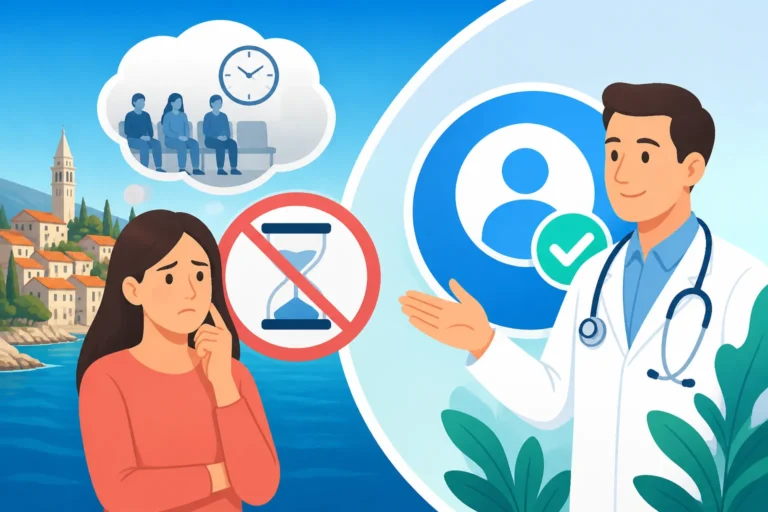
When choosing a gynaecologist, you have two main routes: public or private. Public gynaecologists operate through the HZZO (Croatian Health Insurance Fund) system, usually at a dom zdravlja (health centre) or a hospital polyclinic. These services are covered by your mandatory health insurance. The downside can be longer waiting times, shorter appointments, and potentially less choice in your specific doctor. Many expats seek out gynaecologists who speak English, which can be harder to find in the public system, though certainly not impossible, especially in larger cities like Zagreb or Split.
Private gynaecologists, on the other hand, offer more flexibility, often longer appointments, and a greater chance of finding an English-speaking doctor. However, these services come with a cost, which may or may not be reimbursed by supplementary or private insurance. Many expats choose a private gynaecologist for their prenatal care even if they plan to give birth in a public hospital, as it offers a smoother, more personalized experience during pregnancy. It's a common path to take to bridge the gap between expectation and reality here. You can learn more about Public vs Private Healthcare in Croatia: Which Should Expats Choose?.
The Prenatal Care Journey in Croatia: What to Expect
Once you've chosen your gynaecologist, you'll embark on a journey filled with appointments, tests, and a lot of anticipation. The prenatal care schedule in Croatia is generally thorough, aligning with European standards, but the delivery of that care might feel a bit different.
Routine Check-ups and Tests
Your prenatal check-ups will typically start monthly, then become more frequent as you get closer to your due date, often every two weeks in the final month. Each visit usually includes a blood pressure check, urine test, weight measurement, and listening to the baby's heartbeat. Ultrasounds are performed at key stages, usually around 12 weeks for the nuchal translucency scan, around 20 weeks for the anomaly scan, and then later to monitor growth and position. Don't expect an ultrasound at every single appointment as you might in some other countries; they are typically scheduled at specific intervals unless there's a medical indication for more frequent checks.
Blood tests are also a regular part of prenatal care, checking for things like blood type, anaemia, gestational diabetes, and various infections. Your gynaecologist will guide you through the full schedule of recommended tests. It's always a good idea to ask for explanations of what each test is for, especially if there's a language barrier. Don't be shy about advocating for yourself or bringing a friend to help translate if needed.
Understanding Specialist Referrals and the e-Uputnica System
If your gynaecologist determines you need to see another specialist – perhaps an endocrinologist if you have gestational diabetes, or a cardiologist – they will issue an uputnica (referral). For those navigating the public system, these referrals are increasingly handled through the e-Uputnica (e-referral) system. This digital system means your referral is sent electronically, theoretically simplifying the process. However, in practice, securing appointments with specialists, even with an e-uputnica, can sometimes involve long waiting lists. This is a common frustration for both locals and expats. How e-Uputnica (E-Referrals) Work for Specialist Appointments in Croatia can give you more insights.
If you're using a private gynaecologist, they might give you a paper referral for the public system, or they might recommend a private specialist, which bypasses the public waiting lists but, of course, incurs additional costs. It's a trade-off many expats weigh carefully, especially when time is of the essence for certain tests or consultations.
Public vs. Private Prenatal Care Options
The choice between public and private prenatal care really boils down to your personal priorities, financial situation, and how comfortable you are navigating the public system.
Public Prenatal Care:
- Pros: Fully covered by HZZO insurance (excluding participacija or co-payments for some services). Provides access to well-qualified doctors and hospitals.
- Cons: Potentially longer waiting times for appointments and specialist referrals. Shorter, less personalized appointments. Language barriers can be more prevalent. You often don't choose your specific birthing doctor in a public hospital, but rather whoever is on call.
- Experience: You might find the approach more clinical and less "hand-holding" than you're used to. It's efficient but can lack the warmth and extensive communication some expats desire.
Private Prenatal Care:
- Pros: Shorter waiting times, longer and more personalized appointments. Higher likelihood of finding English-speaking doctors. Greater flexibility in scheduling. Often allows you to have the same gynaecologist through pregnancy and potentially even at birth (if they have hospital privileges).
- Cons: Significant out-of-pocket costs, as private care is not covered by HZZO. Even with private health insurance, full reimbursement for all prenatal services is not guaranteed.
- Experience: Generally offers a more comfortable and communicative experience. Many expats find the peace of mind worth the extra expense, particularly for the continuity of care. You can find many excellent private poliklinike (polyclinics) in larger cities.
A common hybrid approach is to use a private gynaecologist for all prenatal care and then give birth in a public hospital. This way, you get the best of both worlds – personalized care during pregnancy and access to a well-equipped hospital for the birth itself, covered by your HZZO.
Health Insurance for Maternity in Croatia
Understanding health insurance for maternity in Croatia is crucial, as it directly impacts your costs and access to care. It's not just about having any insurance, but having the right kind for your situation.
HZZO Coverage for Pregnancy and Birth
If you are a legal resident in Croatia and registered with HZZO (the mandatory public health insurance), your basic maternity and prenatal care are generally covered. This includes regular check-ups with your public gynaecologist, necessary blood tests, ultrasounds, and childbirth in a public hospital. However, "covered" doesn't always mean "free." You'll still encounter participacija fees, which are co-payments for certain services, though generally, these are waived for pregnancy-related care. It's always best to clarify this with your doctor or at the HZZO office. The full scope of How the Croatian Health Insurance Fund (HZZO) Works: A Full Overview is vital to understand.
It’s important to ensure your HZZO registration is complete and active well before you need maternity services. There can be waiting periods for full coverage, especially if you're a new resident or transitioning between different types of insurance. For example, if you're moving to Croatia and starting an employment contract, your employer will register you, but for self-employed individuals, the process might require more proactive steps. Getting How to Register for HZZO Health Insurance as a Foreigner in Croatia right is critical.
Supplementary (Dopunsko) and Private Health Insurance for Expats
While HZZO covers basic care, many expats opt for additional insurance to cover those participacija fees or to access private care.
- Dopunsko Zdravstveno Osiguranje (Supplementary Health Insurance): This covers the participacija (co-payment) fees that HZZO insurance often requires. While pregnancy care itself is largely exempt from participacija, having dopunsko can be beneficial for other health needs during your pregnancy or for the baby after birth. It's relatively inexpensive, usually around €10-20 per month, and can be purchased from providers like Croatia Osiguranje or HZZO itself. Understanding Dopunsko Zdravstveno Osiguranje (Supplementary Insurance) in Croatia is key.
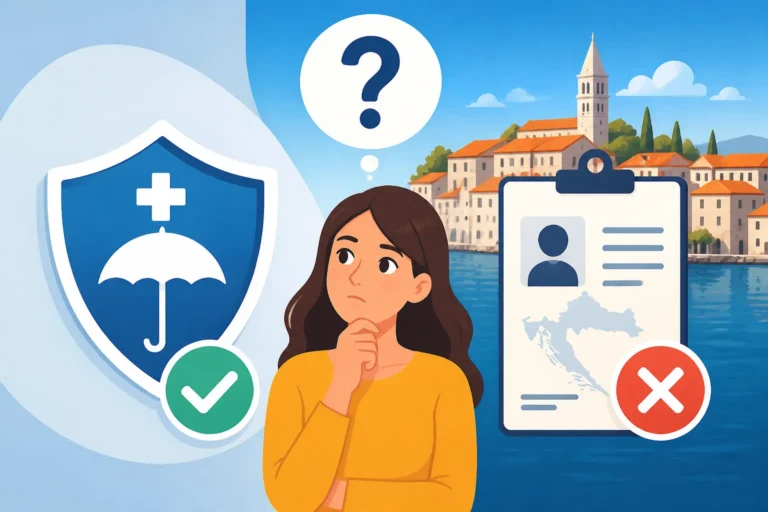
- Private Health Insurance: This is where things get a bit more complex. Some private health insurance plans, especially those designed for expats, might cover prenatal care with private gynaecologists and even private hospital birth costs. However, many private plans have waiting periods for maternity coverage, often 10-12 months. This means you need to have the policy in place before you become pregnant for maternity benefits to kick in. Always check the fine print of any private policy regarding maternity, including waiting periods, coverage limits, and what specific services are included (e.g., ultrasounds, blood tests, delivery, epidural, etc.). Brands like SafetyWing offer travel and medical insurance that can be suitable for digital nomads, and while their standard Nomad Insurance usually excludes maternity, they do offer specific add-ons or separate plans designed for families or those needing maternity coverage. It's absolutely crucial to investigate thoroughly with SafetyWing or any other provider to ensure you have the coverage you need for pregnancy and childbirth in Croatia.
Special Considerations for Digital Nomads and Tourists
For digital nomads on a temporary residence permit in Croatia, you are typically required to have health insurance that covers your stay. This might be HZZO if you qualify (e.g., through self-employment contributions as a paušalni obrt owner) or private health insurance. If you rely solely on private insurance, it is paramount that it explicitly covers maternity services with no waiting period, or that you secured it with enough lead time. Many general travel insurances or basic digital nomad policies (like the standard SafetyWing Nomad Insurance) specifically exclude maternity or have very limited emergency-only maternity benefits. If you're planning a family while on a digital nomad visa, you must actively seek out a policy that includes comprehensive maternity coverage or ensure you qualify for HZZO. SafetyWing does have specific options, like their Remote Health plan, which offers more comprehensive health benefits, including maternity, but these are distinct from their basic travel insurance and come with different terms and costs. Always read the policy documents carefully or contact SafetyWing directly to understand your coverage for maternity in Croatia. Can I Use Public Healthcare in Croatia on a Digital Nomad Visa? delves into this more.
Tourists visiting Croatia are generally expected to have travel insurance. While this might cover emergency childbirth or complications, it will not cover planned prenatal care or routine delivery. If you unexpectedly give birth as a tourist, you will be liable for all costs, which can be substantial. EU citizens with an EHIC (European Health Insurance Card) can access medically necessary public healthcare, including emergency maternity care, but it's not a substitute for comprehensive cover and won't cover planned births or private care.
Preparing for Childbirth: Classes, Hospitals, and Birth Plans
As your due date approaches, your focus will naturally shift towards the birth itself. Croatia has a well-established system for childbirth, but some aspects might differ from what you expect.
Antenatal Classes and Support Groups
Finding antenatal (prenatal) classes in English can be a challenge outside of Zagreb, but they do exist. Some private clinics or independent midwives offer them, as do some expat communities or international schools. These classes typically cover labour stages, pain management options, breathing techniques, and basic newborn care. They can be invaluable for gaining confidence and understanding the local birthing practices.
Support groups for expat mothers and mothers-to-be are also excellent resources. Online forums and social media groups (like "Expats in Zagreb" or specific "Moms in Croatia" groups) are vibrant places to connect, ask questions, and get recommendations from others who have navigated the system. Sharing experiences can ease anxieties and help you feel less isolated during this significant life event. These groups often have informal meetups and can be a lifeline for new expat parents.
Choosing Your Hospital and Understanding Birthing Options
In Croatia, births predominantly take place in hospitals. There are no standalone birthing centres or widespread home birth options like in some other countries. You'll typically be assigned to a hospital based on your address or the hospital your public gynaecologist is affiliated with. If you're using a private gynaecologist, they might have privileges at certain private clinics or public hospitals, giving you more choice.
Major cities like Zagreb, Split, Rijeka, and Osijek have excellent clinical hospital centres (KBCs) that offer comprehensive maternity care. For example, in Zagreb, you have options like Petrova, Sveti Duh, and Merkur, all with different reputations and approaches. It's a good idea to research these hospitals, ask for recommendations from other expats, and if possible, arrange a visit. Some hospitals offer tours, which can help you visualize the environment.
When it comes to birthing options, Croatian hospitals generally offer epidurals, though availability can sometimes depend on staff levels or the specific hospital. Natural birth without intervention is also a common and respected choice. Water births are less common but becoming more available in certain hospitals. It's important to discuss your preferences with your gynaecologist and the hospital staff, although flexibility is often key, as medical circumstances can change. While you can express your wishes in a "birth plan," remember that the medical staff will prioritize the health and safety of you and your baby above all else.
The Birth Experience: What to Expect in Croatian Hospitals
When you go into labour, you'll head to the hospital. Upon arrival, you'll be admitted and assessed. You'll likely be in a labour ward, sometimes shared, where midwives will monitor you and your baby. Doctors will check in periodically.
Pain relief options include gas and air (nitrous oxide), pethidine, and epidurals. The availability of an epidural can vary by hospital and time of day, so it's something to discuss well in advance with your gynaecologist. While your partner is generally allowed to be with you during labour and delivery in most Croatian hospitals, there might be a fee for their presence in the delivery room, and they may need to attend a brief course or get a health check beforehand. This is a crucial detail to clarify with your chosen hospital.
After the birth, skin-to-skin contact is encouraged, and usually, the baby is placed on your chest. The hospital staff, primarily midwives and nurses, will guide you through the initial hours and days. The atmosphere in Croatian maternity wards can be quite bustling, and while care is competent, it might feel less focused on emotional support than you're used to. Don't hesitate to ask questions, even if you need to use a translation app or call a friend.
Postnatal Care for Mother and Baby
The arrival of your baby is just the beginning! Postnatal care in Croatia focuses on ensuring both mother and newborn are healthy and adjusting well.
Initial Hospital Stay and Newborn Care
Typically, after an uncomplicated vaginal birth, mothers and babies stay in the hospital for two to three days. For a C-section, it's usually longer, around four to five days. During this time, the hospital staff will monitor your recovery and teach you basic newborn care, including breastfeeding support. Rooming-in (where your baby stays with you in your room) is common and encouraged to facilitate bonding and breastfeeding.
While in the hospital, your baby will undergo initial health checks, including a physical examination, hearing test, and often a heel prick test for various conditions. You'll also receive information about newborn vaccinations, which are generally mandatory in Croatia. The hospital will provide you with the necessary documentation for your baby, including the birth certificate and information needed for registration. It's a lot of information in a short period, especially if you're navigating it in a foreign language.
Follow-up Care for Mother and Baby at Home
Once you're discharged, your postnatal care continues. You'll typically have a follow-up appointment with your gynaecologist a few weeks after birth to check your recovery. For the baby, you'll need to register them with a paediatrician. This is a crucial step. Just like with gynaecologists, you can choose a public or private paediatrician. Your chosen paediatrician will oversee your baby's growth, development, and vaccination schedule.
Home visits from a visiting nurse (patronažna sestra) are also common in the first few weeks after discharge, particularly in smaller towns and cities. They can provide breastfeeding advice, weigh the baby, check your recovery, and offer general support. These visits are a wonderful resource and are covered by HZZO. It’s definitely worth asking about this service at the hospital before you leave.
Registering Your Newborn and Other Administrative Steps
This is perhaps the most bureaucratic part, but absolutely essential. You'll need to register your baby's birth at the matični ured (registrar's office) in the municipality where the birth occurred. This usually needs to be done within 15 days of birth. You'll need the birth notification documents from the hospital, your passports, and your marriage certificate (if applicable, with an apostille if from outside Croatia and translated). The registrar's office will issue the baby's birth certificate (rodni list) and a certificate of citizenship (domovnica). These are foundational documents.
Next, you'll need to get an OIB (personal identification number) for your baby from the tax administration (Porezna Uprava). With the birth certificate, citizenship certificate, and OIB, you can then register your baby for health insurance with HZZO by adding them to your existing policy. Learning How to Register Family Members for Health Insurance in Croatia is a must. Don't forget to also contact your embassy to apply for your child's citizenship and passport from your home country. It’s a multi-step process, so try to tackle it early, or better yet, get a Croatian friend to help you navigate it.
Common Concerns and Cultural Nuances for Expats
Living through pregnancy and childbirth in a foreign country brings unique challenges beyond the medical aspects. Cultural differences and language barriers can add layers of stress.
Language Barriers and Finding English-Speaking Support
One of the most significant challenges for non-Croatian speaking expats is the language barrier. While many younger doctors and medical staff in larger hospitals speak some English, it's not guaranteed, especially with older staff or in smaller towns. Don't assume everyone will speak English. For crucial appointments, consider bringing a Croatian-speaking friend, hiring a professional medical translator, or using a translation app. Being able to communicate effectively about your health and your baby's health is paramount. Asking for clarification, even if it feels repetitive, is always a good idea. Many expat groups can also recommend English-speaking gynaecologists and paediatricians. Finding How to Find an English-Speaking Doctor in Croatia is often a top priority.
Navigating Bureaucracy and Documentation
Croatia, like many European countries, has its fair share of bureaucracy. Document requirements for registering your baby, applying for OIB, and setting up health insurance can feel extensive and sometimes confusing. The key is patience, organization, and always asking for a complete list of required documents upfront. When in doubt, it’s often best to bring more documents than you think you need, including originals and copies. Official documents from your home country, like marriage certificates, often require an apostille and a certified translation into Croatian. This can be a time-consuming and costly process, so factor it into your planning. Embrace the "slow and steady wins the race" mentality, and don't be afraid to ask for help from local friends or expat community members who have been through it.
Emotional Support and Community Resources
Pregnancy and new parenthood are emotionally intense periods, and being an expat can amplify feelings of isolation or overwhelm. Building a strong support network is vital. Connect with other expat parents through social media groups, meet-ups, or international clubs. They can offer invaluable advice, share experiences, and provide that much-needed sense of community. Don't hesitate to reach out to friends and family back home via video calls.
Consider exploring local resources for mental health support if you're struggling. While mental health services in Croatia are growing, finding English-speaking therapists can still be a challenge. However, some private polyclinics in Zagreb offer psychological support in English. Remember that taking care of your mental well-being is just as important as your physical health during this transformative time.
Ultimately, while the system might present its quirks, Croatia is a safe and beautiful place to welcome a new life. With preparation, patience, and a good support system, you'll navigate your maternity journey with confidence and joy.
Disclaimer
Please remember that this guide provides general information based on common expat experiences and publicly available data. Healthcare regulations and administrative processes in Croatia can change. Always consult with official sources, your chosen healthcare providers, and legal professionals for the most accurate and up-to-date information pertaining to your specific situation. This content does not constitute medical or legal advice.