How to Get a Sanitary Card (Sanitarna Iskaznica) in Croatia
Moving to Croatia means adapting to a new administrative rhythm, and one little-known but crucial requirement for many expats working in specific sectors is the "Sanitarna Iskaznica," or Sanitary Card. This isn't just another piece of paper; it's a vital document proving you're fit to work in jobs involving food, water, or direct contact with the public, and navigating its process can feel like a mini-adventure in Croatian bureaucracy. This comprehensive guide will walk you through every step, shedding light on what it is, who needs it, how to get it, and what to expect along the way.
What Exactly is a Sanitary Card (Sanitarna Iskaznica) in Croatia?
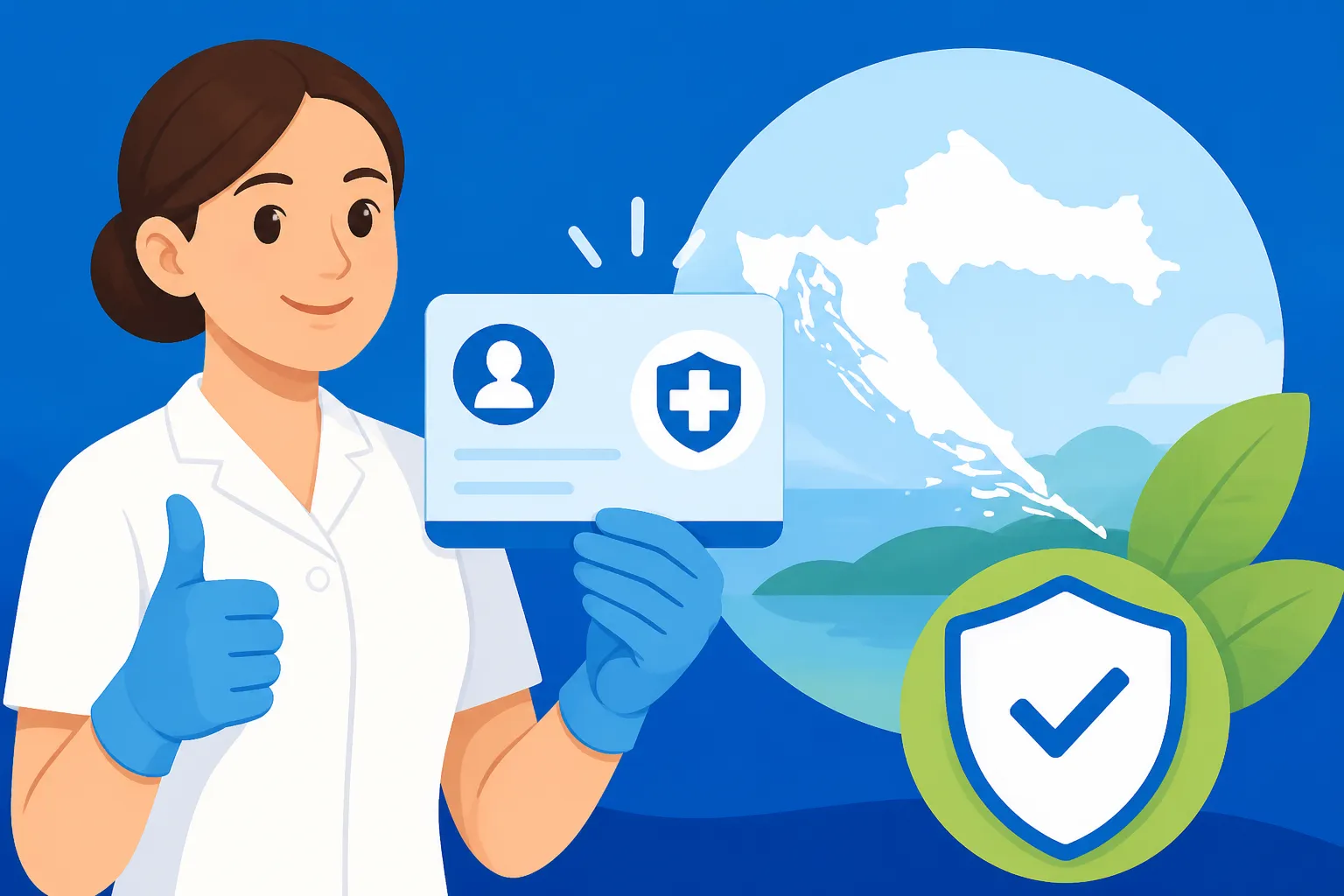
Ah, the sanitary card! When I first heard about it, I pictured something out of a 1950s health film, but it's a very real and important document here in Croatia. Essentially, a Sanitarna Iskaznica is a health booklet or card that certifies an individual is free from certain infectious diseases and has met specific health requirements to work in particular roles. It's a public health measure designed to protect both consumers and employees, especially in industries where hygiene is paramount. Think of it as your official stamp of health clearance for specific types of employment.
It's not just a one-off thing either; it comes with validity periods, meaning you'll need to renew it periodically. This ensures that everyone working in these sensitive areas maintains a consistent level of health and hygiene, minimizing risks to the wider population. For us expats, it’s another layer of paperwork, but understanding its purpose helps contextualize why it exists. It’s all part of the Croatian system to maintain health standards, much like how you need proper health insurance here, a topic we cover in depth in our guide on How the Croatian Health Insurance Fund (HZZO) Works: A Full Overview.
Who Needs a Sanitary Card?
This isn't a universal requirement for everyone working in Croatia, so don't panic if your remote IT job doesn't seem to fit the bill. The Sanitarna Iskaznica is specifically mandated for individuals whose work involves handling food, drinking water, or having direct contact with the public in certain settings, especially those vulnerable to public health risks. This includes a broad range of professions that might surprise you, so it's always best to check if your specific role falls under this umbrella.
Common examples include anyone working in gastronomy, like chefs, waiters, bartenders, and kitchen staff in restaurants, cafes, and hotels. It also extends to employees in food production, processing, storage, and distribution—so if you're working in a bakery, a butcher shop, or even a grocery store, you'll likely need one. Beyond food, it applies to those handling drinking water, working in communal hygiene facilities (like beauticians, hairdressers, and tattoo artists), health workers in direct contact with patients, and even educators in kindergartens and schools. The underlying principle is simple: if your job puts you in a position where you could potentially transmit infections to others, particularly through food, water, or close personal contact, this card is for you. If you're pondering starting your own venture that involves such activities, like a paušalni obrt for catering, remember this step, as detailed in How to Register a Paušalni Obrt (Flat-Rate Trade) in Croatia.
Why is it Required?
The primary reason for the Sanitarna Iskaznica is public health and safety, plain and simple. Imagine if someone carrying a contagious illness were handling your food or performing a beauty treatment. This card acts as a preventative measure, ensuring that individuals in these high-risk occupations are regularly screened for specific pathogens that could pose a threat to public health. It’s all about minimizing the spread of foodborne illnesses, waterborne diseases, and other transmissible conditions.
The Croatian Ministry of Health, through institutions like the Croatian Institute of Public Health (HZJZ) and county public health institutes, sets the standards and mandates these checks. They're not just trying to add another layer of bureaucracy to your life; they're genuinely trying to protect everyone. The tests involved, such as stool samples and throat swabs, are designed to detect common bacteria, parasites, and other infectious agents that can be easily transmitted in these environments. It also includes an obligatory health examination to ensure general fitness for the role and to provide basic hygiene training. For expats, understanding this can alleviate some of the initial frustration, as it’s a standard practice here, rooted in a collective concern for community well-being, similar to how even tourists need to be aware of Emergency Medical Care in Croatia: What Every Expat Needs to Know.
The Step-by-Step Process to Obtain Your Sanitary Card
Alright, let's get down to brass tacks: how do you actually get this thing? The process might seem a bit convoluted at first, particularly if you're not used to the Croatian healthcare system, but it's manageable once you know the steps. It generally involves an initial health check-up, a series of laboratory tests, and finally, receiving the card itself. Patience, my friends, is key here, as it often involves multiple visits to different locations. Remember, even securing basic things like an OIB is a multi-step process here, as outlined in How to Get Your OIB and Why It Matters for Healthcare Access.
One crucial tip for expats is to inquire whether the institution you're visiting has English-speaking staff or if you should bring someone to translate. While larger city polyclinics might have some English speakers, smaller institutes might not. Having a Croatian friend or colleague with you can dramatically smooth over communication issues and help you understand specific instructions, especially regarding sample collection.
Initial Health Check-up and Required Documents
Your journey begins with a visit to an authorized medical institution, typically a Zavod za javno zdravstvo (Institute of Public Health) at the county level, or a private polyclinic that is accredited to perform these examinations. When you go for your initial appointment, you'll need to bring a few things with you. Firstly, your personal identification: your passport or national ID card, and if you have one, your OIB. You might also need proof of your health insurance status, whether that's through HZZO or private insurance like SafetyWing, which offers flexible and comprehensive travel medical insurance often used by digital nomads and long-term travelers. It's always a good idea to bring your residence permit as well, just in case.
During this first visit, you'll undergo a general medical examination by a doctor. This typically includes a basic physical check-up, a review of your medical history, and a discussion about your work specifics. They'll also provide you with the necessary containers and instructions for collecting the samples needed for the laboratory tests. This is a critical point where clear communication is vital, as understanding how to collect the samples correctly will save you a lot of hassle and potential re-tests. Don't be shy about asking for clarification!
Laboratory Tests and Results
This is often the part that feels a bit… intimate. The core of the sanitary card process lies in the laboratory tests, which are designed to screen for specific infectious diseases. The most common tests involve:
- Stool samples: You'll be given sterile containers and instructions on how to collect stool samples. These are crucial for detecting intestinal parasites or pathogenic bacteria that could be transmitted through food or water. You might need to provide samples over several consecutive days, so pay close attention to the doctor's instructions.
- Throat and nasal swabs: These are taken to check for specific bacterial infections that could be transmitted through respiratory droplets or direct contact.
- Blood tests: In some cases, depending on your work type or a doctor's assessment, blood tests might be required to screen for certain viruses or other conditions.
Once you've collected your samples, you'll need to return them to the laboratory or designated collection point, often at the same Institute of Public Health. The waiting period for results can vary, but typically it takes a few working days. It's important to be patient during this time. Once the results are in, the doctor will review them to determine if you meet the health requirements for your specific job. If all results come back clear, you're good to go! If there are any issues, the doctor will discuss them with you and advise on necessary steps, which might include treatment or further testing. This is where having good health coverage, perhaps even through a flexible option like SafetyWing, can really come in handy if unexpected health issues arise.
Receiving Your Sanitary Card
After all your tests are complete and the doctor has confirmed you are medically fit for your role, you'll finally receive your Sanitarna Iskaznica. This is usually a small booklet or a laminated card, which will contain your personal details, your OIB, the date of issue, the expiry date, and the stamp and signature of the issuing institution. It might also list the types of work you are cleared for and the periodicity of your future renewals.
Make sure to keep this card safe! It's an official document and you are legally required to present it to your employer upon request. It's a bit like carrying your driving license; you need it to perform certain activities. If you're employed, your employer will likely keep a copy on file, but you should always have the original readily available, especially if you work at multiple locations or change employers. Consider it another essential piece of your expat puzzle, alongside your residence permit and health insurance card, which are crucial for navigating The Complete Guide to Healthcare in Croatia for Expats (2027).
Navigating the Renewal Process
Just like many other administrative documents in Croatia, your sanitary card isn't a one-and-done deal. It has a validity period, and you'll need to renew it to stay compliant. This is a crucial detail that many expats overlook, only to find themselves in a bind when their card expires.
When and How Often to Renew
The frequency of renewal largely depends on the type of work you do and the specific health risks associated with it, as determined by the Ministry of Health regulations. For most occupations requiring a Sanitarna Iskaznica, renewals are typically required either annually or every two years. For instance, those in direct food handling often need to renew yearly, while others might have a two-year cycle. The exact expiry date will be clearly stated on your sanitary card itself, so make sure to mark it in your calendar!
It's your responsibility, not your employer's, to track this expiry date and initiate the renewal process in a timely manner. Don't wait until the last minute, as the process still involves appointments and waiting for lab results. I’d recommend starting the renewal process a few weeks before the expiry date to avoid any gaps in coverage. An expired sanitary card can lead to serious legal consequences for both you and your employer, which we’ll delve into later.
What Changes for Renewals?
The good news is that the renewal process is generally quite similar to the initial application, but it might be slightly streamlined since you’re already in the system. You’ll still need to visit an approved medical institution, undergo a medical check-up, and provide the necessary laboratory samples (stool, throat/nasal swabs). The doctor will review your general health and assess if there have been any changes relevant to your work.
The key differences are often in the administrative side – you'll simply state that it's a renewal. You'll also bring your old sanitary card. The costs for renewal are usually the same as for the initial issuance. While it's a repetitive task, it's a necessary one to ensure ongoing public health standards. Think of it as a regular maintenance check for your professional health, ensuring you can continue your work without issues. This regular check-up is part of the broader framework of Navigating the Croatian Healthcare System: An Expat's Roadmap (2027).
Costs, Clinics, and Common Pitfalls
Let's talk about the practicalities that often cause the most headaches: money, where to go, and what common issues you might encounter. Nobody likes unexpected costs or wasted trips, right?
Associated Costs and Where to Pay
The cost of obtaining or renewing a Sanitarna Iskaznica is not fixed across the board but generally falls within a certain range. As of my last check, you can expect to pay anywhere from €50 to €100 for the full examination and tests, though prices can fluctuate slightly between different public health institutes and private polyclinics. This fee typically covers the doctor’s consultation, the laboratory analyses, and the issuance of the card itself.
Payment is usually made directly at the medical institution on the day of your appointment. Most places accept cash and card payments. It's always a good idea to confirm the exact price when you book your appointment, just to avoid any surprises. Remember, this is an out-of-pocket expense; it's generally not covered by your standard HZZO health insurance because it’s a preventative occupational health requirement, not treatment for an illness. While your primary health insurance like HZZO or even robust travel health insurance like that offered by SafetyWing will cover medical treatments, these specific occupational health checks are separate. If you’re a self-employed individual, this cost is a business expense you'll need to factor in.
Finding an Approved Medical Institution
This is where local knowledge comes in handy. You can't just go to any doctor for your sanitary card. The examination must be performed by an authorized institution, which are primarily the Županijski zavodi za javno zdravstvo (County Institutes of Public Health) or specific poliklinike (polyclinics) that have been accredited for occupational medicine.
To find the one nearest to you:
- Start with your local Zavod za javno zdravstvo: A quick Google search for "Zavod za javno zdravstvo [Your City/County]" will usually bring up their contact details and address. For example, if you're in Zagreb, you'd look for "Nastavni zavod za javno zdravstvo 'Dr. Andrija Štampar'". These are generally reliable and often the most affordable option.
- Ask your employer: If you’re employed, your employer should be able to direct you to their preferred or contracted medical institution for these examinations. They often have established relationships.
- Check with private polyclinics: Many private polyclinics offer occupational health services. These might be a bit more expensive but can sometimes offer quicker appointments or more English-speaking staff. You can find more about private clinics in our guide on Understanding Private Polyclinics (Poliklinike) in Croatia.
It's advisable to call ahead to book an appointment and confirm what documents you need to bring and the exact cost.
Common Challenges and Expat Tips
Navigating this process as an expat can come with its own set of unique hurdles. Here are some common pitfalls and how to mitigate them:
- Language Barrier: This is probably the biggest one. While staff in larger cities might speak some English, don't assume. Bring a Croatian speaker with you if possible, especially for the initial consultation and when receiving instructions for sample collection. Even simple phrases can be misinterpreted, leading to errors.
- Understanding Instructions: The instructions for sample collection need to be followed precisely. If you're unsure, ask for them to be written down or demonstrated. A botched sample means re-doing the process, costing you time and potentially more money.
- Appointment Availability: Especially during peak seasons (like summer when many seasonal workers get their cards), appointments at public health institutes can be booked up. Plan ahead and book well in advance. Private clinics might offer more flexibility but at a higher price.
- Documentation: Always double-check the required documents before you go. Having everything ready saves you from making multiple trips. This includes your OIB, ID, and any employment papers your doctor might request.
- Patience: Croatian bureaucracy, while improving, still requires a good deal of patience. Things might not always move as quickly as you'd like, and there can be waiting times. Adopt a relaxed mindset, and it will be less stressful.
Here's a quick overview of the typical steps:
| Step | Description | Estimated Timeframe | Cost Implication |
|---|---|---|---|
| 1. Research & Appointment | Find an approved institution (Zavod za javno zdravstvo or private polyclinic) & book. | 1-3 days | None |
| 2. Initial Medical Exam | Doctor's consultation, physical check-up, instructions for samples. | 1-2 hours | Covered by fee |
| 3. Sample Collection | Collect stool, throat/nasal swabs as instructed. | 1-3 days (at home) | None |
| 4. Sample Submission | Return collected samples to the lab. | < 1 hour | None |
| 5. Wait for Results | Lab analysis of samples. | 3-7 working days | None |
| 6. Receive Sanitary Card | If results are clear, collect your official Sanitarna Iskaznica. | < 1 hour (after results) | Covered by fee |
What Happens if You Don't Have a Sanitary Card?
Ignoring administrative requirements in Croatia, especially those related to health and safety, is never a good idea. The Sanitarna Iskaznica is not a suggestion; it's a legal obligation for specific job roles, and failure to comply can lead to significant repercussions for both the individual and the employer.
Legal Consequences for Individuals
If you are found working in an occupation that requires a Sanitarna Iskaznica without a valid one, you could face legal penalties. Inspectors from the State Inspectorate (Državni Inspektorat) or sanitary inspectors have the authority to conduct checks, especially in places like restaurants, cafes, and food production facilities. If you're caught, you could be subject to fines. These fines are not trivial and are designed to deter non-compliance. While the exact amounts can vary and be subject to updates in legislation, they can range from several hundred to over a thousand euros.
Beyond the financial penalty, being found without a valid card could also lead to immediate suspension from your job until you obtain one. This means loss of income and potential issues with your employer. It’s a risk that simply isn't worth taking for a document that is relatively straightforward (albeit bureaucratic) to obtain. It's just another aspect of working legally in Croatia, which is explored further in The Complete Guide to Working in Croatia as a Foreigner (2027).
Employer Responsibilities and Fines
The onus isn't just on the employee; employers bear a significant responsibility to ensure that all their staff members who require a Sanitarna Iskaznica possess valid ones. Employers are expected to maintain records of their employees' sanitary cards, including their issue and expiry dates, and to ensure renewals are carried out in a timely manner. Failure to do so can result in even more substantial fines for the business.
Croatian labor laws and public health regulations are quite strict on this. If an employer is found to have employees working without valid sanitary cards, the fines can be steep, potentially ranging from thousands to tens of thousands of euros, depending on the severity and scale of the non-compliance. In addition to fines, repeated violations could lead to business closures or other legal sanctions. This is why most legitimate employers in Croatia will be very proactive about reminding their staff to obtain and renew their sanitary cards. It's a critical part of their adherence to Your Rights as an Employee in Croatia: The Full Overview (2027).
Practical Advice and Expat Insights
Having lived through various bureaucratic processes here, I can tell you that a little foresight and a dose of realism go a long way. The sanitary card process, while not the most complex, can still throw curveballs, especially if you're new to the country.
Language Barriers and How to Overcome Them
As mentioned earlier, the language barrier is often the biggest hurdle. Croatia's official language is Croatian, and while English is widely spoken in tourist areas and among younger generations, you can't rely on it for every administrative interaction. Medical professionals, especially in public institutions, may have limited English proficiency.
Here’s how to tackle it:
- Bring a Croatian Speaker: This is hands-down the best solution. If you have a Croatian friend, colleague, or even a landlord who can come with you to the initial appointment, it will make a world of difference. They can translate instructions, ask clarifying questions, and ensure you understand everything.
- Use Translation Apps: For quick questions or to understand forms, a translation app on your phone can be a lifesaver. Google Translate or similar apps can help with simple sentences, though they might struggle with complex medical terminology.
- Write Down Key Phrases: Before you go, write down what you need (e.g., "I need a sanitary card," "for work in a restaurant," "when are the results ready?") in Croatian. This can help initiate the conversation.
- Seek Out Private Clinics: If language is a significant concern and you're willing to pay a little more, research private polyclinics in larger cities. Many specifically cater to expats and are more likely to have English-speaking staff.
Remember, the goal is clear communication, especially when it comes to health instructions and test procedures. Don't be afraid to ask for repetition or clarification until you're absolutely sure.
Integrating it with Other Health Requirements
The Sanitarna Iskaznica is just one piece of the health and administrative puzzle in Croatia. For most expats, it fits into a larger framework of health requirements, whether you're working for a Croatian company, self-employed, or even here on a digital nomad permit.
Consider how it connects to other aspects:
- Health Insurance: You'll need to have valid health insurance to live and work in Croatia, whether it's public HZZO insurance (which is mandatory if you're employed or self-employed here) or private health insurance for those on certain permits, like digital nomads. While the sanitary card isn't covered by HZZO, having your insurance sorted is fundamental to accessing general healthcare, which you might need for the initial medical check. For those on a digital nomad permit, flexible options like SafetyWing are a popular choice, ensuring you're covered for unexpected medical needs while fulfilling residency requirements. Our guide, How to Access Healthcare While on a Digital Nomad Permit in Croatia, elaborates on this.
- Family Doctor Registration: For those with HZZO, registering with a family doctor (obiteljski liječnik) is an essential step for all your primary healthcare needs, from routine check-ups to getting referrals. While they don't issue sanitary cards, having a family doctor is crucial for your overall health management in Croatia. Learn more in The Expat Guide to Finding a Family Doctor (Obiteljski Liječnik) in Croatia.
- Work Permits and Residency: Having all your ducks in a row for work permits and temporary residence (privremeni boravak) is paramount. The sanitary card is an occupational health requirement that often comes after you've secured your right to work in the country, but it's equally important for maintaining that status in specific fields.
Think of it all as a layered cake: your residence permit is the base, your health insurance is the delicious filling, and the sanitary card is a cherry on top for those specific jobs. Each layer is important and contributes to your ability to live and work smoothly in Croatia.
Disclaimer
Please note that while this guide aims to provide comprehensive and up-to-date information, regulations in Croatia can change. It is always advisable to consult official sources, such as the Croatian Ministry of Health or your local Institute of Public Health, for the most current requirements and procedures. This information is for general guidance only and should not be considered legal or medical advice.