How Do I Find a Trusted Private Clinic in Dubrovnik?
Finding yourself ill in a foreign city is a stressful experience, especially in a place as geographically unique as Dubrovnik where the public hospital is tucked away and the language barrier can feel insurmountable when you are in pain. This guide provides a clear, step-by-step roadmap to identifying, vetting, and visiting the most trusted private clinics in Dubrovnik to ensure you receive high-quality, English-speaking medical care without the long wait times of the public system.
Why Private Care is Often the Best Route for Expats in Dubrovnik
If you have spent any significant time living in the Pearl of the Adriatic, you already know that the local lifestyle is idyllic until you need to navigate the administrative side of the healthcare system. The public medical infrastructure in Croatia is robust but often overburdened. While the General Hospital Dubrovnik (Opća bolnica Dubrovnik) handles emergencies and major surgeries, the day-to-day medical needs of the expat community are often better served through the private sector. The primary reason is the sheer speed of service. In the public system, getting a specialist appointment for something like a persistent skin issue or a non-emergency cardiology check-up can take months.
When you opt for a private clinic, you are essentially paying for time and communication. Most private doctors in Dubrovnik have spent time working abroad or are accustomed to treating the high volume of international tourists that flock to the city every summer. This means their English is usually excellent, and they understand the specific documentation needs of international insurance providers. I remember the first time I tried to use my basic HZZO coverage for a simple ultrasound; the confusion at the reception desk was enough to make my headache worse. Switching my focus to private polyclinics changed the experience from a bureaucratic battle to a standard professional consultation.
It is important to understand the distinction between a small doctor's office and a Poliklinika. In Croatia, a polyclinic is a private institution that provides specialized healthcare in at least two different fields. This is why you will see many "Poliklinika" signs around areas like Lapad and Gruž. They offer a "one-stop-shop" experience where you can get a consultation, blood tests, and imaging all in one building. This is a massive relief for those who don't want to spend their morning trekking across the city to various laboratories. Before you dive in, it is worth reading The Complete Guide to Healthcare in Croatia for Expats (2027) to understand how these private entities fit into the broader national framework.
For those who are in Croatia on a temporary basis, such as digital nomads or those waiting for their residency paperwork to clear, private clinics are often the only realistic option. If you are not yet registered with the national health fund, you will be paying out of pocket or using international insurance. This is where having a plan like SafetyWing becomes incredibly useful, as it is designed for people who live between borders and need a safety net that the local public system might not immediately provide. Using SafetyWing allows you to visit these top-tier private facilities and then seek reimbursement, bridging the gap while you figure out Public vs Private Healthcare in Croatia: Which Should Expats Choose? for your long-term stay.
Steps to Vetting a Private Clinic in the Pearl of the Adriatic
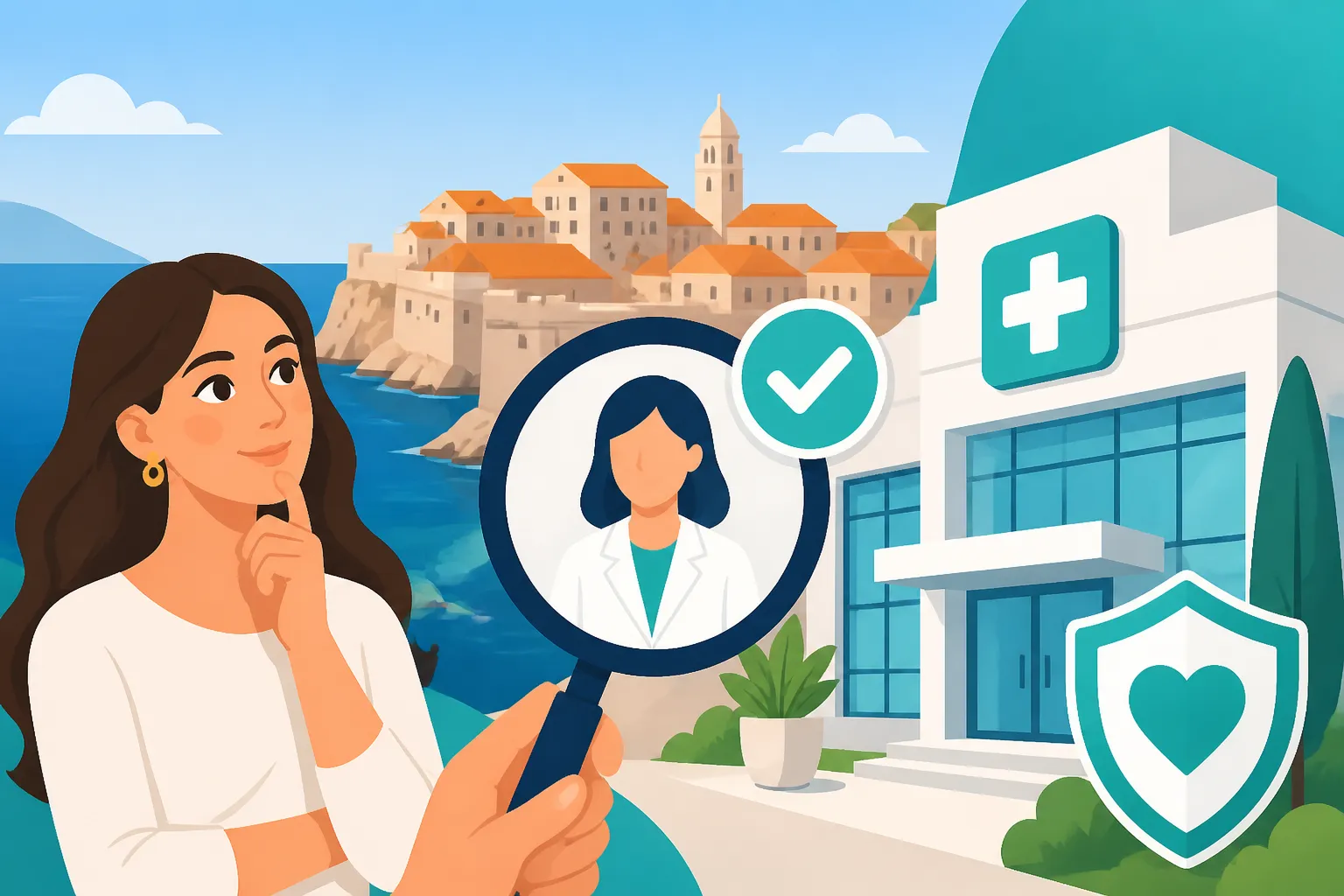
Not all private clinics are created equal. When you are looking for a "trusted" facility, you need to look beyond the shiny website. The first step is to check the legal status of the clinic. Any legitimate medical provider in Dubrovnik must be registered with the Ministry of Health. You can usually find their registration details or their status as a "Poliklinika" on their "About Us" page. If a clinic seems vague about its qualifications or its doctors’ credentials, keep looking.
Google Reviews are a goldmine in Dubrovnik, but you have to read them with a critical eye. Look specifically for reviews from long-term expats rather than tourists. Tourists often leave reviews based on a single emergency visit, whereas expats can provide insight into the clinic’s consistency, the ease of booking follow-up appointments, and how they handle long-term care. If you see multiple complaints about "hidden costs," it might be a sign that the clinic doesn't provide clear pricing upfront. Transparency is a hallmark of a trusted clinic. You should be able to call and ask for the price of a standard consultation and get a direct answer. This transparency is vital, especially when you are trying to understand The Cost of Healthcare in Croatia: A Complete Breakdown for Foreigners (2026) before committing to a treatment plan.
Another great way to vet a clinic is through local networking. Dubrovnik has a small but tight-knit expat community. Joining local social media groups and asking for personal recommendations can save you a lot of trial and error. People will be very honest about which doctors have the best "bedside manner" and which receptionists are the most helpful with insurance paperwork. For more general advice on finding the right practitioner, you might find How to Find an English-Speaking Doctor in Croatia particularly helpful.
Finally, consider the clinic's specialization. If you need a specific type of care, such as dermatological surgery or advanced physiotherapy, look for clinics that prioritize those departments. Some polyclinics are generalists, while others are known nationwide for a specific niche. For instance, some facilities in Dubrovnik are world-renowned for neurorehabilitation, while others focus heavily on travel medicine and urgent care for the cruise ship and yachting community. If you are confused about how these centers operate, check out Understanding Private Polyclinics (Poliklinike) in Croatia for a deeper dive into their structure.
Notable Private Polyclinics and Specialists in Dubrovnik
Dubrovnik may be a small city, but it punches above its weight in terms of private medical facilities. Most of the top-rated clinics are located outside the Old Town, primarily in the Lapad and Gruž districts, which are more accessible by car and bus.
One of the most prominent names you will encounter is Marin Med. Located near the Port of Gruž, this clinic is often the first choice for expats and maritime workers. They offer an incredibly wide range of services, from radiology and internal medicine to specialized surgery. Their facility is modern, and they are very experienced in dealing with international insurance. If you have coverage through a provider like SafetyWing, Marin Med is usually very efficient at providing the itemized English-language receipts you need for a smooth claim process. Their staff is notoriously multilingual, which removes a huge layer of anxiety for new arrivals.
Another heavy hitter is Poliklinika Glavić. While they have a massive reputation for robotic neurorehabilitation, they also function as a comprehensive polyclinic with various specialists. They are located in the Lapad area and have a long history in the city. They are often praised for their high-tech diagnostic equipment. If you need a high-resolution MRI or specialized blood panels that the local Understanding the Role of the Dom Zdravlja (Health Centre) in Croatia cannot provide quickly, Glavić is a reliable alternative.
To help you compare your options, here is a breakdown of what to expect from the major private players in the city:
| Clinic Name | Location | Key Specializations | Best For |
|---|---|---|---|
| Marin Med | Gruž | Surgery, Radiology, Cardiology, Urgent Care | Expats needing English-speaking specialists and insurance help. |
| Poliklinika Glavić | Lapad | Neurorehab, Ophthalmology, Internal Medicine | Advanced diagnostics and specialized long-term recovery. |
| Poliklinika Marinović | Lapad | Dermatology, Venereology | Skin issues, mole checks, and aesthetic treatments. |
| Poliklinika Cutic | Montovjerna | Gynaecology, Obstetrics | Women's health and prenatal consultations. |
Choosing the right clinic often depends on your specific pain point. If you have a sudden ear infection or a mysterious rash, a general polyclinic like Marin Med is your best bet. If you are looking for long-term women’s health care, a specialized clinic like Poliklinika Cutic might offer a more personalized environment. Regardless of where you go, remember that as a foreigner, you have the right to ask for your medical records in a format you can understand. This is essential if you ever need to transfer your care back to your home country or to a different specialist in Zagreb.
Logistics: Booking, Costs, and Insurance
Booking an appointment in a Dubrovnik private clinic is usually a breath of fresh air compared to the public system. Most clinics allow you to book via email or even through WhatsApp, though a phone call is still the fastest way to get a same-day or next-day slot. When you call, immediately state that you are an English speaker; the receptionist will almost always transfer you to a fluent staff member.
In terms of cost, expect to pay anywhere from €50 to €100 for a standard initial consultation with a specialist. Diagnostic tests like blood work, ultrasounds, or X-rays will be billed on top of that. While this might feel expensive if you are used to subsidized healthcare, the efficiency often justifies the price. You won't be sitting in a crowded waiting room for three hours only to be told the doctor is "na terenu" (out in the field). You are paying for a scheduled time slot that is actually respected. For more details on the financial side of things, read How Do I Pay for Private Healthcare in Croatia as a Foreigner? to avoid any surprises at the checkout desk.
Insurance is the most critical logistical piece. If you are an expat working for a Croatian company, you will have mandatory HZZO insurance, but this typically does not cover private clinic visits unless that clinic has a specific contract with the state (which is rare for standard consultations). This is why many expats also carry supplementary insurance. You can find out more about this by checking Is Dopunsko Osiguranje Worth It for Expats in Croatia. However, even with local insurance, many find that a global travel medical plan like SafetyWing is a lifesaver for the private sector. Since SafetyWing is built for the modern traveler and nomad, its claims process is often much more straightforward than trying to navigate the reimbursement rules of a local Croatian insurer for a private visit.
Always remember to ask for an "R1" invoice if you are self-employed or if your insurance requires a specific tax-compliant receipt. Even if you are just a tourist who had a minor accident, having a detailed receipt is the difference between getting your money back from your insurance and being out of pocket. If your situation is more urgent, make sure you know the difference between a private clinic visit and Emergency Medical Care in Croatia: What Every Expat Needs to Know. Private clinics have set working hours; for a midnight emergency, you will still need to head to the hospital or call 112. It is also worth knowing Can Tourists Access Emergency Care in Croatia for Free? just in case your situation is more critical than a standard clinic can handle.
Internal Disclaimer
This guide is intended for informational purposes only and is based on the personal experiences of expats living in Croatia. I am a blogger, not a medical professional or a legal expert. Healthcare regulations and clinic availability in Dubrovnik can change rapidly. Always verify current prices, services, and credentials directly with the medical provider before undergoing any treatment. In the event of a life-threatening emergency, please dial 112 immediately to reach Croatian emergency services. For specific insurance coverage questions, contact your provider directly to confirm which facilities are in-network or eligible for reimbursement.