Can Tourists Access Emergency Care in Croatia for Free?
Getting sick or having an accident while on holiday in a foreign country is one of those nightmares nobody wants to face, especially when you're unsure how the local healthcare system works and if it will cost you an arm and a leg. Navigating emergency care in Croatia as a tourist can feel incredibly daunting, but don't fret! This guide will walk you through exactly what to expect, who pays for what, and how to prepare for any unexpected medical needs during your Croatian adventure.
Understanding Emergency Care in Croatia
First things first, let's clear up a common misconception: no, emergency care in Croatia isn't universally "free" for tourists, at least not in the way many people hope. The reality, like most things related to international travel and healthcare, is a bit more nuanced. It heavily depends on your citizenship, whether you have adequate travel insurance, and the nature of the emergency itself. Croatia, bless its bureaucratic heart, has its own rules, and knowing them upfront can save you a world of stress and unexpected expenses.
What Constitutes an Emergency?
In Croatia, like anywhere, an emergency (or hitno stanje) generally refers to a sudden, acute illness or injury that requires immediate medical attention to prevent serious harm, loss of life, or permanent disability. Think heart attacks, severe accidents, strokes, major fractures, or sudden, debilitating pain. It’s not for a nagging cough you've had for a week or needing a prescription refill. The system is designed to triage and prioritize genuine life-threatening conditions.
For anything less severe, like a persistent flu, a minor cut, or a routine check-up that suddenly feels urgent, you're generally expected to visit a Dom Zdravlja (health centre) or a private clinic, not the emergency room. Trying to use emergency services for non-emergencies can lead to long waits, frustration, and possibly being turned away or charged extra. It's crucial to understand this distinction to avoid wasting precious holiday time and resources. For true emergencies, however, don't hesitate.
Where to Go for Emergency Care
When a real emergency strikes, you have a few options, depending on the severity and your location:
-
Hitna Medicinska Pomoć (Emergency Medical Aid / Ambulance): This is your first port of call for life-threatening situations where immediate transport and care are needed. You call 194 (the direct ambulance number) or 112 (the general European emergency number, which can connect you to ambulance, fire, and police). An ambulance will typically transport you to the nearest appropriate hospital, often a Klinički bolnički centar (KBC) or Opća bolnica (General Hospital), which are equipped for serious cases. Expect professional, if sometimes direct, service.
-
Objedinjeni Hitni Bolnički Prijem (OHBP) / Emergency Room: This is the hospital's main emergency department. If you can get yourself to a hospital safely (e.g., via taxi for a non-life-threatening but urgent issue like a suspected broken ankle), you'd head here. Hospitals with OHBP facilities are typically found in larger cities like Zagreb (e.g., KBC Zagreb, KB Dubrava, KBC Sestre Milosrdnice), Split (KBC Split), Rijeka (KBC Rijeka), and Osijek (KBC Osijek). These are the places that can handle complex diagnoses and treatments.
-
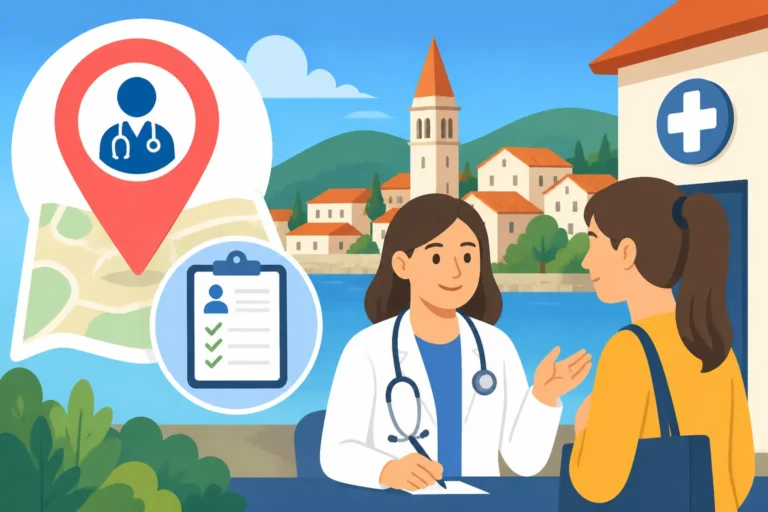
Dom Zdravlja (Health Centre): For less severe but still urgent issues, many Dom Zdravlja locations have an emergency shift or a general practitioner (liječnik opće prakse) on call during off-hours, especially in smaller towns. This is where you'd go if you're not sure it's a "call an ambulance" emergency but definitely can't wait until regular clinic hours. They can assess your condition, provide basic treatment, or, if necessary, give you a referral (e-uputnica) to a hospital or specialist.
Knowing the difference is key. Don't be shy about calling for an ambulance if you truly believe it's a medical emergency, but also understand that Croatian emergency services are stretched, just like anywhere else, so use them wisely. You can also explore options like Understanding the Role of the Dom Zdravlja (Health Centre) in Croatia for non-emergency but urgent care.
Costs and Coverage for Tourists
This is where it gets a bit tricky, and frankly, often frustrating for foreigners. The idea of "free" healthcare, as some might assume from certain European systems, isn't quite how it works for all tourists in Croatia. Let’s break it down by your origin.
For EU/EEA/Swiss Citizens
If you're a citizen of an EU/EEA country or Switzerland, you're in a significantly better position. Your European Health Insurance Card (EHIC), also known in Croatia as Europska kartica zdravstvenog osiguranja (EKZO), is your golden ticket – but it's not a free pass for everything. The EHIC allows you to receive medically necessary state-provided healthcare during a temporary stay in Croatia under the same conditions and at the same cost as Croatian insured persons. This means that if Croatians would receive emergency care for free (after accounting for participacija), you generally would too.
However, "medically necessary" is key here. It covers emergency treatments, visits to general practitioners, and hospital care deemed essential to allow you to continue your stay. It does not cover planned medical tourism, private healthcare, or the cost of returning home if you need specialized medical transport. For a deeper dive, check out How to Use Your EHIC (EKZO) Card in Croatia as an EU Citizen. Always carry your physical EHIC card and a form of ID with you. A photocopy or digital image might not be accepted, and without it, you could be treated as a private patient and charged the full cost upfront.
For Non-EU Citizens
For those of us from outside the EU/EEA/Switzerland – think Americans, Canadians, Australians, or anyone else – the situation is quite different. You generally do not have access to the Croatian public healthcare system for free, even in emergencies. You will be treated as a private patient, and you will be expected to pay the full cost of any medical services received. This includes ambulance rides, emergency room visits, consultations, tests, procedures, and medications. The costs can add up very, very quickly, turning a fantastic holiday into a financial disaster.
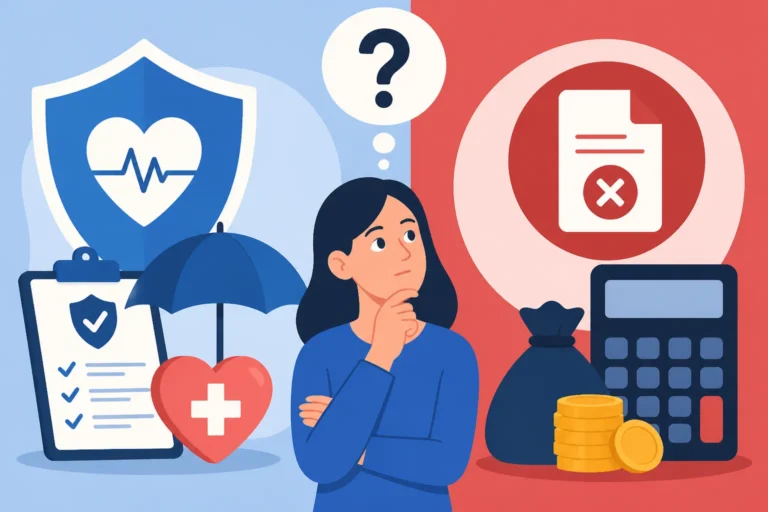
This is precisely why travel insurance is not just recommended, it's absolutely essential for non-EU tourists. Policies from reputable providers are designed to cover these exact scenarios. When you're looking at travel insurance, make sure it specifically includes emergency medical treatment, hospitalization, and repatriation (medical evacuation). Providers like SafetyWing are well-known among digital nomads and long-term travellers for their comprehensive and flexible plans, often catering to extended stays or those without fixed itineraries. Having a policy like SafetyWing's can literally save you tens of thousands of euros if something serious happens. They understand the expat lifestyle and offer coverage that really makes a difference when you're far from home and need urgent care.
Without travel insurance, you'll be footing the bill entirely out of pocket. Hospitals may ask for payment upfront or a significant deposit, especially for larger procedures. Keep all receipts and medical records meticulously, as you might be able to claim them back through your home country's health insurance, though this is rare for routine travel.
The Dreaded Participacija (Co-payments)
Even if you have an EHIC, or if your specific circumstances grant you access to some public services, there's a catch that often surprises people: participacija. This is the mandatory co-payment for certain medical services within the Croatian public health system. It’s a way for the system to cover a portion of its costs. For example, you might pay a fixed amount for a specialist consultation, a percentage for a hospital stay, or a small fee for certain diagnostic tests. Understanding Participacija (Co-Payments) in the Croatian Health System delves into this deeper.
For tourists with an EHIC, you are liable for these co-payments, just like Croatian citizens are. The costs are typically not exorbitant for individual services, but they can accumulate, especially during a prolonged hospital stay. For example, as of my last check, an ambulance ride might have a small fee, an emergency room visit might have a co-payment, and each day in the hospital will have a daily fee, up to a certain maximum.
If you have private travel insurance, these co-payments are usually covered as part of your overall emergency medical benefits. You'll pay the participacija at the point of service and then submit the receipt to your insurer (e.g., SafetyWing) for reimbursement. So, while it's not "free" even with an EHIC, it's definitely significantly cheaper than being a full private patient.
Practical Steps in an Emergency
Facing a medical emergency in a foreign country is stressful enough without having to figure out logistics on the fly. Knowing these steps can help you remain calm and act effectively.
Calling for Help
Your first priority is to get help. Croatia uses the standard European emergency number: 112. This is a multilingual service that can connect you to an ambulance (Hitna Pomoć), police (Policija), or fire department (Vatrogasci). If you know it's purely a medical emergency and want to bypass the general operator, you can call 194 directly for an ambulance.
When you call, try to:
- Speak clearly and slowly: State your location precisely (street name, number, city, any landmarks).
- Describe the emergency: What happened? What are the symptoms? Is the person conscious?
- Give your contact number.
- Stay on the line: Don't hang up until the operator tells you to. They might need more information or give you instructions.
While waiting for the ambulance, try to keep the person as comfortable as possible. If you're with someone, ask them to gather important documents (passport, EHIC/insurance details, any known medical conditions or medications).
What to Bring to the Hospital/Clinic
Once you’re at a medical facility, having the right documents will expedite the process immensely. Always carry:
- Passport or National ID Card: This is crucial for identification.
- European Health Insurance Card (EHIC) / EKZO: If you're an EU/EEA/Swiss citizen.
- Travel Insurance Policy Details: For non-EU citizens, have your policy number, insurer's contact information (especially the emergency assistance line), and a brief summary of your coverage. A digital copy on your phone is good, but a physical printout can be even better in case your phone battery dies or connectivity is an issue. Many providers, including SafetyWing, offer easily accessible digital and printable policy documents.
- Proof of Funds/Credit Card: Even with insurance, you might need to cover co-payments (participacija) or deposits upfront, especially if your insurer isn't able to confirm coverage immediately.
- Any Existing Medical Records: If you have a chronic condition, allergies, or are on specific medications, bring a list or a brief medical summary, ideally translated into English or Croatian. This can be vital for doctors providing care.
- Local Contact Person: If you have a friend, hotel staff, or tour guide who speaks Croatian, having their contact details can be incredibly helpful for communication.
Language Barrier Tips
Croatia is generally tourist-friendly, and in larger cities and coastal areas, many medical professionals will speak at least some English. However, in smaller towns or with older staff, you might encounter a language barrier. Here's how to navigate it:
- Simple English: Speak slowly and use simple sentences. Avoid slang or complex medical jargon.
- Translation Apps: Have Google Translate or a similar app ready on your phone. You can type in symptoms or questions.
- Phrasebook: A small medical phrasebook can be incredibly useful.
- Call a Friend/Family: If you have a Croatian-speaking friend, even calling them on speakerphone can help bridge the gap.
- Emergency Contact: As mentioned, if your hotel receptionist or host can assist with a quick phone call translation, it can make a big difference.
Don't let the language barrier deter you from seeking help. Medical staff are trained to handle such situations, and they will find a way to communicate essential information.
Beyond the Emergency: Follow-up and Payments
The initial emergency is often just the beginning. What happens next, particularly concerning bills and insurance claims, can feel like another hurdle.
Settling Bills
If you’re an EU/EEA/Swiss citizen with an EHIC, you'll generally only be asked to pay the participacija (co-payment) directly at the facility. For ambulance services, this might be a small fee paid directly to the ambulance crew or billed later. For hospital stays, you'll usually settle the participacija upon discharge. Make sure you get an itemized bill showing the services rendered and the co-payment amount.
For non-EU citizens without adequate travel insurance, or if your insurance doesn't cover upfront payments, you will be expected to pay the full cost of all services. This might happen immediately at discharge or, for ongoing treatment, through staggered payments. Hospitals usually accept major credit cards, but having some euros for smaller co-payments or pharmacy costs is always a good idea. Always insist on a detailed, itemized invoice (račun) for everything, even if it's in Croatian. This is vital for any potential insurance claims later. Remember that even something as fundamental as The Cost of Healthcare in Croatia: A Complete Breakdown for Foreigners (2026) can vary wildly.
Claiming from Your Travel Insurance
This is where your preparedness pays off. As soon as practically possible (or have someone do it for you), contact your travel insurance provider's emergency assistance line. This number should be on your policy document. They can guide you through the process, confirm coverage with the hospital, and sometimes even arrange direct billing with the medical facility, saving you from significant upfront costs. This is particularly common with robust policies from companies like SafetyWing, which are designed for international travel and medical emergencies.
When you submit a claim, you'll typically need:
- Your Policy Number.
- Detailed Medical Reports: From the treating doctor or hospital, outlining your diagnosis, treatment received, and prognosis.
- All Original Itemized Receipts and Invoices: For ambulance services, emergency room visits, hospital stays, medications, and any other related expenses.
- Proof of Payment: If you paid upfront.
Keep copies of everything you submit, and be patient. Insurance claims can take time to process. The clearer and more complete your documentation, the smoother the process will be. Always double-check your policy limits and what exactly is covered before you travel, so there are no nasty surprises.
Summary of Emergency Care Coverage for Tourists
To make things a bit clearer, here’s a quick overview of what you can generally expect depending on your status:
| Tourist Category | Access to Public Emergency Care | Expected Costs | Recommended Action |
|---|---|---|---|
| EU/EEA/Swiss Citizens | Yes (with EHIC) | Primarily participacija (co-payments) | Carry EHIC & ID. Consider supplementary travel insurance for participacija and repatriation. |
| Non-EU Citizens (with travel insurance) | No (treated privately) | Upfront payments, then reimbursed by insurer. Participacija usually covered by insurance. | Mandatory robust travel insurance (e.g., SafetyWing). Keep policy details handy. |
| Non-EU Citizens (without travel insurance) | No (treated privately) | Full cost of all medical services, paid upfront. | Strongly advise against traveling without insurance. Expect significant out-of-pocket expenses. |
This table provides a general guideline. Specific cases might vary, so it's always best to be prepared with appropriate documentation and insurance. When it comes to Emergency Medical Care in Croatia: What Every Expat Needs to Know, understanding these distinctions is paramount. Also, knowing How Much Does an Ambulance (Hitna Pomoć) Cost in Croatia? can help manage expectations for smaller fees.
Final Thoughts: Be Prepared, Not Scared
Look, Croatia is a fantastic country, full of natural beauty and incredible experiences. The last thing you want is for a medical emergency to derail your trip or, worse, leave you in significant debt. While the Croatian public healthcare system is competent, it's not a free-for-all for tourists. Understanding your entitlements and, crucially, having robust travel insurance – especially if you're a non-EU citizen – is the smartest step you can take. Companies like SafetyWing offer flexible and reliable options that really cater to the modern traveler.
Don't gamble with your health or your finances. Pack your EHIC, invest in good travel insurance, and have those emergency numbers saved in your phone. That way, you can relax and truly enjoy everything Croatia has to offer, knowing you're prepared for the unexpected. For those interested in deeper coverage options, exploring Understanding Dopunsko Zdravstveno Osiguranje (Supplementary Insurance) in Croatia might be beneficial for longer stays, and knowing about Understanding Private Polyclinics (Poliklinike) in Croatia can offer alternatives for urgent but non-emergency situations.
Disclaimer
Please note that the information provided in this guide is for general informational purposes only and does not constitute medical, legal, or financial advice. Healthcare regulations and costs can change, and individual circumstances vary greatly. Always consult with a qualified medical professional, insurance provider, or legal expert for advice tailored to your specific situation.