How Do I Register with a GP If I Live in a Small Town in Croatia?
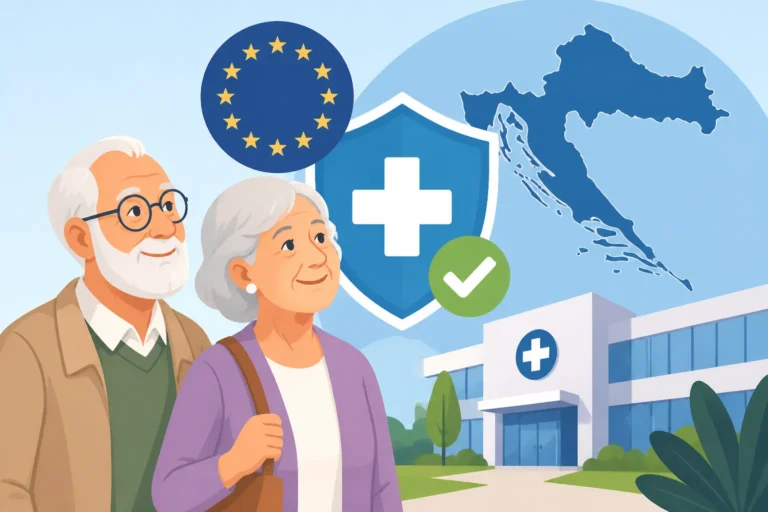
Moving to a quiet stone house in Istria or a sun-drenched village on a Dalmatian island is the dream for many, but the reality of local bureaucracy often hits hard when you actually get sick. Finding and registering with a General Practitioner (GP) in a small Croatian town can feel like solving a puzzle with missing pieces, especially when the nearest "Dom Zdravlja" seems to operate on its own mysterious schedule. This guide walks you through the exact steps to secure a local doctor, navigate the paperwork, and manage the cultural nuances of rural Croatian healthcare.
Understanding the Dom Zdravlja System in Rural Croatia
In the smaller towns and villages of Croatia, healthcare is centralized around a primary institution known as the Dom Zdravlja. Unlike some countries where private practices are scattered across every street corner, the Croatian public system relies on these community health centers to provide everything from family medicine to basic dental care. If you are living outside of major hubs like Zagreb or Split, Understanding the Role of the Dom Zdravlja (Health Centre) in Croatia is your first step toward getting settled.
What to Expect from a Small Town Clinic
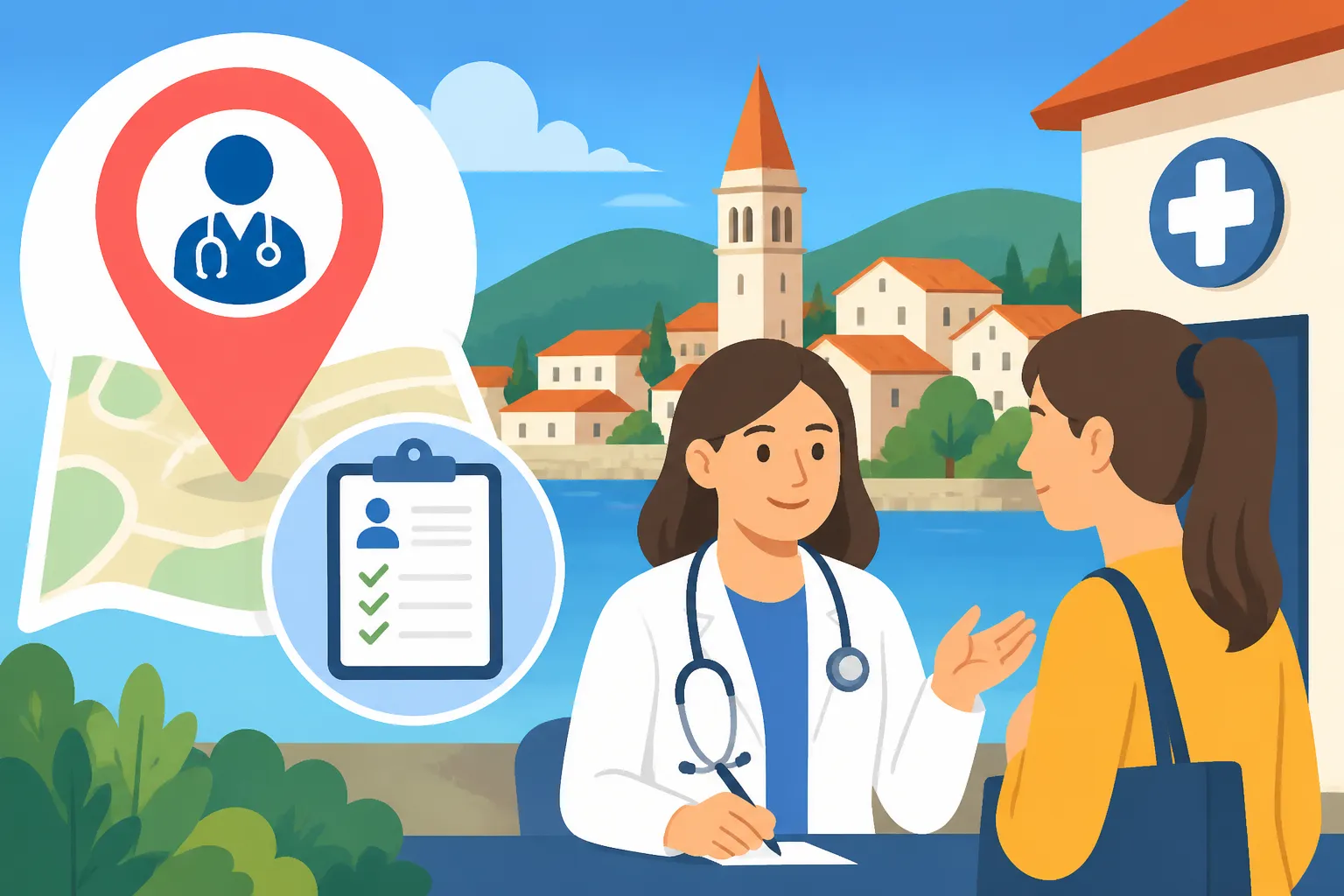
In a town like Labin, Sinj, or even a smaller settlement on the island of Vis, the Dom Zdravlja might only house one or two doctors who share a single office. These doctors are officially called "Liječnik opće prakse" or "Obiteljski liječnik." The facility itself might look a bit dated—expect heavy wooden doors, waiting rooms filled with local gossip, and a system that feels more analog than digital. However, these doctors are the gatekeepers to the entire medical system; without being registered with one, you cannot get a referral for a specialist or a formal prescription.
The intimacy of a small town means your doctor will likely know everyone in your neighborhood. While this creates a lovely sense of community, it also means that "official" hours can sometimes be fluid. I have personally experienced situations where the clinic closed twenty minutes early because the doctor had to make a house call to an elderly neighbor. Patience is not just a virtue here; it is a requirement for survival.
Public vs Private Options in Small Towns
You might wonder if you can simply opt for a private clinic to avoid the "Dom Zdravlja" experience. In small towns, private options are extremely limited or non-existent. You might find a private dentist or a gynecologist, but for a general family doctor, you are almost certainly going to be using the public system funded by HZZO.
For those who are still in the middle of their residency application or are waiting for their mandatory insurance to kick in, having a bridge like SafetyWing can be a lifesaver. It provides that initial layer of protection while you are navigating the local registration process. SafetyWing is particularly popular among digital nomads who might be spending three months in a small town before moving on, as it covers emergencies that the local clinic might not be equipped to handle.
Step by Step Guide to Finding and Registering with a GP
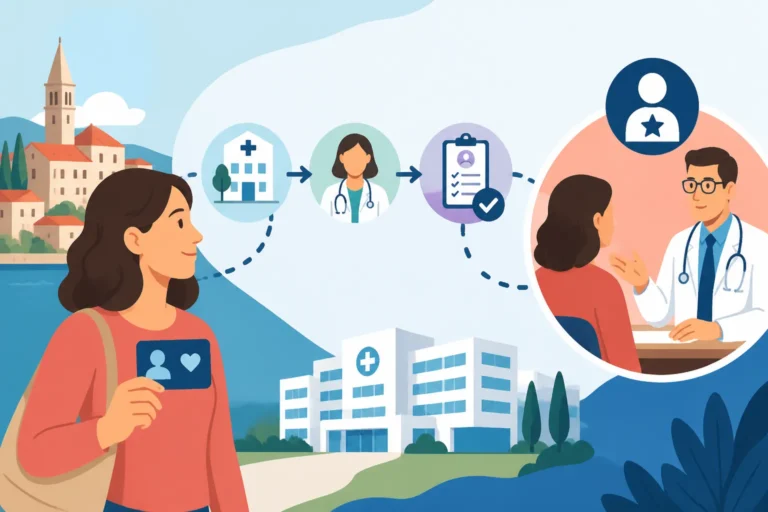
The registration process is not automated. Even if you have your residency permit and your blue HZZO card, you are not "assigned" a doctor. You must go out, find a doctor who has room on their "list," and physically sign a form to join their practice.
Locating the Closest Clinic and Checking Capacity
Your first task is to find which doctors are nearby. You can do this by visiting the nearest Dom Zdravlja and looking at the list of names posted on the doors. Each doctor will have a sign indicating their name and their "turnus" (shift). In Croatia, doctors usually work one week in the morning (jutarnja smjena) and one week in the afternoon (popodnevna smjena).
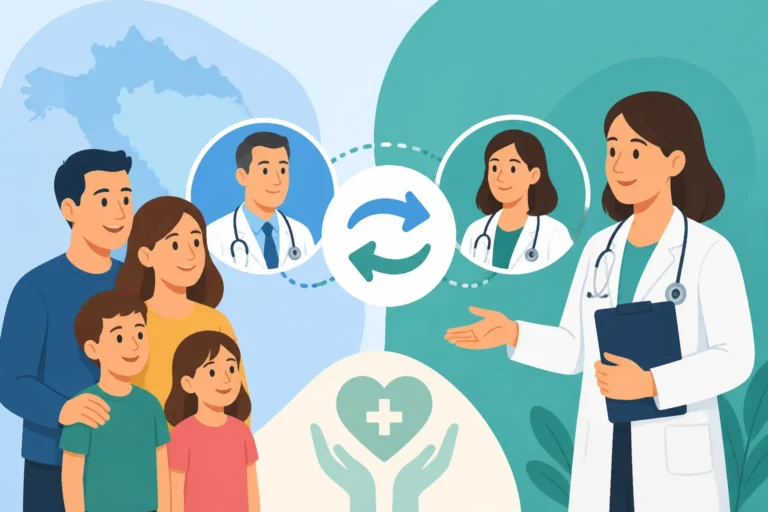
The biggest hurdle in a small town is the "lista." Each GP has a maximum number of patients they are allowed to take. If a town is growing—which is rare for small Croatian villages but does happen in popular expat spots—the doctors might be "full." If the first doctor you ask says they are full, ask them who the "najbliži slobodan liječnik" (the nearest free doctor) is. They are usually helpful in pointing you toward a colleague who has space.
The Documentation You Need
Once you find a doctor who can take you, you need to bring your documents. Do not expect the nurse to look you up in a system based on your name alone. You will need:
- Your OIB (Personal Identification Number).
- Your HZZO health insurance card (the little blue one).
- Your residence permit (ID card/boravišna iskaznica).
- A "Tiskanica" form, which is the official registration paper (often provided by the doctor’s nurse, but it is good to ask).
How to Get Your OIB and Why It Matters for Healthcare Access is a crucial read if you haven't secured your number yet, as nothing moves in the medical system without it. Once you sign the forms, the nurse will send them to HZZO for processing. It usually takes a few days to a week for the change to be official in the national database.
The Magic of the OIB and HZZO Card
In Croatia, your OIB is the key to everything. When you visit the doctor, you usually just hand over your health insurance card. The nurse swipes it, and your entire medical history (within the Croatian system) pops up. This is how they see if you have What Is Covered by Basic HZZO Insurance in Croatia and whether you have opted for supplementary insurance.
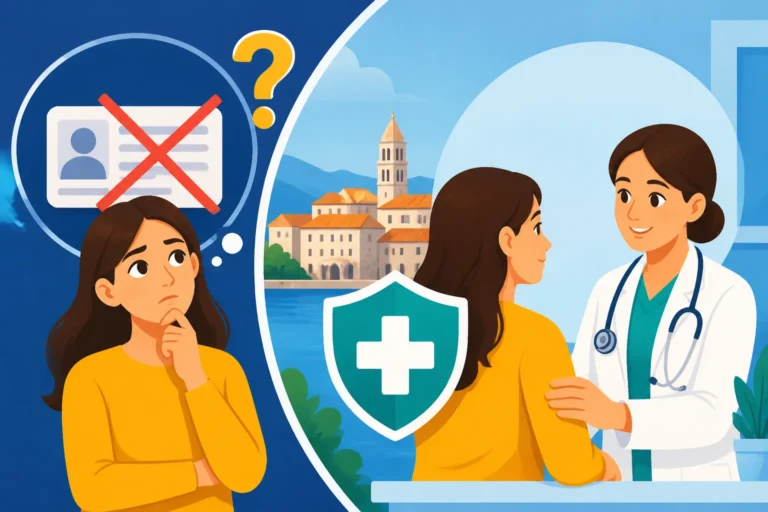
If you are a new resident, there is often a gap between arriving and getting your physical card. During this time, the "potvrda" (the paper certificate from the HZZO office) acts as your temporary card. Always keep a photo of this on your phone. If you are worried about the gap in coverage, this is another moment where a plan like SafetyWing can offer peace of mind, especially if you need to visit a private specialist in a larger city while the small-town paperwork is being processed.
Navigating the Language Barrier in Local Clinics
This is the part they don't tell you in the brochures: in a town of 1,000 people, the chances of the GP being a fluent English speaker are about 50/50. While younger doctors are generally excellent with English, many veteran doctors in rural areas may only speak Croatian, or perhaps Italian if you are in Istria or German if you are in the north.
What to Do if the Doctor Does Not Speak English
If you are struggling with the language, do not panic. Most medical terms have Latin roots that are recognizable. However, explaining a nuanced symptom like "a dull ache that radiates when I breathe" is difficult in broken Croatian.
I highly recommend writing down your symptoms in Croatian using a translation app before you go. Better yet, The Expat Guide to Finding a Family Doctor (Obiteljski Liječnik) in Croatia suggests looking for clinics where the nurse might speak English, as they often act as the translator for the doctor. If the communication feels impossible, you might need to bring a local friend or hire a translator for the first visit. Croatians are generally very empathetic to "stranci" (foreigners) trying their best to speak the language, so even a few words of effort will go a long way.
Enlisting Help from the Community
Small towns in Croatia run on "veze" (connections) and "poznanstva" (acquaintances). If you are struggling to get an appointment or don't understand the instructions, talk to your neighbors or the local "konobar" (waiter) at your regular cafe. They will know exactly which nurse is the most helpful or which doctor is the most patient with foreigners.
In some cases, if the local GP is truly unable to communicate with you, you may have to look at a town slightly further away. Even if you live in a tiny village, you are allowed to register with a doctor in a neighboring town if they have space. For example, if you live in a village outside of Pazin, you might find an English-speaking doctor in Pazin itself rather than in your immediate hamlet.
Practical Tips for Small Town Medical Care
Life in a small Croatian town has its own rhythm, and the healthcare system is no different. You cannot simply walk in at 2:00 PM and expect to be seen without understanding the "turnus" and the "narudžba" (ordering/scheduling) system.
Working Hours and the Turnus System
The shift system is the most confusing part for newcomers. Typically, the schedule looks like this:
- Odd dates (neparni datumi): Morning shift (e.g., 07:00 – 13:30).
- Even dates (parni datumi): Afternoon shift (e.g., 13:00 – 19:30).
However, this can vary by county. Always check the sign on the door. There is also a "pauza" (break) usually in the middle of the shift, which lasts 30 minutes. Do not show up during the pauza; the door will be locked, and no amount of knocking will open it. Also, be aware of the "kućne posjete" (home visits), which usually happen at the end of the shift.
Managing Prescriptions and the E-Recept
Croatia has a very modern electronic prescription system. Once your GP enters a medication into the system, it is linked to your OIB. You don't need a paper slip. You simply go to any "Ljekarna" (pharmacy) in the country, hand over your health card, and they see the prescription.
Knowing How Do I Get an e-Recept Filled at a Pharmacy in Croatia is vital because, in a small town, the pharmacy might have limited stock. If they don't have your medicine, they can usually order it for the next day. For chronic conditions, make sure to Understanding the e-Recept (E-Prescription) System in Croatia so you don't run out of meds on a weekend when the local clinic is closed and the nearest 24-hour pharmacy is an hour's drive away.
Comparative Overview: Small Town vs Big City Healthcare
To help you decide whether to register locally or commute to a larger city, here is a comparison of what to expect.
| Feature | Small Town (Dom Zdravlja) | Big City (Zagreb/Split/Rijeka) |
|---|---|---|
| Wait Times | Can be long; often "first come, first served." | Usually based on scheduled appointments. |
| English Language | Variable; higher chance of only Croatian. | High; many doctors speak fluent English. |
| Personal Connection | High; doctor knows your history and family. | Low; can feel like a number in a large system. |
| Specialist Access | Requires travel to the nearest large hospital. | Specialists are often in the same building. |
| Pharmacy Access | Limited hours; may close for lunch. | Multiple 24-hour pharmacies available. |
| Parking | Usually easy and free. | Difficult and often expensive. |
As the table shows, the tradeoff for the peace of a small town is a bit more legwork when you need specialized care. If you have a chronic condition that requires frequent specialist visits, you might find How the Croatian Health Insurance Fund (HZZO) Works: A Full Overview particularly helpful in understanding how travel costs for medical reasons can sometimes be reimbursed.
Bridging the Gap with Supplemental Coverage
Even in a small town, you will encounter the "participacija." This is a small co-payment for every doctor visit or prescription. If you don't want to pay these out-of-pocket every time, you should look into Understanding Participacija (Co-Payments) in the Croatian Health System. Most locals have "Dopunsko" insurance to cover these costs.
For many expats, the public system's wait times for things like MRIs or specialist consultations can be frustrating. While your small-town GP is great for the flu or a basic check-up, you might want to use private clinics in the city for bigger issues. This is where SafetyWing shines for the international community. It allows you to maintain your "expat lifestyle" and access high-quality private care without being entirely dependent on the often-overburdened rural public system.
Lastly, always remember to check Understanding the Croatian Pharmacy (Ljekarna) System and Opening Hours before you head out. In many small towns, the pharmacy might close at noon on Saturdays and stay closed all Sunday. Being sick in a small town requires a bit of foresight, a lot of patience, and a friendly relationship with your local GP. Once you are in the system and the doctor knows your face, the level of care and personal attention you receive can actually be far superior to the anonymous clinics of a big city.
Disclaimer
The information provided in this guide is for informational purposes only and does not constitute professional medical or legal advice. Healthcare regulations and insurance requirements in Croatia are subject to change. Always verify the latest procedures with the Croatian Health Insurance Fund (HZZO) or the Ministry of the Interior (MUP) before making administrative decisions. The mention of third-party services such as SafetyWing is based on typical expat experiences and should be evaluated based on your individual needs.