Is Dopunsko Osiguranje Worth It for Expats in Croatia?
Navigating the Croatian healthcare system can feel like trying to solve a particularly convoluted riddle, especially when you encounter terms like dopunsko zdravstveno osiguranje. For many expats, the big question isn't just "What is it?" but "Is it actually worth the extra cost?" This guide is here to unravel the complexities, share some real-world insights, and help you decide if supplementary health insurance makes sense for your life in Croatia.
Understanding Dopunsko Zdravstveno Osiguranje: The Croatian Healthcare Safety Net
When you first land in Croatia as an expat, you're quickly introduced to the Croatian Health Insurance Fund, or HZZO. This is the mandatory public health insurance system, and for most employed or resident foreigners, it's your primary gateway to healthcare. But here's where dopunsko zdravstveno osiguranje (supplementary health insurance) comes into play, adding another layer to the system that can initially seem confusing.
What is Dopunsko and How Does it Fit In?
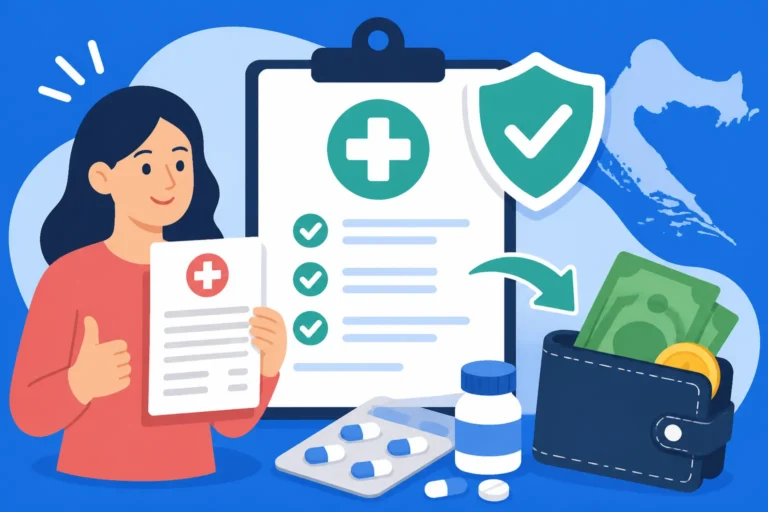
Think of dopunsko osiguranje not as a separate health insurance, but as a crucial complement to your mandatory HZZO coverage. While HZZO covers a significant portion of your medical costs – things like doctor visits, prescriptions, and hospital stays – it doesn't cover everything. There are co-payments, known as participacija, that you're expected to pay out-of-pocket for various services. This is where dopunsko steps in. Its primary purpose is to cover these co-payments, effectively making many HZZO-covered services "free" at the point of use for you.
Without dopunsko, you'd be paying participacija fees for almost every interaction with the public health system. This could range from a small fee for a routine check-up at your family doctor to more substantial amounts for specialist consultations, diagnostic tests like X-rays or ultrasounds, or even a percentage of your hospital stay. These individual costs can quickly add up, turning what seems like an affordable public system into a series of unexpected expenses.
Who Needs Dopunsko?
In essence, anyone who is part of the mandatory HZZO system and wants to avoid paying participacija fees will benefit from dopunsko. This includes:
- Employees: If you're working for a Croatian company and are registered with HZZO, dopunsko will cover your co-payments.
- Self-employed individuals (Obrt owners): Those operating as a paušalni obrt or other self-employment structures are generally enrolled in HZZO and would face participacija without supplementary insurance. Understanding Health Coverage for Self-Employed (Obrt) Workers in Croatia is an important read here.
- Pensioners: Many Croatian pensioners rely on dopunsko to keep their medical costs predictable.
- Family members covered under HZZO: If you've registered your family members for health insurance in Croatia through your HZZO, dopunsko can also extend to cover their co-payments, depending on the policy.
- Anyone regularly using the public health system: If you have chronic conditions, require frequent doctor visits, or anticipate needing specialist care or prescriptions, dopunsko is almost a no-brainer.
It's important to note that certain vulnerable groups, such as low-income individuals, blood donors, and war veterans, may be entitled to dopunsko osiguranje completely free of charge, or at a reduced rate, through the state or certain schemes. However, for most expats, it's an optional purchase. You can read more about Understanding Dopunsko Zdravstveno Osiguranje (Supplementary Insurance) in Croatia.
Why Expats Might Consider Dopunsko: Bridging the Gaps in HZZO
The public healthcare system in Croatia, while generally good, can present a few financial surprises if you're not fully prepared. For expats, especially those used to systems where all medical costs are either fully covered by public insurance or handled by comprehensive private plans, the concept of co-payments can be a bit jarring. This is precisely where dopunsko osiguranje shines, offering a welcome layer of predictability and peace of mind.
Eliminating Unexpected Co-payments (Participacija)
Let's face it, nobody likes surprise bills, especially when they involve your health. The Croatian system uses participacija fees to help offset the costs of various medical services. These aren't huge amounts individually, often ranging from a few euros for a doctor's visit to 10-20% of the service cost for more complex procedures, capped at certain limits. However, if you have a busy year with a few specialist appointments, some diagnostic tests, or need regular prescriptions, these small amounts can quickly accumulate into a noticeable sum.
For instance, imagine you need to see a dermatologist, then get a blood test, followed by an ultrasound, and pick up a new prescription. Each of these steps would typically incur a participacija fee. With dopunsko, these fees are waived. The peace of mind of knowing you won't be asked to pay an extra 5, 10, or 20 euros at each point of care can be incredibly reassuring. This is particularly true if you or your family members have ongoing health needs. Understanding Participacija (Co-Payments) in the Croatian Health System is key here.
Cost Savings in the Long Run
While dopunsko comes with a monthly premium, for many, it proves to be a cost-effective choice in the long run. Let's consider a hypothetical expat, Ana, who is generally healthy but has a few minor issues throughout the year.
Without Dopunsko:
- 2 visits to the family doctor: €2 x 2 = €4
- 1 specialist consultation: €10
- 1 blood test: €5
- 1 ultrasound: €15
- Prescriptions (if not fully covered by HZZO): e.g., €5 for certain categories
- Total estimated out-of-pocket: €39
Now, if Ana pays, for example, €10 a month for dopunsko, her annual cost would be €120. In this scenario, she's still paying more with dopunsko.
However, what if Ana has a more complex year?
- 5 visits to the family doctor: €2 x 5 = €10
- 3 specialist consultations: €10 x 3 = €30
- 2 blood tests: €5 x 2 = €10
- 1 MRI scan (could be capped at ~€60-€70 if participacija is 20% of a €300 service)
- Regular prescriptions: €15
- Total estimated out-of-pocket: €125+
In the second scenario, with the potential for higher participacija for a significant procedure, dopunsko at €120 a year would actually save Ana money, not to mention removing the stress of calculating costs at each appointment. For families, these savings can be even more substantial.
Simplified Administrative Burden
One subtle but significant benefit for expats is the administrative ease. When you have dopunsko osiguranje, you simply present your HZZO card and your dopunsko card at clinics, pharmacies, and hospitals. The system automatically registers that your co-payments are covered, and you don't have to worry about cash payments, separate invoices, or tracking multiple small receipts for potential reimbursement. This streamlining can be a huge relief, especially if you're still grappling with the Croatian language or the nuances of the local bureaucracy.
Common Providers and How to Apply
Several major Croatian insurance companies offer dopunsko osiguranje. The most prominent ones you'll encounter are:
- HZZO's own dopunsko: Often the most straightforward and widely accepted option.
- Croatia Osiguranje: A very popular and well-established provider.
- Allianz: A global player with a presence in Croatia.
- Generali: Another international insurance group offering local plans.
You can typically apply for dopunsko directly online, in person at their offices, or through an insurance agent. The process usually requires your OIB (personal identification number), proof of HZZO coverage, and basic personal details. Policies are generally straightforward, with monthly premiums deducted via direct debit. Is Croatia Osiguranje or Generali Better for Expat Health Cover? might provide further insight into these brands for other insurance needs.
The Downsides and Alternatives: Is it Always the Best Fit?
While dopunsko zdravstveno osiguranje offers clear advantages for many expats, it's not a one-size-fits-all solution. There are scenarios where it might not be the most economical or comprehensive choice, and it's crucial to understand these nuances before committing.
Monthly Premiums and What They Don't Cover
The most obvious drawback is the recurring monthly premium. While often affordable (ranging from around €10 to €20 per month for basic coverage, though prices can change), it's still an expense. If you're an expat who is exceptionally healthy, rarely visits the doctor, and doesn't require any specialist care or prescription medications throughout the year, your annual dopunsko payments might exceed the participacija fees you would have paid out-of-pocket. In such cases, you might end up paying more for the insurance than the costs it saves you.
Furthermore, dopunsko only covers co-payments for services already covered by HZZO. It does not expand the scope of your HZZO benefits. This means:
- No access to private clinics (unless HZZO covers it): If you want to bypass waiting lists in the public system and see a specialist privately, dopunsko won't cover that. You'd pay the full private fee. Understanding Private Polyclinics (Poliklinike) in Croatia sheds more light on this.
- No coverage for services HZZO doesn't fund: Certain cosmetic procedures, alternative therapies, or some advanced dental work might not be covered by HZZO, and dopunsko won't change that. Understanding Dental Care Coverage Under HZZO in Croatia highlights this.
- Limited international coverage: Dopunsko is specifically for the Croatian public health system. If you travel outside of Croatia, even within the EU, it won't provide direct coverage. For travel within the EU, your HZZO coverage (via an EHIC card) offers emergency care, but for other travel, you'd need separate travel insurance. How to Handle a Medical Emergency Abroad with Croatian Insurance could be relevant here.
The Waiting Game in the Public System
One of the most frequently cited frustrations with the public healthcare system in Croatia, even with dopunsko, is the waiting times. For certain specialist appointments, diagnostic procedures, or non-emergency surgeries, you might face wait times of several weeks or even months. While dopunsko covers the cost when you finally get an appointment, it does nothing to speed up the process. This can be particularly frustrating if you're used to quicker access to specialists. How Long Are Specialist Waiting Lists in the Croatian Public System? is a common concern.
Alternative Options to Consider
Given these limitations, some expats opt for different strategies or combine dopunsko with other forms of insurance.
1. "Self-Insuring" and Paying Out-of-Pocket
If you're young, generally healthy, and have robust savings, you might decide to forgo dopunsko and simply pay the participacija fees as they arise. You'd also pay for any private care you might need. This strategy relies on estimating your annual healthcare costs to be less than the dopunsko premiums. However, it carries the risk of substantial unexpected costs if a major health issue or prolonged treatment arises, even with HZZO capping individual participacija fees at certain amounts.
2. Private Health Insurance
For those who want comprehensive coverage, faster access to specialists, and the ability to choose private clinics, private health insurance is the alternative. These plans often cover a wider range of services, including dental, vision, and mental health, and may allow you to bypass public system waiting lists entirely by providing direct access to private polyclinics. However, private insurance is significantly more expensive than dopunsko, with premiums that can range from €50 to several hundred euros per month, depending on coverage and age. Public vs Private Healthcare in Croatia: Which Should Expats Choose? delves deeper into this comparison. You could also explore Understanding Private Health Insurance Plans in Croatia.
3. Travel and International Health Insurance (e.g., SafetyWing)
For digital nomads or those on certain short-term residence permits, comprehensive travel health insurance or international expat health insurance might be your primary requirement for your visa. Services like SafetyWing's Nomad Insurance are popular among digital nomads because they are designed for people living abroad, often offering a mix of travel and medical coverage. While this type of insurance typically covers emergencies and acute illnesses, it usually doesn't integrate directly with the Croatian public system to cover HZZO participacija. Instead, it functions as primary coverage, meaning you'd likely claim expenses (after a deductible) directly from SafetyWing, whether you use a public or private facility. This would mean you still face participacija within the public system if that's what you chose, or you'd use your SafetyWing coverage for private care. SafetyWing is excellent for its flexibility and global coverage, but it's not a substitute for dopunsko if your goal is solely to eliminate HZZO co-payments within Croatia's public system. Do Digital Nomads Need Health Insurance to Enter Croatia? is a good resource for this group.
Comparison Table: Dopunsko vs. Private Health Insurance
| Feature | Dopunsko Zdravstveno Osiguranje (Supplementary) | Private Health Insurance (Comprehensive) |
|---|---|---|
| Primary Purpose | Covers HZZO co-payments (participacija) | Covers a wider range of medical services, often including private care. |
| Cost | Generally affordable (€10-€20/month) | Significantly higher (€50-€500+/month) |
| Access to Care | Public HZZO system | Public (via HZZO) and private clinics/hospitals |
| Waiting Times | Subject to public system waiting lists | Often provides faster access to private specialists |
| Scope of Coverage | Limited to HZZO-covered services | Broader, often includes dental, vision, mental health, specific treatments |
| International Coverage | No direct international coverage | Often includes international coverage for emergencies/planned treatment |
| Required for Visa? | No, HZZO is usually sufficient for residency | Might be required for certain visas (e.g., Digital Nomad) or for higher-tier care |
Making the Decision: Is Dopunsko Worth It For You?
Ultimately, the decision of whether dopunsko zdravstveno osiguranje is "worth it" comes down to your individual circumstances, health needs, financial situation, and how you prefer to access healthcare. There's no single right answer, but by considering a few key factors, you can make an informed choice.
Factors to Consider
-
Your Health Status and Usage Patterns:
- Are you generally healthy and rarely see a doctor? If you only have one or two doctor visits a year and no chronic conditions, the annual dopunsko premium might outweigh the participacija fees you'd incur. You might be better off "self-insuring" for those minimal costs.
- Do you have chronic conditions, require regular medication, or anticipate frequent doctor/specialist visits? If so, dopunsko is almost certainly a wise investment. The accumulated participacija fees can quickly surpass the annual premium, making the supplementary insurance a significant money-saver and stress-reducer. For instance, registering a chronic condition with your Croatian GP would mean more frequent visits and potentially more specialist referrals.
- Are you planning on starting a family? Maternity and prenatal care in Croatia involves numerous check-ups, tests, and potentially hospital stays. Is Childbirth Free Under HZZO in Croatia? is a question many expats ask, and while the answer is mostly yes, dopunsko definitely covers those co-payments.
-
Your Budget and Risk Tolerance:
- Can you comfortably afford the monthly premium? If the relatively small monthly cost isn't a burden, then the peace of mind offered by dopunsko might be worth it, even if you don't fully "break even" on the costs every year.
- How comfortable are you with unexpected expenses? If you prefer predictable costs and dislike the idea of an unplanned medical bill, dopunsko removes that uncertainty. If you have a substantial emergency fund and are comfortable covering potential participacija fees, then perhaps it's less critical.
-
Your Preferred Mode of Healthcare Access:
- Are you content with the public healthcare system? If you're happy with your family doctor (liječnik obiteljske medicine) and don't mind the potential waiting times for specialists or diagnostic tests, then dopunsko integrates perfectly with this system. The Expat Guide to Finding a Family Doctor (Obiteljski Liječnik) in Croatia can help you find one.
- Do you value speed and direct access to private specialists? If you frequently seek private care to avoid queues or prefer specific doctors/clinics, remember that dopunsko won't cover these private costs. In this case, either paying privately out-of-pocket or investing in a separate, comprehensive private health insurance plan might be a better fit for your needs.
-
Your Residence Status and Duration in Croatia:
- Are you a long-term resident? For those planning to live in Croatia for several years, becoming fully integrated into the HZZO system and complementing it with dopunsko makes the most sense. It's the standard local approach.
- Are you a digital nomad or on a temporary permit with primary international insurance (like SafetyWing)? As mentioned, while SafetyWing is excellent for overall health and travel, it's not designed to cover HZZO participacija. You'd need to decide if the participacija fees you might face in the public system warrant an additional dopunsko policy, or if you'd just use your international plan for any significant issues, likely seeking private care and claiming reimbursement. Can I Use Public Healthcare in Croatia on a Digital Nomad Visa? explores this topic further. For a digital nomad, the main concern is often having valid health insurance to meet visa requirements, and a policy from SafetyWing typically fulfils this without needing dopunsko on top, unless you specifically want to use the public system for routine care without co-pays.
Real-World Scenarios to Illustrate the Value
Let's consider two expat profiles:
Profile A: The Young, Healthy, and Adventurous Expats, Mark and Sarah (ages 28 & 30)
Mark and Sarah are digital nomads, mostly healthy, and spend a lot of time outdoors. They have SafetyWing as their primary insurance for their digital nomad visa. They rarely visit doctors, maybe once a year for a general check-up.
- Decision: They might decide dopunsko isn't worth it. Their few participacija fees would likely be less than the annual premium. For any major issues, their SafetyWing plan would kick in, possibly with private care options. They would need to check if their digital nomad visa requires HZZO in addition to private insurance. If so, and they only want the bare minimum, dopunsko might still be a useful add-on to keep costs predictable within the mandatory HZZO framework. However, most digital nomads are exempt from mandatory HZZO if they have sufficient private health insurance.
Profile B: The Established Expat Family, The Millers (parents 40s, two children 8 & 12)
The Millers have lived in Zagreb for five years, are employed, and are fully integrated into the HZZO system. Their children have regular check-ups, occasional ear infections, and the parents have a few routine specialist visits each year.
- Decision: Dopunsko is almost certainly worth it for them. Between pediatric visits, prescription medications, school physicals for the children, and a few specialist appointments for the adults, their participacija fees would quickly add up. The peace of mind and cost predictability of a family dopunsko plan would make it invaluable. How to Register Family Members for Health Insurance in Croatia is a useful reference for families.
Final Thoughts for Your Decision
Dopunsko zdravstveno osiguranje is a distinctly Croatian solution to managing healthcare costs within the public system. It's not mandatory, but for most expats who are part of HZZO, especially those with ongoing health needs or families, it provides excellent value by capping your out-of-pocket expenses for common medical services.
Before you dismiss it, consider your likely interactions with the healthcare system over a year. Talk to other expats, perhaps even speak to an insurance agent (many have English-speaking staff) about the specific costs and benefits. For many of us, it’s a small investment that saves a lot of hassle and unexpected bills, allowing you to enjoy your Croatian life with one less thing to worry about.
Disclaimer
The information provided in this guide is for general informational purposes only and does not constitute professional medical, legal, or financial advice. While we strive to provide accurate and up-to-date information, healthcare regulations and insurance policies in Croatia can change. Always consult with a qualified professional, such as an insurance agent, an HZZO representative, or a legal advisor, for advice tailored to your specific situation.