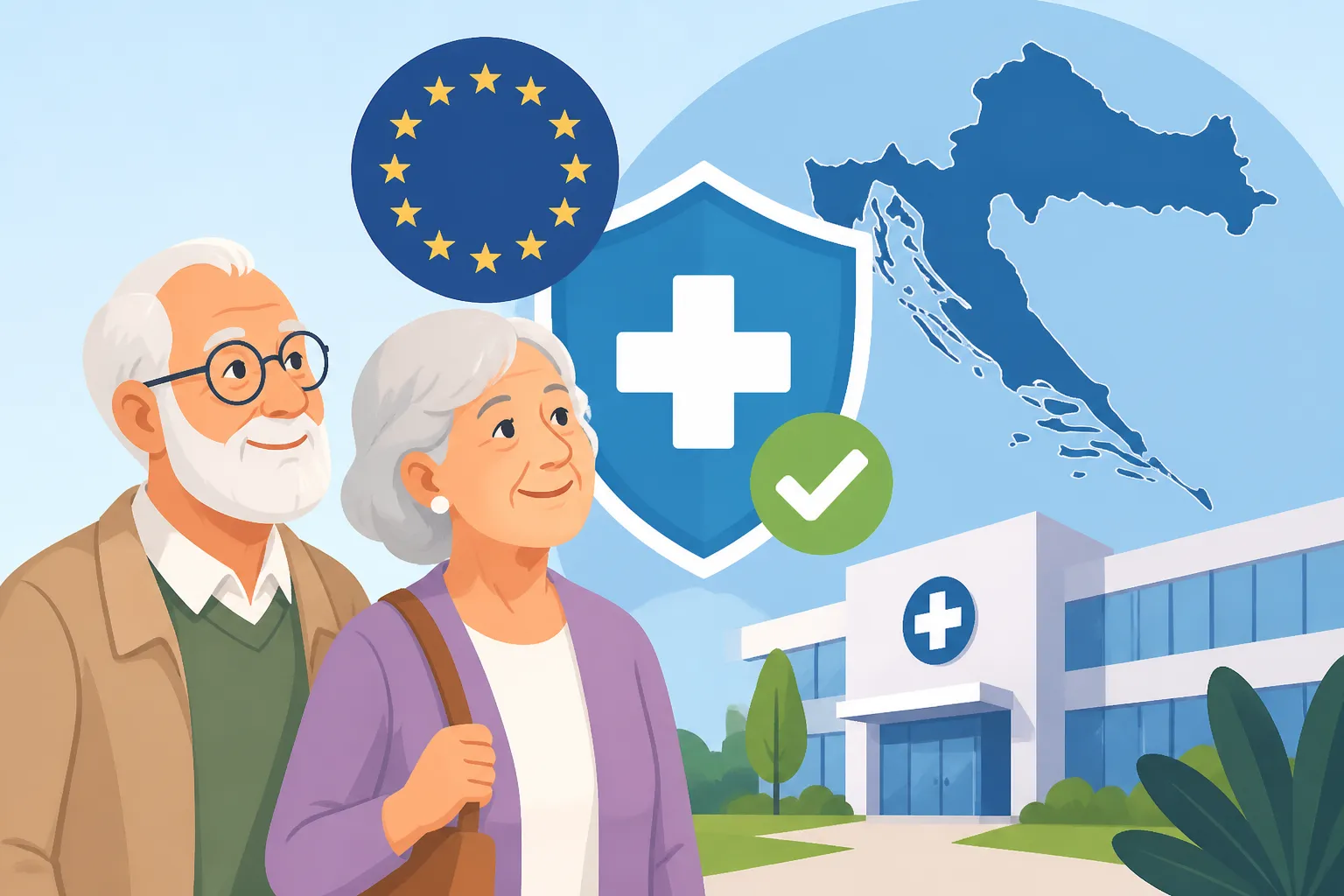
Can Pensioners from the EU Use Croatian Public Healthcare?
Many EU retirees dream of spending their golden years on the Adriatic coast, but the transition is often clouded by the stress of navigating a foreign medical system. You might worry that your hard-earned pension and the healthcare rights you've built up over decades won't follow you across borders. This guide clarifies exactly how EU pensioners can access the Croatian public healthcare system, ensuring your health is protected from day one.
The S1 Form: Your Gateway to Croatian Healthcare
If you are an EU citizen receiving a state pension from your home country, you have a specific legal right to healthcare in Croatia under EU social security coordination rules. However, simply showing up with your passport or a European Health Insurance Card (EHIC) is not enough for long-term residency. The EHIC is designed for temporary stays—vacations or short trips. For a permanent move, you need the S1 form.
The S1 form is a certificate of entitlement to healthcare if you do not live in the country where you are insured. In the eyes of the Croatian authorities, this document proves that your home country will remain financially responsible for your medical costs, even though you are using the Croatian system. Obtaining this form should be the very first thing on your retirement checklist. You must request it from the health insurance provider or pension authority in the country that pays your pension before you relocate.
Once you arrive, this form becomes the foundation of your legal status. Without it, the Croatian Health Insurance Fund, known locally as HZZO, will have no record of your entitlement, and you could find yourself facing significant out-of-pocket expenses. To understand the broader context of the system you are entering, it is helpful to read The Complete Guide to Healthcare in Croatia for Expats (2027) to see how the various branches of care connect.
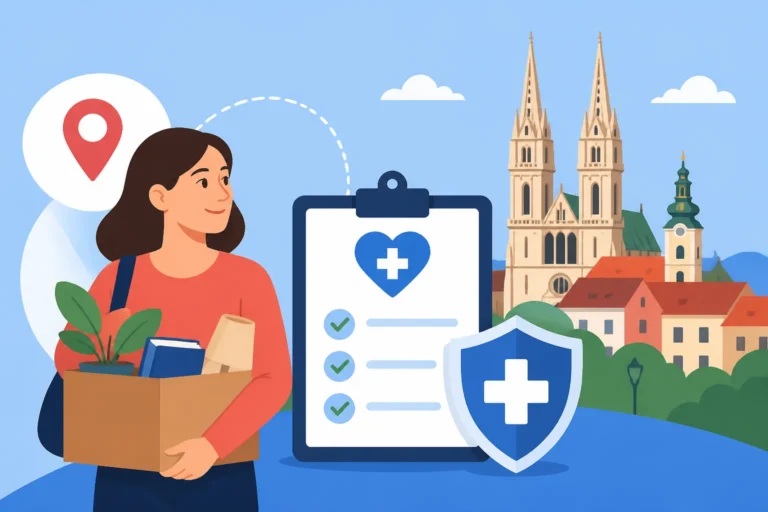
The S1 form essentially "transfers" your rights. Once registered, you are treated exactly like a local Croatian pensioner. This means you have access to the same doctors, the same hospitals, and the same subsidized prescription rates. However, the administrative process of moving from "holding the form" to "holding a health card" requires patience and a clear understanding of local bureaucracy.
The Administrative Journey: Registering with HZZO
The administrative path in Croatia is rarely a straight line. As a veteran expat, I can tell you that the "birokracija" here requires a specific mindset—one part preparation and two parts patience. Your first stop after arriving and settling into your new home isn't actually the health office; it is the tax office or the local police station to secure your OIB.
The OIB (Osobni Identifikacijski Broj) is your personal identification number, and it is the key that unlocks every door in Croatia, from banking to healthcare. You cannot register for health insurance without it. If you are wondering about the specifics of this step, you should check out What Documents Do I Need to Get an OIB in Croatia? for a detailed walkthrough of the documents required. After you have your OIB and have registered your temporary or permanent residence with the Ministry of the Interior (MUP), you can head to the nearest HZZO office.
At the HZZO office, you will present your S1 form, your passport, your OIB, and your proof of residence. The clerks will process your application, and you will eventually be issued a Croatian health insurance card. However, there is often a gap between submission and the arrival of your physical card. During this period, you are still covered, but it can be nerve-wracking if an emergency arises. This is why many retirees choose to use a provider like SafetyWing as a temporary bridge. SafetyWing can provide the necessary travel and medical coverage that keeps you protected while the local Croatian paperwork is being churned through the system.
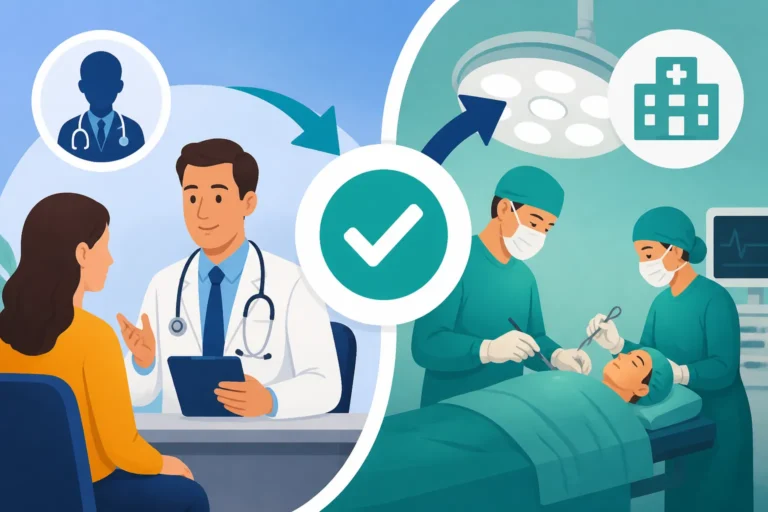
Once registered, you must understand The Expat Guide to Finding a Family Doctor (Obiteljski Liječnik) in Croatia. This is the process of being assigned a primary care physician. In Croatia, your GP is the gatekeeper to the entire system. You do not simply walk into a hospital for a specialist consultation; you must first visit your "Obiteljski Liječnik" (Family Doctor) to get a referral.
Understanding Costs and Supplementary Insurance
One of the biggest surprises for EU pensioners moving to Croatia is the concept of "participacija" or co-payments. While the public system is generally "free" at the point of use for many services, there is actually a standard fee for almost everything—from a GP visit to a hospital stay or a diagnostic scan. These costs are small individually but can add up quickly for those with chronic conditions.
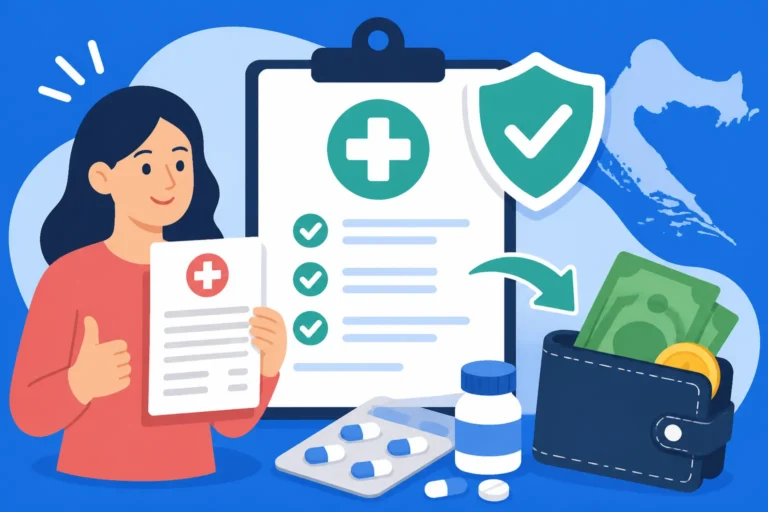
This is where the distinction between mandatory and supplementary insurance becomes vital. To avoid these co-payments, almost every Croatian citizen and savvy expat signs up for "Dopunsko Zdravstveno Osiguranje." This is a supplementary insurance policy that covers the cost of all participacija fees within the public system. For a small monthly premium, usually around 10 to 12 Euros, you essentially eliminate the cost of visiting the doctor or staying in a hospital.
| Insurance Type | Purpose | Monthly Cost (Approx.) | Who Needs It? |
|---|---|---|---|
| Basic HZZO (Mandatory) | Core healthcare access via S1 form | Paid by home country | Every resident pensioner |
| Dopunsko (Supplementary) | Covers co-payments (participacija) | €10 – €15 | Highly recommended for all |
| Private (Polyclinics) | Faster access to specialists/English | €50 – €150+ | Those wanting faster service |
| SafetyWing | Transition/Nomad/Travel coverage | Varies by age | New arrivals in the gap period |
For an EU pensioner, the S1 form covers the mandatory portion, but you will still be responsible for the co-payments unless you actively sign up for Dopunsko. It is a mistake to assume that the S1 covers 100% of every bill. Many expats find value in Is Dopunsko Osiguranje Worth It for Expats in Croatia? because it explains why paying that extra 10 Euros a month is the best financial decision you can make in Croatia.
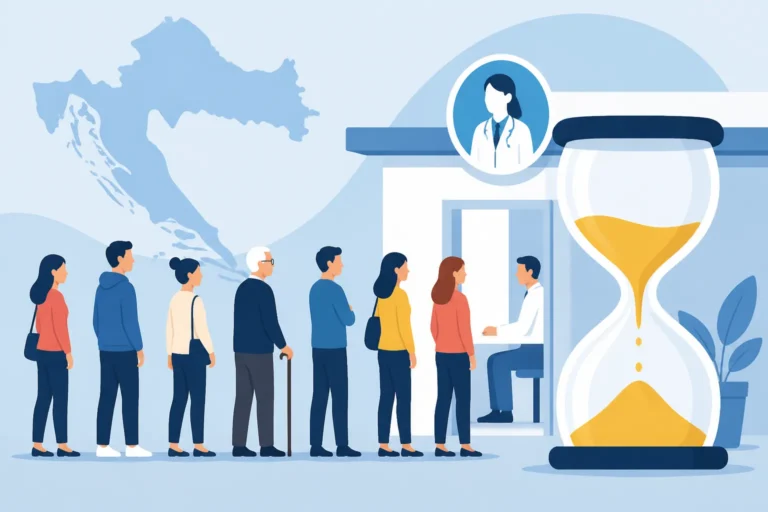
If you are still in the planning stages and haven't fully committed to the public system, you might be comparing Public vs Private Healthcare in Croatia: Which Should Expats Choose?. While the public system is robust, the waiting lists for certain specialists or elective surgeries can be long. This leads many retirees to maintain a hybrid approach: they use HZZO for their regular prescriptions and chronic care, while paying for private consultations at "Poliklinike" for faster diagnostic results.
Navigating the Local Health Centers and GPs
In Croatia, the hub of local medical life is the "Dom Zdravlja." These are community health centers that house GPs, dentists, gynecologists, and sometimes pediatricians. As an EU pensioner, your primary relationship will be with the Dom Zdravlja in your neighborhood. It is where you will go for your flu shots, blood pressure checks, and prescription renewals.
Finding a doctor who speaks English can be a challenge in smaller coastal villages, though it is quite easy in cities like Zagreb, Split, or Rijeka. When you are looking for a practitioner, it is worth the effort to How to Find an English-Speaking Doctor in Croatia specifically. Many younger doctors speak excellent English, but the administrative staff (the nurses who handle the phones and appointments) may only speak Croatian. This is a hurdle that requires patience and perhaps a friendly neighbor to help with the initial phone calls.
Once you are settled with a GP, you will likely encounter the Understanding the e-Recept (E-Prescription) System in Croatia. Croatia has done an impressive job of digitizing its healthcare records. Your GP can send a prescription directly to the pharmacy system. You simply walk into any "Ljekarna" (pharmacy) with your health card, and they can pull up your medication on their screen. This system is incredibly convenient for pensioners who require regular medication, as it eliminates the need for paper slips and frequent office visits just for renewals.
However, if your condition requires specialist intervention, you will deal with the "e-Uputnica" or e-referral system. Your GP will issue a digital referral, and you—or the doctor's office—will book an appointment at a hospital or specialist clinic. It is important to know that waiting lists can be significant for non-urgent procedures. This is another reason why some pensioners keep a private insurance policy or use services like SafetyWing to cover them during travel or for quicker access to specialized care that might fall outside the immediate scope of the public referrals.
Realities of Hospital Care and Emergencies
While the local Dom Zdravlja handles the day-to-day, serious issues will take you to a KBC (Klinički Bolnički Centar)—a large clinical hospital center. These institutions are generally found in major cities and provide high-level care. The standard of medical expertise in Croatia is very high; many Croatian doctors are world-renowned. However, the facilities can sometimes feel dated compared to those in Northern or Western Europe.
If you find yourself in an emergency situation, the protocol is straightforward. You can dial 112 or 194. For retirees, it is essential to have your HZZO card (or your S1 registration papers) easily accessible at all times. To understand what happens in these high-stress moments, read Emergency Medical Care in Croatia: What Every Expat Needs to Know to prepare yourself for the logistics of the Croatian ER.
If you are an EU citizen but haven't yet completed your S1 registration, you can still use your EHIC for emergency care. The EHIC will cover you for "medically necessary" treatment, which basically means anything that cannot wait until you return home. But remember, the EHIC is not a substitute for full registration. If you are living in Croatia, the authorities expect you to transition to the S1 system within your first 90 days of residency.
For those who travel frequently back to their home country or around the Mediterranean, it is worth noting that once you are registered with HZZO, you can also apply for a Croatian-issued EHIC (known as EKZO). This ensures that if you go to visit family in Germany or Italy, your Croatian insurance will cover your emergency needs there. Balancing these different cards and forms can be confusing, so I always recommend keeping a digital folder of your OIB, S1, and HZZO documents on your phone.
Final Advice for EU Retirees in Croatia
Moving to Croatia as a pensioner is a beautiful life choice, but the "honeymoon phase" can be cut short by a stressful encounter with a hospital administrator if you aren't prepared. The key is to be proactive. Do not wait until you are sick to find your local GP. Do not wait until you have a toothache to figure out How Do I Get Emergency Dental Care in Croatia?.
The Croatian people are generally very helpful and have a deep respect for "umirovljenici" (pensioners). If you approach the bureaucratic hurdles with a smile and a few words of Croatian, you will find that the system, while slow, is ultimately reliable. The combination of the S1 form, a local HZZO registration, and a Dopunsko policy provides a level of coverage that is both comprehensive and affordable.
If you are still in the "maybe" phase of your move, consider using a flexible insurance option like SafetyWing to give yourself a safety net while you explore different regions of the country. Once you've found your perfect stone house by the sea, you can then begin the formal process of transferring your EU health rights. By following the steps outlined in this guide, you can focus on what really matters: enjoying the Mediterranean sun and the slower pace of life that Croatia offers so generously.
For those who are just starting the relocation process, I highly recommend looking at The Complete Guide to Moving to Croatia: Your First 90 Days (2027). It covers the non-medical side of your first three months, which is often just as complex as the healthcare transition.
Disclaimer
The information provided in this article is for general informational purposes only and does not constitute legal or professional medical advice. While we strive to keep the information up to date and correct, Croatian laws and EU regulations can change. We recommend consulting with the Croatian Health Insurance Fund (HZZO) or a legal professional specializing in expat relocation to confirm the specific requirements for your situation. Always seek the advice of a qualified healthcare provider regarding any medical condition.