The Complete Guide to Moving to Croatia: Your First 90 Days (2027)
Moving to a new country is exhilarating, terrifying, and often, an administrative nightmare. Croatia, with its stunning coastlines and charming cities, is no exception, and the initial bureaucratic hurdles can feel like trying to solve a Rubik's Cube blindfolded. This guide is here to walk you through those crucial first 90 days, from what to sort before you even pack to finding your feet and truly settling into your new Croatian life.
Before You Even Pack Your Suitcase: Pre-Arrival Essentials
The key to a smoother transition to Croatia often lies in meticulous preparation before you even step foot off the plane. Trust me, trying to figure out critical paperwork from a tiny apartment in Zagreb with no internet connection and only a vague grasp of Croatian is not an experience you want. Getting these essentials in order beforehand will save you countless headaches and endless trips to various government offices once you arrive.
Understanding Visa and Residence Permit Requirements
Before anything else, you absolutely must understand what kind of visa or residence permit you need to legally live in Croatia. This isn't just a suggestion; it's the foundation of your entire move. Are you an EU/EEA citizen? Great, the process is considerably simpler for you, mostly involving registration once you’re here. But for non-EU/EEA citizens, this step is paramount and often needs to be initiated from your home country.
For instance, if you're planning to work, you'll likely need a work and residence permit. If you're coming as a digital nomad, the Digital Nomad Permit is your pathway, but it has specific income requirements and a distinct application process. Don't assume anything; check the official MUP (Ministry of Interior) website for the most current information, as rules can and do change. Gathering all required documents – birth certificates, marriage certificates, proof of funds, educational qualifications, police clearance certificates – apostilled or superlegalized as necessary, is a monumental task. Start this well in advance, as getting documents from your home country can take weeks or even months. Having physical copies, digital scans, and certified translations (into Croatian, usually by a court-certified translator in Croatia or a certified translator abroad) will be invaluable.
Securing Your OIB (Personal Identification Number)
The OIB, or Osobni Identifikacijski Broj, is Croatia's equivalent of a national identification number or tax ID. You will need this for everything. And I mean absolutely everything: opening a bank account, registering for health insurance, buying property, getting utilities in your name, even buying a local SIM card sometimes. Without an OIB, you're practically invisible to the Croatian system.
You can often apply for your OIB from abroad through a Croatian embassy or consulate, or you can apply in person at a tax administration office (Porezna Uprava) upon arrival. I highly recommend trying to get it before you arrive if possible, as it’s one less thing to worry about in those first chaotic days. To apply, you’ll typically need your passport and the application form. If applying in person, be prepared for a wait, especially in larger cities like Zagreb or Split, and always bring a pen. Having your OIB sorted will significantly speed up subsequent steps like registering with HZZO. Remember, the OIB is a one-time issue, it never changes, and you'll keep it for life, even if you leave Croatia and return years later. Don't lose that paper!
Planning Your Initial Accommodation and Logistics
Where are you going to stay when you first land? A short-term rental for the first few weeks is usually the most sensible option. This gives you a base from which to tackle bureaucracy and search for a more permanent home, without the pressure of having committed to a long-term lease sight unseen. Sites like Booking.com or Airbnb are excellent for this, but also consider local platforms for apartments.
If you're bringing a lot of belongings, think about shipping services. Companies like Sirelo can help you compare quotes for international movers, which is incredibly useful. They handle everything from small shipments to entire household moves, taking some of the logistical burden off your shoulders. Make sure to factor in customs duties and import taxes if you're moving from outside the EU, as these can be significant and add unexpected costs. Pack an "essentials" bag for your first few days with important documents, comfortable clothes, basic toiletries, and any crucial medications, because your main luggage might take a while to arrive or clear customs. Having a solid plan for your initial days will reduce stress immensely.
Touchdown in Croatia: The First 72 Hours
Congratulations, you've made it! The plane has landed, you've cleared immigration, and the Croatian sun (or rain, depending on the season!) is shining. But the real adventure, the one involving forms, queues, and sometimes bewildered expressions, is just beginning. These first three days are about getting oriented and sorting out immediate necessities.
Immediate Connectivity: Getting a Local SIM Card
The first thing you’ll probably want to do is tell everyone you’ve arrived safely and figure out how to navigate. Relying on airport Wi-Fi won't cut it for long. Getting a local SIM card is crucial. You'll find kiosks for providers like Hrvatski Telekom (HT), A1, and Telemach (formerly Tele2) at most airports or in any larger city center. You'll need your passport and, ideally, your OIB to register the SIM. While some smaller prepaid options might let you get by without an OIB initially, it's best to have it ready.
Prepaid SIMs are widely available and relatively inexpensive, offering various bundles for data, calls, and texts. This immediate connection will be vital for looking up directions, translating phrases, communicating with landlords, and generally staying sane. Alternatively, if your phone supports it, consider an eSIM from services like Airalo. You can buy and activate a local eSIM data plan before you even land, ensuring you have internet access from the moment your plane touches down. This means you can order a taxi, check maps, or message your temporary accommodation without scrambling for a physical SIM card. It's a lifesaver, especially if you arrive late at night or in a less central area.
Initial Accommodation and Essential Supplies
Once you have your bags and a working phone, head straight to your pre-booked short-term accommodation. Resist the urge to start sightseeing immediately. Your priority should be to settle in, even just for a few hours. Once you’re refreshed, hit a local grocery store for essentials. Konzum, Lidl, Kaufland, and Plodine are popular supermarkets where you can stock up on basic food, water, and household items.
Familiarize yourself with the immediate neighborhood around your accommodation. Where's the nearest pharmacy (ljekarna)? A small corner store (dućan)? The closest bakery (pekara) for fresh bread? Knowing these basics will make your first few days much less stressful. Don't forget to grab some local currency (Euro, as Croatia joined the Eurozone in 2023) from an ATM, although card payments are widely accepted. Having some cash is always a good idea for smaller purchases or emergencies.
Reporting Your Stay to the Police (MUP)
This is a critical, and often overlooked, step. All foreigners, regardless of nationality, must report their address to the police (MUP) within a specific timeframe, usually 24 to 48 hours of arrival. If you are staying in a hotel, hostel, or registered private accommodation (like an Airbnb), your host is legally obliged to report your stay for you. However, it's your responsibility to ensure it happens. Ask your host for confirmation.
If you are staying with friends or family, or in an unregistered private residence, you must go to the local MUP station yourself. You'll need your passport, and you'll fill out a form (prijava boravišta or prijava prebivališta, depending on your intended length of stay). Failing to report your address can lead to fines and complications down the line, especially when applying for residence permits. Even if you're just here on a short tourist stay, get this done. For those seeking long-term residence, this initial registration is the first step in the official process of registering your residence in Croatia.
Settling In: Week One to Four
With the immediate chaos of arrival behind you, the next few weeks are about laying the groundwork for your long-term life in Croatia. This involves crucial administrative tasks that, once completed, will significantly ease your daily existence. Get ready for more forms, more waiting rooms, and perhaps a few cups of coffee to get you through.
Registering Your Temporary Residence at MUP
For non-EU/EEA citizens, after your initial reporting, you'll need to formally apply for your temporary residence permit (privremeni boravak) at the MUP. This is a big one. You'll need your OIB, proof of accommodation (a rental contract, often needing to be verified by a notary or submitted to the tax administration), proof of sufficient funds, comprehensive health insurance (more on that in a moment!), a valid passport, and the completed application forms. The exact list of documents can vary depending on your residence category (work, study, digital nomad, family reunification, etc.), so always double-check the MUP website or consult with an immigration specialist.
For EU/EEA citizens, the process is simpler but still mandatory. You must register your temporary residence with the MUP within 90 days of your arrival. You'll typically need your ID card or passport, a statement of funds, and proof of health insurance. Once registered, you'll receive a certificate, and then later, a residence card. Expect several visits to the MUP, sometimes to different departments within the same building, and always bring copies of everything. Patience is truly a virtue here.
Navigating Health Insurance: HZZO and Beyond
Healthcare in Croatia can be a bit of a labyrinth, especially for new arrivals. As an expat, understanding your options for health insurance in Croatia is critical. For most long-term residents, joining the public health insurance fund, HZZO (Hrvatski zavod za zdravstveno osiguranje), is mandatory once you have registered your temporary residence.
Non-EU citizens will need to provide proof of comprehensive private health insurance for their residence permit application. Once your temporary residence is approved, you can then apply to register with HZZO. This usually involves submitting your residence permit, OIB, passport, and proof of previous insurance (or proof that you don't have it). There might be a waiting period or a lump sum payment if you haven't been insured in Croatia or another EU country before. For EU citizens, your EHIC card will cover emergency care initially, but for long-term residence, you’ll also need to register with HZZO. Even with HZZO, you might consider supplementary insurance (dopunsko zdravstveno osiguranje) to cover co-payments (participacija) for various services, which can add up. The local HZZO office in your city is where you'll spend some time, but it's an essential step towards accessing medical care.
Opening a Croatian Bank Account
Once you have your OIB and residence permit, opening a bank account is the next logical step. While many expats rely on international fintech solutions like Revolut or Wise, having a local Croatian bank account is often necessary for receiving salaries, paying bills, and renting property. Banks like Zagrebačka Banka (ZABA), Privredna Banka Zagreb (PBZ), Erste & Steiermärkische Bank (Erste), and OTP Banka are popular choices.
You’ll typically need your passport, OIB, and proof of residence (your MUP certificate or residence card). Some banks might also ask for proof of employment or income. The process itself is usually straightforward, but prepare for it to take a little longer than you might expect, sometimes requiring a follow-up visit to pick up your debit card or activate online banking. It’s a good idea to research banks beforehand, comparing their fees for monthly maintenance, international transfers, and ATM withdrawals, as these can vary. Establishing your financial footing in Croatia is a massive step, and a local bank account facilitates so many aspects of daily life.
Navigating Bureaucracy: The First Month and Beyond
The first month is often a whirlwind of initial setups. As you move beyond this initial phase, you’ll start tackling the more deeply integrated aspects of Croatian life, which still involve a good deal of bureaucracy, but with a growing sense of familiarity.
Dealing with Utilities and Home Services
Once you've secured a long-term rental, you'll need to transfer utility bills into your name. This typically includes electricity (HEP), water, gas (if applicable), and waste collection. Your landlord can be a huge help here, as they know the local providers and procedures. For electricity, HEP is the main provider. You’ll usually need your rental contract, OIB, and the previous tenant’s meter readings or details. The process often involves a visit to the local HEP office, but sometimes the landlord can facilitate it online or via phone.
For internet and mobile services, you'll have a choice of providers like Hrvatski Telekom (HT), A1, and Telemach. They offer various packages for home internet, TV, and mobile phones. Comparing speeds and prices is a good idea. Setting up internet might require an installation appointment, so factor that into your timeline. Having these services connected makes your house truly feel like a home, and ensures you can stay connected with friends and family, and handle your online banking and other administrative tasks.
Understanding Tax Residency and Obligations
This is a big one that often catches expats by surprise. Simply having an OIB doesn't make you a tax resident, but living in Croatia for a certain period usually does. Generally, if you spend more than 183 days in Croatia within a calendar year, you are considered a Croatian tax resident, meaning your worldwide income could be subject to Croatian taxes. This is crucial to understand to avoid issues with double taxation or unknowingly breaking tax laws.
You might need to declare your tax residency at the Porezna Uprava (Tax Administration). The rules can be complex, especially if you have income from abroad or are working remotely for a foreign company. If you're a self-employed individual or a paušalni obrt owner, your tax obligations will be different from those of an employed person. It’s highly recommended to consult with a local accountant or tax advisor, especially in your first year, to ensure you comply with all Croatian tax laws and understand your specific situation. This foresight can save you significant trouble and money in the long run.
Driving in Croatia: Licences and Vehicle Registration
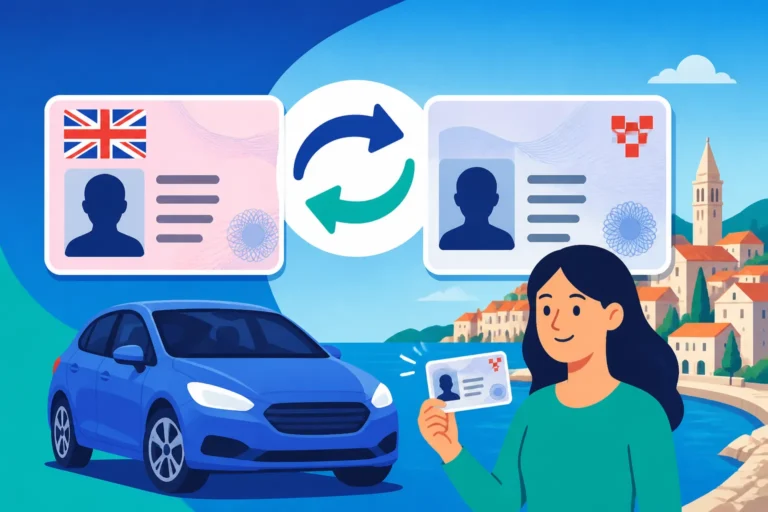
If you plan to drive in Croatia, understanding the rules for your driving licence is essential. If you’re from an EU/EEA country, your existing licence is generally valid until it expires, after which you'll need to exchange it for a Croatian one. For non-EU/EEA citizens, your foreign driving licence might be valid for a certain period (often up to one year from the date of residence permit issue) if accompanied by an International Driving Permit. After that, you must exchange it for a Croatian licence, which often involves taking a Croatian driving test.
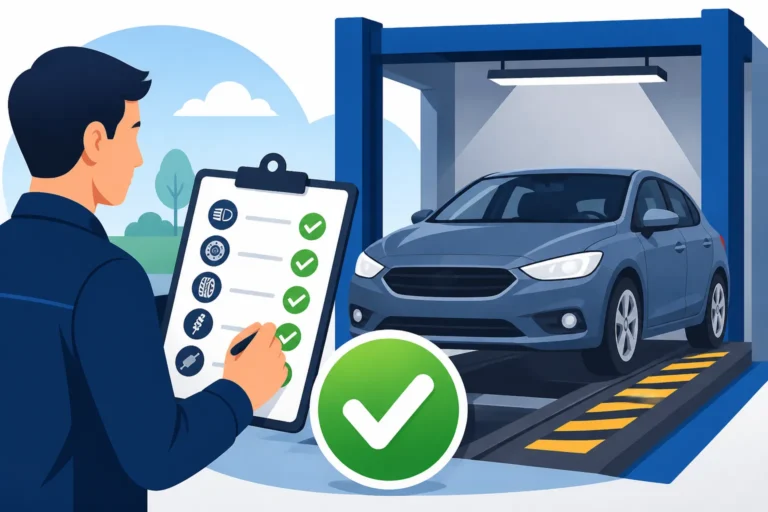
The process to exchange your foreign driving licence involves visits to the MUP and potentially a medical examination. If you decide to bring your car, registering a vehicle in Croatia as a foreigner involves more bureaucracy, including import duties (if from outside the EU), technical inspections (tehnički pregled), and obtaining Croatian license plates. This is an expensive and time-consuming process, often requiring significant patience. Many expats opt to sell their foreign car and buy a used car in Croatia instead.
Finding Your Feet: Accommodation, Education and Daily Life
Beyond the paperwork, the next phase is about integrating into the practicalities of daily life. This is where you start building routines, understanding local rhythms, and making Croatia truly feel like home.
Securing Long-Term Accommodation
After your initial short-term rental, finding a suitable long-term home is paramount. The rental market can be competitive, especially in popular cities like Zagreb, Split, or Dubrovnik. Online portals like Njuškalo.hr are widely used, but local real estate agents can also be invaluable, particularly if you don't speak fluent Croatian. Be prepared to pay a deposit (typically one to two months' rent) and the first month's rent upfront.
Crucially, ensure your rental lease is properly registered with the Tax Administration (Porezna Uprava). This is important for both you and your landlord. For you, it serves as official proof of address for various administrative tasks, including extending your residence permit. For the landlord, it ensures they declare the income and pay taxes. Make sure your contract specifies what utilities are included (if any) and who is responsible for what. Always read your contract carefully and, if possible, have a Croatian speaker review it with you.
Schools and Education for Expat Families
If you're moving with children, sorting out their education will be a top priority. Croatia offers public schools, which teach in Croatian, and a limited number of international schools, primarily in Zagreb and Split. Public schools are free for residents, but your children will need to learn Croatian quickly. Enrolling your child in a Croatian public school involves registering their temporary residence, obtaining their OIB, and providing translated birth certificates and school records.
International schools, such as the American International School of Zagreb or the French International School, offer curricula in English or other languages and cater specifically to expat families. However, they come with significant tuition fees. Research these options well in advance, as places can be limited, especially for popular age groups. The choice between public and international education often depends on your long-term plans, your budget, and your children's adaptability.
Public Transport and Getting Around
Croatia has a decent public transport system, though its quality and coverage vary by region. In larger cities like Zagreb, the ZET system of trams and buses is extensive and reliable. You'll need to purchase tickets at kiosks, on the tram/bus itself (though often more expensive), or load credit onto a public transport card. In smaller towns, buses are the primary mode of public transport, connecting communities.
For intercity travel, buses are generally the most common and efficient option, with a comprehensive network connecting almost all towns and cities. Trains, operated by HŽ, are available but often slower and less extensive than the bus network. If you plan to travel by car on highways, consider getting an ENC device for electronic toll collection, which offers discounts and speeds up travel. Understanding the local transport options will help you explore your new home and travel around the country with ease.
Building Your Community: Social and Cultural Integration
Beyond the paperwork and practicalities, a crucial part of making Croatia home is connecting with people and understanding the local culture. This phase is about transitioning from feeling like a tourist to feeling like a local.
Meeting Fellow Expats and Locals
Croatia has a growing expat community, especially in major cities and coastal regions. Online groups (Facebook is a goldmine for this!), expat meetups, and international clubs are fantastic ways to connect with people who understand what you're going through. Search for "Expats in Zagreb" or "Digital Nomads Split" to find these communities. They can offer invaluable advice, support, and friendship.
Don't shy away from connecting with locals either! Croatians are generally warm and hospitable, especially once you make an effort to speak a few words of their language. Striking up conversations in cafes, joining local sports clubs, or participating in community events can open doors to genuine friendships and help you immerse yourself more deeply. Learning some basic Croatian phrases, even just "Dobar dan" (Good day) or "Hvala" (Thank you), goes a long way.
Embracing Croatian Culture and Customs
Croatian culture is rich and diverse, blending Mediterranean, Central European, and Balkan influences. Take the time to observe and learn. For example, coffee culture is huge here; it's a social ritual, not just a caffeine fix. Expect long, leisurely coffees with friends. Meal times are often later than in some Western countries, and family is incredibly important.
Punctuality can sometimes be a bit more relaxed than you might be used to, particularly in social settings (though less so for official appointments!). Public displays of emotion can be more common, and direct communication is often appreciated. Don't be surprised by open curiosity about where you're from and why you moved here; it's usually coming from a place of genuine interest. Embracing these nuances will help you feel more at home and avoid misunderstandings.
Getting Started with the Croatian Language
While many Croatians, especially younger generations and those in tourist areas, speak excellent English, making an effort to learn Croatian will transform your experience. It unlocks deeper connections with locals, makes navigating bureaucracy easier, and simply enriches your daily life. Even learning a few key phrases for shopping, ordering food, or asking for directions will be greatly appreciated.
Consider enrolling in a Croatian language course. Universities in Zagreb and Split offer structured programs (like Croaticum at the University of Zagreb), and many private language schools provide classes tailored for foreigners. Apps like Duolingo or Memrise can be a good starting point for self-study. Remember, it's a marathon, not a sprint, but every word you learn makes your expat journey richer. Learning Croatian will not only help you in daily interactions but also deeply immerse you in the culture, allowing you to connect on a more profound level with your new home.
Work and Business: Getting Started
For many expats, the move to Croatia is tied to work or starting a business. Navigating the Croatian employment landscape or setting up your own venture requires specific steps and an understanding of local regulations.
If You’re Employed by a Croatian Company
If you've landed a job with a Croatian employer, they will typically handle a significant portion of your work permit and residence permit application. This is a huge advantage. However, you still need to actively participate by providing all required documents, often translated and notarized. Your employer will register you with HZZO (health insurance) and HZMO (pension fund) as part of your employment.
Understanding your employment contract is crucial. Croatian labor law is comprehensive, covering aspects like working hours, annual leave, probation periods, and notice periods. Ensure you understand your rights as an employee in Croatia. While your employer will guide you, it's always wise to familiarize yourself with the basic legal framework to protect your interests. Your OIB will, of course, be essential for payroll and all employment-related paperwork.
If You’re Self-Employed or a Digital Nomad
For those who are self-employed, freelancing, or working under a digital nomad permit, the administrative burden falls squarely on your shoulders. You’ll need to understand how to register your business entity, typically a paušalni obrt (flat-rate trade) for many freelancers, or a d.o.o. (limited liability company) for larger ventures.
Registering a paušalni obrt is a relatively streamlined process for foreigners, involving registration at the municipal office (Ured državne uprave) and then with the Tax Administration. You’ll need your OIB, residence permit, and specific forms. The beauty of the paušalni obrt is its simplified tax structure, which makes it attractive for many small businesses and freelancers. However, you'll be responsible for paying your own social contributions (pension and health insurance). For digital nomads, while your income is typically not taxed in Croatia, you still need to prove sufficient funds and secure private health insurance. Make sure you fully understand your tax and social contribution obligations, as mistakes can be costly.
Understanding Croatian Culture and Lifestyle
Moving to a new country isn't just about documents and forms; it's about embracing a new way of life. Croatia has a distinct culture, and understanding its nuances will make your integration much smoother and more enjoyable.
Daily Rhythms and Social Norms
Life in Croatia, especially outside of the bustling capital, tends to operate at a slightly slower pace. The concept of pomalo (take it easy, slowly) is quite ingrained. Mornings often start with coffee, and lunch is typically the main meal of the day, enjoyed later than in some other cultures. Dinner can be quite late, particularly in the summer months. Shops often have split shifts, closing in the early afternoon for a few hours before reopening in the late afternoon/early evening.
Social interactions are generally warm and open. Handshakes are common for greetings, and three kisses on the cheek are traditional between women, or between men and women, especially in more familiar settings. Respect for elders is important, and politeness is highly valued. Don't be surprised by friendly inquiries into your personal life; it's usually meant as a gesture of warmth and interest rather than prying.
Food, Drink, and Dining Etiquette
Croatian cuisine is a delightful blend of Mediterranean, continental, and Balkan influences, varying significantly by region. Along the coast, expect fresh seafood, olive oil, and Mediterranean herbs. Inland, dishes often feature more meat, potatoes, and robust flavors. Don't leave Croatia without trying peka (meat or octopus cooked under a bell-shaped lid), ćevapi (grilled minced meat sausages), or štrukli (cheese pastry, especially in Zagorje).
Dining out is a social affair. Tips are appreciated but not strictly mandatory (unlike in some countries), and generally, rounding up or leaving 5-10% for good service is sufficient. It's customary to wait to be seated in most restaurants. When offered food or drink in someone's home, it's polite to accept, even if just a small portion. Croatians are proud of their food and hospitality.
Communication Styles and Language Barrier
While many Croatians speak English, particularly in tourist areas and among younger generations, you'll encounter situations where Croatian is essential. Most government offices operate solely in Croatian, and older generations might not speak English. The good news is that Croatians are generally very appreciative of any effort you make to speak their language.
Croatian communication can be quite direct, but also very expressive. Hand gestures are common. If you find yourself in a situation where you don't understand, politely stating "Ne razumijem" (I don't understand) and "Govorite li engleski?" (Do you speak English?) can help. Patience and a good translation app (or that Airalo eSIM data plan for Google Translate!) will be your best friends. The more you immerse yourself, the more you'll pick up, and you'll find that making even small efforts to communicate in Croatian will open up new experiences and connections.
| Task Category | Task | Recommended Timeline | Key Documents / Notes |
|---|---|---|---|
| Pre-Arrival | Visa/Permit Application | 2-6 months before | Passport, birth certs, funds, police checks |
| OIB Application | 1-2 months before (optional) | Passport | |
| Research Initial Accommodation | 1-2 months before | Short-term rental (Airbnb, Booking.com) | |
| Plan Shipping/Logistics | 1-3 months before | Get quotes (e.g., Sirelo), customs info | |
| First 72 Hours | Get Local SIM/eSIM | Day 1 | Passport, OIB (for registration), Airalo option |
| Check-in to Accommodation | Day 1 | Host must report your stay to MUP | |
| Grocery Shopping | Day 1-2 | Basic food, water, toiletries | |
| MUP Stay Reporting | Day 1-2 | Ensure host reports or do it yourself | |
| Week 1-4 | Apply for Temporary Residence | Week 1-2 | Passport, OIB, accommodation, health insurance |
| Register with HZZO | Week 2-4 (after residence approval) | Residence permit, OIB, passport | |
| Open Croatian Bank Account | Week 2-4 | Passport, OIB, residence permit | |
| Begin Long-Term Accommodation Search | Week 1-4 | Njuškalo.hr, real estate agents | |
| Month 2-3 | Transfer Utilities | Month 2 | Rental contract, OIB, landlord's help |
| Set Up Internet/Mobile | Month 2 | Compare providers (HT, A1, Telemach) | |
| Register Rental Lease | Month 2-3 | With Tax Administration, proof of address | |
| Address Tax Residency | Month 2-3 | Consult accountant, declare foreign income if applicable | |
| Driver's Licence Exchange (if needed) | Month 2-3 | MUP, medical exam, IDP | |
| Explore Schools (for families) | Month 2-3 | Public vs. International, enrolment process | |
| Network & Socialise | Ongoing | Expat groups, local events, language classes |
Disclaimer
The information provided in this guide is intended for general informational purposes only and does not constitute legal, financial, or immigration advice. While we strive to keep the content accurate and up-to-date, regulations in Croatia can change rapidly. Always consult with official government sources (like MUP, Porezna Uprava, HZZO), legal professionals, or qualified experts for advice specific to your individual situation. Moving to Croatia involves complex administrative processes, and personal circumstances can significantly affect requirements and timelines.