What Is the Tehnički Pregled (Vehicle Inspection) and How Does It Work?
Ah, the tehnički pregled! For many of us expats, that phrase brings a slight shiver down the spine, especially if you’ve just settled in Croatia and are grappling with the local administrative maze. Back home, vehicle inspections might be a simple trip to a local garage, but here, it's a specific process intertwined with annual registration and insurance, and it can feel like a whole new beast. If you've ever wondered exactly what this "technical inspection" entails, why it’s so important, and how to actually get through it without a major headache, you've come to the right place. This guide is all about demystifying tehnički pregled so you can keep your wheels legally on Croatian roads.
What Exactly is Tehnički Pregled and Why Do We Do It?
When you first hear "technical inspection," it might sound vague, but in Croatia, it's a very specific and mandatory annual ritual for every vehicle on the road. It’s not just a formality; it’s a crucial part of ensuring road safety and environmental compliance across the country. And believe me, the inspectors take it seriously.
The Legal Mandate and Road Safety Aspect
Think of tehnički pregled as Croatia’s comprehensive health check for your car. Every single registered vehicle – cars, motorcycles, trucks, even trailers – must undergo this annual inspection. It's mandated by law, and you simply cannot renew your vehicle’s registration or insurance without a successful pass. The body overseeing this entire process is the Centar za vozila Hrvatske (CVH), which translates to the Croatian Vehicle Centre. They set the standards, train the inspectors, and ensure consistency across all inspection stations.
The primary goal, of course, is road safety. Croatia has its share of winding coastal roads, mountainous terrain, and bustling city traffic, so ensuring vehicles are in good working order is paramount. Inspectors meticulously check everything from your brakes, steering, and suspension to your lights, tires, and exhaust system. They're looking for wear and tear, damage, and any modifications that might compromise safety or legal requirements. I remember once having an older car, and the anxiety leading up to the inspection was palpable because you never quite knew what they'd find! It’s about protecting not just you, but everyone else on the road.
Beyond safety, there’s a significant environmental component. Emissions testing is a critical part of the tehnički pregled. With Croatia’s commitment to EU environmental standards, your vehicle’s exhaust must meet specific pollution limits. This means your catalytic converter needs to be functioning properly, and your engine shouldn't be burning excessive oil or fuel. Failed emissions are a common reason for vehicles to not pass, especially older diesel models.
Key Differences from Home Country Inspections
Depending on where you hail from, the Croatian tehnički pregled might feel quite different. For instance, if you’re from the US, you might be used to state-specific inspections that vary wildly in strictness, or in some states, no annual inspection at all. Coming from the UK, you’re familiar with the MOT, which shares many similarities but has its own nuances in terms of what’s checked and how repairs are handled. Germans might find it akin to the TÜV, which is also very thorough.
The biggest difference often lies in the combined nature of the process. In Croatia, the tehnički pregled isn't just an inspection; it's the gateway to your annual vehicle registration (registracija vozila) and mandatory third-party liability insurance. You walk into the inspection station, they do the technical check, you pay all your annual fees (road tax, environmental fees, etc.), and you purchase or renew your insurance, all in one go. This integrated approach, managed by the CVH, often streamlines the administrative burden somewhat, although it can also mean that one small failure can halt your entire renewal process. It's a single point of contact for everything related to keeping your car on the road legally each year.
The Step-by-Step Process of Getting Your Vehicle Inspected
So, you know what it is and why it exists. Now, let’s get into the nitty-gritty of how to actually get it done. It might seem intimidating at first, but once you've done it once or twice, it becomes much more routine.
Preparing Your Vehicle for Tehnički Pregled
Before you even drive to the inspection station, a little preventative maintenance can save you a world of hassle. The inspectors are thorough, and they follow strict guidelines.
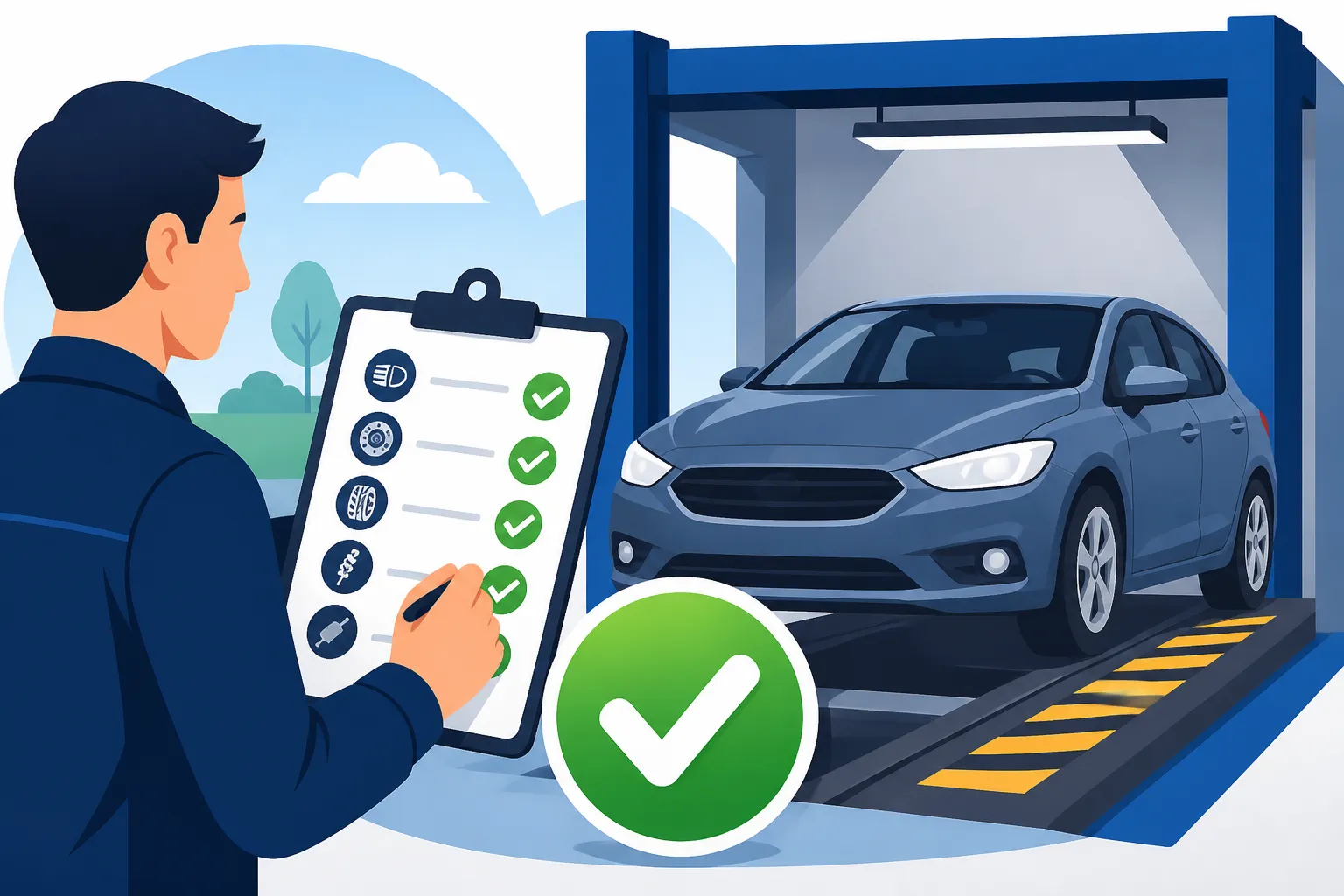
Here's a checklist of things you should ideally look over:
- Lights: Check all lights – headlights (high and low beam), turn signals, brake lights, reverse lights, and license plate lights. Even a single bulb out can lead to a failure.
- Tires: Ensure your tires have adequate tread depth (the minimum is 1.6 mm, but more is always better), are correctly inflated, and show no signs of major damage or uneven wear. Also, make sure all four tires are the same type (e.g., all summer or all winter, not a mix), and if you have a spare, that it’s in decent condition.
- Brakes: While you can’t fully inspect your own brakes, pay attention to any unusual noises or reduced braking performance. The inspection includes a brake test on a specialized roller, so good brakes are non-negotiable.
- Wipers and Washer Fluid: Wipers should be functional and clean the windshield effectively. Make sure your washer fluid reservoir is topped up.
- Fluids: While not always a direct fail, having low engine oil, coolant, or brake fluid can be a red flag. It’s good practice to ensure everything is at the correct level.
- Warning Lights: Any illuminated warning lights on your dashboard (check engine, ABS, airbag, etc.) will almost certainly result in a failure. If you have any, get them diagnosed and fixed before the inspection.
- Safety Equipment: You are legally required to have a reflective vest, a first-aid kit, and a warning triangle in your car. Some stations might also check for a spare tire or a tire repair kit.
Many local mechanics offer a pre-inspection check, often for a small fee, which can be invaluable. They know exactly what the tehnički pregled inspectors look for and can flag potential issues before you spend time and money on the official check. This is particularly helpful if you're not mechanically inclined or if you have an older vehicle.
The Inspection Day: What to Expect at the Station
When it's time for the actual inspection, you’ll head to a stanica za tehnički pregled. These are dedicated inspection centres, not your local mechanic’s shop. You can find them in most towns and cities; in Zagreb, for example, there are several large ones scattered around. Some popular ones include those in Siget or at the former Automehanika business complex.
Here’s what you’ll need to bring:
- Your vehicle’s registration document (prometna dozvola or prometnu dozvolu).
- Proof of valid third-party liability insurance (if you already have it and are renewing).
- Your OIB (personal identification number). You absolutely need this for all official transactions in Croatia, and this is no exception. If you're a new expat, make sure you know How to Get an OIB (Personal Identification Number) in Croatia.
When you arrive, you’ll usually take a number and wait your turn. Once called, an inspector will guide you through the process. They will ask for your documents, check your OIB, and then the fun begins.
The inspection typically involves:
- Administrative Check: The inspector verifies your documents and VIN number.
- Visual Inspection: This is incredibly thorough. They'll check the exterior for damage, rust, proper functioning of doors, windows, and mirrors. They'll also scrutinize the interior, ensuring seatbelts work, and warning lights (or lack thereof) are in order.
- Brake Test: Your vehicle will go on rollers to measure braking force and balance on each wheel.
- Suspension Test: Another set of rollers or a shaking plate will test your shocks and suspension components.
- Undercarriage Inspection: The car will be lifted, and the inspector will examine the exhaust system, steering components, suspension, and any signs of fluid leaks from underneath.
- Emissions Test: A probe will be inserted into your exhaust pipe to measure pollutants.
- Headlight Alignment: A machine will check if your headlights are correctly aimed.
The process usually takes between 20 to 40 minutes, depending on the vehicle and the inspector. You'll typically wait in a designated area while the inspection is being carried out. While you can usually get by with a bit of English at larger stations, having a Croatian friend with you or relying on Google Translate on your phone (especially if you're using a local SIM from a provider like Airalo) can certainly ease communication.
Understanding the Results: Passed, Failed, or Conditional
Once the inspection is complete, you’ll receive the results. There are generally three outcomes:
- Passed (Ispravno): Congratulations! Your vehicle meets all the required standards. You can then proceed to pay all the necessary fees and renew your registration and insurance on the spot. You’ll walk out with your updated prometna dozvola and a sticker for your license plate.
- Conditional Pass (Uvjetno ispravno): This means there are minor defects that aren’t immediately dangerous but need to be addressed. You’ll usually be given a short grace period (often 15 days) to fix these issues and return for a re-inspection of only the failed items. This second check typically has a reduced fee. This can be a bit of a relief, as it means you don't have to start from scratch.
- Failed (Neispravno): This is the one you want to avoid. If your vehicle has major defects that pose an immediate safety risk or fail critical environmental standards, it will be declared neispravno. You cannot legally drive the vehicle (except directly to a repair shop) and must get all issues fixed. You’ll then need to return for a full re-inspection within a specific timeframe (usually 15 days, sometimes 30 for major issues). If you miss this window, you’ll have to pay for a full new inspection. This is where costs can quickly add up, so it's best to be prepared!
Navigating the Annual Renewal and Associated Costs
The tehnički pregled is just one piece of the annual vehicle puzzle. It’s inextricably linked to the yearly registration process and the associated financial obligations.
Annual Registration and Insurance Renewal
Once your vehicle successfully passes the tehnički pregled, you immediately move on to the registration and insurance phase. In Croatia, these are typically handled at the same stanica za tehnički pregled where your inspection took place. This is where the beauty of the integrated system comes in, saving you from running to multiple offices.
To renew your vehicle registration, you’ll need to:
- Pay all fees: This includes the tehnički pregled fee itself, road tax (cestarina), environmental fees, and administrative charges.
- Renew or purchase insurance: Mandatory third-party liability insurance (obvezno osiguranje) is required by law. You can choose from various insurance providers present at the inspection station (or bring proof of a valid policy if you've arranged it elsewhere). This is where companies like Croatia Osiguranje or Triglav frequently offer their services. It’s always a good idea to shop around for the best rates beforehand, as prices can vary. If you're looking for more details, understanding Home Insurance Options in Croatia might give you a broader perspective on insurance here.
Upon completion, you'll receive a renewed prometna dozvola (vehicle registration card) with the new expiry date and a small sticker to place on your license plate, indicating the year of validity. This integrated process is generally efficient, but it does mean you need to come prepared financially for all these outlays at once.
Breakdown of Costs Involved
Understanding the costs upfront helps tremendously with budgeting. These fees are subject to change but generally include:
- Tehnički pregled fee: This is for the inspection itself. For a standard car, it's typically around €40-€50.
- Road Tax (Cestarina): This annual tax varies depending on the vehicle's engine power (kW). For example, a car with up to 55 kW might pay around €80-€100, while a more powerful car (over 110 kW) could be €200 or more.
- Environmental Fee (Naknada za okoliš): This fee is usually in the range of €10-€20.
- Administrative Fees: There are various smaller fees for handling documents and issuing the registration card, typically adding up to €10-€20.
- Mandatory Third-Party Liability Insurance (Obvezno osiguranje): This is the most variable cost. It depends on several factors: your vehicle’s engine size, your age, where you live (your prebivalište), and your driving history (bonus/malus system). For a standard car, expect to pay anywhere from €200 to €500+ annually. As an expat, your initial insurance might be higher if you don't have a Croatian driving history to demonstrate.
Here's a simplified table to give you an idea of potential costs for a standard passenger car (these are approximate and can fluctuate):
| Cost Item | Approximate Range (EUR) | Notes |
|---|---|---|
| Tehnički Pregled (Inspection Fee) | 40 – 50 | Fixed fee for the technical inspection itself. |
| Road Tax (Cestarina) | 80 – 250+ | Varies significantly based on engine power (kW). |
| Environmental Fee | 10 – 20 | Standard fee. |
| Administrative Fees | 10 – 20 | Fees for document processing and registration card. |
| Mandatory Third-Party Insurance | 200 – 500+ | Highly variable based on vehicle, driver, and location. Shop around! |
| Estimated Annual Total (Excluding Repairs) | 340 – 840+ | This does not include any potential repair costs if your vehicle fails the inspection. |
Remember, these are annual costs. If you buy a used car in Croatia as a foreigner, you'll go through this process for the transfer of ownership, and then annually thereafter.
Common Expat Hurdles and Practical Tips
Let's be real, the Croatian administrative system can throw a few curveballs, especially for us non-native speakers. Tehnički pregled is no exception, but with a few tips, you can navigate it smoothly.
Language Barriers and Finding English-Speaking Assistance
One of the most common frustrations for expats is the language barrier. While younger staff in some larger cities like Zagreb or Split might speak a little English, it's not guaranteed at every stanica za tehnički pregled. The official process is conducted in Croatian.
Here are some tips:
- Bring a Croatian Speaker: If you have a Croatian friend, colleague, or even a landlord who is willing to accompany you, it will make a world of difference. They can translate questions, explain procedures, and generally smooth things over.
- Use Translation Apps: Google Translate or similar apps can be lifesavers. While not perfect, they can help you understand basic instructions and convey simple questions. Have it ready on your phone (a reliable data plan, perhaps through a global eSIM like Airalo, is crucial for this!).
- Learn Key Phrases: Knowing simple phrases like "Dobar dan" (Good day), "Molim Vas" (Please), "Hvala" (Thank you), "Razumijem" (I understand), and "Ne razumijem" (I don't understand) can go a long way in showing effort and building rapport.
- Seek Expat-Friendly Mechanics: If your car needs work before the inspection, try to find a mechanic known to cater to expats. Word-of-mouth in expat groups on social media is often the best way to find these gems. They’ll understand your situation and can often communicate more effectively.
Dealing with Older Vehicles and Importing Cars
Croatia has quite a few older vehicles on the road, and if you own one, passing tehnički pregled can be a yearly challenge, especially with emissions. Older cars might struggle with strict modern environmental standards, requiring costly repairs to exhaust systems or engine tuning. Be prepared for this, and consider if the cost of repairs outweighs the vehicle's value.
If you’re importing a car into Croatia, the initial process is quite different from the annual tehnički pregled. Imported vehicles first need a homologacija, which is a one-time conformity assessment to ensure they meet Croatian and EU standards before they can even be registered. This is a complex process often involving certified engineers and specific documentation. Once that’s done, then your imported car enters the annual tehnički pregled cycle like any other Croatian vehicle. If you’re considering moving to Croatia and bringing your car, services like Sirelo often provide valuable guidance on vehicle relocation and import processes, which can be immensely helpful in navigating this initial hurdle. Don't forget to also consult our guide on How to Register a Vehicle and Get Croatian Plates for a full picture.
Digital Tools and Resources
While the tehnički pregled itself is a very much in-person affair, Croatia is slowly but surely moving towards more digital government services. The gov.hr portal and the e-Građani system offer a range of services for residents, though direct tehnički pregled results aren't typically displayed there. However, these platforms are useful for checking other aspects of your administrative life in Croatia, like updating your residence or checking your OIB details.
For daily navigation and communication during your vehicle-related errands, ensuring you have reliable mobile data is key. A local SIM card or an eSIM from a provider like Airalo can ensure you have access to maps, translation apps, and the ability to call a friend or mechanic if needed. This might seem minor, but when you're in a new environment, being connected makes everything less stressful, whether you're heading to the inspection station or just exploring Driving in Croatia: Licences, Registration and Rules for Expats (2027).
Ultimately, the tehnički pregled is a necessary part of life with a car in Croatia. It might feel like a bureaucratic hurdle, but it ensures safer roads for everyone. Prepare well, know what to expect, and don't be afraid to ask for help, and you'll be driving legally and confidently in no time!
Disclaimer
The information provided in this guide is for general informational purposes only and does not constitute legal, financial, or professional advice. While we strive to keep the information up-to-date and accurate, regulations and procedures in Croatia can change rapidly. Always consult with official sources, legal professionals, or relevant government bodies (such as the Centar za vozila Hrvatske or the Ministry of Interior) for the most current and specific information regarding your situation. Relying solely on the information presented here is at your own risk.