How Do I Find a Furnished Apartment to Rent in Rijeka?
Ah, so you've set your sights on Rijeka, the "City That Flows"! Excellent choice, it's a vibrant place with a fantastic energy, but let's be real: navigating the rental market, especially for furnished apartments, can feel like trying to solve a Rubik's Cube blindfolded when you're fresh off the plane. The listings often feel vague, the language barrier is a real thing, and you're never quite sure if you're getting a fair shake. Don't worry, my friend, I've been there, and this guide is going to walk you through everything you need to know to find that perfect furnished pad in Rijeka, from knowing where to look to what to sign.
Understanding Rijeka's Rental Market for Furnished Apartments
Before you even start clicking through listings, it’s crucial to understand the lay of the land in Rijeka. The rental market here has its own quirks and rhythms, and a little foreknowledge can save you a lot of headaches, trust me.
The Landscape of Furnished Rentals in Rijeka
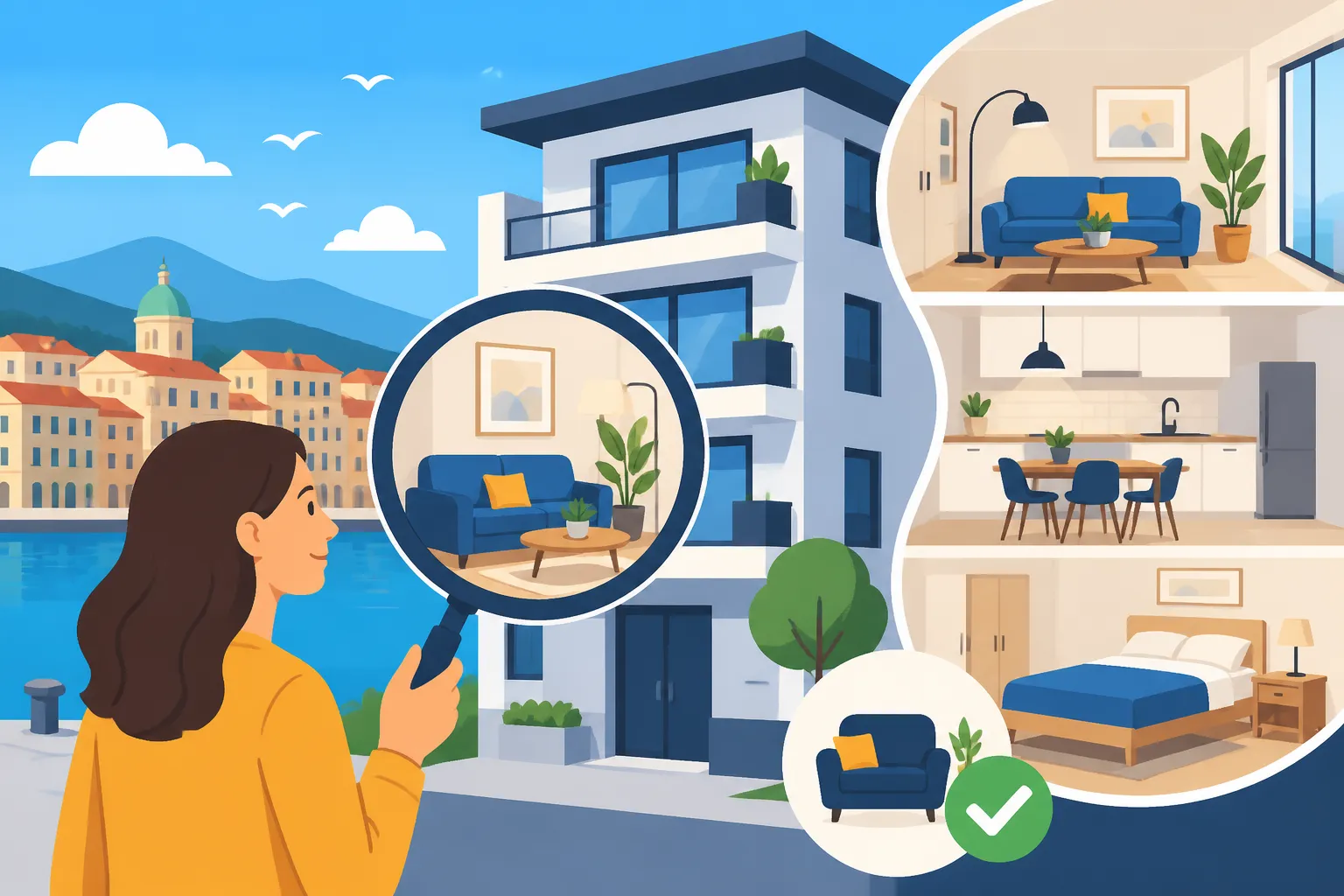
When we talk about "furnished" in Croatia, especially in places like Rijeka, it's not always the perfectly curated, Instagram-ready space you might imagine from Western Europe or North America. Often, "furnished" means it has the essentials: a bed, a wardrobe, a kitchen with basic appliances, and a table and chairs. Sometimes it's a hodgepodge of furniture collected over decades, sometimes it's brand new from IKEA, and sometimes it's somewhere in between.
The availability of furnished apartments in Rijeka fluctuates quite a bit with the seasons. During the summer tourist season (roughly June to September), many landlords prefer to rent their properties on a short-term basis for higher rates to holidaymakers. This means fewer long-term options for expats. If you're looking during the colder months, say from October to May, you'll generally find more choices and potentially better deals. This is often when landlords are eager to secure stable, long-term tenants.
You'll encounter a mix of apartment types. The city center, or Centar, is full of older, charming buildings, often with high ceilings and a classic Adriatic feel. These might have undergone renovations, but the building itself will carry its history. As you move to the periphery or into newer developments, you’ll find more modern apartments, often with amenities like elevators and dedicated parking. Don't be surprised if a listing only vaguely implies "furnished" through photos; it's always best to ask for specifics, even if it requires a little help from Google Translate.
Key Neighbourhoods and Their Vibe
Rijeka is a city of distinct neighborhoods, each offering a different living experience. Your choice will largely depend on your lifestyle, whether you have a car, and what you prioritize in your daily life.
- Centar (City Center): This is the beating heart of Rijeka. If you love being in the thick of it all, with shops, restaurants, cafes, and cultural spots right on your doorstep, this is your place. Public transport is excellent here, meaning you might not even need a car. Apartments here are typically in older buildings, full of character, but can also be pricier and sometimes noisier. Parking can be a real headache, usually involving paid zones or private garages.
- Trsat: Perched on a hill overlooking the city and the Rječina river, Trsat is famous for its castle and university campus. It’s a popular spot for students and those who appreciate historical charm and stunning views. It's a bit of a climb, but the peace and quiet, coupled with charming local shops, make it appealing. It's well-connected by bus to the center.
- Zamet/Turnić: These are more residential, family-friendly neighborhoods located further to the west of the city center. They offer a quieter suburban feel, often with newer buildings, more green spaces, and larger apartments. You'll find good local amenities like supermarkets, schools, and parks. Public transport is decent, and parking is generally easier to find than in the center.
- Kozala/Pećine: To the east of the center, these areas offer a mix of older and newer residential buildings, often boasting beautiful sea views. Kozala is up on a hill, providing a tranquil escape, while Pećine is closer to the coast and some lovely beaches, perfect if you enjoy a morning swim or a seaside stroll. Both are generally well-connected by bus.
When you're considering a neighborhood, always think about your daily commute – whether it's to work, university, or your children's school. A slightly longer bus ride might be worth it for a more affordable or spacious apartment.
Rental Costs and What Influences Them
Rijeka, while generally more affordable than places like Zagreb or Dubrovnik, still has a diverse range of rental prices. What you'll pay depends on a host of factors:
- Location: As expected, apartments in the absolute Centar or with spectacular sea views will command higher prices.
- Size and Number of Rooms: A studio apartment might go for €300-€450, a one-bedroom for €400-€600, and a two-bedroom for €600-€900 or more, depending on its condition and location. These are general ranges and can vary wildly.
- Modernity and Condition: A recently renovated apartment with new appliances and contemporary furniture will naturally be more expensive than an older, more basic unit.
- Amenities: Features like a balcony, dedicated parking space, air conditioning, or a dishwasher can all push the price up.
- Utilities (Režije): This is a critical point. Most advertised rents do not include utilities. You'll typically be responsible for electricity (struja), water (voda), gas (plin – if applicable), communal building fees (pričuva and komunalna naknada), and internet. Always clarify with the landlord exactly what is included and what is not. Sometimes, a flat rate for utilities might be offered, but usually, you'll be paying based on consumption.
Understanding the true cost of living here, including all these potential expenses, is really important. For a deeper dive, check out our guide on The Complete Guide to Cost of Living in Croatia for Expats (2026).
Where to Start Your Search: Online and Offline Strategies
Now that you have a clearer picture of Rijeka's rental market, let's talk about the practicalities of finding that apartment. It's a multi-pronged approach, mixing online prowess with good old-fashioned legwork.
Reputable Online Portals and Social Media Groups
The digital world is often your first port of call, and thankfully, Croatia has some solid platforms, though they come with their own set of challenges.
- Njuškalo: This is absolutely the heavyweight champion of online classifieds in Croatia. Think of it as the Croatian equivalent of Craigslist or a huge marketplace like Gumtree. You'll find everything from cars to clothes to, yes, thousands of rental listings. The sheer volume can be overwhelming, but it's where most landlords and agencies list. The primary challenge for expats is that the site is entirely in Croatian. You'll become intimately familiar with Google Translate for this one! Many listings are posted by real estate agents, but you'll also find direct-from-owner listings. Look for phrases like "iznajmljuje se stan" (apartment for rent) and use filters for "namješten" (furnished).
- Facebook Groups: These are invaluable, especially for expats. Search for groups like "Expats in Rijeka," "Rijeka Rent & Buy," or "Stanovi Rijeka" (Rijeka Apartments). These groups often feature direct listings from owners, which means no agency fees, and they're a fantastic source for community advice. People often post apartments available for rent, short-term sublets, or even rooms. You can also post your own "apartment wanted" ad, outlining your criteria. The interaction here is more direct and personal, often in English.
- Specialized Rental Sites: While Njuškalo is dominant, sites like Indomio.hr and Crozilla.com also list properties. They often syndicate listings from Njuškalo but sometimes have unique ones. It’s worth a quick browse once you've exhausted the main avenues.
A crucial tip: be persistent and quick to respond. Good apartments, especially furnished ones in desirable locations, get snapped up fast.
Working with Real Estate Agencies
For many expats, especially those not physically present in Croatia during the initial search, engaging a real estate agency can be a huge help.
- Pros: Agencies do the heavy lifting. They often have access to listings not widely advertised, can arrange multiple viewings, and, crucially, many have English-speaking agents who can bridge the language gap. They're also experienced in drawing up lease contracts and ensuring all the legal paperwork is in order. If you're stressed about finding a place before you even land, an agency can be a godsend.
- Cons: The primary downside is the cost. Real estate agencies typically charge a fee, often equivalent to one month's rent plus VAT (PDV). This fee is usually paid by the tenant or sometimes shared between tenant and landlord. Always clarify the fees upfront and ensure they are clearly stipulated in any agreement you sign with the agency. Not all agents are created equal; some are more responsive and expat-friendly than others.
When choosing an agency, ask for recommendations from other expats in those Facebook groups. Personal referrals are often the best way to find a reliable agent who genuinely understands expat needs. Make sure you understand their terms of service before committing.
Leveraging Your Network and On-the-Ground Reconnaissance
Sometimes, the best finds aren't online. If you're already in Rijeka, or planning to be there for a scout mission, don't underestimate these strategies.
- Word-of-Mouth: This is huge in Croatia. If you know any locals or other expats, let them know you’re looking. Often, a friend of a friend knows someone who’s renting out an apartment. These "hidden gem" listings often come without agency fees and can be fantastic finds.
- Walking Around: Take a stroll through your preferred neighborhoods. Look for "Iznajmljuje se" (For Rent) signs plastered on buildings or windows. These almost always indicate a direct owner, allowing you to bypass agency fees. You might need a local friend to help you make the call if your Croatian isn't up to scratch, but it's a worthwhile effort.
- Connectivity is Key: When you first arrive, having reliable internet is absolutely crucial. You'll be using maps, looking up addresses, and contacting potential landlords constantly. Considering an eSIM from providers like Airalo can ensure you’re connected from the moment your plane touches down, letting you hit the ground running with your search without hunting for a local SIM card immediately.
- Moving Logistics: If you're coordinating a full international move, don't let the stress of logistics overshadow your apartment hunt. Resources like Sirelo can help you compare moving companies and manage the shipping of your belongings. Getting these larger logistical pieces in place means you can truly focus your energy on finding and securing your new home in Rijeka once you're on the ground.
The Rental Process: From Viewing to Signing
You’ve found a few promising listings and arranged some viewings. Now, it's time to get down to brass tacks. This stage involves meticulous inspection, understanding legalities, and having your documents in order.
What to Look for During a Viewing
This is your chance to really scrutinize the apartment and ask all the important questions. Don’t be shy, even if it feels a bit awkward with a language barrier.
- Furnishings and Appliances: Beyond aesthetics, check the functionality. Do all the appliances work (fridge, oven, washing machine)? Is there enough storage space? Are the beds comfortable? Any signs of excessive wear and tear or damage that wasn't mentioned? Make a mental or actual note of everything.
- Utilities and Heating: This is super important. What kind of heating does the apartment have (gas, electric radiators, central heating)? How efficient is it? What's the estimated monthly cost for utilities? Is anything included in the rent (unlikely, but ask)? Check water pressure, especially in older buildings, and ensure there's reliable hot water. For instance, knowing How to Set Up Electricity (HEP) in Your Croatian Home is crucial because you'll likely be responsible for that.
- Overall Condition: Look for damp, mould, cracks in walls, or any other signs of structural issues. Check windows and doors for drafts. How's the ventilation? Does the apartment get enough natural light?
- Location Specifics: Once inside, consider the external factors. How noisy is it? Is there construction nearby? What are the immediate neighbors like? If parking is important, is there a designated spot or readily available street parking? How far are the nearest shops, pharmacies, and public transport stops?
- Ask, Ask, Ask: Even if you need a translation app or a local friend, ensure you get answers to your critical questions. Don't feel pressured to agree to anything on the spot. It's okay to take your time and discuss it.
Understanding Lease Agreements and Deposits
Once you’ve found "the one," the administrative side kicks in. This is where clarity and understanding are paramount.
- Lease Agreement (Ugovor o Najmu Stana): This will be in Croatian. Period. While your landlord or agent might provide a courtesy translation, the Croatian document is the legally binding one. If you're uncomfortable with the language, invest in a professional translation or have a trusted Croatian speaker review it with you. Key elements to confirm in the contract include:
- Rent Amount and Payment Date: Clearly stated, including any late payment penalties.
- Deposit (Polog): This is standard practice in Croatia, typically 1 to 2 months' rent. The contract should specify the amount, what conditions lead to its forfeiture, and when/how it will be returned at the end of the tenancy. Make sure you understand this thoroughly.
- Duration of Lease: Usually one year, often with an option to extend.
- Notice Period (Otkazni Rok): How much notice you (or the landlord) must give to terminate the lease.
- Utility Responsibilities: Explicitly state which utilities you are responsible for.
- Inventory of Furnishings: A detailed list of all furnished items and their condition at the start of the lease. This protects both you and the landlord.
- Registration of the Contract: This is absolutely vital! Your landlord is legally obligated to register the lease contract with the local tax administration (Porezna Uprava). This isn't just a formality; it's a critical step that validates your residence and is often required for other bureaucratic processes, such as applying for a temporary residence permit. Ensure this happens. You can learn more about this in our detailed guide on How to Register a Rental Lease with the Croatian Tax Administration. This also ties directly into Registering Your Residence in Croatia: The Complete MUP Guide.
Necessary Documents and Practical Tips
Getting your ducks in a row for the move and rental process will save you a lot of stress.
- OIB (Personal Identification Number): You absolutely need this for almost everything in Croatia, including signing a lease, setting up utilities, and bank accounts. If you don't have one yet, make it a priority. Our guide How to Get an OIB (Personal Identification Number) in Croatia walks you through the process.
- Proof of Income/Funds: Landlords might ask for proof that you can pay the rent. This could be bank statements, an employment contract, or a letter from your employer. If you're a digital nomad, be prepared to show consistent income.
- Communication is Key: Patience, patience, patience! Things in Croatia can move slower than you might be used to. Don't get discouraged if responses aren't immediate. Follow up politely.
- Local Phone Number: Get a Croatian SIM card as soon as you can. Providers like Hrvatski Telekom, A1, and Telemach offer affordable prepaid options. Landlords and agents will prefer to call a local number. Remember, an Airalo eSIM can bridge the gap perfectly until you sort out a permanent local number, ensuring you're always reachable.
- Be Prepared for Bureaucracy: Moving to Croatia, while wonderful, comes with its fair share of administrative hurdles. Embrace the journey, and understand that sometimes, things just take time. Being well-informed, as you are now, is your best defense. For a broader overview of starting your life here, consider reading The Complete Guide to Moving to Croatia: Your First 90 Days (2027). Don't forget, understanding your How to Choose a Mobile and Internet Provider in Croatia and getting your The Expat Guide to Setting Up Utilities in Croatia connected will also be high on your to-do list!
Here’s a quick overview of what to expect in different Rijeka neighborhoods regarding furnished apartment hunting:
| Factor | Centar (City Center) | Trsat | Zamet/Turnić |
|---|---|---|---|
| Vibe | Bustling, historic, central | Historic, scenic, student-friendly | Residential, quiet, family-oriented |
| Typical Furnishings | Older, traditional, some modern renovations | Mixed, often student-style, practical | Newer, more modern, often spacious |
| Proximity to Amenities | Excellent (shops, restaurants, transport) | Good (local shops, university, fortress) | Good (supermarkets, schools, parks, health centers) |
| Rent Range (1-bed) | Moderate to High (€400-€600+) | Moderate (€350-€550+) | Moderate (€380-€580+) |
| Public Transport | Excellent (buses, high frequency) | Good (buses, but often uphill walk) | Good (buses, wider coverage) |
| Parking | Difficult, usually paid street parking/garages | Limited, some street parking, often full | Easier, often included with newer buildings or ample street |
| Noise Levels | Higher, especially on main streets | Moderate, quieter than center | Low to Moderate, generally peaceful |
Ultimately, finding a furnished apartment to rent in Rijeka is absolutely achievable. It might take a bit of patience, a dash of persistence, and maybe a little help from translation apps or local friends, but the reward is settling into this beautiful, lively city. By understanding the market, knowing where to look, and preparing for the administrative steps, you'll be enjoying your new Croatian home in no time.
Disclaimer
Please note that while this guide provides comprehensive information based on current knowledge and common expat experiences in Croatia, regulations and market conditions can change. It is always advisable to verify specific requirements with official sources, seek professional legal advice, and consult with local real estate experts for the most up-to-date and personalized guidance. This article is for informational purposes only and does not constitute legal or financial advice.