The Expat Guide to Public Transport in Croatia
Moving to Croatia means getting to grips with a whole new way of life, and believe me, one of the biggest initial hurdles, beyond the paperwork at MUP, is figuring out how to get from A to B without relying solely on your own two feet or a pricey taxi. Public transport here, while generally reliable in the bigger cities and essential for island life, often operates on its own unique logic, leaving many new expats scratching their heads. This comprehensive guide is here to demystify the buses, trams, trains, and ferries, helping you navigate Croatia's transport network like a seasoned local.
Why Public Transport in Croatia Can Be a Head-Scratcher for Expats
When you first arrive, particularly if you're coming from a country with highly integrated and often hyper-efficient public transport systems, Croatia's approach can feel a bit… rustic. It's not necessarily bad, but it definitely has its quirks, and understanding these quirks is half the battle. You’ll quickly learn that patience is a virtue, and sometimes, the best-laid plans go delightfully awry.
The "Croatian Way" of Doing Things: Unwritten Rules and Flexibility
One of the first things you'll notice is that schedules, while printed, can sometimes be more of a suggestion than a rigid command. This isn't out of malice, but rather a reflection of a more relaxed pace and an acceptance that traffic, roadworks, or even a sudden downpour can throw a wrench into things. Don't be surprised if your bus is a few minutes early or late, especially on less frequent routes. It's not uncommon to see buses pause for a moment longer than expected at a stop, or for drivers to take a quick coffee break on longer journeys. This flexible approach means you need to build in buffer time, especially if you have an important appointment or a connecting ferry to catch.
Another "unwritten rule" is the understanding that locals often know the system intuitively. They know which stops are frequently missed, which routes are always delayed, and where to catch an impromptu shared ride if needed. As an expat, you're on a steep learning curve. Don't hesitate to ask fellow passengers, especially older ones, for advice. They often appreciate a polite inquiry and can be a fount of local knowledge, even if you communicate through a mix of gestures and broken Croatian. Embracing this flexibility, rather than fighting it, will save you a lot of stress.
Language Barriers and Information Overload (or Lack Thereof)
While larger cities like Zagreb and tourist-heavy areas often have information available in English, step slightly off the beaten path, and you might find yourself staring at a timetable written only in Croatian, with place names that are challenging to pronounce, let alone understand. Online resources have improved dramatically, but printed signs and announcements at smaller stations might still be exclusively in the local language. This can be particularly frustrating when trying to understand unexpected delays or diversions.
Beyond the language, there can be an information disparity. Sometimes, you'll feel like you're drowning in obscure details, like complex pricing zones or specific holiday schedules that seem to change without clear announcements. Other times, crucial information, like where the bus stop actually is, or if a particular service is running at all, feels impossible to find. Remember, often the most reliable source of up-to-date info is a human being at the bus station ticket counter, or even your landlord or a friendly neighbor. When you're just starting your journey in Croatia, having a local contact to help with translation or clarifying details can be a real lifesaver.
Digital vs. Traditional: Bridging the Gap
Croatia is a country that's rapidly digitalizing, but you'll find a blend of old and new when it comes to public transport. You might be able to buy tickets online or through an app for some services, but then find yourself needing cash for a local bus or ferry. It’s a good idea to always carry some kuna (even though Croatia adopted the Euro, old habits die hard in expressing small amounts) and coins, as not all vendors or drivers accept cards. The ticketing machines might only take coins, or the machine itself might be out of order.
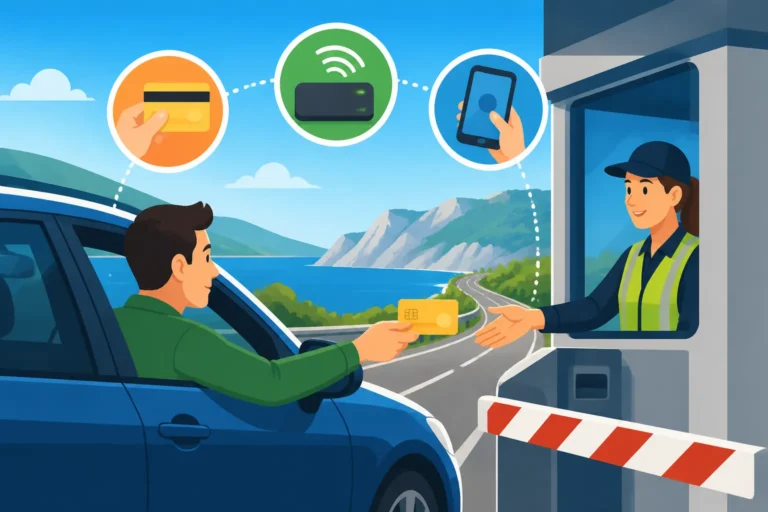
The transition from traditional paper tickets to digital options, like contactless payments or mobile apps, is ongoing. In Zagreb, for instance, the ZET system has introduced QR codes and card payments on trams and buses, making life easier. However, in smaller towns or for regional services, you'll still encounter the classic ticket office or the option to buy directly from the driver. It's a system of patchwork modernization, which means you need to be prepared for both scenarios. Having a fully charged phone with data is useful, not just for navigation apps, but also for checking bus company websites or even using Google Translate in a pinch. Consider a local SIM card or an eSIM from a provider like Airalo to ensure you're always connected.
Navigating City Buses and Trams: Your Daily Commute in Croatian Cities
For most expats living in Croatia's larger urban centers, daily life revolves around the local public transport network. Whether you're commuting to work, running errands, or exploring a new neighborhood, city buses and trams are your bread and butter. Each major city has its own system, but they share common principles.
Zagreb's ZET System: Trams, Buses, and the E-Ticket Evolution
Ah, Zagreb's ZET (Zagrebački električni tramvaj) system. For many, it's the heartbeat of daily life in the capital. Trams are iconic here, crisscrossing the city center and connecting major districts. Buses fill in the gaps, serving areas not covered by tram lines, especially in the sprawling suburbs and hilly regions. The network is extensive, and once you get the hang of it, surprisingly efficient for a city of its size.
In recent years, ZET has made significant strides in modernization. While old-school paper tickets were once king, you can now purchase tickets via SMS (sending a message to a specific number, which then charges your phone bill), through the ZET mobile app, or even with contactless payment directly on newer trams and buses. This e-ticket evolution is a welcome change, cutting down on the need for exact change or hunting for kiosks. However, not all trams or buses have the contactless readers yet, so a fallback plan (like a pre-bought ticket from a Tisak kiosk or an SMS ticket) is always wise. For regular commuters, investing in a monthly or annual ZET pass, loaded onto a personalized smart card, is the most economical option. You’ll need your OIB and proof of residence for that.
Coastal City Transport: Split, Rijeka, and Dubrovnik's Unique Challenges
Public transport in coastal cities presents its own set of charming challenges, often dictated by geography and tourism. Split, with its thriving port and ancient core, relies heavily on Promet Split buses. The city center is largely pedestrianized, so buses are essential for reaching areas like Žnjan beach, the ferry port, or the various university campuses. During peak tourist season, buses can be incredibly crowded, especially those heading to popular beaches or the airport. Like Zagreb, they've introduced more modern ticketing options, but buying a ticket at a kiosk or from the driver (with cash) is still common.
Rijeka, nestled into the Kvarner Bay, has a bus network run by Autotrolej Rijeka. Its hilly terrain means buses are often navigating steep, winding roads, offering incredible views along the way. The bus system is generally reliable, connecting the city center with its various neighborhoods and surrounding towns. Dubrovnik, on the other hand, is famous for its Old Town, which is largely inaccessible to vehicles. Libertas Dubrovnik operates the buses that serve the city, connecting the port, Gruž, Lapad, and other areas. During summer, these buses are packed to the gills with tourists, often leading to slow journeys. Keep in mind that for Dubrovnik's Old Town, your best bet is walking once you get close, or taking the cable car for panoramic views.
Buying Tickets and Validating: The Golden Rules
No matter where you are in Croatia, there are some universal truths about public transport tickets. First, always validate your ticket. If you buy a paper ticket, there will be a small yellow or red machine on board (or at the entrance to a tram/bus stop for some older systems) where you insert it to stamp the time. If you use a smart card, tap it against the reader. For SMS or app tickets, ensure they are activated before inspection. The fines for riding without a validated ticket are hefty, and ticket inspectors are notoriously diligent. They often board at random stops, sometimes in plain clothes, so don't try to get away with it.
Second, be aware of zones. Larger cities often have different fare zones, and your ticket must cover the zones you travel through. For instance, a single ticket in Zagreb might be valid for a specific duration (e.g., 30 or 90 minutes) within the primary zone, allowing transfers. Traveling outside this zone without the correct ticket will land you a fine. Always double-check the zoning information if you're venturing further afield. Lastly, when in doubt, especially for one-off journeys, buying a ticket at a kiosk (like Tisak or iNovine) beforehand is usually the safest bet, as it guarantees you have a valid ticket format and usually costs slightly less than buying from the driver.
| City/Region | Main Operator(s) | Key Features | Ticketing Options | Best For Expats |
|---|---|---|---|---|
| Zagreb | ZET | Extensive tram & bus network, connects all major areas, fairly frequent | Smart card, single paper tickets (kiosk/driver), SMS, ZET app, contactless card on newer vehicles | Daily commute, cultural outings, well-integrated system |
| Split | Promet Split | Bus-only network, covers city and surrounding towns, essential for reaching beaches & port | Smart card, paper tickets (kiosk/driver), some digital options | Navigating the city beyond pedestrian zones, reaching university |
| Rijeka | Autotrolej Rijeka | Bus-only, adapted for hilly terrain, connects city to suburbs | Smart card, paper tickets (kiosk/driver), some digital options | Commuting in and around the Kvarner region |
| Dubrovnik | Libertas Dubrovnik | Bus-only, vital for connecting tourist areas with Old Town access points | Smart card, paper tickets (kiosk/driver), tourist passes | Reaching different parts of the city, especially during peak season |
Intercity Travel by Bus: The Backbone of Croatian Long-Distance Journeys
When it comes to getting between Croatian cities, towns, and even across borders, the bus is almost always your best friend. The train network is limited, but the bus network is extensive, connecting virtually every inhabited corner of the country. This makes it a crucial part of any expat's travel toolkit.
Finding Your Route: Online Portals and Bus Stations
Gone are the days of relying solely on a bus station visit for timetable information. While physical bus stations, known as autobusni kolodvor, are still the hubs of activity and where you'll catch your bus, a multitude of online platforms have made planning significantly easier. Websites like GetByBus.com and BusTicket4.me are invaluable resources. They allow you to search for routes, compare prices between different operators, and often purchase tickets in advance. This is especially useful for popular routes or during peak travel seasons, as tickets can sell out.
However, a word of caution: while these portals are great, always double-check the specific bus operator's website if you can, just in case there are last-minute changes not reflected elsewhere. Some smaller, local bus companies might not be fully integrated into the major online platforms. When you get to the autobusni kolodvor, the main departure boards or individual operator counters will have the definitive information. In larger cities like Zagreb or Split, the bus stations are modern and well-equipped, but in smaller towns, expect something more basic. For a deeper dive into setting up your life here, check out our guide on The Expat Guide to Moving to Croatia: Your First 90 Days (2026).
Luggage, Comfort, and Costs: What to Expect on Long Hauls
Long-distance buses in Croatia vary in comfort, but generally, they are clean and have air conditioning during the summer months. Most buses have overhead racks for small bags, but for anything larger than a backpack, you'll need to store it in the undercarriage luggage compartment. This usually incurs a small fee, typically around €1-2 per bag, which you pay directly to the driver or the luggage handler when boarding. Make sure you have some small change ready for this. Keep an eye on your luggage being loaded and unloaded, as mistakes can happen.
Costs for intercity buses are generally reasonable, especially compared to private transfers. A journey from Zagreb to Split, for instance, might cost anywhere from €15 to €30, depending on the operator, time of day, and how far in advance you book. For longer journeys, consider bringing snacks and drinks, as stops are not always frequent or long. Some buses may have Wi-Fi, but don't rely on it for anything critical. It's often spotty or slow. If you’re carrying a lot of belongings and thinking about removals, a service like Sirelo could be useful for finding a reputable moving company that understands cross-border logistics.
Popular Routes and Regional Connections
The most popular bus routes connect Croatia's major cities:
- Zagreb to Split: A frequently serviced route, taking about 4-6 hours, depending on stops and traffic. Many daily departures.
- Zagreb to Dubrovnik: A longer journey, typically 8-10 hours, often involving border crossings through Neum in Bosnia and Herzegovina. Ensure you have your passport ready!
- Split to Dubrovnik: A scenic coastal route, roughly 4-5 hours. Again, remember the Neum corridor.
- Zagreb to Rijeka/Istria: Connecting the capital to the Kvarner region and the Istrian peninsula, taking 2-3 hours to Rijeka.
Beyond these main arteries, buses also serve smaller towns and villages, making them indispensable for exploring Croatia's diverse regions. For example, getting from Split to Plitvice Lakes National Park or from Zadar to Krka National Park is best done by bus. These regional connections might be less frequent, so precise planning is key. Always check the return schedule carefully, especially if you're on a day trip, as missing the last bus can leave you stranded.
Train Travel in Croatia: Scenic, Slow, and Sometimes Surprising
While buses are king for intercity travel, don't completely discount Croatia's train network. Run by HŽ Putnički Prijevoz (Croatian Railways), it offers a different, often more relaxed, pace of travel. However, it’s important to manage your expectations: train travel in Croatia is more about the journey than the speed.
Croatian Railways (HŽ Putnički Prijevoz): Routes and Reality
Croatia's railway network primarily connects Zagreb with other major inland cities and parts of the coast. The most significant routes include:
- Zagreb to Split: This is arguably the most popular long-distance train route. It offers a night train with sleeper cabins, which can be a charming way to travel, especially if you want to avoid daytime traffic or save on a night's accommodation. The daytime journey is scenic, passing through mountains and countryside, taking around 6-7 hours.
- Zagreb to Rijeka: A beautiful journey through mountainous landscapes, taking approximately 4-5 hours.
- Zagreb to Osijek/Eastern Croatia: Connecting the capital to the Slavonia region.
- Local lines: There are also various regional lines, particularly around Zagreb, serving commuter towns.
What you won't find is extensive high-speed rail or direct coastal connections that bypass inland detours. For instance, there's no direct train line running down the entire Dalmatian coast. If you want to get to Dubrovnik, you'll need to take a bus or other means after reaching Split or Ploče by train. Checking the HŽPP website is the best way to get up-to-date schedules and buy tickets, though tickets can also be purchased at train stations.
Pros and Cons of Taking the Train: A Different Pace of Travel
Pros:
- Comfort: Trains generally offer more legroom and space to move around compared to buses, especially on longer journeys.
- Scenery: Many routes, particularly those through mountainous areas or along river valleys, are incredibly picturesque. It's a fantastic way to see the Croatian interior.
- Relaxation: You can get up, stretch, read, or work without the bumps and turns of a bus ride. It's a more sedate form of travel.
- Night Trains: The Zagreb-Split night train is a unique experience, allowing you to sleep through a significant portion of the journey.
- Less Traffic Worries: While there can be train delays, they are less susceptible to road traffic congestion.
Cons:
- Speed: Trains are generally slower than buses for comparable distances, often due to older infrastructure and winding routes.
- Limited Network: As mentioned, coverage is not as comprehensive as the bus network, especially for coastal destinations and islands.
- Frequency: Departures are less frequent than buses on many routes.
- Modernization: While efforts are ongoing, the train infrastructure can feel a bit dated compared to Western European standards.
International Connections by Rail
Croatia's train network also offers some international connections, primarily to neighboring countries. You can find direct or connecting services to Ljubljana (Slovenia), Belgrade (Serbia), Budapest (Hungary), and even Vienna (Austria). These international routes are often slower than equivalent bus journeys but can offer a more comfortable and scenic experience.
For expats who enjoy slower, more reflective travel, or those making longer journeys to Central Europe, exploring the international rail options can be worthwhile. Keep in mind that booking international tickets in advance, particularly for sleeper services, is highly recommended. Always check visa requirements for transit countries if you're not an EU citizen.
Ferry and Catamaran Services: Your Gateway to Croatia's Islands
Croatia's stunning coastline and myriad islands are a huge draw, and navigating them requires mastering the art of ferry and catamaran travel. For many expats, especially those living on the islands or frequently visiting them, these sea links are as vital as city buses.
Jadrolinija and Other Operators: Essential Island Hopping
The undisputed champion of Croatian maritime transport is Jadrolinija. This state-owned company operates the vast majority of car ferries and passenger catamarans, connecting the mainland ports (like Split, Zadar, Rijeka, and Dubrovnik) with almost all inhabited islands, as well as providing international lines to Italy. Jadrolinija's distinctive white and blue ferries are a common sight in any Croatian port.
While Jadrolinija is dominant, several other private operators also run routes, particularly fast catamarans. Companies like Kapetan Luka (Krilo Shipping International) and G&V Line Iadera specialize in high-speed passenger-only services, often connecting multiple islands or providing direct routes to popular destinations like Hvar, Korčula, or Mljet. These private lines can be a bit more expensive but offer faster travel times. Their schedules often cater more to tourists, so frequency might drop outside the summer season. Understanding the role of the Croatian National Bank (HNB) and Banking Regulation might be useful if you're dealing with international transactions for these services.
Booking, Boarding, and Island Timetables: Planning Your Sea Journey
For car ferries, especially during the peak summer months (June to September), booking well in advance is absolutely crucial if you plan to take your vehicle. Popular routes, like those to Brač, Hvar, or Korčula from Split, can see queues of cars stretching for kilometers, and spots often sell out hours before departure. Jadrolinija's website allows online booking for vehicle passages. For foot passengers on car ferries, booking in advance is usually not necessary, though buying your ticket at the port office at least 30 minutes before departure is always a good idea, particularly for popular morning crossings.
For passenger catamarans, particularly the fast lines operated by Krilo or G&V Line, booking online a few days or weeks ahead is highly recommended, especially during summer. These vessels have limited seating, and tickets sell out quickly. You'll typically collect your physical ticket from a port office before boarding. Always arrive at the port well in advance (30-60 minutes for car ferries, 15-30 minutes for catamarans) to ensure smooth boarding. Island timetables can be notoriously complex, with different schedules for weekdays, weekends, and high/low season. Always check the most current schedule on the operator's website on the day of travel, as weather conditions (especially strong winds, known as bura or jugo) can cause delays or cancellations, particularly for catamarans.
Car Ferries vs. Passenger Catamarans: Choosing Your Vessel
Choosing between a car ferry and a passenger catamaran depends entirely on your needs:
-
Car Ferries (Trajekt): These are larger, slower vessels designed to transport cars, trucks, and passengers. They have indoor seating areas, outdoor decks, and often a small café or snack bar. They are ideal if you're taking your car to an island, if you have a lot of luggage, or if you prefer a more stable (and less prone to seasickness) journey. Travel times are longer, but they offer more flexibility in terms of space. They are generally less affected by moderate winds.
-
Passenger Catamarans (Katamarán): These are faster, sleeker, and designed exclusively for foot passengers. They are much quicker than ferries but are more susceptible to rough seas and can be cancelled in bad weather. Seating is airplane-style, and there's usually no outdoor deck access during the journey. They are perfect for day trips, island hopping without a car, or if you're in a hurry. However, if you get seasick easily, the bumpy ride on a catamaran in choppy waters can be quite uncomfortable. Always check the weather forecast before booking a catamaran ticket if you're prone to motion sickness.
Other Transport Options: Taxis, Ride-Sharing, and Local Specifics
While public buses, trains, and ferries form the backbone of Croatia's transport, there are other options to consider, especially for convenience, specific situations, or reaching destinations off the main routes.
Taxis: When to Splurge and When to Skip
Taxis in Croatia can be a bit of a mixed bag. In major cities and tourist hotspots, they are readily available, especially at airports, bus/train stations, and popular squares. They offer convenience, privacy, and direct routes. However, they can also be notoriously expensive, particularly if you hail one directly from a street or a taxi stand without confirming the fare upfront. Taxi drivers in tourist areas have, at times, been known to overcharge unsuspecting foreigners.
A general rule of thumb: always ask for an estimate of the fare before starting your journey, or better yet, use a metered taxi. For short distances or airport transfers, they can be a worthwhile splurge, especially if you have a lot of luggage or are traveling in a group. For everyday errands or longer intercity travel, stick to public transport or ride-sharing apps, which often offer more transparent pricing. You will need your How to Get Your OIB and Why It Matters for Healthcare Access for many local transactions, including potentially setting up taxi app accounts.
Ride-Sharing Apps: Bolt and Uber's Presence
Thankfully for expats, ride-sharing apps have a strong presence in Croatia, particularly in Zagreb, Split, Rijeka, Zadar, and Dubrovnik. Uber and Bolt are the dominant players, offering a more transparent and often more affordable alternative to traditional taxis. You can easily see the estimated fare before you book, track your driver, and pay directly through the app, avoiding cash hassles. This convenience makes them a go-to option for many foreigners.
The quality of service is generally high, with clean cars and polite drivers. During peak hours or bad weather, surge pricing can apply, but it's still often competitive with standard taxis. For those late-night returns from a social gathering or when you're simply tired of wrestling with public transport schedules, these apps are a godsend. Just make sure you have a reliable mobile data connection – which, with providers like A1 or Hrvatski Telekom, or an eSIM from Airalo, is usually not an issue.
Specialised Transport: Tourist Trains, Funiculars, and More
Beyond the conventional, Croatia offers some unique and specialized transport options, especially for tourists or in specific locations:
- Tourist Trains (Turistički Vlakić): In many coastal towns and national parks, you'll find charming open-air tourist trains. These are usually slow, electric vehicles that offer scenic rides along promenades, through parks, or to viewpoints. They're not for serious commuting but are a fun way to see the sights, especially with children.
- Funicular (Uspinjača) in Zagreb: Zagreb boasts one of the shortest public transport funiculars in the world, connecting the Lower Town (Donji Grad) with the Upper Town (Gornji Grad). It's a quick, historic ride that saves you a steep climb up the stairs. It operates frequently and is a beloved local landmark.
- Cable Cars: Dubrovnik has a popular cable car that whisks you up to Mount Srđ, offering breathtaking panoramic views of the Old Town and the Adriatic Sea. It's a tourist attraction but also a form of transport for those wanting to reach the summit.
- Electric Scooters and Bikes: In larger cities, micro-mobility options like electric scooters and shared bicycles (e.g., Bolt Scooters, Nextbike) are becoming increasingly popular. They're great for short distances and navigating congested city centers, offering flexibility and an environmentally friendly alternative. However, always exercise caution, as city infrastructure for cyclists and scooters is still developing.
Essential Tips and Tricks for Public Transport in Croatia
Navigating public transport in a new country can be tricky. Here are some seasoned expat tips to help you travel smarter and smoother in Croatia.
Apps and Online Resources: Your Digital Lifelines
In today's connected world, your smartphone is your best travel companion. Here are some apps and online resources that will make your public transport experience in Croatia much easier:
- Google Maps: While not always perfect with real-time accuracy for every local bus, Google Maps is excellent for planning routes, estimating journey times, and identifying stops for all modes of transport. It's especially useful for walking directions to and from stops.
- Moovit: This app often provides more detailed public transport information for larger Croatian cities, including real-time updates (where available), line schedules, and specific stop locations. It can be more accurate for local bus and tram networks than Google Maps.
- BusTicket4.me & GetByBus.com: As mentioned, these are essential for intercity bus travel. You can check schedules, compare prices, and often purchase tickets digitally.
- HŽPP (Croatian Railways) and Jadrolinija (Ferries) Official Websites: For train and ferry travel, always refer to the official websites for the most accurate and up-to-date schedules, as well as for booking tickets.
- Local Transport Operator Apps: Many city transport companies, like ZET in Zagreb, now have their own mobile apps. These can be incredibly useful for buying tickets, managing passes, and getting specific local information.
- Weather Apps: For ferry travel, a reliable weather app (especially one that tracks wind speeds) is your best friend. Strong bura (north-easterly wind) or jugo (south-easterly wind) can lead to catamaran cancellations.
Saving Money: Monthly Passes and Discounts
For regular commuters, investing in a monthly or annual pass is almost always more cost-effective than buying single tickets.
- City Passes: In cities like Zagreb, ZET offers monthly and annual passes that provide unlimited travel within your chosen zones. You'll need to apply for a personalized smart card, which usually requires your OIB, a photo, and proof of residence. The initial setup takes a bit of paperwork, but it saves a lot in the long run. Students and pensioners often qualify for significant discounts, so always inquire about these options. For those planning to study here, Understanding the Croatian Academic Calendar and Studomat System could be helpful, as student passes are a great way to save.
- Tourist Passes: Some cities, especially Dubrovnik, offer multi-day tourist passes that include unlimited public transport and entry to attractions. While not strictly for expats, they can be useful for visitors or when hosting family and friends.
- Intercity Discounts: For bus and train travel, keep an eye out for discounts. Sometimes, booking in advance online offers a cheaper fare. Students and seniors may also get discounts on certain routes or operators. It's always worth asking at the ticket counter or checking online if any promotions are available. When you're calculating your overall cost of living, considering these savings on transport can make a real difference, so check out our guide on The Complete Guide to Cost of Living in Croatia for Expats (2026).
Handling Delays and Unexpected Changes
No matter how well you plan, delays and unexpected changes are an inevitable part of public transport anywhere, and Croatia is no exception. Here’s how to cope:
- Patience is Key: This can't be stressed enough. A 10-15 minute delay is not uncommon, so factor that into your travel time. Panicking won't make the bus arrive any faster.
- Check Information Boards (but Don't Rely Solely): At major stations, electronic information boards will display departures and delays. However, these aren't always real-time accurate or might be in Croatian only. Use them as a guide, but also look for printed notices or listen for announcements.
- Ask Locals: If a bus is significantly delayed, or a platform seems empty when it shouldn't be, don't be afraid to politely ask someone waiting nearby if they know what's going on. Even a simple "Autobus?" with a shrug can often elicit helpful information or a shared sigh of solidarity.
- Have a Backup Plan: For critical appointments or tight connections (e.g., a flight or an international train), always have a backup. This might mean leaving extra early, having the number for a local taxi, or checking alternative bus routes.
- Weather Awareness: As mentioned, for ferries and even some mountain passes for buses, weather plays a huge role. If there's a strong wind warning, be prepared for potential cancellations or delays for sea travel.
- Online Alerts: Some larger transport operators have social media channels (Facebook or X/Twitter) where they post real-time updates or major service disruptions. It might be worth checking these, especially during bad weather or public holidays.
Future of Public Transport in Croatia: What's on the Horizon?
Croatia is continually working to improve its infrastructure, and public transport is no exception. While change can sometimes feel slow, there are definite movements towards modernization and sustainability.
Modernisation Efforts: European Funds and Infrastructure Projects
With Croatia's entry into the European Union, significant funds have become available for infrastructure development, including public transport. We're seeing ongoing investments in upgrading bus fleets, particularly in urban areas, with new, more environmentally friendly vehicles. Zagreb, for instance, has been gradually replacing older trams and buses with modern, low-floor models that are more accessible and comfortable.
There are also long-term plans for railway modernization. While still in its early stages, the goal is to electrify more lines, improve track speeds, and connect Croatia more efficiently with the broader European rail network. For expats who've experienced the charming slowness of Croatian trains, any improvements here are eagerly anticipated. These projects, while causing temporary disruptions, promise a more reliable and efficient transport future. This is part of a broader push to integrate with EU standards, much like the process of How to Transfer Your Professional Qualifications to Croatia for employment.
Sustainable Transport Initiatives: Green Croatia
Croatia, with its stunning natural beauty, is increasingly focused on sustainable development, and public transport plays a key role in this vision. Many cities are promoting cycling with new bike lanes and shared bike schemes. The introduction of electric buses and trams is a move towards reducing urban pollution and carbon footprints.
There's also a growing emphasis on intermodal transport – seamlessly connecting different modes of transport, like linking bus routes directly with ferry terminals or improving park-and-ride facilities around major cities. These initiatives aim to encourage residents and tourists alike to choose public and active transport options over private cars, contributing to a "Green Croatia." This aligns with broader European environmental goals and makes life more pleasant for everyone.
What This Means for Expats: Anticipating Changes
For expats living in Croatia, these ongoing changes generally mean a better public transport experience over time. Expect:
- Improved Comfort and Accessibility: Newer vehicles are typically more comfortable, quieter, and more accessible for those with mobility challenges.
- Enhanced Digital Integration: More seamless ticketing options, real-time information, and easier online booking are likely to become standard across more networks.
- Potential for Faster and More Frequent Services: As infrastructure improves, especially for trains, journey times could shorten, and frequencies might increase, making intercity travel more appealing.
- A Greener Commute: Contributing to a more sustainable environment through the use of modern, eco-friendly transport options.
While the "Croatian way" of flexibility and local charm will likely endure, the overall trend is towards a more modern, efficient, and user-friendly public transport system. Staying informed through local news and transport operator websites will help you adapt to these exciting developments as they unfold.
Disclaimer
Please note that while we strive to provide the most accurate and up-to-date information, rules and regulations regarding public transport in Croatia can change. Always verify critical information, such as schedules, prices, and ticketing requirements, directly with the relevant transport operators or official sources before your journey. This guide is for informational purposes only and does not constitute official advice.