How Do I Find a Reliable Moving Company to Croatia?
The thought of moving to a new country like Croatia is incredibly exciting, filled with dreams of sparkling Adriatic seas, charming cobblestone streets, and a relaxed Mediterranean lifestyle. But let's be honest, getting your entire life from one place to another is often overshadowed by the sheer dread of logistics. From sorting through paperwork to packing every last spoon, the process of finding a truly reliable moving company to shepherd your precious belongings across borders can feel like an insurmountable task. This guide is here to cut through the confusion, offering a veteran expat’s perspective on how to find a mover you can actually trust.
The Initial Hurdles of Relocating Your Life to Croatia
Moving internationally isn't just about changing your address; it's a massive undertaking that tests your patience, your organizational skills, and sometimes, your very sanity. When your destination is a beautiful but famously bureaucratic country like Croatia, these challenges can feel even more pronounced. It's not just a matter of boxing things up; it's about navigating a system that might be very different from what you're used to.
The Emotional Rollercoaster of International Moves
Let's face it, packing up your life is an emotional ordeal. You're sifting through memories, deciding what comes with you, what gets sold, and what gets left behind. There's the excitement of the new adventure mixed with the anxiety of the unknown, and the logistical stress of moving can amplify all of it. The last thing you need is to add to that stress with worries about whether your possessions will arrive safely, on time, or even at all. This emotional weight makes finding a truly reliable moving partner not just a convenience, but a necessity for your peace of mind. You want a company that understands the gravity of what they're transporting, not just a load of cargo.
Many expats I've spoken to, including myself, have experienced the panic of tracking a container that seems to vanish for days, or the disappointment of items arriving damaged. It's enough to make you regret bringing anything but a suitcase. That’s why the company you choose isn't just a transporter; they become a critical part of your relocation support system, and their reliability directly impacts your initial experience in Croatia.
Bureaucratic Maze and Customs Clearance
Ah, Croatian bureaucracy. If you've spent any time researching your move here, you've probably heard tales. And when it comes to shipping your household goods, customs clearance is where things can get truly sticky. Croatia, as an EU member, has certain regulations that differ from non-EU countries, and even within the EU, specific local rules apply. Your movers need to be intimately familiar with the process to ensure your shipment isn't held up indefinitely at a port like Rijeka or Ploče, racking up storage fees.
The critical distinction is between "personal effects" (items you've owned and used for at least six months) and new items. Personal effects generally enter duty-free if you're establishing residency. However, proving this often requires a mountain of paperwork, including your residence permit, an OIB (personal identification number), and a meticulously detailed packing list. Imagine your carefully packed boxes sitting in a warehouse while you're still chasing a single stamp from some obscure office! A reliable moving company will guide you through this, telling you exactly what documents are needed, how to complete customs declarations correctly, and ideally, handle the customs process on your behalf. They should also be well-versed in the specifics of getting an How Do I Get an OIB (Personal Identification Number) in Croatia? and how it ties into customs.
Geographical Realities and Logistics
Croatia is a country of stunning diversity, from bustling cities like Zagreb to a scattered coastline and thousands of islands. While beautiful, this geography presents unique logistical challenges for movers. If you're heading to an island like Brač or Hvar, your goods will need to transfer from a truck to a ferry, which requires careful timing and coordination. Even on the mainland, older towns often have narrow, pedestrian-only streets where large moving trucks simply cannot pass.
This means a moving company needs to be prepared for "last-mile" delivery solutions – smaller vans, or even manual transfer if necessary. You don't want your precious belongings dumped at the edge of a historic town, leaving you to figure out how to get them to your apartment down a cobbled alley. The expertise to navigate these regional nuances is a hallmark of a truly reliable mover. They should know the ferry schedules, understand the local road restrictions, and have established relationships with local partners who can assist with specialized delivery if needed. For those buying property, understanding how these logistics impact the final delivery is almost as important as understanding How to Buy Property in Croatia as a Foreigner: The Full Guide (2027) itself.
Defining "Reliable": What to Look For in a Moving Company
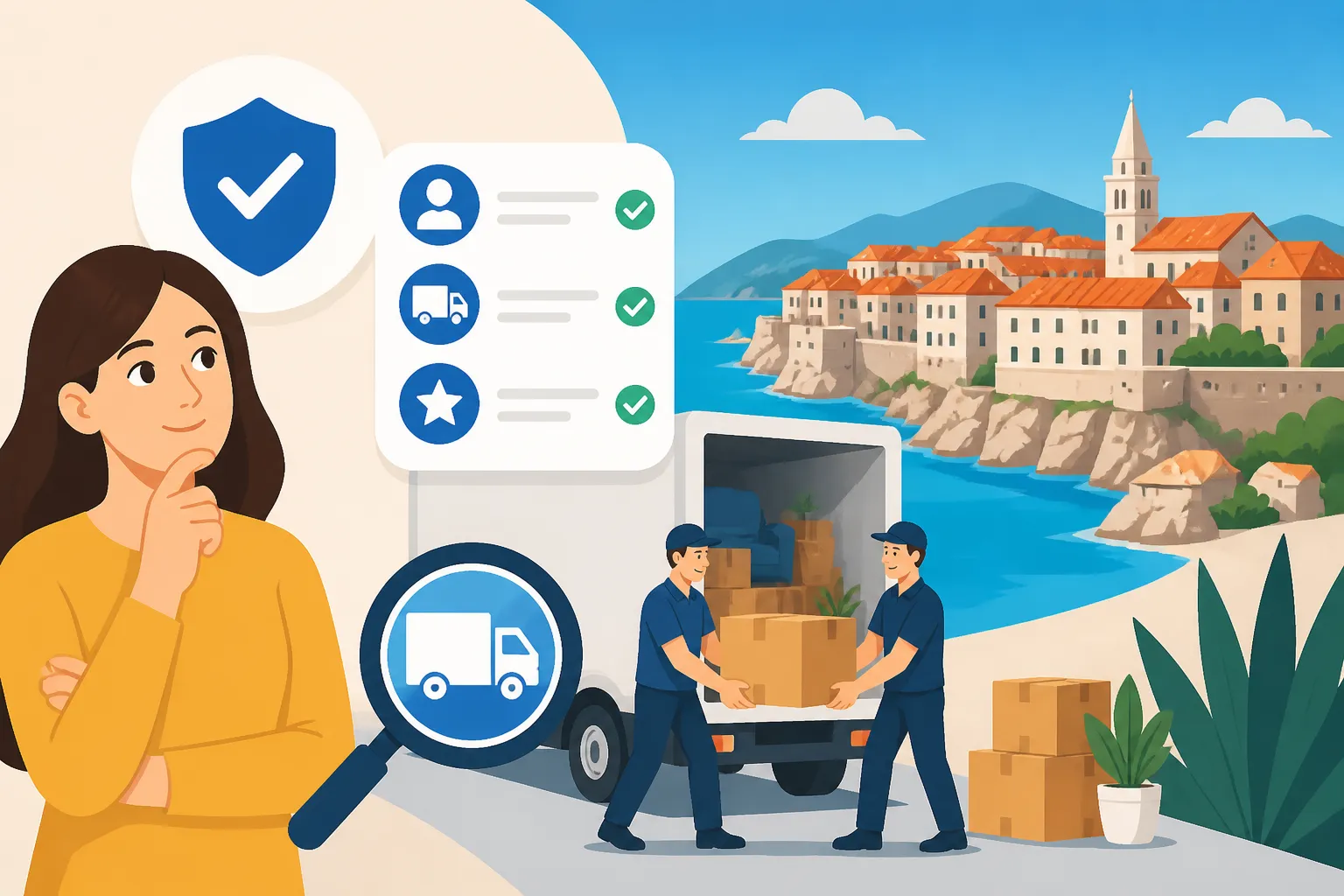
When it comes to entrusting your entire household to a company, "reliable" means more than just showing up on time. It encompasses a whole spectrum of professional standards, local knowledge, and customer service. As an expat who has seen it all, I can tell you that cutting corners here will almost certainly lead to headaches down the line.
Expertise and Experience with Croatia
This is, hands down, one of the most crucial factors. Many international moving companies operate globally, but how many truly understand the ins and outs of Croatia specifically? A company that regularly handles moves to and from Croatia will have established relationships with local agents, a deep understanding of the customs procedures (which can change!), and knowledge of the best shipping routes.
Ask potential movers about their specific experience with Croatia. How many shipments do they handle there annually? Do they have a local office or trusted partners in Croatia? A red flag might be a company that treats Croatia like just another European country without acknowledging its unique challenges, especially post-Schengen. This experience extends to knowing the best practices for The Complete Guide to Moving to Croatia: Your First 90 Days (2027), ensuring a smoother start to your new life. They should be able to confidently discuss customs for non-EU citizens, specific ports of entry, and potential delays due to local holidays or events.
Service Scope and Transparency
A reliable moving company offers a comprehensive suite of services, but more importantly, they are transparent about what's included and what's not. "Door-to-door" should genuinely mean from your old front door to your new front door, including all shipping, customs clearance, and local delivery. Always clarify if unpacking, debris removal, or specialized handling for delicate items are part of the standard quote.
Look for companies that provide a detailed, itemized quote. This breakdown should clearly show the cost of transportation, packing materials (if they're packing for you), customs brokerage fees, port charges, and any other surcharges. Hidden fees are a common source of frustration, so demand full transparency upfront. Be wary of quotes that seem too good to be true, as they often hide unexpected costs that will surprise you upon arrival. Remember, understanding these costs is part of your overall The Complete Guide to Cost of Living in Croatia for Expats (2026) planning.
Insurance and Damage Protection
Accidents happen, even with the most careful movers. This is why robust insurance is non-negotiable. Don't rely solely on the basic liability insurance that many movers offer, as it's often minimal and based on weight, not value. Imagine getting reimbursed €0.60 per kilogram for your antique dining table. It’s hardly comforting.
A truly reliable company will offer comprehensive transit insurance that covers the full replacement value of your goods. Read the policy carefully to understand what is covered (e.g., packing done by you vs. by the movers), what the deductibles are, and the claims process. Take detailed photos of your belongings before they're packed, and if the movers are doing the packing, ensure they provide a detailed inventory list that you both sign. This documentation is your best friend if you need to make a claim. Getting your items insured provides similar peace of mind to having comprehensive Health Insurance in Croatia: Mandatory, Supplementary and Private Options Explained once you're settled.
Navigating the Search and Vetting Process
Finding the right moving company isn't about picking the first one you see online. It requires diligent research, comparison, and a healthy dose of skepticism. You’re looking for a partner, not just a vendor, and the effort you put into the search now will pay dividends when your belongings arrive safely and smoothly.
Leveraging Online Platforms for Comparison
The internet is your best friend when starting your search. There are several online platforms dedicated to connecting individuals with international movers, and they can be invaluable tools for getting initial quotes and comparing services. A great example of such a platform is Sirelo, which allows you to submit your moving details and receive multiple quotes from various international moving companies. This helps you get a quick overview of pricing and services without having to contact each company individually.
However, don't just stop at getting quotes. Utilize these platforms to check reviews and ratings. Look for consistent feedback, both positive and negative, regarding moves to Croatia or similar complex destinations. While a few bad reviews can happen to anyone, a pattern of complaints about hidden fees, damaged goods, or poor communication is a major red flag. Always cross-reference reviews from different sources, such as Google Reviews or expat forums, to get a holistic picture.
Tapping into Expat Networks and Local Wisdom
Sometimes, the best advice comes from those who have already walked the path. Expat groups on social media platforms like Facebook (e.g., "Expats in Croatia," "Digital Nomads Croatia") are goldmines of real-world experiences and recommendations. Post a query asking for recommendations for moving companies that successfully handled their move to Croatia, and you'll often get a flood of honest opinions.
Be specific in your questions: Did they move from a non-EU country? Did they use full packing services? How was the customs process handled? People are often eager to share their positive (or negative!) experiences, which can save you a lot of guesswork. Personal referrals often carry more weight than anonymous online reviews because they come with a story and context. These community recommendations are akin to how many expats find The Expat Guide to Finding a Family Doctor (Obiteljski Liječnik) in Croatia—through trusted word-of-mouth. Just remember that what worked for one person might not be perfect for your specific situation, so always follow up with your own vetting.
The Art of Getting and Comparing Quotes
Once you have a shortlist of potential movers, it's time to get down to brass tacks. Don't just ask for a quote; demand a detailed estimate. Most reputable companies will insist on a video survey or an in-person visit (if possible) to accurately assess the volume of your belongings. This is crucial for avoiding unexpected charges later on.
When you receive quotes, compare them meticulously, not just on price. Look at what’s included in the price:
- Packing materials and labor: Is it full-service packing, or just transportation?
- Dismantling/Reassembly: Are they taking apart and putting back together furniture?
- Customs brokerage: Is this handled directly or do you need to hire a separate broker?
- Port/Terminal fees: These can add up quickly.
- Insurance: What level of coverage is included?
- Storage: Is there any free storage period, either at origin or destination?
- Delivery access: Have they accounted for potential access issues at your Croatian address?
Ask pointed questions: "Do you have local partners in Zagreb/Split/Dubrovnik? Who will be my point of contact throughout the process? What is your typical transit time to Croatia? What happens if there are customs delays?" A company that is confident and transparent in answering these questions is usually a good sign. Don't be afraid to push for clarity; it’s your money and your belongings at stake. The process should be as detailed and thorough as preparing documents for your The Complete Guide to Croatian Residence Permits for Expats (2027).
Your Role in Ensuring a Smooth Transition
While finding a reliable moving company is crucial, remember that you also play a significant role in making the move successful. Your preparation and understanding of the process can significantly reduce stress and prevent costly delays.
Streamlining Your Belongings and Inventory
The golden rule of international moving: less is always more. Every item adds to the weight, volume, and thus, the cost of your shipment. Before you even contact movers, embark on a ruthless decluttering mission. Sell, donate, or discard anything you haven't used in a year, or items that can be easily replaced in Croatia without excessive cost. Remember, you'll be setting up a new home, which might even involve How to Set Up Electricity (HEP) in Your Croatian Home and How to Set Up Water and Gas Connections in Croatia – you don't want to be doing that around clutter.
Create a detailed inventory list, even if the movers will do their own. This list should include categories, quantities, and a brief description of items in each box. For high-value items, note down their estimated replacement cost. This personal inventory serves multiple purposes: it helps you track your belongings, aids in customs declarations, and is essential for any insurance claims. The more organized you are, the smoother the customs process will be, as you can quickly confirm contents if asked.
Understanding Croatian Import Rules
Before you decide what to ship, make sure you understand what you can ship into Croatia. While personal effects are generally duty-free for those establishing residency, there are strict rules. For example, you typically cannot import commercial quantities of alcohol, tobacco, or certain types of food. There might also be restrictions on firearms, certain medications, or culturally sensitive items.
Even within personal effects, the definition of "used for at least six months" is important to note for customs. If you're bringing in brand-new electronics or furniture, be prepared to pay VAT and customs duties, even if they are for personal use. A reliable moving company will advise you on these specifics, but it's ultimately your responsibility to ensure you don't pack anything prohibited or fail to declare dutiable items. This foresight is similar to understanding your tax obligations when you first arrive, such as with Understanding Income Tax in Croatia: The Full Expat Guide. Always check the official Croatian customs website for the most up-to-date regulations.
Staying Connected and Prepared for the Unexpected
Even with the most meticulous planning and the most reliable company, international moves rarely go off without a hitch. Delays can happen due to weather, port congestion, customs inspections, or unforeseen logistical snags. Being prepared for these eventualities will significantly reduce your stress.
Ensure you have a communication plan with your moving company. Who do you contact for updates? How often will they proactively inform you? What’s the protocol if there’s a major delay? Having a clear point of contact and understanding their communication cadence is vital. While you wait for your belongings to arrive, you'll want to stay connected. Consider getting a temporary eSIM from a provider like Airalo upon arrival, so you have immediate mobile data to communicate with your movers, friends, and family, and access essential online resources before you set up a long-term local plan for How to Set Up Internet at Home in Croatia.
Finally, pack a "first essentials" kit that travels with you. This should include clothes for a few weeks, essential toiletries, important documents (passports, residence permits, OIB, copies of your moving contract and inventory), any critical medications, and chargers for your devices. This way, if your shipment is delayed, you're not left scrambling for basic necessities. A well-prepared expat is a happy expat, even when facing Croatian administrative quirks.
| Feature / Service | What to Look For | Why It Matters for Croatia | Potential Red Flags |
|---|---|---|---|
| Experience | Proven track record of moves to Croatia. | Familiarity with specific customs, geography (islands, narrow streets). | Treats Croatia like 'any' EU country; vague answers. |
| Customs Clearance | In-house or trusted local customs brokerage. | Handles complex paperwork for personal effects; advises on duty-free status. | Expects you to handle all customs; unclear on required documents. |
| Pricing Transparency | Detailed, itemized quote; no hidden fees. | All costs (shipping, port fees, customs, delivery) clearly outlined upfront. | Vague "all-inclusive" price without breakdown; low initial quote with many add-ons. |
| Insurance Options | Comprehensive (full replacement value) coverage. | Protects against loss/damage during long transit, multiple handling points. | Only offers basic liability (e.g., per kg); complex claims process. |
| Communication | Dedicated contact person; regular updates; responsive. | Crucial for tracking progress and addressing issues across time zones. | Slow responses; generic customer service; lack of proactivity. |
| Delivery Logistics | Expertise in last-mile delivery (e.g., smaller vehicles). | Navigating challenging Croatian addresses (old towns, islands, limited access). | Assumes standard large truck delivery for all locations. |
| Reviews & References | Positive, specific feedback from other Croatia expats. | Validates their actual performance in the unique Croatian context. | Generic reviews; no specific testimonials for Croatia moves. |
Disclaimer
Please note that while this guide provides extensive information based on expat experiences and general knowledge, administrative procedures and regulations in Croatia can change. It is always recommended to verify the latest requirements with official Croatian government sources, such as the Ministry of the Interior (MUP) and the Croatian Customs Administration, or consult with a qualified legal or immigration professional for advice tailored to your specific situation.