How to Set Up Water and Gas Connections in Croatia
One of the most daunting tasks when settling into a new country like Croatia is getting your basic household utilities sorted. The process can feel like a bureaucratic labyrinth, especially when dealing with language barriers and unfamiliar systems, making you feel completely lost just trying to get water and gas flowing in your new home. This guide is here to untangle the complexities, offering a realistic, step-by-step walkthrough for expats on how to set up or transfer your water and gas connections in Croatia.
Understanding the Croatian Utility Landscape
Before we dive into the nitty-gritty, it's crucial to grasp that Croatia's utility sector isn't always as streamlined as you might be used to back home. Unlike some countries with a handful of national providers, Croatia often operates on a more localized system, particularly for water. Gas, on the other hand, might have larger regional players but still requires understanding the local nuances. This fragmented approach means that while the general steps are similar, the specific company names and even the exact forms might differ slightly depending on where you've decided to put down roots, be it Zagreb, Split, Dubrovnik, or a quieter village.
The Key Players: Water and Gas Providers
When it comes to water, you'll almost certainly be dealing with a municipal or city-level company. In Zagreb, for example, the main provider is Vodoopskrba i odvodnja Zagreb, often simply referred to as "Vodovod." In Split, it's Vodovod i kanalizacija Split, and so on. These companies are responsible for both supplying potable water and managing wastewater. Your landlord or real estate agent should be able to tell you exactly which local company serves your specific address, which is invaluable information when you're just starting out.
For gas, the situation is a bit more centralized but still has regional variations. The dominant player for natural gas distribution in many parts of Croatia is HEP Plin, which is part of the national Croatian Electricity Company (HEP Group). However, large cities like Zagreb have their own independent distributors, such as Gradska Plinara Zagreb. If your property uses bottled gas (LPG), often common in areas not connected to the natural gas grid, you'll be dealing with private companies like Ina, Proplin, or butan plin, which deliver cylinders to your home. It’s important to clarify which type of gas connection your new Croatian home has, as the setup process will differ significantly.
Essential Documents You'll Need
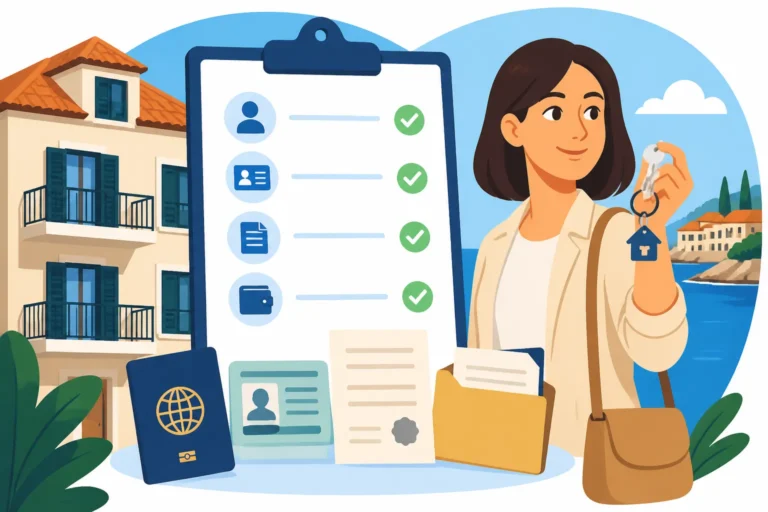
This is where the infamous Croatian bureaucracy usually makes its first appearance. To connect or transfer utilities, you'll need to arm yourself with a few key documents. Don't be surprised if they ask for something you didn't anticipate – always better to have more than less. The absolute must-haves generally include your OIB (Personal Identification Number), which is Croatia's equivalent of a tax ID and is critical for almost all administrative tasks. You'll also need proof of ownership or a valid rental agreement. For tenants, this means having your registered rental lease with the Croatian Tax Administration (Porezna Uprava) clearly stating your name and the property address.
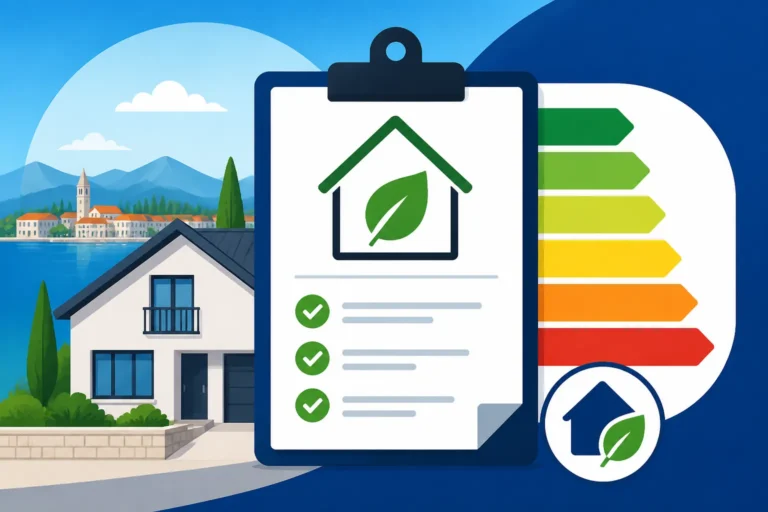
Other documents often requested include a copy of your passport or ID card, and sometimes, especially for new connections or significant changes, an energy certificate for the property. This certificate, known as Energetski certifikat, specifies the energy efficiency of the building. Your landlord or the property owner should provide this. When you are just arriving in the country and trying to find your feet, having a reliable way to communicate is key. While you're waiting for your home internet to be connected, a good eSIM from a provider like Airalo can be a lifesaver for managing these initial utility contacts and translations on the go.
Here's a quick overview of what you'll typically need:
| Document | Purpose | Notes |
|---|---|---|
| OIB | Personal identification for all official transactions | Essential for contracts, taxes, and utilities. |
| Passport/ID Card | Proof of identity | Copy of main photo page. |
| Proof of Residence/Ownership | Validates your right to connect utilities | Rental contract (registered with Porezna Uprava) or Title Deed (Vlasnički List). |
| Energy Certificate | For certain new connections or property transfers | Provided by landlord/seller; shows energy efficiency. |
| Previous Meter Readings | To establish starting point for billing | Crucial for seamless transfer, often provided by landlord/seller. |
| Bank Account Details | For setting up direct debits or recurring payments | Your Croatian IBAN for bill payment. |
Connecting to the Water Supply
Getting the water flowing is usually one of the first things you tackle, and thankfully, it's often a bit simpler than gas, especially if you're taking over an existing connection. However, moving into a brand-new build or a property where utilities have been completely cut off presents a different set of challenges.
Transferring an Existing Water Connection
For most expats, you'll be moving into a property that already has an active water connection. The process here is typically a transfer of the existing contract from the previous owner or tenant to your name. Your first step is to identify the local water utility company for your area. As mentioned, this will be something like Vodoopskrba i odvodnja Zagreb or Vodovod i kanalizacija Split. Once you know the provider, you'll need to contact them directly.
Most companies prefer you to visit their local office in person, especially for initial setup, as they'll want to verify your documents. Bring your OIB, passport, and the registered rental agreement. It's incredibly helpful if you have the last water bill from the previous occupant; this will contain the meter number and the customer account number, making the transfer process much smoother. If you don't have it, your landlord should provide it. You'll fill out a form to request the change of name on the contract. It's often helpful to have a Croatian speaker with you, or at least have a translation app ready, as English support can be hit or miss.
Establishing a Brand-New Water Connection
If you're building a new home or moving into a property that has never been connected to the municipal water supply, the process is considerably more involved. This isn't a simple name change; it's an application for a completely new connection. You'll need to submit a formal request to the local water utility, often accompanied by architectural plans of the property, proof of ownership (like your Vlasnički List), and a building permit. The utility company will then assess the feasibility and provide a quote for the connection fees, which can vary widely based on your location and the required infrastructure work.
This process can take several weeks, if not months, due to necessary inspections, trenching, and installation work. It's best to start this as early as possible in your building or renovation project. Once the connection is physically made, a meter will be installed, and you'll then sign a contract for ongoing service, much like transferring an existing one. For comprehensive details on registering your residence, which is tied to all utility connections, refer to our guide on Registering Your Residence in Croatia: The Complete MUP Guide.
Connecting to the Gas Supply
Gas connections, especially natural gas, can be a bit more complex than water due to safety regulations and the varying types of gas available. Whether you're dealing with a piped natural gas system or relying on bottled gas, understanding the specifics is key.
Natural Gas Connections
For properties connected to the natural gas grid, you'll primarily be dealing with either HEP Plin or a municipal provider like Gradska Plinara Zagreb. Similar to water, the easiest scenario is transferring an existing connection. You'll need to visit their local office, armed with your OIB, passport, and rental agreement. Again, having a previous gas bill or the meter number and customer account from the former tenant/owner is extremely helpful. You'll fill out a transfer form, and usually, within a few business days, the account will be updated in your name.
If you're initiating a new natural gas connection for a property that was previously unconnected or had its service terminated, it’s a more elaborate procedure. You’ll need to contact the relevant gas distributor in your area and apply for a connection. This will involve technical inspections of your internal gas installations, often requiring a certified gas technician (plinara) to issue a certificate of compliance. The gas company will then provide a quote for the connection, and once paid, they will schedule the installation and activation of the meter. This process is heavily regulated for safety reasons and can take time, so patience is a virtue.
Bottled Gas (LPG) Options
In many rural areas, or even some urban apartments that aren't hooked up to the natural gas network, you might use bottled gas (LPG) for cooking or heating. This is a much simpler setup. You'll purchase gas cylinders from a provider like Ina, Proplin, or local gas stations. These cylinders usually come in 10kg or 35kg sizes. You pay for the gas upfront, and when a cylinder is empty, you simply exchange it for a full one. You might need a gas regulator and hoses for your appliances, which are typically purchased once.
While more straightforward, it does mean you need to monitor your gas levels and arrange for replacements. Some providers offer delivery services, where they bring full cylinders to your home and take away the empties. This can be very convenient, especially if you don't have a car. It's a completely different system from piped gas and doesn't involve setting up a "connection" in the bureaucratic sense; it's more of a supply arrangement. If you're coordinating a move and need to arrange for these logistics while still abroad, a platform like Sirelo can help you find reliable international movers who understand these varied local considerations.
Dealing with Utility Companies and Bureaucracy
Navigating the administrative side of Croatian utilities can test the patience of even the most seasoned expat. From language barriers to sometimes less-than-modern processes, it pays to be prepared and persistent.
Customer Service and Language Barriers
Let's be honest: while some larger cities and central offices might have English-speaking staff, don't count on it as a given. Many local utility offices operate primarily in Croatian. This is where a good translation app comes in handy, or better yet, a Croatian-speaking friend or colleague to accompany you. They can help clarify questions, fill out forms, and generally act as a buffer against potential misunderstandings.
Be prepared for different levels of digital integration. Some utility companies are moving towards online portals and e-mail communication, but others still heavily rely on traditional mail and in-person visits. Always ask if there's an English version of forms or information available, but don't be disappointed if there isn't. When dealing with calls, remember that calling numbers like the general information lines for specific companies can sometimes be more efficient than going to a smaller local branch if you have basic inquiries.
Understanding Your Utility Bills
Once connected, you'll start receiving your bills. These will typically arrive by post, though many companies now offer e-bills (e-račun) or access to your bills through an online portal. Croatian utility bills can look a bit intimidating at first, full of acronyms and numbers. Generally, you'll see your consumption (often in cubic meters for water and gas), the unit price, and then various taxes and fees, including VAT (PDV).
There will also be a payment slip attached (uplatnica) that you can use to pay your bill. Payment methods are quite flexible in Croatia. You can pay:
- At the Post Office (Hrvatska Pošta): A very common method, bring your uplatnica.
- At a Bank: Most banks will process utility payments, usually with a small fee.
- At FINA: Financial Agency offices (Financijska agencija) are another popular place to pay bills.
- Online Banking: If you've set up online banking with a Croatian bank, this is often the most convenient option, allowing you to pay directly using the details on the uplatnica. Our guide on The Expat Guide to Opening a Bank Account in Croatia can help you get started with this.
- Direct Debit (Trajni nalog): Many utility companies allow you to set up a direct debit from your Croatian bank account, which is ideal for ensuring you never miss a payment. This is often the recommended long-term solution for convenience.
Meter Readings and Consumption
Water and gas meters are usually read periodically by utility company employees. However, some companies might ask you to submit your meter readings yourself, especially for gas. You might receive a card in the mail or a notification via SMS or email with a specific timeframe to submit your readings. These can often be submitted online via a portal or by calling a dedicated phone number. Failing to submit a reading could result in an estimated bill, which might be higher or lower than your actual consumption, so it's best to comply with these requests.
Potential Challenges and Troubleshooting
Even with all the preparation, things can still go awry. It's just part of the expat experience! Knowing what to expect and how to troubleshoot common issues can save you a lot of stress.
Delays and Unexpected Hurdles
Bureaucracy in Croatia can be slow, and utility connections are no exception. Don't be surprised if a new connection takes longer than initially estimated. Documents might be requested that you didn't think were necessary, or processing times might simply be longer than you're used to. Always ask for an estimated timeframe, and if things seem to be dragging, follow up politely but persistently. Keep copies of all documents you submit and note down the names of people you speak with and the dates.
A common hurdle for renters is if the previous tenant left unpaid bills. While Croatian law generally states that the new tenant isn't responsible for previous debts, utility companies might still put pressure on you. Ensure your rental contract explicitly states that the landlord is responsible for any outstanding debts prior to your tenancy. Always take a photo of the meter readings on the day you move in and again on the day you move out to avoid disputes.
Dealing with Disconnections or Malfunctions
If your water or gas suddenly stops working, your first step should be to check if it's a general outage in your area or specific to your property. Ask neighbors if they are experiencing similar issues. If it's just your property, check your internal systems first (e.g., is the main water valve open? Is the gas valve to your appliance on?).
If you suspect a problem with the main supply or your meter, contact your utility provider's emergency or technical support line. These numbers are usually listed prominently on your bills or their website. Be prepared to explain the issue in Croatian, or have a translator ready. For gas issues, especially leaks, treat it as an emergency: turn off the main gas valve (if safe to do so), open windows, and call the gas company's emergency number immediately. These services usually operate 24/7. Our guide on Emergency Medical Care in Croatia: What Every Expat Needs to Know also touches on general emergency protocols, which can be useful.
Moving Out: Disconnecting or Transferring Again
When it's time to move on, whether to another property in Croatia or leaving the country entirely, you'll need to formally close or transfer your utility accounts. This involves contacting the water and gas companies, providing your final meter readings, and settling any outstanding bills. If another tenant is moving in immediately, you might be able to facilitate a direct transfer to their name, which is often the smoothest option.
If you're disconnecting completely, make sure to get a final bill and confirmation that your account is closed and paid in full. This prevents any future charges or issues. Remember to update your address for final correspondence if you're moving elsewhere. It’s always good practice to keep records of these final interactions, just in case.
Costs and Ongoing Management of Utilities
Understanding the financial aspect of utilities in Croatia is important for budgeting and managing your household expenses effectively.
Connection Fees and Deposits
For new connections, especially for natural gas or if significant infrastructure work is required, there will almost certainly be connection fees. These are one-time costs to bring the utility service to your property and install the meter. The exact amount can vary significantly based on the complexity of the installation and the local regulations. It's always best to get a written quote from the utility company before committing.
While less common for standard transfers, some landlords might require a deposit for utilities, though this is usually part of the overall rental deposit rather than a direct utility company requirement. The utility companies themselves generally don't ask for a deposit for existing connections. Our comprehensive overview on The Complete Guide to Cost of Living in Croatia for Expats (2026) delves into how these utility costs fit into your overall budget.
Average Monthly Costs for Water and Gas
The cost of water and gas in Croatia can vary depending on your consumption habits, the size of your household, and the region you live in. Generally, water bills include a fixed charge and a variable charge based on consumption (per cubic meter), often with separate rates for water supply and wastewater removal. Gas bills are also typically calculated based on cubic meters consumed, with additional fixed fees and taxes.
For a typical expat household (1-2 people) in a city apartment, you might expect water bills to range from €20-€50 per month. Gas bills can fluctuate much more dramatically depending on whether you use gas for heating and how cold the winter gets. If you rely on natural gas for heating, expect significantly higher bills during the colder months (€50-€150+), whereas if it's only for cooking and hot water, it might be closer to €15-€40. These figures are estimates, of course, and actual costs can differ. Knowing How Much Does It Cost to Heat an Apartment in Croatia in Winter? can also give you a more granular understanding.
Efficient Usage and Saving Tips
Being mindful of your water and gas consumption can help keep your bills in check. Simple habits like taking shorter showers, fixing leaky faucets, and running dishwashers and washing machines only when full can make a difference. For gas, ensuring your heating system is efficient, insulating windows and doors, and turning down the thermostat when you're out can lead to significant savings.
Consider investing in energy-efficient appliances if you own your property. Many Croatian homes have older appliances, and upgrading them can reduce your long-term utility expenses. Keep an eye on your meter readings regularly, even if the company doesn't require monthly submissions, to monitor your usage and identify any unexpected spikes that could indicate a problem or inefficient habits. You can also explore options like How to Set Up Electricity (HEP) in Your Croatian Home to understand the full spectrum of utility costs.
Final Thoughts on Croatian Utilities
Setting up water and gas connections in Croatia, like many administrative tasks here, requires a good dose of patience, persistence, and a willingness to navigate local systems. It’s a rite of passage for every expat. While it can feel overwhelming at first, especially when facing language barriers or unfamiliar processes, remember that thousands of expats have successfully done it before you.
Always start by gathering your essential documents like your OIB and rental agreement. Don't be afraid to ask your landlord or real estate agent for help – they often have experience with these procedures. If you're a new arrival, consider seeking assistance from local expat groups or community forums, where people are usually happy to share their experiences and tips. Taking it one step at a time, and celebrating each successful connection, will make the process much more manageable. For general guidance on managing your life in Croatia, our guide on The Complete Guide to Moving to Croatia: Your First 90 Days (2027) is a fantastic resource.
Disclaimer
The information provided in this guide is for general informational purposes only and does not constitute legal, financial, or professional advice. While we strive to keep the information up-to-date and accurate, utility procedures and regulations in Croatia can change. Always consult with the relevant utility providers or local authorities for the most current and specific requirements for your situation.