Understanding Home Insurance Options in Croatia
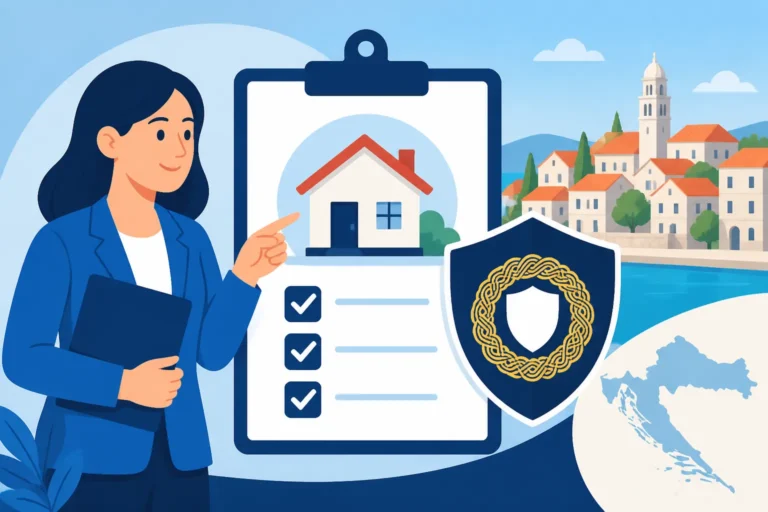
Moving to Croatia is a dream come true for many, with its stunning coastlines, rich history, and laid-back Mediterranean vibe. But once the honeymoon phase wears off and you're settled into your new Croatian abode, whether rented or owned, a new set of very real anxieties often bubbles to the surface: what happens if something goes wrong? From the unforeseen leak in your ceiling to a more serious natural disaster, understanding home insurance options in Croatia is absolutely crucial for protecting your investment and, more importantly, your peace of mind. This comprehensive guide will walk you through the ins and outs of securing your Croatian home, helping you navigate the local system with confidence.
Why Home Insurance is a Non-Negotiable in Croatia
Let's be honest, insurance often feels like a tedious obligation, another bureaucratic hoop to jump through in a foreign country. And believe me, I get it – the sheer volume of paperwork and the language barriers involved in setting up life here can be exhausting. But when it comes to your home, thinking of insurance as merely an annoyance is a huge mistake. Croatia, beautiful as it is, is not immune to unexpected events, and having proper coverage can be the difference between a minor setback and a financial catastrophe.
Protecting Your Investment, Big or Small
Whether you've just signed a lease for a charming apartment in Split or finally realized your dream of buying a stone house in Istria, your home is likely one of your most significant assets, or at least a significant portion of your monthly budget. Imagine investing your hard-earned money and time into creating your new sanctuary, only for it to be damaged by a burst pipe, a fire, or even a break-in. Without insurance, you're left to cover all repair costs out of pocket, which can quickly spiral into tens of thousands of euros. This is particularly true for those who have just gone through the complex process of buying property in Croatia as a foreigner, where every penny counts.
For renters, while your landlord is typically responsible for insuring the building itself, your personal belongings are entirely your responsibility. Think about your furniture, electronics, clothing, and sentimental items. A fire or flood could wipe out years of accumulated possessions in an instant. A good household insurance policy covers these items, offering you a financial safety net to replace what's lost, alleviating the crushing burden of starting completely from scratch. When you first arrive and are trying to figure out the logistics of moving to Croatia, it's easy to overlook these details, but they truly matter.
Mitigating Risks Unique to Croatia
Croatia, despite its idyllic appearance, faces certain geographical and environmental risks that make home insurance particularly vital. Earthquakes, though infrequent, are a very real concern, especially in regions like Zagreb and central Croatia, which have experienced significant seismic activity in recent years. Coastal areas are susceptible to severe storms, high winds (the famous bura can be fierce!), and even localized flooding, particularly during heavy rainfall seasons.
Beyond natural phenomena, there are other risks to consider. Property crime, while generally low, does occur, and a robust insurance policy can cover theft or vandalism. Accidental damage, like a kitchen fire or an overflowing washing machine, is also a common occurrence that can lead to significant repair bills. For new expats, navigating these risks in an unfamiliar environment can be daunting. You're already juggling so much – securing your residence permit, finding a family doctor, and simply learning where to buy decent kruh. Adding financial vulnerability from an uninsured home simply isn't worth it.
Demystifying Home Insurance Types in Croatia
When you first dive into the world of Croatian home insurance, you'll encounter a couple of main terms that are often used interchangeably, but they actually refer to distinct types of coverage: osiguranje imovine (property insurance) and osiguranje kućanstva (household insurance). Understanding the difference is key to getting the right protection for your specific situation.
Property Insurance (Osiguranje Imovine)
This type of insurance primarily covers the physical structure of your home, often referred to as the "building" or "dwelling." Think of the walls, roof, foundations, windows, doors, and any built-in fixtures like plumbing, electrical wiring, and fitted kitchens. It's designed to protect the integrity of the property itself from a range of perils. If you own your home, this is absolutely essential.
Property insurance usually covers damage from events such as fire, lightning, explosions, storms, hail, floods (though specific flood coverage might be an add-on), and even seismic activity. It's the policy that would kick in if a strong bura ripped off part of your roof, or if an electrical fault caused a fire that damaged the structure of your house. For those looking at how to buy property in Croatia as a foreigner, this will be a mandatory requirement from any bank offering a mortgage, and even if you're buying outright, it's a non-negotiable step to protect your significant investment. This policy ensures that the very shell of your home, the place you worked so hard to acquire, is safe from the worst-case scenarios.
Household Insurance (Osiguranje Kućanstva)
Household insurance, on the other hand, focuses on your personal belongings inside the home. This is your furniture, electronics (TVs, laptops, appliances), clothing, jewellery, books, kitchenware – essentially anything that isn't permanently fixed to the building and would theoretically move with you if you packed up and left. It’s what protects your personal world within those four walls.
This type of insurance is crucial for both homeowners and renters. As a renter, your landlord's property insurance will cover the building, but it will not cover your personal possessions. If you're renting an apartment in Croatia and a fire breaks out, the landlord’s policy will pay to rebuild the apartment, but your prized art collection or expensive camera gear would be uninsured without your own household policy. Household insurance also typically covers theft, vandalism, and damage from common perils like fire and water leakage. Some policies even include coverage for accidental damage to your own items or even third-party liability if someone is injured in your home. It’s a broader protective blanket for the stuff that makes your house a home.
Key Coverage Options and What They Mean
Navigating the jargon of insurance policies can feel like trying to understand Croatian grammar on day one – completely overwhelming. Let's break down the common types of coverage you'll find in Croatian home insurance policies so you know exactly what you're getting.
Basic Perils (Osnovne Opasnosti)
This is your foundation. Most standard home insurance policies in Croatia will include coverage for what are considered "basic perils." These typically encompass:
- Fire and Lightning (Požar i Udar Munje): This is self-explanatory, covering damage caused directly by fire or lightning strikes.
- Explosion (Eksplozija): Protection against damage from internal or external explosions.
- Storm and Hail (Oluja i Tuča): Covers damage caused by high winds (often above a certain speed threshold) and hailstones.
- Aircraft Impact (Pad Zračne Letjelice): Less common, but it covers damage if an aircraft or parts of it fall onto your property.
- Impact of Motor Vehicles (Udar Motornog Vozila): Covers damage if a vehicle, not belonging to you, impacts your home.
- Manifestations and Demonstrations (Manifestacije i Demonstracije): Damage caused by riots or public disturbances.
These basic coverages are usually bundled together, providing a fundamental layer of protection. However, it's crucial to read the fine print regarding specific definitions, such as what constitutes a "storm" or the precise conditions under which a peril is covered.
Extended Coverage Options (Dopunske Pokrića)
This is where you start tailoring your policy to your specific needs and local risks. Many insurance providers in Croatia, such as Allianz, Croatia Osiguranje, and Generali, offer a wide array of extended coverages that you can add to your basic policy for an additional premium. These can significantly enhance your protection.
| Coverage Type | Croatian Term (Approx.) | What it Covers | Why it's Important in Croatia |
|---|---|---|---|
| Flood | Poplava | Damage from overflowing bodies of water, heavy rain, or burst pipes. | Coastal areas and regions near rivers can be susceptible to heavy rainfall and flash floods. |
| Earthquake | Potres | Damage to the structure and contents caused by seismic activity. | Croatia, especially central regions like Zagreb, has a history of significant earthquakes. |
| Theft and Burglary | Provalna Krađa i Razbojništvo | Loss or damage due to forced entry (burglary) or robbery. | Protects your valuables, especially important if you travel frequently or own high-value items. |
| Water Damage | Izljev Vode | Damage from burst pipes, leaking appliances, or overflowing sanitary ware. | Common issue in older buildings with outdated plumbing, and even newer ones due to accidents. |
| Liability (Third Party) | Odgovornost prema Trećima | Damage or injury to third parties or their property that occurs in your home. | If a visitor slips and breaks a bone, or your washing machine leaks and damages a downstairs neighbor's apartment. |
| Glass Breakage | Lom Stakla | Accidental breakage of windows, mirrors, or glass surfaces. | Can be useful for homes with large glass areas or older, more fragile windows. |
| Assistance Services | Usluge Pomoći | Emergency locksmith, plumber, electrician services. | Invaluable for quick, professional help, especially if you're not fluent in Croatian or don't have local contacts. |
When you're comparing quotes, pay close attention to these add-ons. For instance, given Croatia's seismic history, earthquake insurance (potres) is almost universally recommended, especially in high-risk zones. Similarly, with the extreme weather patterns we've seen lately, robust flood and storm coverage is increasingly vital. Don't just tick boxes; consider your property's location, age, and your lifestyle.
Choosing the Right Policy and Provider in Croatia
Finding the "best" home insurance policy in Croatia isn't about picking the cheapest option; it's about finding the right balance between coverage, cost, and a reliable insurer. This is one area where a little research and a lot of patience will truly pay off.
Comparing Insurance Companies
Croatia has several reputable insurance companies that offer home insurance. The largest and most established players include Croatia Osiguranje, Allianz Hrvatska, Generali Osiguranje, Wiener Osiguranje, and Uniqa Osiguranje. Each of these companies has a strong presence, multiple branch offices, and often offers online quotes and policy management.
When comparing providers, consider more than just the premium. Look at their reputation for claims handling – are they known for being fair and efficient, or do expats often report frustrating delays? Check if they offer policies in English or if they have English-speaking agents, which can be a huge relief during the application process or, heaven forbid, when making a claim. You can often find reviews or expat forums discussing experiences with specific insurers, which can provide invaluable anecdotal evidence. Also, inquire about any loyalty programs or discounts if you plan to bundle other insurance types, like car or travel insurance, with the same provider.
Factors Affecting Your Premium
The cost of your home insurance premium isn't arbitrary; it's calculated based on several factors, some within your control and some not.
- Property Value and Size: Larger, more expensive properties naturally cost more to insure because the potential payout in case of damage is higher. The estimated replacement cost of your home and its contents is a primary driver.
- Location: Where your property is situated significantly impacts the risk assessment. A home in a high-risk flood zone or a historically earthquake-prone area will likely have higher premiums for relevant coverage. Urban centers might have different theft risk profiles than remote villages.
- Construction Type and Age: The materials your home is built from (e.g., stone, brick, wood) and its age play a role. Older homes, especially those with original plumbing or electrical systems, might pose higher risks for certain perils like water damage or fire. Newer, modern construction often benefits from lower rates.
- Security Features: Installing security systems, reinforced doors, or even living in a gated community can sometimes lead to discounts. Be sure to mention any such features when getting a quote.
- Deductibles (Franšiza): This is the amount you agree to pay out of pocket before your insurance coverage kicks in. Opting for a higher deductible will generally lower your premium, but means you'll pay more upfront in case of a claim. It's a balancing act: what's your comfortable out-of-pocket threshold?
- Coverage Limits and Add-ons: The more extensive your coverage and the higher your limits for payouts, the higher your premium will be. Adding earthquake, flood, or comprehensive liability will increase the cost, but also your protection.
When you're requesting quotes, be as detailed as possible about your property and your needs. Don't be shy about asking questions and clarifying terms in Croatian or English. It’s also wise to get multiple quotes, usually three or four, to compare not just prices but also the scope of coverage offered by different companies. Remember, you're looking for value, not just the lowest number.
The Claims Process: What to Do When Something Goes Wrong
So, you've done your due diligence, chosen a policy, and your home is insured. Fantastic! But what happens if the worst actually occurs? The claims process can be intimidating, especially in a foreign country, but understanding the steps in advance can make a stressful situation much more manageable.
Immediate Steps After an Incident
The very first thing you need to do after an incident, once safety is ensured, is to take immediate action to prevent further damage. This could mean turning off the main water supply if a pipe bursts, or disconnecting electricity in case of a fire. Then, contact the relevant emergency services if necessary: call 112 for general emergencies, 193 for fire, or 192 for police. Even if you're not fluent in Croatian, emergency operators often have English speakers available. Having a reliable way to communicate quickly, perhaps with a local SIM or an eSIM like Airalo, is really important here.
Once the immediate danger is handled, document everything. Take photos and videos of the damage from multiple angles. Don't throw anything away, even if it seems completely ruined, until your insurer tells you it's okay. Make a detailed list of damaged or missing items. If it's a theft, you absolutely must file a police report (policijski izvještaj) immediately, as your insurance company will require this. Keep all receipts for any emergency repairs you undertake to prevent further damage – your policy might reimburse these.
Notifying Your Insurance Company and Submitting a Claim
As soon as reasonably possible after the incident (and usually within a specified timeframe outlined in your policy, often 3-7 days), you need to officially notify your insurance company of the claim. This is typically done by phone, through their online portal, or by visiting a local branch office. They will provide you with a claim form (obrazac za prijavu štete) to fill out.
You'll need to submit this form along with all your documentation: photos, videos, police reports (if applicable), and any repair estimates you've managed to obtain. The insurance company will then assign an assessor (procjenitelj štete) to inspect the damage. This person will evaluate the extent of the loss and determine what is covered under your policy. It’s important to be present during this inspection if possible and to clearly explain what happened. If you have any difficulties with language, consider bringing a Croatian-speaking friend or engaging a professional translator. Be prepared for some back-and-forth, and don't be afraid to ask for clarification if something isn't clear. This part of the process requires patience, but persistent and clear communication is key to a successful outcome.
Cost Factors and How to Save Money on Home Insurance
Let's face it, nobody wants to pay more than they have to for insurance. While the peace of mind is invaluable, finding ways to make your home insurance more affordable in Croatia is a smart move. There are several strategies you can employ to potentially reduce your premium without compromising essential coverage.
Smart Ways to Lower Your Premium
You've already learned about the factors that influence your premium, but let's dive into actionable steps you can take to make those factors work in your favour.
- Increase Your Deductible (Franšiza): As mentioned, choosing a higher deductible means you agree to pay more out-of-pocket when you make a claim. In return, the insurance company takes on less immediate risk, which often translates to a lower annual premium. This is a good option if you have a solid emergency fund and are confident you can cover a larger initial expense should something happen. Just make sure the deductible amount is something you could comfortably afford without stress.
- Bundle Policies: Many Croatian insurance companies offer discounts if you purchase multiple policies from them. For example, if you already have car insurance, life insurance, or supplementary health insurance (dopunsko zdravstveno osiguranje) with a particular provider, ask if they offer a discount for adding home insurance. This can be a significant saving and also simplifies your administrative life by having all your insurance in one place.
- Improve Home Security: Investing in security measures can not only make your home safer but also reduce your insurance premium. This could include installing an alarm system (connected to a security service), sturdy locks on all windows and doors, or even security cameras. Always inform your insurer about these improvements, as they might qualify you for a discount.
- Maintain Your Property: A well-maintained property is less prone to certain types of damage. Regularly checking and cleaning gutters, inspecting your roof for loose tiles, ensuring plumbing is in good order, and proactively addressing any minor issues can prevent them from escalating into major insurance claims. Some insurers might offer incentives for proactive maintenance, or at least it shows due diligence on your part.
- Review Your Coverage Annually: Your insurance needs can change over time. Perhaps you’ve renovated, acquired new valuable items, or your lifestyle has shifted. Conversely, maybe you're over-insured in certain areas. Take the time each year to review your policy with your agent. Ensure your coverage accurately reflects the current value of your home and belongings, and remove any riders that are no longer relevant. This prevents you from paying for coverage you don't need.
Understanding the Fine Print: Exclusions and Limitations
Even the best insurance policy isn't a magical shield that covers absolutely everything. It’s critical to understand the exclusions and limitations that come with your home insurance in Croatia. These are the specific circumstances or types of damage that your policy will not cover.
Common exclusions often include:
- Wear and Tear / Gradual Deterioration: Damage that occurs slowly over time due to normal use, lack of maintenance, or age (e.g., rusty pipes, faded paint, leaky roof from old age). Insurance covers sudden, accidental damage, not ongoing neglect.
- Pest Infestations: Damage caused by insects, rodents, or other pests is typically not covered.
- Poor Workmanship or Faulty Design: If a part of your home was built poorly or designed incorrectly, and this leads to damage, your insurance might deny the claim.
- Intentional Damage: Damage caused intentionally by you or a member of your household.
- War or Terrorism: Acts of war or terrorism are almost universally excluded.
- Unoccupied Property: If your home is left unoccupied for an extended period (often 30-60 days, depending on the policy), certain coverages might be voided or severely limited unless you've specifically arranged for unoccupied property insurance. This is particularly relevant for those who own vacation homes or travel extensively.
- Specific High-Value Items: Very high-value items like extensive jewellery collections, rare art, or antique firearms might have sub-limits within a standard household policy or require separate, specialized insurance.
Always ask your agent to walk you through the exclusions and limitations in detail, especially if you have a unique property or specific concerns. Don't be afraid to ask for explanations in simple terms if the legal Croatian is too complex. Being fully aware of what is and isn't covered will prevent nasty surprises down the line and ensure you have realistic expectations of your policy's capabilities. If you're arranging a move with services like those found on Sirelo, you might also want to confirm their insurance coverage for your belongings during transit, as this is separate from your home insurance.
Final Thoughts: Securing Your Croatian Home
As an expat, securing your home with the right insurance in Croatia might seem like another item on an endless to-do list, especially when you're still figuring out how to get your OIB or navigating the intricacies of the Croatian Health Insurance Fund (HZZO). But trust me, taking the time to understand your options, compare policies, and ensure you have adequate coverage is one of the smartest decisions you can make. It’s an investment in your peace of mind, allowing you to truly relax and enjoy your wonderful new life in Croatia without constant worry about the unforeseen. Don't leave your most important asset vulnerable; protect your Croatian dream with the right home insurance.
Disclaimer
The information provided in this guide is intended for general informational purposes only and does not constitute legal, financial, or insurance advice. While we strive to keep the information accurate and up-to-date, regulations and procedures in Croatia can change. It is essential to consult with qualified legal, financial, or insurance professionals for advice tailored to your specific situation. We are not responsible for any actions taken based on the information presented herein.