Understanding the e-Recept (E-Prescription) System in Croatia
Moving to a new country like Croatia is an adventure, but let's be honest, navigating a new healthcare system can feel like trying to decipher an ancient map written in a language you barely understand. One of the most common anxieties for expats is figuring out how to get their medications. Thankfully, Croatia has a fantastic digital system called e-Recept, or e-prescription, which streamlines this process significantly. This guide will walk you through everything you need to know, from how it works to how your insurance fits in, making your pharmacy visits a breeze.
What Exactly Is the e-Recept System?
When you first hear "e-prescription," you might imagine some complicated tech hurdle, but in Croatia, it's actually designed to make your life easier. It's the standard, mandatory system for issuing and dispensing medications within the public healthcare framework, managed by the Croatian Health Insurance Fund (HZZO). Forget paper slips that can get lost or misread; e-Recept ensures that your prescribed medicines are communicated digitally and securely from your doctor directly to the pharmacy network.
The Digital Transformation of Croatian Healthcare
Croatia has made significant strides in modernizing its public health system, and the e-Recept system is a prime example of this digital push. It was introduced to enhance efficiency, reduce errors, and improve overall patient safety. Before e-Recept, you’d leave your doctor's office with a physical piece of paper, often handwritten, which you'd then present at the pharmacy. Now, the moment your family doctor (obiteljski liječnik) issues a prescription, it's immediately available in the central HZZO system. This means any pharmacy in Croatia can access it, provided you have your HZZO card or OIB. This seamless integration saves time, prevents prescription fraud, and ensures that pharmacists have all the necessary information about your medication history (with your consent, of course). It’s a real game-changer, especially when you're still figuring out the local administrative dance.
Key Benefits for Expats and Residents
For us expats, the e-Recept system offers several tangible benefits that make accessing medication far less stressful. Firstly, it eliminates the need to carry around paper prescriptions, reducing the risk of losing them, which is a common worry when you’re already juggling a new language and culture. Secondly, because the prescription is digital, it can be accessed at any pharmacy across Croatia. This is incredibly helpful if you're traveling within the country or if your usual pharmacy is closed. You're not tied to one specific location. Thirdly, it improves clarity. No more trying to decipher a doctor's hurried handwriting! The digital record ensures the pharmacist gets accurate information about the medication, dosage, and frequency. This can be a huge relief, particularly if you're not fully fluent in Croatian and miscommunication could lead to errors. It also means that if you need to find an English-speaking doctor in Croatia, they can still easily issue your e-Recept, and any pharmacy can fill it.
How Does the e-Recept System Work in Practice?
Okay, so you understand what it is, but how does it actually play out when you need to get your medication? The process is remarkably straightforward once you get the hang of it, often simplifying what used to be a multi-step chore. It involves two main players: your doctor and the pharmacy.
The Doctor's Role: Issuing Your Digital Prescription
Your family doctor, or general practitioner (obiteljski liječnik), is your primary gateway to the e-Recept system. When you visit them, either for a routine check-up or because you're feeling under the weather, and they determine you need medication, they will issue an e-Recept. This happens directly within their practice's digital system. They'll input the details of the medication, dosage, and how long it's valid for (usually up to 6 months for most medications, but it can vary). Once confirmed, this information is immediately sent to the central HZZO database. You won't receive a paper printout unless specifically requested or if there’s a system error, but typically, you don’t need anything physical from the doctor. They might tell you the name of the medication or write it down for you, but the actual 'prescription' is now purely digital. This instantaneous transmission is one of the beauties of the system – no waiting around for forms to be processed.
The Pharmacy Experience: Picking Up Your Medications
This is where the magic really happens. You simply walk into any pharmacy (ljekarna) in Croatia. When it’s your turn, you present your HZZO health insurance card, or sometimes just your OIB (personal identification number), or even just your name and date of birth. The pharmacist will then access the HZZO system, find your active e-Recepts, and dispense your medication. It's usually a very quick and efficient process. They will confirm the medication with you, explain the dosage if needed, and process any co-payment (participacija) required by your insurance. If you have Understanding Dopunsko Zdravstveno Osiguranje (Supplementary Insurance) in Croatia, that will also be linked to your HZZO card and automatically applied to cover your participacija, meaning you often pay nothing out-of-pocket at the pharmacy. This level of integration is incredibly convenient, especially when you're feeling unwell and just want to get home with your meds.
Navigating Common e-Recept Scenarios as an Expat
While the system is designed for ease, certain situations can still throw a wrench in the works if you’re not prepared. Understanding how e-Recept handles different scenarios will empower you to navigate Croatian healthcare like a seasoned local.
Regular Medications and Chronic Conditions
If you're an expat with a chronic condition, like diabetes, high blood pressure, or asthma, you’ll likely need regular refills of your medication. The e-Recept system is perfectly set up for this. Your family doctor can issue repeat prescriptions that are valid for longer periods, often several months. This means you don't need to visit your doctor every single month just for a refill. They might issue an e-Recept for, say, a three-month supply, and you can pick up a month's worth at a time from the pharmacy using the same e-Recept entry. The pharmacist will mark how much has been dispensed, and the system keeps track of remaining doses. When it's nearing expiration or you've used up all the refills, your doctor will issue a new one. This regular flow is usually seamless, but it's always a good idea to schedule a check-up with your doctor before your long-term e-Recept expires to ensure continuous access to your vital medications. Many expats find this aspect of The Complete Guide to Healthcare in Croatia for Expats (2027) refreshingly efficient.
Emergency Prescriptions and Out-of-Hours Access
What happens if you suddenly get sick outside of your doctor's regular office hours, or it's a weekend, and you need medication urgently? This is where the e-Recept system, combined with Croatia's emergency care, is particularly helpful. For genuine emergencies, if you visit an emergency room (hitna pomoć) or an out-of-hours clinic (ambulanta za hitnu medicinsku pomoć) and they prescribe medication, they can also issue an e-Recept. This means you can then head to the nearest duty pharmacy (dežurna ljekarna), which are often open 24/7 in larger cities, and get your medication immediately. For less severe but urgent cases, some larger health centers (dom zdravlja) might have an after-hours general practice that can issue e-Recepts. It's important to remember that emergency services are for true emergencies, but knowing that the e-Recept system extends to these situations provides a crucial safety net for Emergency Medical Care in Croatia: What Every Expat Needs to Know. Just ensure you have your HZZO card or OIB on hand, even in a rush.
Understanding Prescriptions from Private Doctors
This is a common point of confusion for many expats. While the e-Recept system is inherently linked to the public HZZO system, many expats opt for private polyclinics and doctors for quicker appointments or English-speaking services. If you consult a private doctor, they cannot directly issue an e-Recept that is covered by your HZZO insurance. Private doctors will usually give you a traditional paper prescription. You then have two options:
- Pay out-of-pocket: You can take the private doctor's paper prescription to any pharmacy and pay the full cost of the medication yourself.
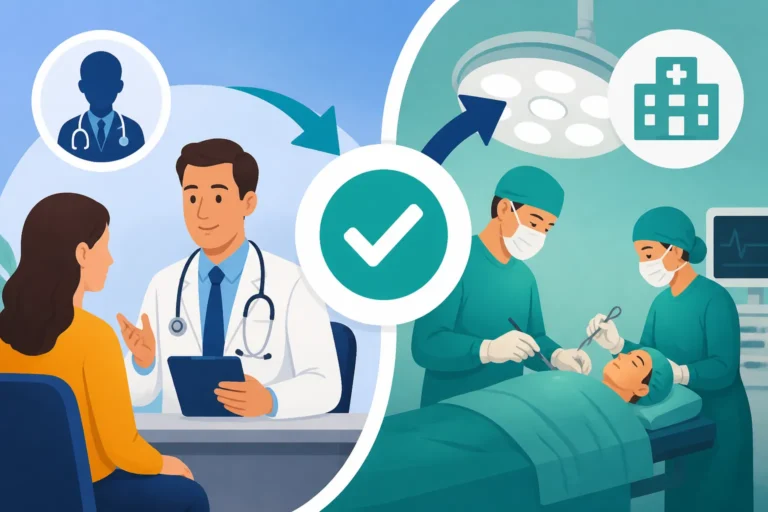
- Get an HZZO doctor's referral: If you want your medication to be covered by HZZO, you'll need to take the private doctor's diagnosis and paper prescription to your registered family doctor (obiteljski liječnik). Your family doctor can then review it and, if they agree, issue an e-Recept for you. This second option often requires an extra step but ensures your medication costs are covered by your public insurance (or supplementary insurance). This distinction is vital when weighing Public vs Private Healthcare in Croatia: Which Should Expats Choose?. Remember, even if you have travel insurance like SafetyWing, which might reimburse private medical costs, the e-Recept itself remains primarily a public system mechanism.
Potential Hurdles and Tips for a Smooth Experience
Even with the convenience of e-Recept, moving to a new country always presents its unique challenges. But with a bit of preparation and knowing what to expect, you can overcome most potential issues.
Language Barriers and Communication
Croatia is generally very welcoming, and in tourist areas and larger cities, you'll find English speakers, especially among medical professionals. However, don't assume everyone, particularly in smaller towns or older pharmacies, will be fluent. The beauty of e-Recept is that the medication details are digital, so the chance of a pharmacist dispensing the wrong medicine due to a language misunderstanding is greatly reduced. However, you still need to communicate your name, OIB, and perhaps any questions about dosage or side effects.
Tips:
- Learn basic phrases: Knowing "Imam e-Recept" (I have an e-prescription) and "Moje ime je…" (My name is…) can go a long way.
- Write it down: If you have specific questions about the medication, write them down in English. A pharmacist might not speak perfect English but can often understand written questions better.
- Use your phone: Google Translate can be your best friend. Don't be shy to use it in the pharmacy to clarify instructions or ask questions.
- Keep your HZZO card handy: This is your golden ticket. The pharmacist can pull up everything they need from it. For a full rundown on getting set up, see Registering with HZZO in Croatia: The Complete Expat Guide (2027).
Technical Glitches and What to Do
Like any digital system, e-Recept isn't immune to the occasional hiccup. The HZZO system could be temporarily down, or there might be a connectivity issue at the pharmacy. While rare, it's good to know what to do.
What to do:
- Don't panic: Most pharmacists are used to these occasional glitches and will have a workaround.
- Ask for a printout: If the system is down at the doctor's office, they might give you a temporary paper prescription that the pharmacy can use. This is usually marked as a 'hitna' (urgent) prescription.
- Try another pharmacy: If one pharmacy is having a local technical issue, another one down the street might be connected just fine.
- Contact your doctor: If the problem persists and you can't get your medication, call your family doctor's office. They can verify if the e-Recept was successfully issued and troubleshoot from their end.
Keeping Track of Your Prescriptions
While the digital system means you don't need to physically track paper prescriptions, it's still a good idea to keep a personal record.
Tips:
- My e-Zdravlje portal: Croatia has an excellent online portal called "Moj e-Zdravlje" (My e-Health) where you can access your digital health records, including your active e-Recepts. You'll need an e-Građani account to access this, which requires a bit of administrative setup but is incredibly useful.
- Medical apps: Consider using a personal medical app on your phone to track your medications, dosages, and refill dates. This is especially useful if you're managing multiple conditions or have insurance like SafetyWing that requires detailed records for reimbursement.
- Ask for a printout at the pharmacy: The pharmacist can often print out a summary of the medication you just picked up, including dosage instructions. This can be helpful as a reminder.
Connecting e-Recept with Your Health Insurance in Croatia
Understanding how your e-Recept connects with your health insurance is crucial for managing your healthcare costs in Croatia. It's not just about getting the medicine; it's about paying for it too!
How HZZO Coverage Impacts Your e-Recept Costs
If you are registered with the Croatian Health Insurance Fund (HZZO), which is mandatory for all residents and many visa types (see How the Croatian Health Insurance Fund (HZZO) Works: A Full Overview), then your e-Recepts are linked to your public health coverage. Basic HZZO insurance covers a significant portion, or sometimes the full cost, of prescribed medications. However, you are often required to pay a 'participacija' or co-payment, which is a fixed amount or a percentage of the medication cost. This co-payment amount varies depending on the medication and whether it's on the HZZO's 'basic' or 'supplementary' list.
For example, a common antibiotic might have a very small participacija, or be fully covered, while a specialized medication might require a higher co-payment. The system automatically calculates this when the pharmacist accesses your e-Recept and HZZO data. You pay the participacija directly at the pharmacy. This system is part of Understanding Participacija (Co-Payments) in the Croatian Health System, which all expats need to grasp. Without HZZO, your e-Recept will show as 'not covered,' and you'll pay the full retail price.
The Role of Supplementary and Private Insurance
This is where things can get a bit more nuanced.
Supplementary (Dopunsko) Insurance: Many residents, including expats, opt for supplementary health insurance (dopunsko zdravstveno osiguranje) through HZZO or private providers like Croatia Osiguranje or Generali. The primary purpose of dopunsko is to cover these participacija fees. If you have dopunsko linked to your HZZO card, when the pharmacist processes your e-Recept, the system will automatically show that your participacija is covered. This means you often walk out of the pharmacy without paying anything for your prescribed medication. It's a hugely popular choice for good reason, as it saves you money on every doctor's visit and prescription. For more on this, check out Understanding Dopunsko Zdravstveno Osiguranje (Supplementary Insurance) in Croatia.
Private Health Insurance: If you have private health insurance (e.g., from a provider like SafetyWing, or a local provider like Uniqa or Grawe) instead of or in addition to HZZO, the situation is different.
- As your primary insurance (if you're not HZZO-insured): If you are in Croatia on a visa that doesn't require HZZO enrollment (like some digital nomads or short-term residents) and rely solely on private insurance, your e-Recepts won't be linked. You'll generally pay the full cost of any medication prescribed via e-Recept (or paper) at the pharmacy and then submit the receipt to your private insurer for reimbursement, if your policy covers it.
- As supplemental to HZZO: If you have both HZZO and a private insurance policy, the HZZO system will apply its coverage first. Any remaining costs (participacija) would ideally be covered by your dopunsko. If you don't have dopunsko but have private insurance, you might still pay the participacija at the pharmacy and then seek reimbursement from your private insurer, depending on their terms. This highlights the importance of understanding Health Insurance in Croatia: Mandatory, Supplementary and Private Options Explained.
Here's a quick comparison of how e-Recept costs might be handled:
| Insurance Type | e-Recept Linkage | Upfront Cost at Pharmacy | Reimbursement Required? |
|---|---|---|---|
| Basic HZZO | Yes | Participacija (co-pay) | No |
| HZZO + Dopunsko | Yes | Usually 0 EUR | No |
| Private Only (No HZZO) | No | Full retail cost | Yes, from private insurer |
| Private (e.g., SafetyWing) + HZZO | Yes (HZZO portion) | Participacija (co-pay) | Potentially, for co-pay if no Dopunsko |
Navigating the Broader Digital Healthcare Landscape
While e-Recept focuses specifically on prescriptions, it's just one piece of Croatia's evolving digital healthcare puzzle. The general trend is towards greater integration and online access, which is excellent news for us expats who often crave transparency and efficiency.
Beyond e-Recept: e-Uputnica and Moj e-Zdravlje
Beyond just prescriptions, Croatia has also implemented the "e-Uputnica" system, which are digital referrals to specialists or for diagnostic tests. Just like e-Recept, your family doctor can issue an e-Uputnica, and it's then stored digitally, accessible by the specialist clinic or lab. This means no more lost paper referrals and a smoother process for getting specialist care. You can learn more about How e-Uputnica (E-Referrals) Work for Specialist Appointments in Croatia in another one of my posts.
Furthermore, the "Moj e-Zdravlje" portal (My e-Health) is a centralized online hub for your health information. With your e-Građani login, you can access your history of e-Recepts, e-Uputnicas, past diagnoses, and even appointment schedules. This comprehensive access puts you firmly in control of your medical information, even if it's all in Croatian! It really ties together the experience, offering transparency that some other countries still lack. Knowing Navigating the Croatian Healthcare System: An Expat's Roadmap (2027) with these digital tools in mind can drastically reduce stress.
The Future of Digital Health for Expats
Croatia continues to invest in its digital infrastructure, and it's clear that online and integrated systems will only become more prevalent. This means that as expats, while we might face initial challenges with language or understanding the bureaucracy, the long-term outlook for healthcare access and management is very positive. Systems like e-Recept are not just conveniences; they're foundational elements that ensure continuity of care, reduce administrative burdens, and ultimately contribute to a healthier, less stressful experience for everyone living here. Whether you're here for the long haul or just for a few years, embracing these digital tools will make your life significantly easier when it comes to your health.
Disclaimer
Please remember that I'm a blogger and not a legal or medical professional. The information provided in this guide is based on my personal experience, research, and general understanding of the Croatian healthcare system. Regulations and procedures can change, so it's always wise to confirm the latest information with official sources like HZZO, MUP, or a qualified local advisor. This guide is for informational purposes only and should not be considered medical or legal advice.