How Much Does Private Health Insurance for a Family Cost in Croatia?
Moving your entire family to the Adriatic coast is a dream for many, but the reality of navigating the bureaucracy of a new medical system can quickly become a nightmare. You might find yourself staring at a long waiting list for a simple pediatric check-up or struggling to find a specialist who speaks fluent English in the public system. This guide provides a clear breakdown of private health insurance costs for families in Croatia, helping you bypass the queues and secure peace of mind.
Why Families in Croatia Often Opt for Private Coverage
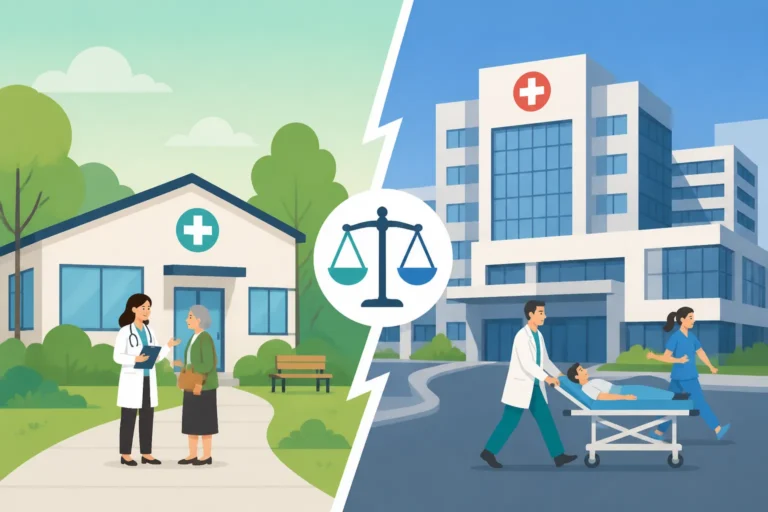
When you first arrive, you will likely be introduced to the mandatory state health insurance. While the state system is robust in terms of emergency care, the day-to-day experience for a family can be frustrating. Public clinics, known as the Dom Zdravlja, are often crowded, and getting a referral for a specialist can take months. For a parent dealing with a child’s recurring ear infection or a spouse needing a dermatological consultation, those months feel like an eternity.
Private health insurance, or dodatno zdravstveno osiguranje, allows you to access a network of modern polyclinics (poliklinike). In these facilities, you can usually book an appointment within a few days, and the environment feels much more like a high-end private practice in the UK or the US. Most importantly for many expats, the staff in private polyclinics are almost universally fluent in English. Understanding Public vs Private Healthcare in Croatia: Which Should Expats Choose? is the first step in deciding how much of your budget to allocate to this essential service.
The speed of service is not just a luxury; it is a necessity for families who are still adjusting to the local lifestyle and do not have the time to spend a full morning in a waiting room. Private insurance essentially buys you time and convenience, two of the most valuable commodities for any expat parent. For those just landing and waiting for their residency paperwork to clear, options like SafetyWing can provide a vital safety net before you transition into a local long-term private plan.
The Difference Between Supplementary and Private Insurance
One of the most confusing aspects of the Croatian system is the terminology. You will hear the terms Dopunsko and Dodatno used constantly, and they are not the same thing. Dopunsko is supplementary insurance that covers the "participacija" or co-payments required when using public services. Without it, even with the state insurance, you will pay out of pocket for every doctor's visit, prescription, and hospital stay.
Understanding Dopunsko Zdravstveno Osiguranje (Supplementary Insurance) in Croatia is critical because nearly everyone in Croatia has it. It is very affordable, usually costing around 10 to 12 Euro per month per person. However, Dopunsko does not give you access to private clinics; it only makes the public system "free" at the point of use. If you want the high-end private experience, you need Dodatno insurance.
Dodatno is what most expats refer to when they say "private health insurance." This is a contract with a private provider that entitles you to a specific number of specialist exams, lab tests, and diagnostic procedures like MRIs or ultrasounds each year at private facilities. While you are navigating the initial hurdles of relocation, a flexible provider like SafetyWing can be an excellent bridge, offering coverage that feels familiar to international families while you figure out which local Dodatno plan fits your specific neighborhood.
Average Monthly and Annual Costs for Family Plans
The cost of private health insurance for a family in Croatia is surprisingly reasonable compared to North American or Western European standards. For a standard family of four (two adults and two children), you can expect to pay anywhere from 80 Euro to 250 Euro per month for a comprehensive Dodatno package. This price varies based on the "level" of the plan you choose, which dictates the total value of medical services you can consume annually.
Lower-tier plans might offer one systematic physical exam and three specialist visits per year. Higher-tier plans, which are much better for families with young children, often include unlimited lab work, multiple specialist consultations, and even physical therapy sessions. If you are looking for a detailed look at all medical outlays, you should review The Cost of Healthcare in Croatia: A Complete Breakdown for Foreigners (2026) to see how these premiums fit into a broader household budget.
It is common for insurers to offer a family discount if you enroll everyone under one policy. These discounts can range from 5% to 15% off the total premium. When budgeting, remember that these private plans are almost always paid in addition to your mandatory HZZO contributions, which are typically deducted from your salary or paid monthly if you are self-employed. For digital nomads who are not yet part of the local tax system, SafetyWing offers a streamlined alternative that covers the essentials without requiring local residency documents immediately.
| Plan Type | Typical Monthly Cost (Per Adult) | Typical Monthly Cost (Per Child) | Key Benefits |
|---|---|---|---|
| Basic Private (Dodatno) | €20 – €35 | €15 – €25 | 1 Systematic exam, 2 specialist visits, basic labs |
| Standard Family | €40 – €60 | €30 – €45 | 5 specialist visits, diagnostic imaging, expanded labs |
| Premium / Executive | €75 – €120+ | €60 – €90 | Unlimited specialists, high-limit diagnostics, dental options |
| Supplementary (Dopunsko) | €11 | Free (under 18) | Covers all co-payments in the public system |
Factors That Influence Your Family Premium
Several variables will determine the final quote you receive from providers like Croatia Osiguranje, Wiener, or Merkur. Age is the primary factor. Premiums for adults over 50 or 60 start to climb significantly, while children’s premiums are relatively stable until they reach late adolescence. If you are moving with elderly parents, their private insurance costs will likely be the largest portion of your healthcare budget.
Pre-existing conditions are another major factor. Unlike the state HZZO system, which must take everyone, private insurers in Croatia can and will exclude coverage for conditions you already have. They may still offer you a policy, but any treatment related to that specific condition will have to be paid out of pocket at the private clinic or handled through the public system. This is a common point of frustration for expats, which is why The Complete Guide to Healthcare in Croatia for Expats (2027) emphasizes the importance of maintaining your state insurance regardless of how much private coverage you buy.
The location of your primary residence can also play a subtle role. While the premiums are generally national, the "value" of the insurance is higher in cities like Zagreb, Split, or Rijeka, where the network of private polyclinics is dense. In smaller towns or on the islands, you might find that there are no private clinics nearby that accept your insurance, forcing you to travel for care. For those who travel frequently between cities or back home, SafetyWing’s global approach can sometimes be more practical than a local plan tied to a specific Croatian network.
Comparing Top Private Insurers in Croatia
Croatia has several major insurance players, each with its own network of preferred polyclinics. Croatia Osiguranje is the largest and oldest, boasting a massive network and its own dedicated clinics in many cities. They often have the most straightforward "family packets," but their premiums can be slightly higher than the competition. They are a safe bet if you want the widest possible choice of doctors.
Wiener and Merkur are also very popular among the expat community. Merkur, in particular, is known for its focus on preventative health and "wellness" bonuses, which can include discounts on spa treatments or fitness programs. This can be a nice perk for active families. When comparing these, it is helpful to look into Understanding Private Polyclinics (Poliklinike) in Croatia to see which insurers are partnered with the clinics closest to your home.
Allianz and Generali also offer competitive private health products. When you are requesting quotes, always ask for the "List of Partners" (Popis ugovornih ustanova). If your favorite English-speaking pediatrician isn't on that list, that insurance plan is of little use to you. Finding the right fit is a personal process, and it often helps to learn How to Find an English-Speaking Doctor in Croatia first, and then work backward to see which insurance they accept.
Practical Tips for Choosing a Family Plan
Before you sign a contract, look closely at the "waiting period" (karenca). Most private plans in Croatia have a 30 to 90-day waiting period before you can use the benefits for non-emergency situations. This prevents people from buying insurance only when they know they need an expensive surgery the next day. If you are switching from one local insurer to another, you can often negotiate to have the waiting period waived.
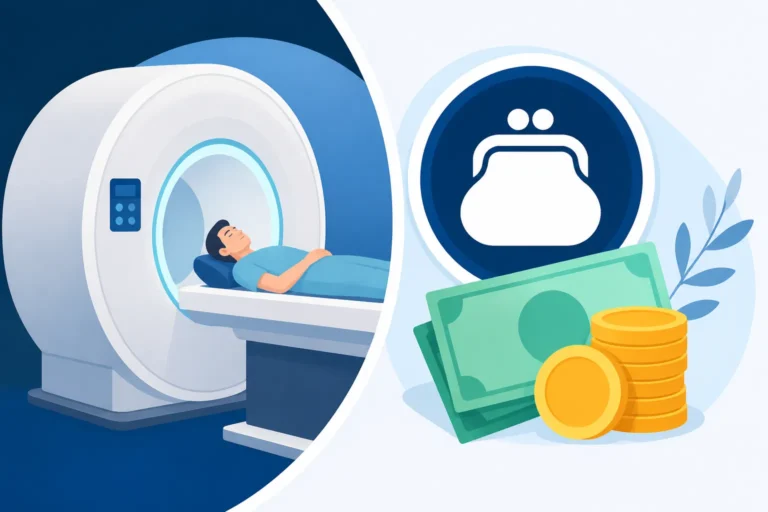
Check the limits on diagnostic imaging. A single MRI can cost 200 to 400 Euro if paid out of pocket. Many "basic" private plans only cover a portion of this or have a very low annual limit. For a family, having a plan that covers at least one or two major diagnostic procedures per person per year is a smart move. If you find the local options too restrictive or the paperwork too daunting during your first few months, SafetyWing provides an easy-to-manage alternative with transparent pricing that doesn't require a deep dive into Croatian contract law.
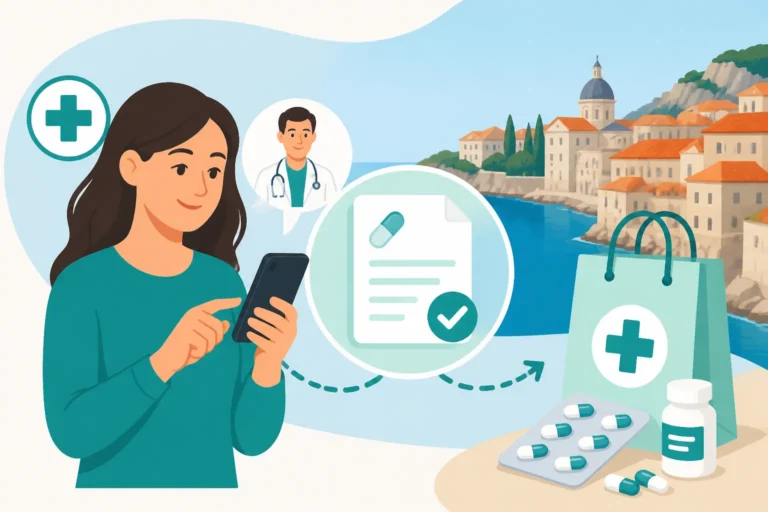
Finally, consider the ease of making appointments. Some insurers have mobile apps where you can book an appointment at a polyclinic with a few taps. Others require you to call a "medical call center" first to get approval for the visit. For a busy parent, an app-based system is a massive time-saver. You should also ensure you understand the role of your primary doctor, as explained in The Expat Guide to Finding a Family Doctor (Obiteljski Liječnik) in Croatia, because even with private insurance, you will still need a state-assigned GP for things like official sick leave notes and prescriptions.
Navigating the Transition Period
The first 90 days in Croatia are often a blur of police stations, OIB numbers, and translation offices. During this time, you might not yet be eligible for HZZO, or you may be waiting for your "blue card" to arrive. This gap in coverage is dangerous for a family. You do not want to be in a position where an appendicitis attack or a broken arm results in a massive bill because you were "between" systems.
This is where international providers like SafetyWing excel. They are designed specifically for people in transition—nomads, expats, and remote workers who need coverage that starts the moment they leave their home country and continues until they are fully integrated into their new local system. They provide a bridge that local Croatian insurers, which often require a local address and OIB to even generate a quote, simply cannot offer.
Once you are settled and have your residency permit, you can take your time to visit local insurance offices and compare family plans in person. It is always better to make these decisions when you aren't under the pressure of an immediate medical need. Take the time to read Navigating the Croatian Healthcare System: An Expat's Roadmap (2027) to ensure you have a long-term strategy that combines the mandatory state cover with the comfort and speed of a private family policy.
Disclaimer
The information provided in this guide is for informational purposes only and does not constitute legal, financial, or medical advice. Health insurance regulations, premiums, and coverage limits in Croatia are subject to change by the government and private providers. Always consult with a licensed insurance broker or the official HZZO office to verify current requirements and costs based on your specific residency status and family needs.