How Do I Find a Paediatric Dentist in Zagreb?
Moving to a new city is overwhelming enough, but when your child starts complaining of tooth pain or it is time for their first check-up, the stress levels spike. Navigating the Croatian healthcare system can feel like a maze of paperwork and language barriers. This guide simplifies the process of finding a reliable, English-speaking paediatric dentist in Zagreb so your little ones get the care they need.
Understanding the Pediatric Dental Landscape in Zagreb
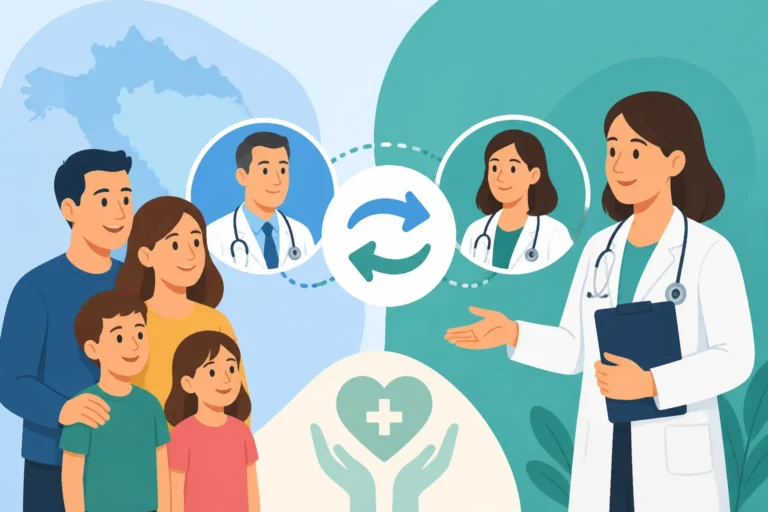
When you first arrive in Zagreb, the distinction between the public and private healthcare sectors can be confusing. For a veteran expat, the first thing to realize is that "dentist" usually translates to stomatolog or zubat in common parlance, but for your children, you are looking for a specialist in dječja stomatologija. In Zagreb, the options are divided between the state-funded system and a burgeoning private sector that caters heavily to the international community.
The public system is anchored by the Croatian Health Insurance Fund. Most residents are familiar with Understanding Dental Care Coverage Under HZZO in Croatia because it dictates what is free and what requires an out-of-pocket payment. For children, the public system is remarkably generous on paper, covering almost all basic preventative and curative treatments. However, the reality of the public system often involves long waiting lists and a more clinical, traditional environment that might not be the most welcoming for a nervous child.
If you are looking for a more "boutique" experience—think colorful waiting rooms, cartoons on the ceiling, and dentists who take thirty minutes just to explain the "magic chair" to your toddler—the private sector in Zagreb is where you will likely end up. Many expats choose private polyclinics in neighborhoods like Vrbani, Maksimir, or the city center because the practitioners often have international training and speak fluent English. While you will pay for these services, the peace of mind knowing your child isn't traumatized by their first filling is often worth the investment.
Navigating the Public System through the Dom Zdravlja
If you decide to go the public route, perhaps because your child has a straightforward need or you are on a tight budget, your primary point of contact is the Dom Zdravlja. These are community health centers scattered throughout Zagreb's districts. You can find them in Siget (Novi Zagreb), Laginjina (Centar), and several other locations. Before you can book an appointment, you must ensure your child is registered. This usually requires a visit to the local HZZO office to ensure their health card is active.
A common hurdle for new arrivals is the paperwork. You cannot simply walk into a Dom Zdravlja and ask for a dentist without having your child’s OIB ready. If you are still in the early stages of residency, you should check How to Get an OIB and Why It Matters for Healthcare Access to ensure you have this critical piece of the administrative puzzle. Once registered, you will be assigned to a specific dentist, or you can choose one that still has "room" on their patient list.
The benefit of the public system is the cost. Most procedures, from cleanings to white fillings on baby teeth, are covered. You should review What Health Services Are Free for Children Under HZZO to understand exactly what you won't be charged for. The downside is that you may find the equipment older and the staff less likely to speak English fluently compared to private clinics. For families still waiting for their official local insurance to kick in, having a plan from SafetyWing can be a lifesaver, as it often covers emergency dental work when you are caught between systems.
Step by Step Guide to Finding a Private Paediatric Dentist
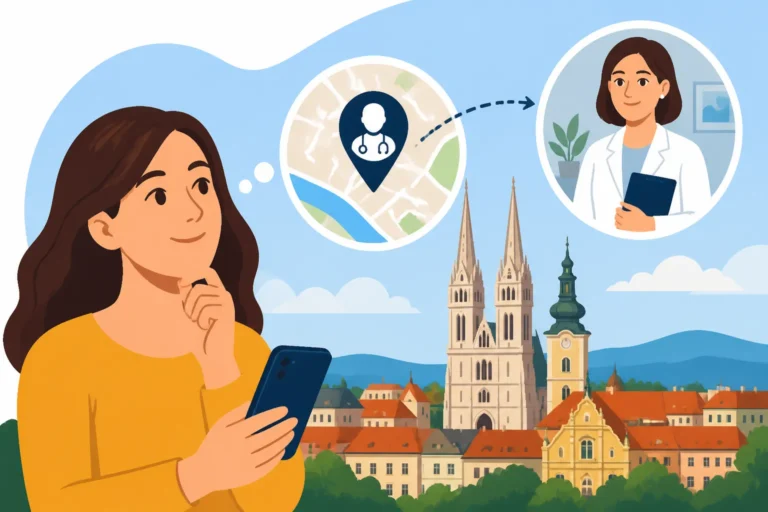
Finding a private dentist who specializes in children in Zagreb is a much more consumer-friendly process. Most of these clinics have professional websites in English and are very responsive via email or WhatsApp. Here is how to navigate the search:
- Search for "Dječja stomatologija Zagreb": Look for clinics that explicitly mention pediatric care. Some of the most highly regarded private clinics in the city include Poliklinika Videntis, Dental Centar Štimac, and Poliklinika Bagatin. These facilities often have dedicated floors or rooms just for children.
- Check for English Proficiency: Don't be afraid to call and speak to the receptionist in English. This is the first test of how the clinic handles international patients. In Zagreb’s center, English is the norm, but in smaller suburban clinics, it may vary.
- Verify Insurance Compatibility: If you are using international insurance like SafetyWing, ask the clinic if they can provide an itemized invoice in English (an račun) for reimbursement. Most private polyclinics are very accustomed to this.
- Schedule a "First Visit" or "Meet and Greet": Many private clinics offer a non-invasive first visit where the child just sits in the chair and meets the dentist. This is crucial for building trust.
When choosing between these two paths, many expats find themselves debating the financial trade-offs. It is helpful to look at Public vs Private Healthcare in Croatia: Which Should Expats Choose? to see how this decision fits into your overall lifestyle and budget. If you choose the private route, be prepared to pay anywhere from 40 EUR to 100 EUR for a standard consultation and cleaning, depending on the clinic's prestige and location.
Essential Locations for Emergency Pediatric Dental Care
Toothaches never happen on a Tuesday morning at 10:00 AM; they happen on Sunday nights or during a public holiday. In Zagreb, there is a specific protocol for emergency dental care for children. If it is after hours, the Dom Zdravlja in your neighborhood will be closed, and you will need to head to one of the designated 24-hour clinics.
The most well-known emergency dental clinic is located at Perkovčeva 3, near the city center. This facility handles acute pain, trauma, and infections. Another option is the clinic at Runjaninova 4. Be warned: these clinics can be very busy, and the environment is strictly functional. If your child has a dental emergency while you are still transitioning into the Croatian system, having SafetyWing insurance is vital. It allows you to potentially seek private emergency care and claim back the costs, rather than waiting in a crowded public emergency room.
For more details on what constitutes an emergency and how the billing works, read How Do I Get Emergency Dental Care in Croatia. It is also important to remember that even in an emergency, you will be asked for an OIB or a passport. If you are a resident, always have your HZZO card on hand. If you are still waiting for it, refer to What Should I Do If My HZZO Card Hasn't Arrived Yet? for advice on how to prove you are covered.
Comparing Public and Private Pediatric Dentistry in Zagreb
| Feature | Public (HZZO / Dom Zdravlja) | Private Polyclinic |
|---|---|---|
| Cost | Generally free for children | Out-of-pocket (40-150 EUR) |
| Wait Times | Can be weeks or months for non-emergencies | Often same-week appointments |
| Language | Primarily Croatian; English varies | Usually fluent English and often others |
| Environment | Clinical and functional | Child-friendly, modern, and high-tech |
| Registration | Requires OIB and local HZZO registration | Simple registration with ID/Passport |
| Emergency | Designated 24-hour public clinics | Some offer private emergency slots |
Managing Costs and Documentation
Even with the best planning, medical costs can be a point of frustration. In the public system, you might encounter participacija, which is a small co-payment for certain services or materials. While children are mostly exempt, it is useful to understand Understanding Participacija (Co-Payments) in the Croatian Health System just in case you are asked to pay for a specific type of high-end filling or orthodontic appliance.
In the private sector, the documentation is much simpler but the costs are higher. Most private dentists in Zagreb will accept credit cards, which isn't always the case in smaller public offices. If you are a digital nomad or a frequent traveler living in Zagreb, your SafetyWing policy is often your best friend here. While it focuses on emergencies, the ease of having a policy that is recognized globally can simplify the "upfront payment" stress that comes with visiting a high-end clinic like those found in the Radnička or Centar districts.
For those planning to stay long-term, integrating into the local system fully is the most cost-effective path. This involves finding a primary doctor and a primary dentist. The process of The Expat Guide to Finding a Family Doctor (Obiteljski Liječnik) in Croatia mirrors the dental search in many ways, requiring a mix of local recommendations and administrative patience.
Practical Advice for Your Visit
When you finally head to the dentist in Zagreb, bring a "comfort kit" for your child. While many private clinics like Poliklinika Dental Olujić or similar centers have toys, the public clinics likely won't. Also, keep a digital copy of your child’s immunization records and any previous dental history from your home country. Croatian dentists are very thorough and appreciate seeing previous X-rays or treatment plans.
If you are struggling with the language, try to learn a few basic terms. Boli means "it hurts," Zub means "tooth," and Molim means "please." Most dentists will be charmed by your effort, but in Zagreb, you'll find that the medical community is one of the most English-literate segments of the population.
Lastly, make sure you understand the broader insurance context. If you are self-employed or a digital nomad, your dental access might be tied to how you pay your contributions. Check Health Insurance in Croatia: Mandatory, Supplementary and Private Options Explained to ensure you haven't missed a requirement that could leave you with a surprise bill at the dentist's office.
Disclaimer
The information provided in this guide is for informational purposes only and does not constitute professional medical or legal advice. Healthcare regulations and clinic availability in Croatia can change frequently. Always verify the current status of health insurance coverage with the Croatian Health Insurance Fund (HZZO) and consult with a qualified healthcare professional regarding your child's specific dental needs. Use of any third-party services or insurance providers mentioned is at your own discretion.