How Do I Pay the Participacija Fee at a Croatian Hospital?
Arriving in Croatia and navigating its healthcare system can feel like deciphering ancient hieroglyphs, especially when you're hit with an unexpected bill for something called "participacija." Many expats find themselves scratching their heads, wondering what this fee is, why they're paying it, and most importantly, how to actually settle it without a bureaucratic headache. This guide is here to demystify the participacija fee at Croatian hospitals, offering you a clear, empathetic, and actionable roadmap to understand and manage these payments.
Understanding Participacija: What It Is and Why Expats Need to Know
Let's cut right to the chase: participacija is essentially a co-payment or out-of-pocket expense that individuals with public health insurance in Croatia (HZZO) are required to pay for certain medical services. Think of it as your contribution towards the cost of your treatment, even if you're covered by the national health fund. For many expats, this comes as a bit of a shock, especially if their home country's public healthcare system covers 100% of costs at the point of service. You're paying into the system, so why are you still being asked for more? It’s a common frustration, and you're not alone in feeling it.
What Exactly Is Participacija?
In the simplest terms, participacija is a mandatory fee. It's not a penalty, nor does it mean your HZZO insurance isn't valid. Instead, it's an integral part of how the Croatian healthcare system balances its budget and encourages responsible use of services. It applies to a wide array of medical interventions, from seeing a specialist to receiving prescription medications or undergoing a hospital procedure. The idea is that while HZZO covers the lion's share, patients contribute a small, fixed percentage or a maximum amount for certain services. This system has been in place for a long time, and while it might seem counterintuitive at first, understanding its role is key to navigating your healthcare in Croatia.
Who Is Affected by Participacija?
If you're an expat registered with the Croatian Health Insurance Fund (HZZO), then participacija is something you absolutely need to be aware of. This includes foreign residents who are employed, self-employed, or otherwise obligated to have public health insurance. Even if you've diligently gone through the process of Registering with HZZO in Croatia: The Complete Expat Guide (2027), you're still subject to these fees unless you have supplementary health insurance (dopunsko zdravstveno osiguranje).
Tourists and those on shorter stays, like digital nomads, might also encounter participacija if they rely on their European Health Insurance Card (EHIC) for emergency care. While an EHIC covers necessary medical treatment, it does so under the same conditions as a Croatian insured person, meaning any participacija fees would also apply to them. For digital nomads who might initially rely on international travel insurance like SafetyWing before fully integrating into the Croatian system, it's crucial to understand how these different types of coverage interact with local co-payment rules.
Common Scenarios Where Participacija Applies
The list of services incurring participacija fees is quite extensive. It’s not just for major surgeries; you’ll find yourself encountering these fees in routine situations too. Here are some of the most common scenarios:
- Doctor Visits: Seeing your family doctor (obiteljski liječnik) usually doesn't incur a participacija fee, but consultations with specialists often do. For instance, if your doctor gives you an How e-Uputnica (E-Referrals) Work for Specialist Appointments in Croatia to see a dermatologist or an orthopedist, expect a co-payment.
- Hospital Stays: Whether it's for a planned procedure or Emergency Medical Care in Croatia: What Every Expat Needs to Know, hospital stays typically involve a daily participacija fee. This can add up, especially for longer periods, but there is usually a cap on the total amount you’d pay per hospitalization.
- Prescription Medications: When you pick up your Prescription Medications and Pharmacies in Croatia: The Complete Guide from the ljekarna (pharmacy), you might notice a small co-payment, depending on the medication. Some medications are fully covered, others partially, and some not at all by basic HZZO.
- Diagnostic Procedures: X-rays, ultrasounds, blood tests, and other diagnostic services performed in a public clinic or hospital can also carry a participacija fee.
- Physical Therapy: If you're referred for rehabilitation or How to Get a Referral for Physiotherapy in Croatia, these sessions might also require a co-payment.
Understanding that these fees are standard practice, rather than an anomaly, helps manage expectations and reduces the "surprise factor" when a bill eventually lands in your lap.
How to Pay Your Participacija Fee: Step-by-Step Guidance
Okay, so you’ve received a bill for participacija. Now what? This is where many expats get stuck, as the payment process might differ from what they’re used to. It's generally straightforward once you know the ropes, but it requires attention to detail.
Receiving the Bill: When and How You Get Notified
Most commonly, you’ll receive a participacija bill either directly at the hospital or clinic cash desk after a service, or it might be mailed to your registered address at a later date. For immediate services, like an emergency room visit or a specialist consultation, they often try to collect the fee right then and there.
However, sometimes the bill for a longer hospital stay or a series of treatments might arrive weeks later. These bills are typically issued by the specific institution (e.g., KBC Zagreb or Opća bolnica Dubrovnik) or directly by HZZO, detailing the services rendered and the corresponding fees. Always make sure the bill clearly states your name, OIB (Personal Identification Number), and the services you received. If anything looks unclear, don't hesitate to ask for clarification. Remember, your How to Get Your OIB and Why It Matters for Healthcare Access is crucial for all official matters, including healthcare.
Payment Methods: Cash, Bank Transfer, Online Options
Croatia is generally a cash-friendly society, but for participacija fees, you usually have a few options:
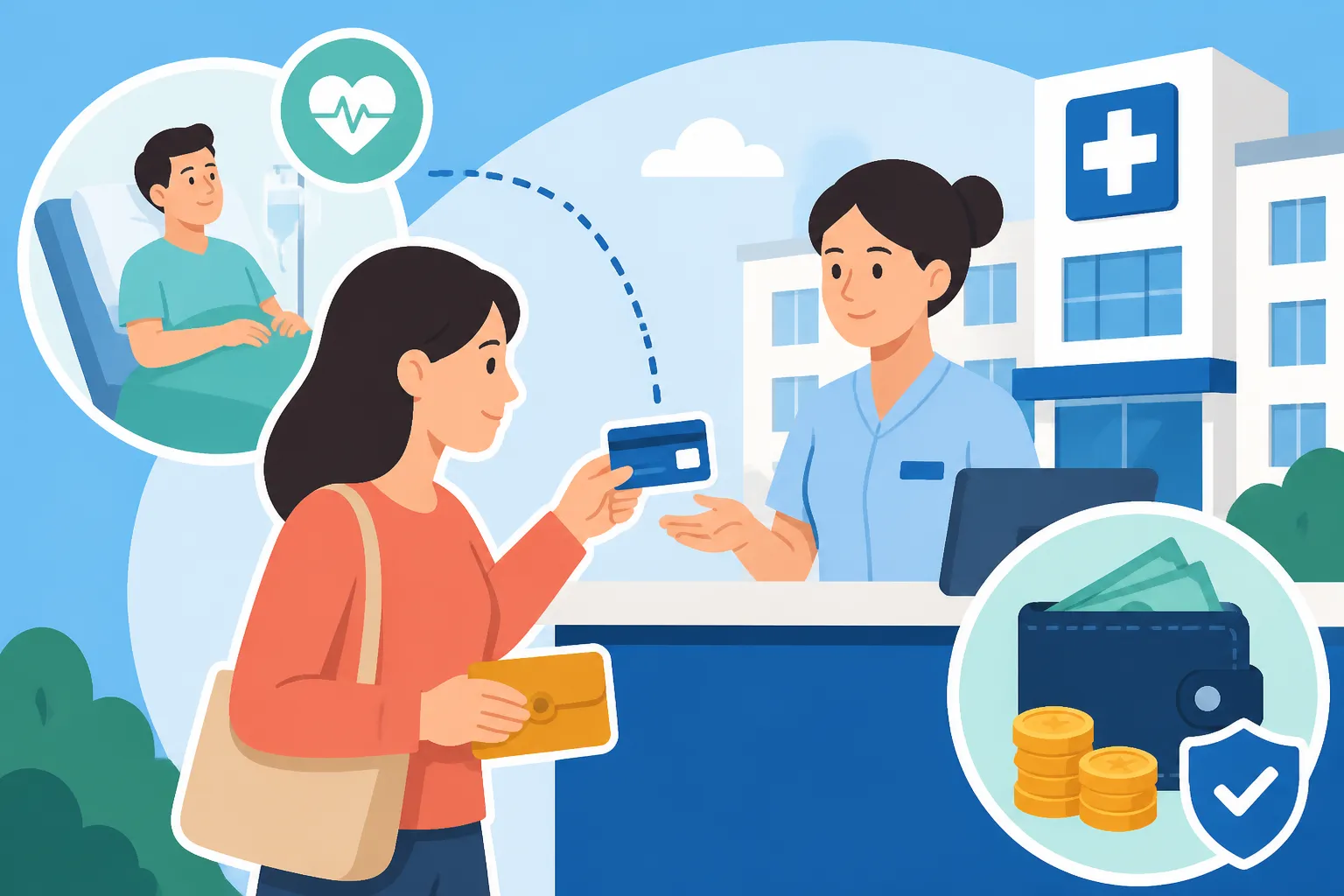
- Cash: Often accepted directly at the hospital or clinic's payment desk (blagajna). This is usually the quickest way to settle smaller, immediate fees.
- Bank Transfer (Internet Banking): Many expats prefer this method for larger bills or if they receive the bill by mail. The bill will include all the necessary information: the recipient's IBAN, the amount, and a specific reference number (poziv na broj). It's crucial to enter this reference number correctly, as it links your payment to your specific bill. Most Croatian banks, like Zagrebačka Banka, PBZ, or Erste, offer user-friendly online banking platforms for these transfers.
- Post Office (Hrvatska Pošta) or FINA: These are ubiquitous payment points in Croatia. You can take your physical bill to any post office or FINA (Financijska agencija) office, and they will process the payment for a small fee. Just present your bill, pay in cash or by card, and they'll give you a stamped receipt. This is a reliable option if you're not comfortable with online banking in Croatian or if your bill doesn't provide easy online payment instructions.
- Online Payment Portals: Some larger hospitals or HZZO might offer dedicated online payment portals, but these are not universally available and can sometimes be tricky to navigate without Croatian language skills. Always check the bill for a QR code or a web link if you prefer this method.
Where to Pay: Hospital Cash Desks, FINA, Post Office, Bank
Here’s a breakdown of where you can typically settle your participacija fees:
- Hospital/Clinic Cash Desks (Blagajna): For fees related to a specific visit or discharge from a Understanding Hospital Care at a KBC (Clinical Hospital Centre) in Croatia, this is often the primary payment point. Look for signs that say "Blagajna" or "Uplatno mjesto." They usually have set operating hours, so don't expect them to be open 24/7.
- FINA (Financijska agencija): FINA offices are found in most towns and cities. They handle a wide range of financial transactions for citizens, including bill payments. They are generally efficient, but you might encounter queues, especially around month-end.
- Hrvatska Pošta (Post Office): Similar to FINA, the post office is a reliable place to pay bills. Just bring your bill with you.
- Your Bank: You can perform a bank transfer either via your online banking portal or by visiting a branch. If you go to a branch, bring the bill, and the teller can help you process the payment. Be prepared for potential bank charges for in-person transfers.
It's always a good idea to keep your receipt as proof of payment, especially if you're paying a mailed bill, in case of any discrepancies later on.
Dealing with Participacija Without Supplementary Insurance
If you don't have dopunsko zdravstveno osiguranje (supplementary health insurance), then you will be responsible for 100% of the participacija fees out-of-pocket. This is a crucial point for expats to understand, as it can significantly impact your healthcare costs.
The Financial Impact: What to Expect if You're Not Covered
Without supplementary insurance, every medical service that falls under participacija will generate a direct bill to you. This means that while How the Croatian Health Insurance Fund (HZZO) Works: A Full Overview covers the bulk of the cost, you're on the hook for the co-payment. For example, a specialist visit might have a fixed fee of €10, while a daily hospital stay could be €13.27, and certain medical procedures could go up to €400 to €530. These amounts might seem small individually, but if you have a chronic condition, need multiple specialist appointments, or require hospitalization, they can quickly accumulate.
This is where the true The Cost of Healthcare in Croatia: A Complete Breakdown for Foreigners (2026) becomes apparent. It's not just your monthly HZZO contribution; it's also these potential out-of-pocket expenses.
Is There a Cap on Fees?
Thankfully, yes! There are caps on how much participacija you can be charged.
The maximum co-payment for a single invoice cannot exceed €530.88. This is designed to protect individuals from extremely high one-off costs. There is also an annual maximum for participacija payments, which currently stands at €663.61 per calendar year. Once your total participacija payments reach this annual cap, you generally won't be charged further co-payments for the remainder of that year, even without supplementary insurance. This means you won't be paying indefinitely, but reaching that cap can still be a significant financial burden for many.
Considering Your Options: When to Get Supplementary Insurance
Given the potential for accumulating participacija fees, many expats quickly realize the value of dopunsko zdravstveno osiguranje. This supplementary insurance, offered by HZZO itself or private providers, covers these co-payments. For a relatively small monthly premium (often around €10-€20, though prices vary depending on age and provider), it can save you a lot of hassle and money in the long run.
If you're firmly rooted in Croatia and paying into HZZO, getting Understanding Dopunsko Zdravstveno Osiguranje (Supplementary Insurance) in Croatia is highly recommended. It essentially removes the need to worry about participacija for most services.
For those who might not be fully integrated into the HZZO system, such as some digital nomads who are covered under alternative plans, or if you're exploring How to Access Healthcare While on a Digital Nomad Permit in Croatia, an international health insurance provider like SafetyWing could be a relevant consideration. While SafetyWing offers excellent comprehensive travel and medical insurance suitable for nomadic lifestyles, it's important to clarify if and how their coverage directly offsets participacija fees within the Croatian public system, as their primary role is often for those not yet paying into a national scheme. Generally, dopunsko is specifically designed for HZZO co-payments, making it the most direct solution for those with HZZO. Always compare options carefully to see which best fits your residency status and healthcare needs.
Here's a quick comparison of the options:
| Feature | No Supplementary Insurance (HZZO only) | Dopunsko Zdravstveno Osiguranje (HZZO + Supplementary) | International Travel/Health Insurance (e.g., SafetyWing) |
|---|---|---|---|
| Co-payment (Participacija) Coverage | Pay 100% out-of-pocket (up to caps) | Co-payments covered (minimal or no out-of-pocket) | May cover emergency co-payments; often for non-HZZO users. Specific policy details vary significantly. |
| Monthly Cost | HZZO contribution only | HZZO contribution + Dopunsko premium (e.g., €10-€20) | Varies based on plan, age, coverage (e.g., SafetyWing offers monthly subscriptions). |
| Primary Use Case | Those with very low healthcare needs, willing to risk higher out-of-pocket costs. | Regular HZZO users who want peace of mind and no co-payments. | Digital nomads, short-term residents, those not eligible for HZZO, or for travel outside Croatia. |
| Claim Process for Participacija | Direct payment at facility/bank. | No direct participacija payment for covered services. | File a claim with the international insurer; typically reimbursement-based. |
Avoiding Surprise Participacija Fees: Tips and Best Practices
The best defense against frustrating participacija fees is proactive planning and understanding. By taking a few steps, you can significantly reduce the chances of being caught off guard.
The Importance of Dopunsko Osiguranje (Supplementary Insurance)
We've touched on this, but it bears repeating: for any expat who plans to live in Croatia long-term and relies on the public health system, getting dopunsko zdravstveno osiguranje is almost a no-brainer. It's an affordable way to eliminate most of your participacija worries. Providers like Croatia Osiguranje, Uniqa, and HZZO itself offer comprehensive dopunsko plans. These plans directly cover the co-payments that HZZO would otherwise charge you. It's a small monthly investment for significant peace of mind. To truly understand its value, read more about Understanding Dopunsko Zdravstveno Osiguranje (Supplementary Insurance) in Croatia.
Checking Your Coverage: What Does HZZO Cover and What Doesn't?
It's tempting to assume that once you're in the HZZO system, everything is covered. Unfortunately, that's not quite the reality. Basic HZZO insurance covers a wide range of essential services, including primary care, specialist care, emergency treatment, and necessary hospitalizations. However, it specifically does not cover the participacija fees for many of these services. Furthermore, certain elective procedures, cosmetic treatments, or very specialized medications might not be covered at all, regardless of dopunsko.
Always refer to the official HZZO regulations or consult with a local agent or your family doctor (obiteljski liječnik) if you have specific concerns about what treatments are covered under your basic plan and where participacija might apply.
Asking Upfront: Communicating with Medical Staff
This might sound simple, but it's often overlooked, especially when language barriers are present. Whenever you're referred for a specialist appointment, a diagnostic test, or a procedure, don't be afraid to ask, "Hoće li biti participacije za ovo?" (Will there be a co-payment for this?). Most medical staff, especially at the registration desk, will be able to tell you if a participacija fee is expected and roughly how much. This is particularly important for those who might be relying on international coverage like SafetyWing for certain aspects of their healthcare, as they would need to know the exact costs for potential reimbursement.
Keeping Records: Why It's Crucial for Expats
Maintain a clear record of all your medical appointments, treatments, and especially any participacija bills and their corresponding payment receipts. This is vital for several reasons:
- Tracking the Annual Cap: If you don't have dopunsko osiguranje, keeping track of your payments allows you to monitor when you're approaching the annual participacija cap.
- Dispute Resolution: In the rare event of a billing error or a dispute, having clear records will be your strongest ally.
- Tax Purposes: While not directly applicable to participacija, it's good practice to keep all healthcare-related financial documents for your annual tax return, especially if you have other medical expenses.
- Insurance Claims: If you're using an international policy such as SafetyWing, detailed records of your expenses and payments are absolutely essential for filing successful claims.
Navigating the Croatian healthcare system takes patience, but understanding the nuances of participacija is a major step towards feeling more confident and in control of your medical journey here.
Disclaimer
Please note that this guide provides general information based on current regulations and common expat experiences in Croatia. Healthcare policies and fees can change, and individual circumstances vary. Always consult official HZZO resources, your healthcare provider, or a legal/financial expert for personalized advice regarding your specific health insurance and financial situation in Croatia.