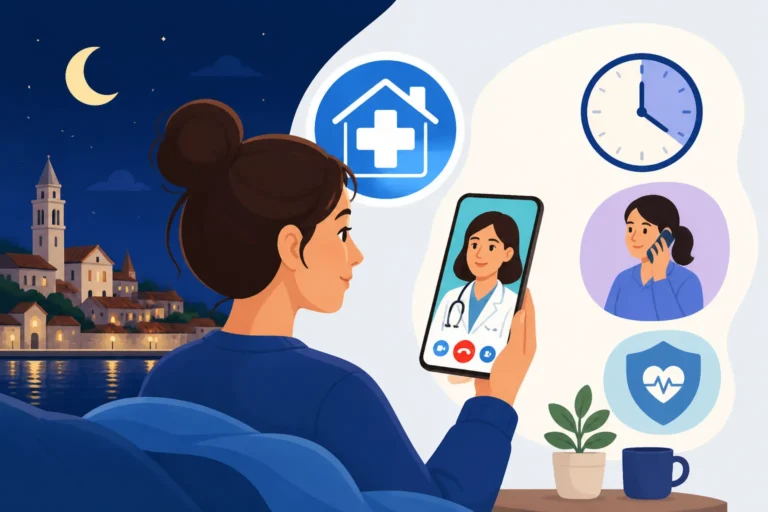
How Do I Get a Second Opinion in the Croatian Health System?
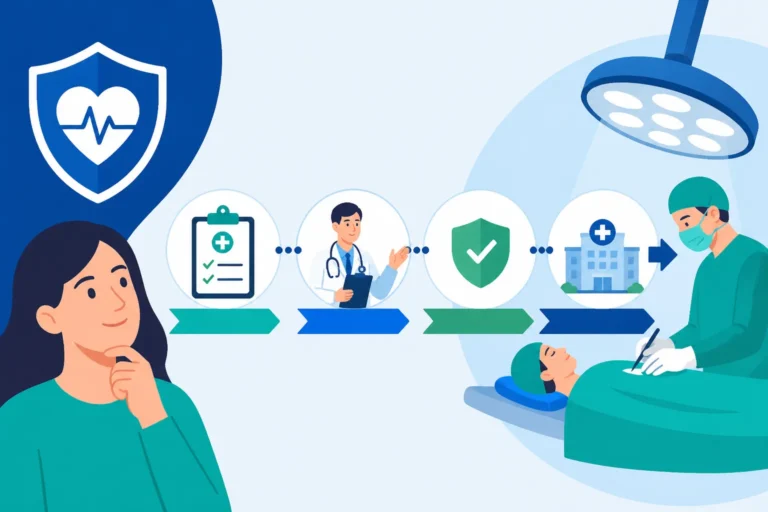
Sitting in a quiet waiting room in a Croatian hospital, clutching a folder of medical results you only partially understand, is a rite of passage for many expats. Whether it’s a language barrier or a complex diagnosis, the need for a second opinion is a common and valid concern. This guide explains how to navigate the Croatian healthcare system to verify medical advice and explore your options.
Understanding the Cultural Nuance of Second Opinions in Croatia
Navigating medical care in a foreign country is never just about the medicine; it is about the culture that surrounds the doctor-patient relationship. In Croatia, the medical profession is held in extremely high regard, and for many years, the system operated on a somewhat paternalistic model. This means that, traditionally, patients rarely questioned their doctors. However, as the system has modernized and the expat population has grown, the concept of a second opinion has become more normalized, though it still requires a bit of finesse.
When you are looking for a second opinion, it is helpful to understand The Complete Guide to Healthcare in Croatia for Expats (2027) to see where you fit into the broader system. If you are dealing with a public doctor (at a state hospital or a Dom Zdravlja), you might find that they are a bit surprised if you ask for a second opinion within the same department. It is not that they are trying to be difficult, but the public system is often overburdened, and the logic is usually: "If we have given you a diagnosis, why do you need another?" To navigate this, it is often best to frame your request around "confirmation" or "clarity" rather than "doubt."
For many digital nomads or those just arriving, having a flexible insurance option like SafetyWing is a massive help during this transition phase. SafetyWing provides the kind of backup that allows you to seek private consultations without worrying if your local HZZO paperwork is finalized yet. This safety net is crucial when you feel like you need to move faster than the public bureaucracy allows.
Navigating the Public System via HZZO
The public healthcare system, managed by the Croatian Health Insurance Fund, is the backbone of medical care in the country. If you are a resident, you are likely already familiar with How the Croatian Health Insurance Fund (HZZO) Works: A Full Overview. Getting a second opinion within this system is legally your right, but the path is paved with administrative steps.
The Essential Role of Your General Practitioner
Everything in the public system starts with your Liječnik Opće Prakse (GP). If you have received a diagnosis from a specialist and you aren't comfortable with it, your first stop must be your GP’s office. You need to be very clear about why you want a second opinion. Is it because the treatment is invasive? Is it because you didn't feel the specialist listened to your concerns? Your GP is the gatekeeper of the uputnica (referral).
Without a new referral, you cannot simply walk into another public hospital and ask to see a different specialist for the same issue. You should consult How to Choose and Register with a GP (Liječnik Opće Prakse) in Croatia to ensure you have a doctor who is supportive of your health journey. A good GP will understand the need for peace of mind and can issue a new e-uputnica for a different hospital or a different specialist clinic.
Dealing with the e-Uputnica and Waiting Lists
Once your GP issues a new referral for a second opinion, you are essentially back in the "waiting list" system. This is the primary frustration for foreigners in Croatia. If you were told you need surgery in Zagreb, but you want a second opinion in Split or Rijeka, you will be subject to the standard waiting times of that specific hospital.
You can check waiting lists online through the HZZO portal, but they are often long. If your case is urgent, your GP can mark the referral as "hitno" (urgent), but this is usually reserved for life-threatening situations. For many, this is where the public system fails to provide the speed required for a second opinion, leading them to look toward private alternatives. Even if you are using the public system, you will still interact with the Understanding the e-Recept (E-Prescription) System in Croatia if medications are involved in your second opinion's treatment plan.
The Private Route Speed Polyclinics and Specialized Care
For the vast majority of expats, the most efficient way to get a second opinion in Croatia is to go private. The private sector in Croatia is robust, modern, and often staffed by the very same top-tier specialists who work in the public hospitals during the morning hours.
Why Private is Often Superior for Second Opinions
When you go to a private polyclinic (poliklinika), you are paying for time and accessibility. You can often book an appointment within days rather than months. Furthermore, private specialists are usually more accustomed to working with international patients and often speak excellent English. If you are trying to decide between the two, Public vs Private Healthcare in Croatia: Which Should Expats Choose? provides a detailed breakdown of the pros and cons.
For those who are in Croatia on a temporary basis, or for digital nomads who haven't yet integrated into the HZZO, having a plan like SafetyWing can be incredibly beneficial. SafetyWing can help cover the costs of these private visits, making it much easier to justify the out-of-pocket expense for a top-tier specialist's time. This is especially true for specialized diagnostic work like MRIs or complex blood panels that might have a six-month wait in the public system.
How to Find the Right Specialist Privately
Finding a specialist for a second opinion often involves some "word of mouth" research within the expat community. Many of the best doctors are located in Zagreb, but Split and Rijeka also have excellent private facilities. You should look for Understanding Private Polyclinics (Poliklinike) in Croatia to understand how these clinics function. They are often one-stop shops where you can get a consultation, imaging, and lab work done all in a single afternoon.
When booking your appointment, explicitly state that you are seeking a second opinion. This allows the clinic to allocate enough time for the doctor to review your existing records. Most private clinics will have a website where you can see the credentials of their doctors, many of whom have studied or worked abroad.
Legal Rights and Patient Protections
Croatia has a specific law called the Zakon o zaštiti prava pacijenata (Law on the Protection of Patients' Rights). This law explicitly states that every patient has the right to a second opinion.
Invoking Your Rights in the Public Sector
If you ever find a GP or a specialist who is resistant to the idea of you seeking another opinion, you can politely remind them of your rights. You have the right to a "second professional opinion on the state of your health at your own expense or at the expense of the health insurance, in accordance with special regulations."
This means that while the HZZO may not always pay for a second opinion if they deem the first one sufficient, you are always allowed to seek it. If you run into significant bureaucratic hurdles, you might need to speak with the hospital's patient advocate (zaštitnik prava pacijenata). It’s a bit of a formal process, but it exists to protect you.
Integrating SafetyWing and Other Insurances
If the HZZO won't cover a second opinion because they believe the first diagnosis was adequate, your private insurance or travel medical insurance becomes your primary tool. SafetyWing is a popular choice because it’s designed for people who live a mobile lifestyle and might need to dip into private care without a lot of notice. Whether you’re in Zagreb or moving between coastal cities, SafetyWing can provide that financial buffer so you don't have to wait for the HZZO to agree with your need for a second look.
Essential Steps to Prepare for Your Appointment
A second opinion is only as good as the information you provide the new doctor. In Croatia, medical records are often handed to the patient in paper form. You need to be the keeper of your own medical history.
Gathering Your Medical Records (Nalazi)
In Croatia, every time you visit a doctor, they will give you a nalaz (a report). You must keep these. If you are seeking a second opinion, the new doctor will want to see:
- All laboratory results.
- Imaging results (X-rays, MRIs, CT scans) — often provided on a CD or via a download link.
- The written opinion of the first specialist.
- Your current list of medications.
Check The Expat Guide to Finding a Family Doctor (Obiteljski Liječnik) in Croatia for tips on how to keep your local records organized. If your records are in Croatian and your second opinion is with an English-speaking doctor in a private clinic, you might not need a formal translation, but it is always good to ask the clinic beforehand.
Knowing the Specific Terminology
When you go for your second opinion, you should be prepared to discuss your symptoms using specific terms. If you are seeking help for physical therapy, for instance, you might want to read How to Get a Referral for Physiotherapy in Croatia to understand how those specific referrals work.
If you are a digital nomad, you might be wondering, Can I Use Public Healthcare in Croatia on a Digital Nomad Visa? The answer is complex, and often a private second opinion is the only viable path for nomads. SafetyWing can be a huge asset here, as it covers you while you're navigating these administrative grey areas.
| Feature | Public System (HZZO) | Private System (Polyclinic) |
|---|---|---|
| Cost | Usually covered/free if referral is granted | Out-of-pocket or via private insurance |
| Wait Time | Weeks to months | Days to one week |
| Referral Needed? | Yes (e-Uputnica from GP) | No |
| Doctor Choice | Limited by hospital assignments | Complete freedom to choose specialist |
| Language | Primarily Croatian (some English) | Highly likely to find English-speakers |
| Speed of Diagnostics | Slow (subject to equipment availability) | Very fast (on-site labs/imaging) |
Final Practical Advice for Expats
Getting a second opinion in Croatia is a process that requires patience and proactive communication. Don't be afraid to be your own advocate. If something doesn't feel right, or if the diagnosis was delivered in a way you didn't understand, you have every right to seek another perspective.
Start with How to Find an English-Speaking Doctor in Croatia if your Croatian isn't up to the task of discussing complex medical issues. Having a doctor who can explain things in your native language can often eliminate the need for a second opinion entirely, as the "doubt" was simply a "misunderstanding."
Remember that for those in between residency permits or working remotely, insurance like SafetyWing is not just a luxury; it’s a tool that allows you to bypass the slower parts of the Croatian state system. SafetyWing gives you the freedom to choose your doctor and get your answers quickly, which is often the most important thing when health is on the line.
Finally, always keep a digital copy of all your nalazi. Scanned copies on your phone or in a cloud drive are much harder to lose than the thin slips of paper provided by the hospitals. Being organized is half the battle when navigating healthcare in any foreign country, and Croatia is no exception.
Disclaimer
This guide is for informational purposes only and does not constitute medical or legal advice. Healthcare regulations in Croatia can change frequently. Always consult with a qualified medical professional or a legal expert regarding your specific situation and rights within the Croatian healthcare system.