How Do I Get a Medical Certificate for Work in Croatia?
Navigating the bureaucratic labyrinth of moving to a new country is a rite of passage for every expat, and among the many hurdles, understanding the requirements for working in Croatia can be particularly perplexing. One specific area that often catches newcomers off guard is the need for a medical certificate for employment, a document that can seem straightforward but often has nuances. This guide aims to demystify the process, walking you through everything you need to know to secure your medical certificate for work in Croatia, ensuring you're fully compliant and ready to embrace your new professional life.
Understanding the "Medical Certificate for Work" in Croatia
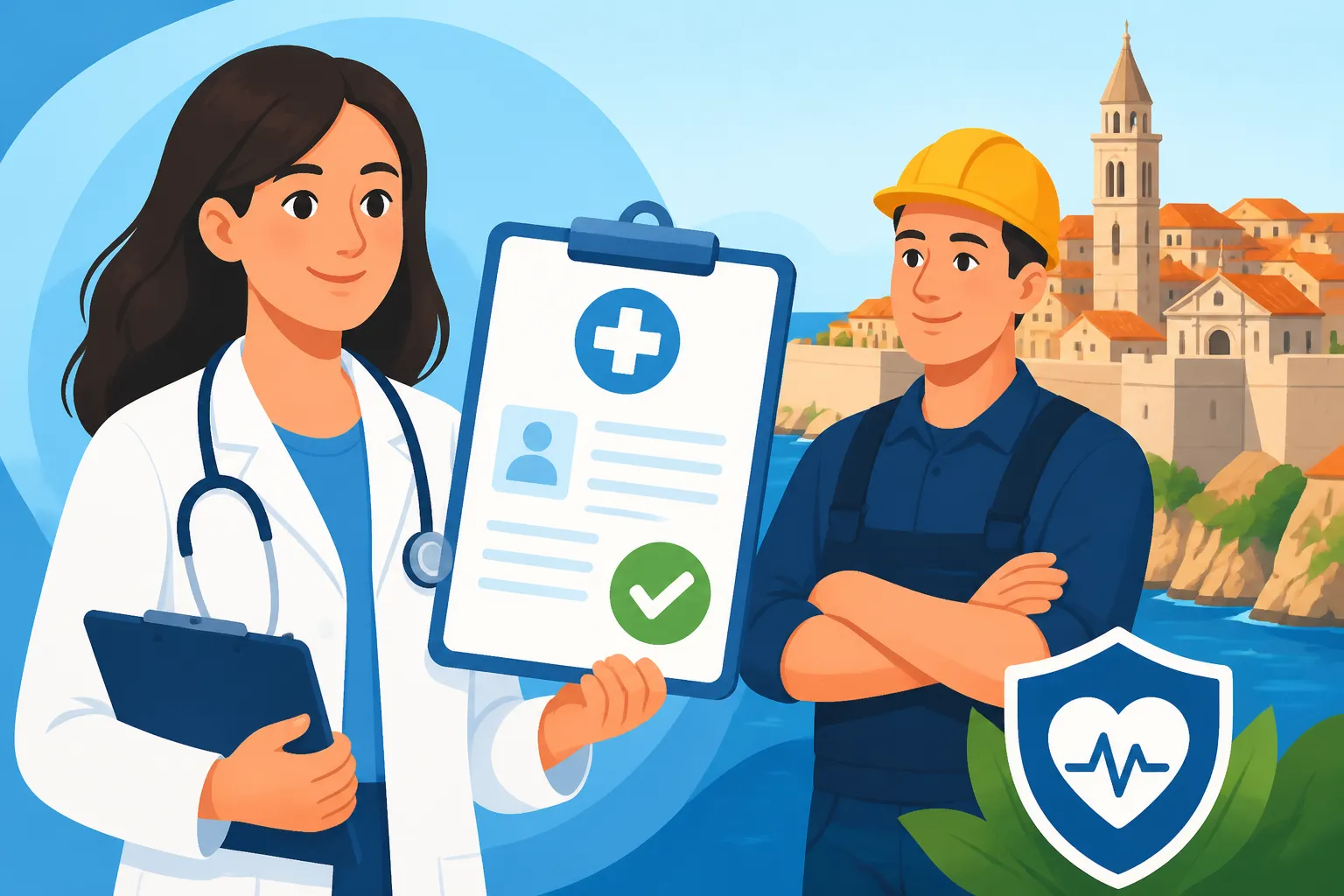
When you're trying to get set up for work in Croatia, the term "medical certificate for work" can sometimes feel a bit vague. It's not just a general doctor's note; it's a specific document issued by an occupational health specialist, often referred to as a medicina rada doctor. This certificate confirms that you are medically fit to perform the duties of your intended job, ensuring both your safety and the safety of those around you. The type of examination and the specific tests required can vary quite a lot depending on the nature of your employment.
For instance, if you're taking an office job, the examination might be relatively standard, focusing on general health. However, if you're entering fields like hospitality, food service, construction, or healthcare, where there are specific health and safety risks or requirements for public health, the examination will be far more detailed. This is where many expats get tripped up, assuming a basic check-up will suffice, only to find they need additional screenings. It's crucial to understand that these aren't just arbitrary hoops to jump through; they are legal requirements designed to protect everyone in the workplace and the broader community. Your employer will usually be the one to tell you exactly what kind of certificate you need and where to get it, but knowing the landscape upfront can save you a lot of headaches.
Navigating Occupational Health Requirements
The Croatian healthcare system, while comprehensive, does have its own structure for occupational health. These specialized clinics are separate from your general practitioner (GP) and focus specifically on work-related medical assessments. It's not something you'd typically go to your family doctor for, even though they might be able to provide some of the basic information required for other aspects of your life here.
The regulations are quite strict, especially for jobs that involve contact with food, water, or large groups of people. For example, if you're working in a restaurant or a hotel, you'll likely need to undergo tests for infectious diseases, and potentially even get a "sanitary card" (sanitarna iskaznica), which is a separate but related document confirming you're clear to work in such environments. These specialized requirements are a cornerstone of public health in Croatia and are taken very seriously. Be prepared for a thorough evaluation that aligns with the specific demands and potential hazards of your future role.
The Step-by-Step Process to Obtain Your Medical Certificate
Getting your medical certificate isn't always as simple as walking into a clinic and asking for one. There’s a particular order of operations and a specific type of clinic you need to visit. It’s a process that can feel a bit like a scavenger hunt if you're not familiar with it.
Initiation of the Process
The first and most critical step is typically initiated by your employer. Before you even think about booking an appointment, your future employer should provide you with a referral or direct you to a specific occupational health clinic (ordinacija medicine rada) they work with. This is paramount because the clinic needs to know the exact job description and any specific risks associated with it to perform the correct examinations. Without this clarity, you might get a general certificate that isn't valid for your specific role, forcing you to go through the process again and incur additional costs and wasted time.
It’s not uncommon for expats to mistakenly try to get this certificate from their regular GP or a general polyclinic. While those are vital for your general health, they usually aren't equipped or authorized to issue the specific occupational health certificates required by Croatian law. Always confirm with your employer precisely what they need and which facility they recommend or require you to attend. Sometimes, larger companies will even have agreements with certain clinics, making the billing and administrative side smoother.
Required Documents and Information
Before your appointment, gather all necessary documents. This usually includes:
- Your passport or national ID card.
- Your OIB (Personal Identification Number). This is non-negotiable for almost any official transaction in Croatia, including medical assessments. If you don't have one yet, make sure to apply for it as soon as possible.
- Proof of residence in Croatia (e.g., your residence permit or a prijava boravišta confirmation from the MUP).
- Any existing medical records, especially if you have chronic conditions or are on regular medication. While not always strictly required for the basic check, having them can provide the doctor with a more complete picture of your health.
- The referral or instructions from your employer, clearly stating the job title and company details.
- Proof of health insurance. Even if your employer will cover the cost of the certificate, you'll need to demonstrate you have valid health insurance in Croatia. This could be your HZZO card if you're already registered, or proof of private health insurance. For those on digital nomad visas, for example, your private insurance, like SafetyWing, would be the document you present.
Ensure all your documents are valid and, if they are not in Croatian, have certified translations ready. While many healthcare professionals speak English, official documents often require translation for the records.
The Examination Itself
The actual medical examination will vary based on your job type, as mentioned. A typical examination might include:
- General Physical Check-up: This includes basic measurements like height, weight, blood pressure, and a general assessment of your physical condition.
- Vision and Hearing Tests: Especially important for roles requiring good sensory perception.
- Blood and Urine Tests: These are often performed to check for underlying health conditions, particularly if your job involves public safety or hygiene. For roles in food service, specific tests for communicable diseases might be mandatory.
- Spirometry (Lung Function Test): Common for jobs involving physical exertion or exposure to dust/chemicals.
- Electrocardiogram (ECG): A heart function test, sometimes required for physically demanding roles.
- Interview with the Occupational Health Doctor: This is your chance to discuss your medical history, any concerns, and for the doctor to understand your lifestyle and any potential risks.
The doctor will then review all the findings. If everything is in order, they will issue the medical certificate, often valid for a specific period (e.g., one, three, or five years), depending on the job and regulations.
Costs Associated with the Certificate
The cost of a medical certificate for work can vary widely depending on the clinic and the extent of the examination required. Generally, your employer is legally obligated to cover the costs of these mandatory occupational health examinations. However, it’s always a good idea to clarify this upfront with your employer to avoid any surprises.
If you are self-employed or need to pay for it yourself for other reasons, expect costs ranging from approximately €30 for a very basic check to €100 or more for more comprehensive examinations with additional tests like specialized blood work or psychological evaluations (for highly sensitive roles). Always ask for a detailed price list from the clinic before proceeding. Keep the receipt, as you might need it for reimbursement or tax purposes.
Key Considerations and Potential Roadblocks for Expats
As an expat, you might encounter specific challenges when trying to obtain your medical certificate. Croatia’s administrative processes, while improving, can sometimes feel opaque, and language barriers can exacerbate these issues.
Language Barriers
One of the most common frustrations for expats in Croatia is the language barrier, especially in medical settings. While younger staff and doctors in larger cities often speak English, this isn't always a given, particularly in smaller towns or with older practitioners. Trying to explain your medical history or understand complex instructions in a language you're not fluent in can be incredibly stressful.
Our advice? Don't hesitate to ask if the clinic has an English-speaking doctor or if you can bring a Croatian-speaking friend or colleague to help translate. Many employers will also provide assistance in this area, recognizing that it’s part of integrating new foreign employees. Having a translated list of your medical conditions, allergies, and medications is also an excellent proactive step. You can often find an English-speaking doctor in Croatia, but specifically for medicina rada, it might be more challenging.
Insurance and Public vs. Private
While your employer is usually responsible for the cost of the work certificate itself, you still need valid health insurance for general medical care in Croatia. If you’re newly arrived and haven't fully registered with HZZO yet, you might be relying on private insurance. This is perfectly acceptable, but ensure your private policy is comprehensive enough to meet Croatian residence permit requirements and any incidental medical needs during the process. For those on digital nomad permits, robust private health insurance, such as that offered by SafetyWing, is typically a prerequisite and must be active. It’s always smart to have a clear understanding of what your policy covers and what it doesn’t. Understanding Health Insurance in Croatia: Mandatory, Supplementary and Private Options Explained can provide more detail on this complex topic.
Waiting Periods and Appointments
Depending on the time of year and the specific clinic, there might be waiting periods for appointments. This is particularly true during peak hiring seasons or in smaller cities with fewer occupational health clinics. Don’t leave this to the last minute! As soon as your employer gives you the green light, try to schedule your appointment. This is also important to consider for your residence permit application process, as having the medical certificate in hand can sometimes be a required document or at least expected to be in progress.
It’s a good idea to ask your employer if they have an established relationship with a clinic that can prioritize their new hires. Sometimes, they can pull strings for faster appointments. If you find yourself in a bind, politely explain your situation to the clinic staff; sometimes, they can fit you in due to cancellations.
Maintaining Your Medical Certificate and Future Requirements
Your medical certificate isn't a one-and-done deal. It has a validity period, and for many professions, you'll need to undergo periodic re-examinations to ensure you remain fit for duty.
Renewal Process
The validity of your medical certificate will be clearly stated on the document itself. For many roles, this is typically every one to five years. Your employer should track these dates and remind you when a renewal is due, as it’s usually their responsibility to ensure their employees are compliant. The renewal process is generally similar to the initial examination, though it might be slightly less extensive if your health status hasn't changed significantly.
It’s worth noting that if you switch jobs, even within the same industry, your new employer might require a fresh medical certificate, or at least an updated one, depending on their internal policies and the specific requirements of the new role. Always clarify this with your new HR department.
Specific Industries and Additional Requirements
Certain industries have more stringent and frequent medical requirements. For example, maritime workers, professional drivers, or those working with hazardous materials will have very specific and often more frequent check-ups. If your job falls into one of these categories, make sure you're fully aware of all the ongoing medical requirements, as non-compliance can have serious consequences for your employment.
Understanding how the Croatian health insurance fund (HZZO) works: A Full Overview is important for long-term residents, as your ongoing health status and any new conditions will be managed through your general practitioner and the public health system. While the medicina rada focuses on occupational fitness, your overall health is supported by your regular healthcare providers.
What if Your Health Changes?
If you develop a new medical condition, particularly one that could impact your ability to perform your job safely, it’s crucial to inform your employer and, if necessary, your occupational health doctor. They can assess whether your role needs adjustment or if any further medical evaluation is required. Transparency is key to maintaining a safe and compliant working environment. Don't be afraid to discuss health concerns; the system is designed to accommodate and protect workers.
Remember, getting settled in a new country involves a lot of administrative hoops, but taking them one step at a time makes it manageable. Your medical certificate for work is just one piece of that puzzle, ensuring you’re ready to contribute to Croatia’s vibrant workforce safely and legally. For any further medical needs or deeper dives into the system, remember resources like The Expat Guide to Finding a Family Doctor (Obiteljski Liječnik) in Croatia, or Public vs Private Healthcare in Croatia: Which Should Expats Choose?.
| Type of Medical Certificate | Common Jobs Requiring It | Typical Examination Elements | Validity Period (Approx.) |
|---|---|---|---|
| General Occupational Health | Office jobs, IT, some administrative roles | General physical, vision/hearing, blood pressure, doctor interview | 3-5 years |
| Specific Occupational Health (e.g., Food/Hygiene) | Hospitality, food service, healthcare, childcare | General physical, specific infectious disease screenings (stool, blood), sanitary card | 1-2 years |
| High-Risk Occupational Health | Construction, professional drivers, maritime, heavy machinery operators | Extensive physical, vision/hearing, psychological tests, cardiovascular, lung function | 1-3 years (often annual for high-risk) |
Disclaimer
The information provided in this guide is for general informational purposes only and does not constitute legal, medical, or professional advice. While we strive to keep the information up-to-date and accurate, regulations and procedures in Croatia can change. Always consult with official sources, your employer, or relevant professionals for the most current and specific advice pertaining to your individual situation.