What Is the Capital Gains Tax Rate on Property in Croatia?
Croatian property capital gains tax applies a flat twenty percent rate on profit, but exemptions exist after three years.

Croatian property capital gains tax applies a flat twenty percent rate on profit, but exemptions exist after three years.

Croatian property buyers pay a three percent real estate transfer tax based on the market value determined by authorities.

Croatian banking for expats involves OIB numbers, residence proof, and comparing apps like George across major banks like Zaba and PBZ.

Paušalni obrt owners pay fixed annual income tax brackets and mandatory monthly health and pension contributions in Croatia.
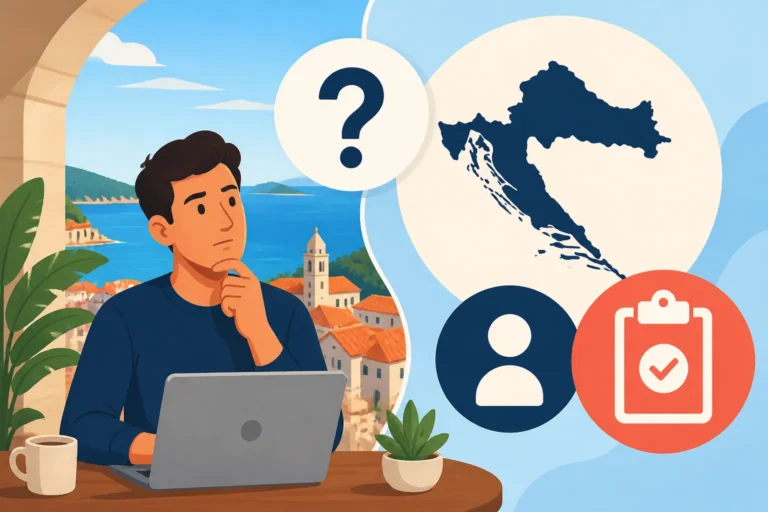
Croatian tax residency rules explain remote worker obligations under the 183-day limit and the Porezna Uprava centre of vital interests criteria.

File your annual Croatian tax return on ePorezna using your OIB, gather JOPPD forms, and complete Obrazac DOH by February.

Croatia expects to keep its twenty-five percent standard Value Added Tax rate in two thousand twenty-six alongside reduced rates.

Croatian residency is generally required to open a local bank account, but temporary digital alternatives help expats manage finances.

The personal identification number in Croatia is required for foreigners to open bank accounts, buy property, and register residence.
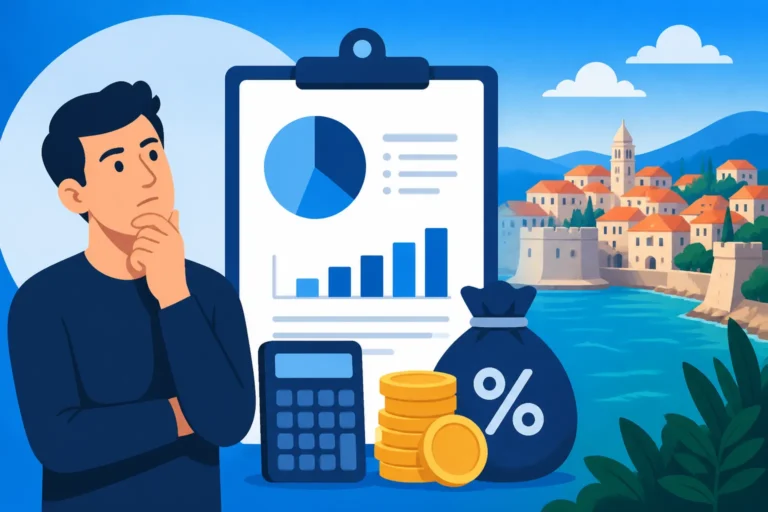
Croatian income tax rules for 2026 explain residency criteria, progressive rates, personal allowances, and diverse income sources for expatriates.