Can EU Citizens Work in Croatia Without a Permit?
European Union citizens can legally work in Croatia without permits, but must register temporary residence and obtain OIB numbers.
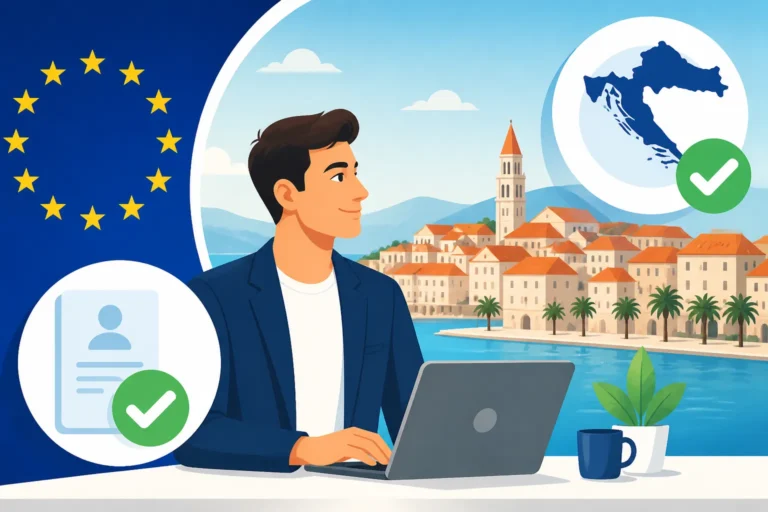
European Union citizens can legally work in Croatia without permits, but must register temporary residence and obtain OIB numbers.

Croatian tourism job applications require specific strategies for seasonal roles, visa rules, and local employment portals.

Projected average net salary figures in Croatia for 2026 reach fourteen hundred euros per month, with gross figures around two thousand euros.

University of Zagreb tuition ranges from zero for EU students up to 12,000 EUR annually, while private rent costs up to 800 EUR.

Finding a job in Croatia without speaking the local language requires targeting specific industries like tech and tourism while navigating local bureaucracy.

Registering a Paušalni Obrt in Zagreb requires a residency permit, personal identification number, and specific administrative steps.
The Croatian minimum wage for 2026 sets gross pay at 970 euros, explaining net take-home pay and living costs for expats.

The ENIC-NARIC and AZVO recognition process explains how United States citizens validate higher education credentials for Croatian employers.

The Croatian digital nomad permit requires foreign employment, prohibiting local work, and offers income tax exemptions for remote workers.
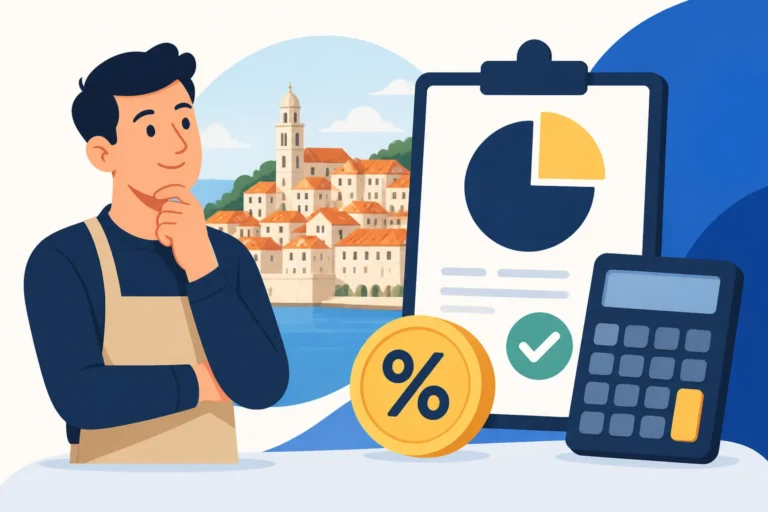
Paušalni obrt taxes in Croatia for 2026 cover five revenue brackets up to 40,000 EUR with fixed monthly health and pension contributions.