How Do I Convert My Obrt to a Regular Company in Croatia?
Oh, the obrt. It starts as this beautiful, simple thing, doesn't it? A quick way to get your business off the ground here in Croatia, especially if you’re coming from a world where bureaucracy is a four-letter word. Many of us expats start with a paušalni obrt (flat-rate trade) because it seems like the path of least resistance. But then, you hit a wall. Your business is growing, you’re making more money, and suddenly, that straightforward obrt starts to feel like a pair of shoes two sizes too small. It’s a common frustration, and this guide is here to walk you through how to navigate that exciting, albeit somewhat daunting, transition from your obrt to a more robust, regular company structure like a d.o.o. in Croatia.
Why Consider Converting Your Obrt to a d.o.o. Limited Liability Company?
When you first set up your obrt, the simplicity is incredibly appealing. Low overhead, minimal accounting, and a fixed tax rate make it a dream for solopreneurs or those testing the waters. I remember the relief of getting mine set up, thinking, "Finally, I can just focus on my work!" But as your business flourishes, you start to bump into the inherent limitations of this structure. It's not just about earning more; it's about what that growth means for your future, your security, and your ambition.
Understanding the Limitations of an Obrt
Let’s be honest, the biggest elephant in the room with an obrt is personal liability. When you operate an obrt, there’s no legal distinction between you, the individual, and your business. Your personal assets – your car, your apartment, your savings – are fair game if your business incurs debt or faces legal issues. This is a massive risk, especially as your projects grow in scope and value. Imagine a client dispute or an unforeseen accident where you’re held liable; suddenly, your entire life savings could be on the line. For many of us, this thought alone is enough to start exploring alternatives.
Beyond personal liability, there are also very real growth ceilings, especially with a paušalni obrt. The generous fixed tax rate, which makes it so attractive, only applies up to a certain income threshold. Once your revenue starts exceeding that, you're either forced to switch to a different obrt tax model (which is more complex) or seriously consider a d.o.o.. It feels like you’re being penalized for your success, doesn't it? This limit can stifle expansion, make you hesitant to take on larger projects, or even prevent you from hiring staff, all because you’re trying to stay under a specific income cap. Many find themselves wondering, "How Much Tax Does a Paušalni Obrt Pay in Croatia in 2026?" and quickly realize the fixed benefits diminish with higher income.
Then there's the perception of credibility. While an obrt is perfectly legitimate, larger companies, international clients, or even potential investors might view a d.o.o. as a more "serious" or established entity. It’s an unspoken bias, but it exists. When you’re pitching for a significant contract, having that d.o.o. suffix can sometimes open doors that might remain closed to an obrt.
The Advantages of a d.o.o. for Growing Businesses
So, what does a d.o.o. (društvo s ograničenom odgovornošću), or Limited Liability Company, bring to the table? The clue is right there in the name: limited liability. This is the cornerstone. As a separate legal entity, a d.o.o. protects your personal assets from business debts and obligations. If the company goes south, generally, only the company's assets are at risk, not your personal savings or property. This peace of mind is invaluable as your business grows and takes on greater responsibilities.
Beyond asset protection, a d.o.o. offers a more professional image. It signals stability and a certain level of commitment, which can be crucial when dealing with banks, investors, or large corporate clients. It shows you’re serious about scaling and building something sustainable.
A d.o.o. also provides much greater scalability. It's a structure built for growth. You can more easily attract investors, issue shares, and bring on partners. If you plan to expand, diversify your services, or eventually sell your business, the d.o.o. framework is significantly more accommodating. You're no longer limited by personal income thresholds in the same way, allowing your business to truly thrive. While the tax implications shift from a fixed rate to a profit-based corporate tax, this often comes with more opportunities for deductions and strategic financial planning, which a good accountant can help you navigate. It’s a bigger pond, but it also means more room to swim. If you're comparing the journey to becoming a full-fledged company, you might want to review How Do I Open a d.o.o. Company in Croatia?.
The Step-by-Step Process of Conversion: From Obrt to d.o.o.
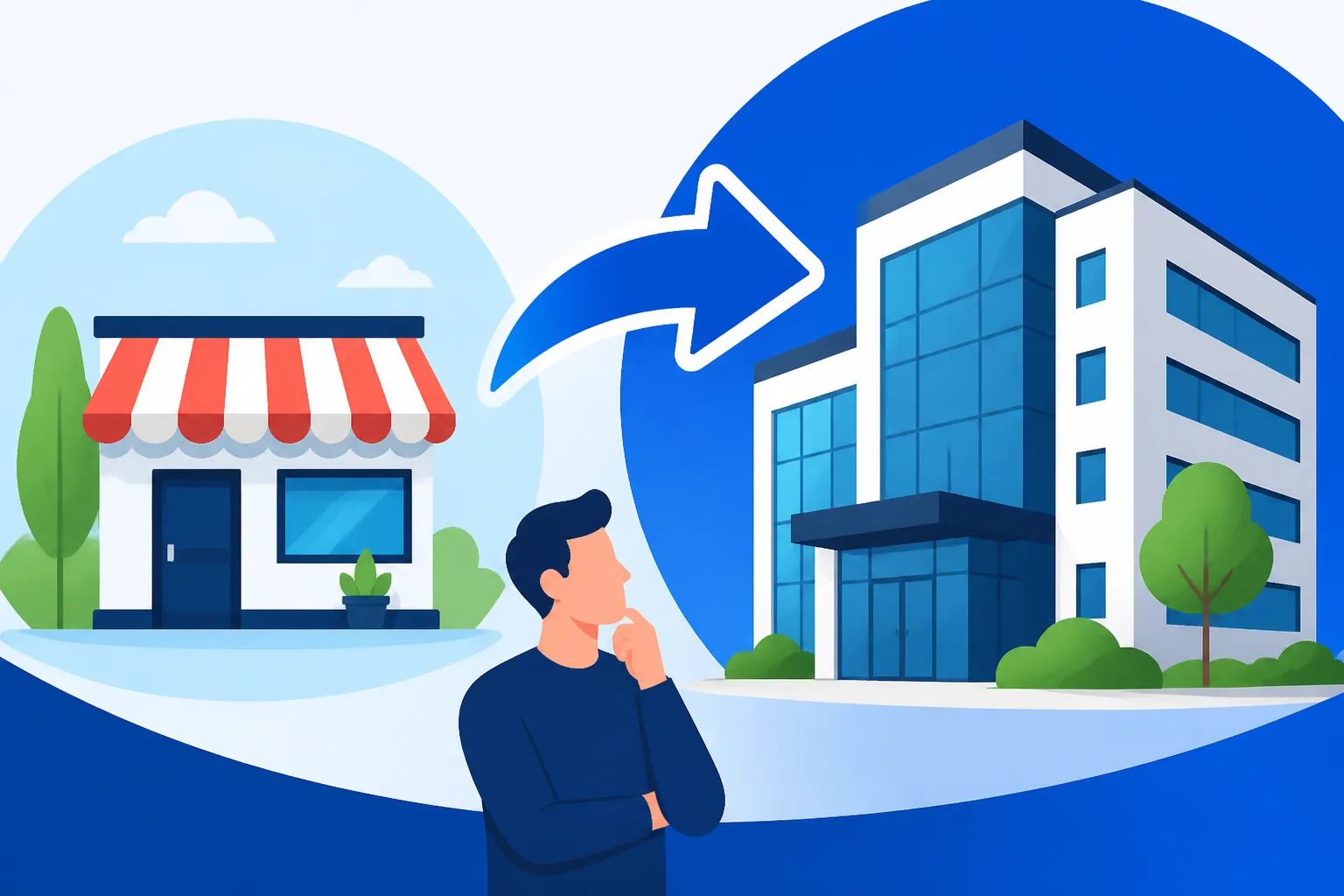
Converting your obrt to a d.o.o. isn't a direct "conversion" in the sense of simply ticking a box. It's more accurately described as closing your obrt and opening a new d.o.o.. This might sound intimidating, but with the right guidance, it’s a manageable process. You’re essentially transitioning from one legal form to another, and this requires careful planning and execution.
Initial Planning and Legal Consultation
Before you even think about official paperwork, the very first step is to seek professional advice. Trust me on this one. Trying to navigate Croatian business law on your own is a recipe for headaches and potential costly mistakes. You'll need to find an accountant and/or a lawyer who specializes in company formation and, ideally, has experience with expat entrepreneurs. They can help you understand the nuances, prepare documents, and ensure you comply with all local regulations. Many expats find great value in services provided by firms like Taxes for Expats who understand the complexities of international tax and business structures.
During this planning phase, you'll need to decide on a company name for your new d.o.o.. It needs to be unique and available. You’ll also define your core business activities, known as djelatnosti. These are crucial as they dictate what your d.o.o. is legally allowed to do.
A key financial aspect of forming a d.o.o. is the share capital. Currently, the minimum share capital required for a d.o.o. in Croatia is €2,500. This amount needs to be paid into a temporary bank account during the setup phase. It's not a fee you lose; it’s capital that belongs to the company, and you can use it for business operations once the company is officially registered.
Formalizing the d.o.o. Establishment
Once your plan is solid, you'll move into the formal establishment phase. This involves several critical stops:
- Notary Public (Javni Bilježnik): This is where it all begins. You'll sign the Memorandum of Association (Društveni Ugovor) or a Sole Shareholder Statement (Izjava o osnivanju) if you're the only owner, along with other necessary documents. The notary will officially certify your signatures and documents. They'll also handle the deposit of your share capital into the temporary company bank account.
- Commercial Court (Trgovački Sud): After the notary, your lawyer or accountant will submit all the notarized documents to the Commercial Court. This is where your d.o.o. officially gets registered in the court register (Sudski Registar). Once registered, your company will receive its unique company registration number (MBS) and become a legal entity. This process typically takes a few weeks, sometimes longer depending on the court's backlog.
- FINA (Financijska Agencija): After court registration, you'll head to FINA to open your company's official bank account. You'll need the court decision, your OIB (Personal Identification Number), and the company's registration documents. FINA will also assign your company a statistical number (Matični broj), which is used for various statistical purposes. Opening a business bank account is a core part of this transition, so you might want to refer to How to Set Up a Business Bank Account in Croatia.
Deregistering Your Obrt
While you’re busy setting up your d.o.o., you also need to meticulously close down your obrt. This isn’t something you just let lapse. Proper deregistration is vital to avoid future liabilities or administrative headaches.
- Tax Administration (Porezna Uprava): You’ll need to inform the tax administration that you are ceasing your obrt operations. This involves filing your final tax returns for the obrt, settling any outstanding tax obligations, and ensuring all previous invoices are accounted for. This part can be tricky, especially if you're transitioning mid-year, so having a good accountant is paramount. For a deeper dive into tax obligations for the self-employed, you could read Understanding Health Coverage for Self-Employed (Obrt) Workers in Croatia.
- HZMO (Hrvatski Zavod za Mirovinsko Osiguranje) and HZZO (Hrvatski Zavod za Zdravstveno Osiguranje): These are the Croatian pension and health insurance funds, respectively. You'll need to deregister yourself as an obrt owner, as your social contributions will now be handled through your d.o.o., or if you become an employee of your d.o.o., they will be paid through salary. Make sure this is done correctly to avoid gaps in your insurance coverage. Understanding Social Security Contributions (Doprinosi) in Croatia can be helpful here.
- Local Authorities: Depending on your specific obrt activities, you might have registered with local trade registers or obtained specific permits. Ensure you formally close these registrations as well.
Key Considerations and Potential Hurdles for Expats
Converting your business structure in a foreign country is never a walk in the park. As expats, we often face additional layers of complexity, from language barriers to unfamiliar legal nuances. It's crucial to be prepared for these challenges.
Financial Implications and Tax Adjustments
The shift from an obrt to a d.o.o. brings significant changes to your financial and tax landscape. If you were running a paušalni obrt, you enjoyed a simple, fixed tax based on your activity and municipality. With a d.o.o., you're entering the world of corporate tax. This means your company's profits will be taxed, and then any income you take out as salary or dividends will be subject to personal income tax. This dual taxation system requires a more sophisticated approach to accounting and financial planning.
Your accounting complexity will increase significantly. Forget the simple excel sheet of your obrt days; a d.o.o. requires proper double-entry bookkeeping, detailed financial statements, and regular reporting to the tax authorities. This almost certainly means hiring a qualified accountant. A good one will be your best friend, not just keeping you compliant but also helping you optimize your tax situation. They can help you understand Understanding Corporate Profit Tax (Porez na Dobit) in Croatia and navigate deductions. Companies like Taxes for Expats specialize in this kind of intricate financial guidance, which can be a lifesaver for expats.
Administrative Burdens and Language Barriers
Let's not sugarcoat it: Croatian administration can be a beast. Even for Croatians, navigating the various institutions – the notary, the court, FINA, the tax office – can be a test of patience. For expats, the language barrier often turns this test into an epic saga. While many younger officials might speak English, the official forms, legal documents, and subtle interpretations often require a deep understanding of Croatian.
This is where having a trusted local contact is invaluable. An accountant or lawyer who is fluent in Croatian and understands the administrative culture can smooth over countless potential issues. They can speak the local dialect of bureaucracy, translating not just words but also expectations and unspoken rules. While hiring a local expert is paramount, improving your own Croatian can also empower you. You might consider platforms like iTalki to practice everyday Croatian, which can help immensely when dealing with less formal interactions or understanding basic instructions.
Timeline and Costs Involved
Be realistic about the timeline. Converting your business isn't an overnight process. From initial consultation to full d.o.o. registration and obrt deregistration, you’re looking at several weeks, if not a couple of months, depending on the efficiency of the various institutions and how quickly you can gather all necessary documents. Don’t wait until the last minute if you’re approaching your obrt income limits!
The costs involved typically include:
- Notary fees: For drafting and certifying documents.
- Commercial Court fees: For company registration.
- Share capital: The minimum €2,500, which is deposited into the company's account.
- Accountant/Lawyer fees: For their services in guiding you through the process, preparing documents, and handling filings. This can be a significant cost but is an investment in proper establishment.
- Bank fees: For setting up and maintaining the company bank account.
While exact figures fluctuate, budgeting at least €3,000-€4,000 on top of the share capital for initial setup fees and professional services is a reasonable starting point. Remember, these are investments in securing your business's future and ensuring legal compliance.
After the Conversion: Running Your d.o.o.
Once the dust settles and your d.o.o. is officially up and running, congratulations! You’ve successfully navigated a complex administrative maze. But the journey doesn’t end there; it simply shifts gears. Operating a d.o.o. comes with new responsibilities and opportunities.
Ongoing Compliance and Reporting
The administrative side of a d.o.o. is considerably more involved than an obrt. You'll have regular financial reporting obligations, including monthly or quarterly VAT filings (if you're a VAT payer), annual corporate income tax returns, and various other reports depending on your specific activities. You'll also need to ensure proper payroll processing if you're taking a salary or employing others, handling pension and health contributions (HZMO and HZZO) correctly.
This is where your chosen accountant truly shines. They will be responsible for keeping your books in order, preparing financial statements, and ensuring all deadlines are met. Good record-keeping on your part – keeping all invoices, receipts, and bank statements organized – will make their job, and your life, much easier. For a broader overview of your tax obligations as an expat, check out The Complete Guide to Taxes in Croatia for Expats (2027).
Strategic Growth and Future Planning
With the d.o.o. structure, your business now has a solid foundation for more ambitious growth. You can confidently pursue larger contracts, apply for business loans, or even look into attracting external investment. The limited liability protection allows you to take calculated risks without jeopardizing your personal financial stability.
You'll also have more flexibility in how you manage your income and expenses, potentially utilizing various tax deductions available to companies. If you plan to expand and hire employees, the d.o.o. structure is built for this, although hiring in Croatia comes with its own set of rules and regulations. This opens up entirely new avenues for development and expansion that were simply not feasible under the obrt model.
While the transition can feel overwhelming, especially when dealing with a different language and legal system, remember why you're doing it: to give your growing business the secure, scalable, and professional framework it deserves. It's a testament to your hard work and vision, and it sets you up for even greater success here in Croatia.
Disclaimer
The information provided in this guide is for general informational purposes only and does not constitute legal, financial, or professional advice. While we strive to provide accurate and up-to-date information, laws and regulations in Croatia are subject to change. It is essential to consult with qualified legal and financial professionals familiar with Croatian law and your specific circumstances before making any decisions regarding your business structure. We do not accept responsibility for any loss which may arise from reliance on the information in this guide.