How Do I Open an Account at OTP or Raiffeisen in Croatia?
Navigating the labyrinthine world of Croatian bureaucracy can feel like a full-time job for expats, and setting up a bank account is often one of the first, and most frustrating, hurdles. It’s not always as straightforward as walking into a branch, signing a few papers, and walking out with a debit card. This guide is here to demystify the process of opening an account specifically with OTP Banka or Raiffeisen Bank (RBA) in Croatia, helping you understand what to expect and how to prepare for a smoother experience.
Why OTP and Raiffeisen? Understanding the Local Landscape
When you first arrive in Croatia, you'll quickly realize that while there are many banks, not all are created equal in terms of expat-friendliness or widespread presence. OTP Banka and Raiffeisen Bank (often just called RBA here) are two of the larger, more established banks with extensive branch networks across the country. This means you're likely to find a branch in most cities, from Zagreb to Split, Dubrovnik, and even smaller towns. They also tend to have more robust online banking platforms and a better understanding of foreign residents' needs, which, let's be honest, is a huge relief when you’re trying to manage your finances in a new country.
OTP Banka: A Closer Look
OTP Banka is one of the biggest banks in Croatia, a subsidiary of the Hungarian OTP Group. It's known for its broad coverage and generally competitive offerings. For many expats, the sheer number of ATMs and branches is a significant plus, especially when you're still figuring out the lay of the land. Their online banking and mobile app, "OTP m-banking," are quite functional, allowing for a range of transactions from checking balances to making transfers and paying bills. This is crucial because, let's be honest, standing in line at a bank branch for every little thing is a nightmare we'd all rather avoid. They offer various types of accounts, including current accounts (tekući račun) in HRK (though now primarily EUR) and foreign currency accounts (devizni račun), savings accounts, and even investment options once you're settled. Many expats find their customer service to be quite helpful, with English-speaking staff often available in larger city branches.
Raiffeisen Bank International (RBA): What to Expect
Raiffeisen Bank, or RBA as it's commonly known here, is another major player, part of the larger Austrian Raiffeisen Banking Group. Similar to OTP, RBA boasts a strong presence and offers a comprehensive suite of banking services. Their "RBA na dlanu" mobile app and online banking portal are considered modern and user-friendly, which is a major advantage for day-to-day financial management. They also cater to a wide range of clients, from individuals to small businesses, which is important if you're thinking about How to Register a Paušalni Obrt (Flat-Rate Trade) in Croatia or any other form of self-employment. RBA often has a dedicated international client desk in bigger branches, making the initial setup process potentially smoother for non-Croatian speakers. They also offer various types of accounts, including current accounts, savings, and investment products, tailored to different needs.
| Feature | OTP Banka | Raiffeisen Bank (RBA) |
|---|---|---|
| Branch Network | Extensive, widespread across Croatia | Strong presence, particularly in urban areas |
| Online/Mobile App | "OTP m-banking" – functional, covers essentials | "RBA na dlanu" – modern, user-friendly, feature-rich |
| Expat Support | English-speaking staff in larger branches | Often has dedicated international client desks |
| Account Types | Current, foreign currency, savings, investments | Current, foreign currency, savings, investments |
| Fees | Generally competitive, package options available | Competitive, various account packages |
| ATM Access | Large network, free withdrawals for customers | Good network, free withdrawals for customers |
The Paperwork Pilgrimage: Documents You'll Absolutely Need
Ah, paperwork. The bane of every expat's existence, isn't it? Opening a bank account in Croatia is no different; it requires a rather specific set of documents, and missing even one can send you back to square one. This is where your patience will truly be tested, so take a deep breath and prepare thoroughly. The banks are bound by strict anti-money laundering and know-your-customer (KYC) regulations, so they can't make exceptions.
Essential Documents for All Expats
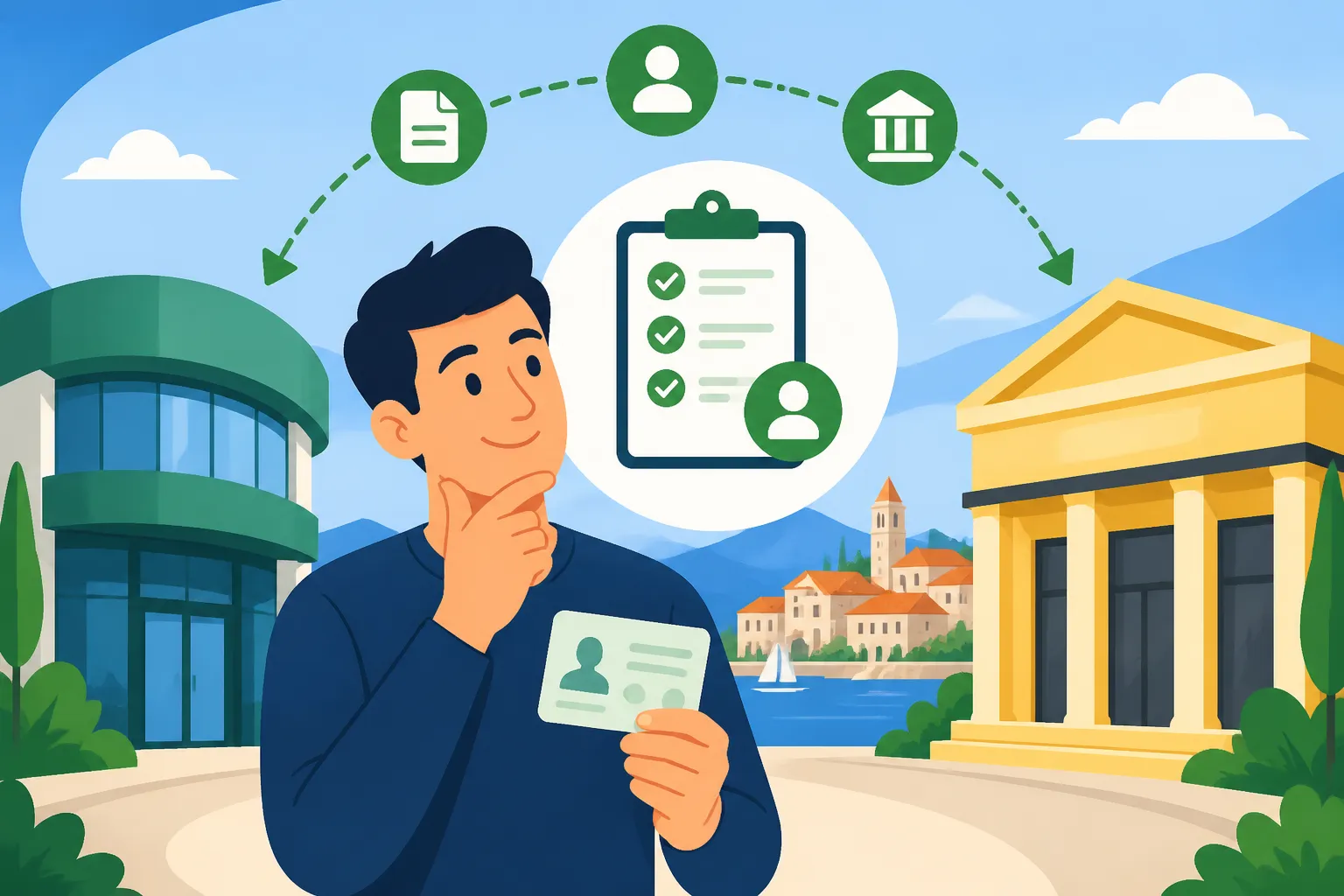
No matter if you're working, retired, or on a digital nomad visa, certain documents are universally required. Get these in order before you even think about stepping into a bank branch:
- Valid Passport or EU ID Card: This is your primary identification. Ensure it's valid for at least six months beyond your intended stay. If you’re an EU citizen, your national ID card will suffice.
- OIB (Personal Identification Number): This nine-digit number is absolutely critical for any financial transaction in Croatia, including opening a bank account. You simply cannot do anything official without it. If you don't have one yet, you need to obtain it from the Tax Administration (Porezna Uprava) first. Don't worry, the process for How to Get an OIB (Personal Identification Number) in Croatia is relatively straightforward, but it’s an extra step.
- Proof of Residence in Croatia: This can be your temporary residence permit (privremeni boravak), a rental agreement registered with the MUP (Ministry of Interior), or a certificate of registered residence from the MUP. Banks need to confirm you're a legitimate resident. Sometimes they’ll accept a utility bill in your name, but a MUP document is always best.
- Proof of Income/Funds: Banks need to see that you have a legitimate source of funds. This could be:
- Employment Contract: If you're employed by a Croatian company.
- Pay Slips: From your current employer (Croatian or foreign).
- Pension Statement: If you're a retiree.
- Bank Statements from your Home Country: Showing consistent income or significant savings. This is particularly relevant for digital nomads or those who are self-employed with foreign clients. For these situations, having clear documentation of income from platforms like Wise or other international transfer services can be very helpful.
- Proof of Purpose for the Account: While often implicitly understood, sometimes they might ask you to state why you need the account. "For daily living expenses and salary deposit" is usually sufficient.
It's always a good idea to bring both original documents and photocopies. While most banks will scan your originals, having copies ready can sometimes speed things up.
Additional Documents for Specific Situations
Depending on your status in Croatia, you might need a few more pieces of paper. It's always better to over-prepare than to be sent away empty-handed.
- For the Self-Employed (Paušalni Obrt, d.o.o.): If you're running your own business, even a simple paušalni obrt, you'll need to show your registration documents from HITRO.HR or the relevant commercial court. This demonstrates the legitimacy of your business activity. You might also need to articulate your expected income and the nature of your business. Remember, your personal account might be linked to your business activities for tax purposes, so having a clear understanding of Understanding Health Coverage for Self-Employed (Obrt) Workers in Croatia and How Much Tax Does a Paušalni Obrt Pay in Croatia in 2026? is also important.
- For Students: A valid student ID and proof of enrollment at a Croatian educational institution will be necessary. You might also need to show proof of funds for your studies, which could be a scholarship letter or a bank statement from your parents.
- For Digital Nomads: While your digital nomad permit (dozvola za boravak digitalnih nomada) covers your residence, banks will still want to see consistent proof of foreign income. This can be challenging as the income sources are varied. Presenting invoices, contracts with foreign clients, and bank statements clearly showing regular transfers from your employer or clients is essential. Showing transfers from services like Wise into your previous bank account can serve as excellent proof of regular foreign income. You will also need to declare your tax residency status, as this impacts how your foreign income is viewed, so understanding Tax Residency in Croatia: A Definitive Guide for Expats (2027) is paramount.
Make sure all foreign-language documents are translated into Croatian by a certified court translator. This is a non-negotiable requirement for official purposes here.
The Step-by-Step Gauntlet: Opening Your Account
So you've gathered all your documents, had them translated, and you're ready to face the bank. Fantastic! While OTP and RBA are generally better equipped to handle expats, it's still a process that requires patience and clear communication.
The Initial Visit and What to Ask
Your first step is to visit a branch. For the best experience, especially if your Croatian isn't fluent, try to find a larger branch in a city like Zagreb or Split. These branches are more likely to have English-speaking staff or a dedicated international desk. You might even be able to book an appointment in advance, which is always a good idea to avoid long waits.
When you walk in, explain clearly that you are a foreign resident and wish to open a current account (tekući račun) and potentially a foreign currency account (devizni račun), usually for euros, but possibly for dollars or other major currencies depending on your needs. Here are some key questions to ask:
- What are the monthly fees? Ask about any maintenance fees for the account and card.
- Are there any package deals? Some banks offer bundles that include online banking, SMS alerts, and other services for a flat monthly fee.
- What are the fees for international transfers? This is crucial, especially if you'll be receiving money from abroad or sending it home. Compare this with services like Wise for larger transfers.
- How do I access online banking and the mobile app? They should guide you through the setup process and provide you with necessary codes or instructions.
- What documents do you specifically require for my situation? Reconfirming this in person, even if you think you have everything, can prevent wasted trips.
- What are the limits for ATM withdrawals and card payments? Good to know for daily budgeting.
Be prepared for a fair bit of form-filling. You'll sign declarations about your tax residency (which country you pay taxes in), your source of funds, and standard account agreements. This is where having read up on topics like Understanding Income Tax in Croatia: The Full Expat Guide will come in handy, as you'll be declaring your tax status.
Navigating the Process and Potential Hurdles
Once you've presented your documents and filled out the forms, the bank will process your application. This isn't always instant. It might take a few days for them to verify everything, especially if you have foreign income sources or a complex residence status.
Common hurdles often include:
- Language Barrier: Even in branches with English speakers, specific financial jargon can be tricky. Don't be afraid to ask them to slow down, repeat, or explain in simpler terms. Bringing a Croatian friend along can be invaluable.
- Missing or Incorrect Documents: As mentioned, this is the biggest culprit for delays. Double and triple-check everything. Make sure all names match exactly across all documents.
- Proof of Funds Scrutiny: If your income is irregular, comes from many sources, or is primarily in cash, banks might ask for more detailed explanations or further evidence. Be prepared to provide bank statements that show a clear financial history.
- Waiting Periods: Don't expect to walk out with an active account and a card the same day. The debit card usually arrives by mail to your registered Croatian address within 7-14 business days. Access to online banking might be activated sooner, but often requires an activation code sent separately.
Remember, the bank staff aren't trying to be difficult; they're following strict rules. A polite, prepared, and patient approach will always yield the best results.
After the Account is Open: What Happens Next?
Congratulations, you've successfully opened your account! This is a significant milestone in your expat journey. But the process doesn't end there. Now it's time to get comfortable with day-to-day banking in Croatia.
Online Banking and Mobile Apps
Both OTP and RBA offer robust online banking platforms and mobile apps (OTP m-banking and RBA na dlanu). These are your best friends for managing your finances efficiently. Make sure you get full instructions on how to activate and use them. They typically require a personal identification number (PIN) or a token device for logging in and authorizing transactions.
Through these platforms, you can:
- Check your account balance and transaction history.
- Make domestic transfers between your own accounts or to other Croatian accounts.
- Pay utility bills (often via barcode scanning with the mobile app, which is super convenient here!).
- Set up standing orders for regular payments.
- Manage your debit and credit cards (e.g., setting limits, temporarily blocking).
Getting comfortable with these digital tools will save you countless trips to the bank branch, allowing you to focus on enjoying life in Croatia. You can learn more about managing your money digitally by exploring articles like How to Set Up Online Banking and IBAN Transfers in Croatia.
Fees, Transfers, and Everyday Banking
Understanding the fee structure is crucial for avoiding unexpected charges. While the monthly maintenance fees are usually relatively low (often just a few euros), it’s the international transfer fees that can really add up. If you're frequently sending or receiving money from outside Croatia, compare the bank's exchange rates and transfer fees with dedicated international money transfer services like Wise. For many expats, services like Wise offer significantly better exchange rates and lower fees for transferring larger sums, making them an excellent complement to your Croatian bank account.
When it comes to everyday banking, your debit card will be widely accepted across Croatia. You can use it for purchases in stores, restaurants, and online. Cash is still king in some smaller establishments, so having some euros on hand is always a good idea. You’ll also want to understand The Cost of Healthcare in Croatia: A Complete Breakdown for Foreigners (2026) as many co-payments (participacija) might need to be paid directly, or you might need to reimburse costs from your account.
Finally, remember that your bank will periodically send you statements and important notices. While OTP and RBA often send emails for crucial updates, traditional mail is still used for things like new card deliveries or annual statements. Ensure your registered address is always up-to-date with your bank, and, just as importantly, with the MUP! For information on your broader tax obligations tied to your financial activities, especially if you have international income, consulting resources like Taxes for Expats could be very beneficial.
Disclaimer
Please note that banking regulations and procedures in Croatia can change. This guide is based on current information and personal experience, but it is always advisable to confirm the latest requirements directly with OTP Banka or Raiffeisen Bank before initiating any processes. Individual situations may vary, and professional financial or legal advice should be sought for specific circumstances.