How Much Money Can I Transfer Without Declaring It in Croatia?
Ah, the joys of moving money internationally! It's one of those administrative hurdles that can make even the most seasoned expat scratch their head, especially when trying to understand the Croatian system. Many of you arriving in Croatia, whether you're bringing your life savings or just a significant chunk of funds for a new start, probably wonder about the official limits and what you really need to declare. This guide is here to shed some light on how much money you can transfer into Croatia and what declarations might be required, helping you navigate the financial waters without unnecessary stress.
Understanding the Rules: Why Declaration Matters in Croatia
Let's be honest, the thought of government agencies poking into your finances isn't anyone's idea of a good time. But understanding why these rules exist, and specifically how they apply in Croatia, is the first step to feeling more comfortable and avoiding potential headaches. It’s not about catching you out, but rather about maintaining financial transparency and combating illicit activities.
The Croatian Tax Administration and AML/CTF Regulations
In Croatia, like most modern countries, there’s a robust system in place to monitor financial flows. The primary institution you’ll encounter (or rather, that will be monitoring things behind the scenes) is the Porezna Uprava, which is the Croatian Tax Administration. They are the gatekeepers when it comes to ensuring that funds entering the country are legitimate and that any tax obligations are met. This isn't just a local Croatian thing; it's part of a wider international effort against money laundering (AML) and terrorist financing (CTF). Croatia, as an EU member, is bound by strict European Union directives on these matters.
What this means for you is that there’s significant international cooperation between financial institutions and tax authorities. So, if you're moving money from your home country, there's a high chance that your home bank is already communicating with Croatian banks about the transfer. They're looking for anything that seems unusual or doesn't have a clear, justifiable origin. The last thing you want is for your legitimate funds to trigger a red flag simply because you weren't aware of the reporting mechanisms. It's often not the amount itself, but the lack of transparency or documentation surrounding it, that causes problems. If you're wondering how this whole system works, you might find our guide on how the Croatian Tax Administration (Porezna Uprava) Works incredibly helpful.
Defining "Declaration": What Does It Really Mean?
This is where a lot of confusion comes in. When people ask "How much can I transfer without declaring it?", they often have one of two scenarios in mind:
- Physical Cash at the Border: This is the classic "declaration" where you literally tell a customs officer how much cash you're carrying. If you're flying into Zagreb or driving across the border from, say, Bosnia and Herzegovina, you have a direct responsibility to declare certain amounts of physical currency. This is a very clear-cut rule, and we'll delve into the specifics shortly.
- Electronic Bank Transfers: This is a different beast entirely. When you send money electronically from one bank account to another, whether it's from your UK account to your new Croatian account or via a third-party service, your bank (and the receiving bank in Croatia) is already reporting these transactions. You, as an individual, generally don't "declare" an electronic transfer in the same way you would physical cash at the border. Instead, the banks have reporting obligations to the financial authorities, such as the Finančna agencija (FINA) in Croatia, for certain thresholds and suspicious activities. So, the question isn't really about you declaring it, but about the system automatically knowing about it. This is a crucial distinction that many expats misunderstand, leading to unnecessary worry or, conversely, a false sense of security.
The purpose of these declarations and reporting mechanisms is multifaceted. It's about preventing money laundering, ensuring tax compliance (e.g., if the funds are income or capital gains), and protecting the integrity of the financial system. It means that while you might not have to fill out a form for every transfer, the information is still very much in the system and visible to relevant authorities.
Thresholds and Scenarios for Money Transfers to Croatia
Now let’s get down to the nitty-gritty: the actual numbers and different ways you might bring money into Croatia. It's vital to differentiate between physically carrying cash and making electronic transfers, as the rules and implications are quite distinct.
Physical Cash Brought into Croatia
Imagine you’ve just sold your car back home and you want to bring the cash with you. Or perhaps you prefer to travel with a solid backup. For physical cash, there's a very clear, internationally recognized limit.
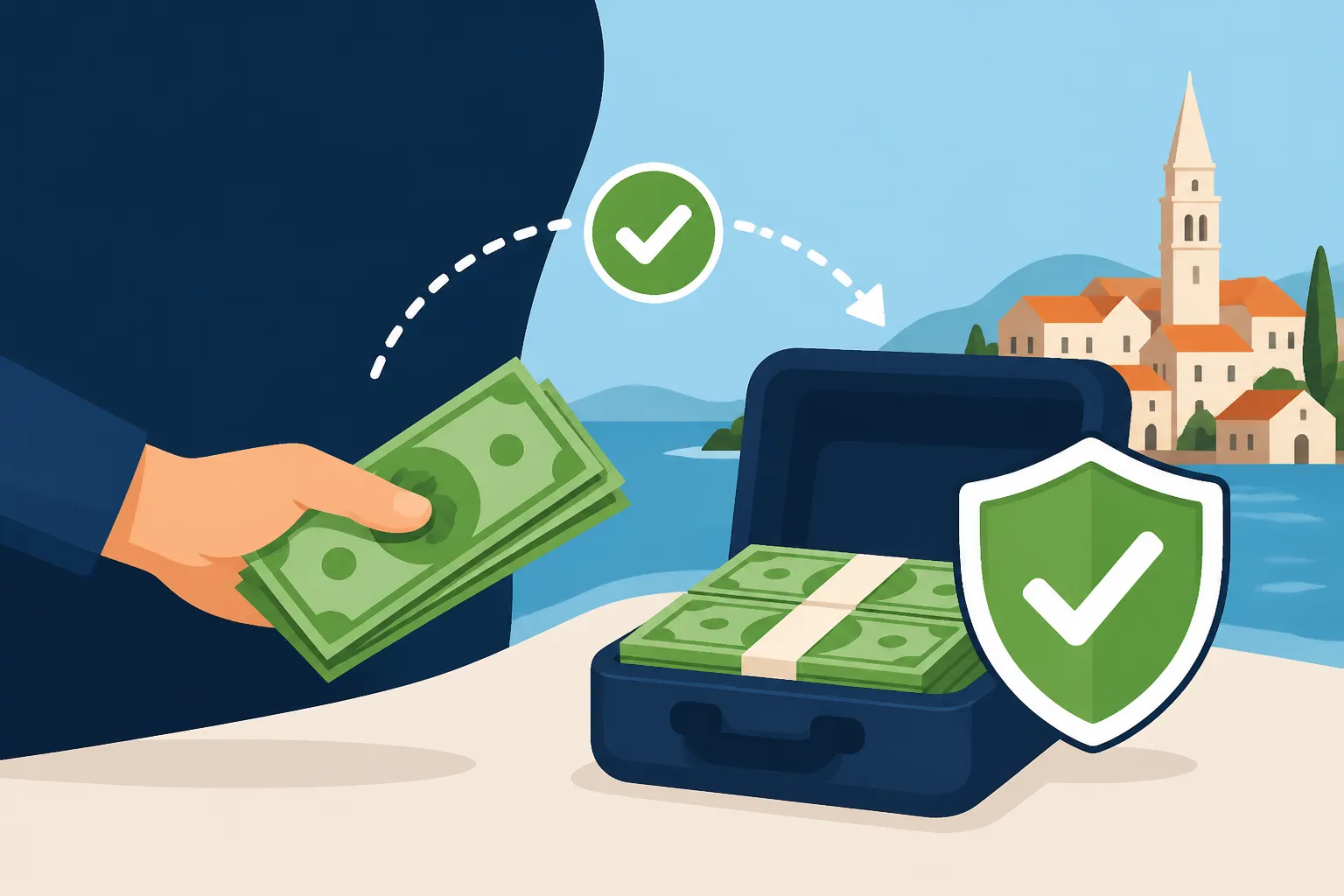
- The €10,000 Rule: If you are entering or leaving Croatia (or any EU country, for that matter) with €10,000 or more in cash (or its equivalent in other currencies), you must declare it to the customs authorities. This applies whether you're coming from another EU country or a non-EU country. This declaration is typically done by filling out a form at the border crossing or airport. This rule is not unique to Croatia but is part of EU regulations designed to combat illegal money flows. This threshold includes cash in any currency, as well as bearer negotiable instruments like cheques, traveller's cheques, and even certain types of precious metals. It's not just about the crisp banknotes in your wallet; it's about anything that can be immediately converted into cash.
Consequences of Non-Declaration:
Failing to declare cash above this limit can lead to serious consequences. At best, your cash might be temporarily seized while authorities investigate the source and purpose of the funds. At worst, you could face hefty fines, potentially up to 30% or more of the undeclared amount, and even criminal charges, especially if the funds are suspected to be linked to illegal activities. Trust me, explaining yourself in Croatian to a customs officer when your money is on the line is not how you want to start your expat adventure. Always, always declare if you're above the €10,000 mark. It’s a simple form and saves a world of trouble.
Electronic Bank Transfers and Reporting Requirements
This is where the idea of "not declaring it" really gets tricky for electronic transfers. The reality is, if money is moving through a regulated financial institution (like a bank or a money transfer service), it's always being reported to some extent. You, as the individual, don't typically "declare" these transfers in the same way you would cash at the border, but the banks certainly do their part.
-
Banks Report Everything: Every single electronic transfer, regardless of amount, leaves a digital trail. Croatian banks, much like banks everywhere, are mandated to report various transactions to financial intelligence units. While there isn't a single, universal "declaration threshold" for electronic transfers that an individual needs to worry about in the same way as physical cash, banks are especially vigilant about transactions exceeding certain amounts. For instance, many banks will have internal triggers for increased scrutiny on transfers above €15,000, and often even lower if the transaction appears unusual or out of character for your account. This doesn't mean these amounts are "illegal"; it just means the bank might be extra diligent in ensuring compliance with AML/CTF regulations. They might contact you to inquire about the source and purpose of the funds. This is a normal part of their due diligence process.
-
The Myth of "Undetected" Transfers: Don't fall for the idea that you can move substantial sums electronically without the financial system knowing. Financial institutions are interconnected, and data sharing between countries for tax and anti-money laundering purposes is standard. If you’re opening a bank account in Croatia, you'll likely go through a thorough KYC (Know Your Customer) process, requiring your OIB (Personal Identification Number) and various documents. The bank will then monitor your account activity. If you want to understand more about getting your OIB, check out our guide on How to Get an OIB (Personal Identification Number) in Croatia.
Repeated Smaller Transfers vs. One Large Transfer
Some expats think they can circumvent scrutiny by breaking down a large sum into many smaller transfers – a practice often called "structuring." While it might seem clever on the surface, banks and financial intelligence units are highly sophisticated at detecting this kind of activity.
-
Detecting Structuring: Financial systems are designed to spot patterns. If you consistently transfer amounts just under a common reporting threshold (e.g., sending €9,000 multiple times instead of one €30,000 transfer), this can actually raise more suspicion than a single, well-documented large transfer. Such activity often triggers an automatic review by the bank’s fraud or compliance department. They're looking for signs that someone is trying to avoid detection, and structuring is a classic red flag.
-
The Source of Funds is Key: What truly matters to the Croatian Tax Administration (Porezna Uprava) isn't just the amount or frequency of your transfers, but the source of those funds. If you're transferring your life savings from the sale of a property, that's generally fine, provided you can prove it. If the funds are income, then they might be subject to income tax in Croatia, depending on your tax residency status. This is where getting advice from professionals like Taxes for Expats can be incredibly useful to ensure you’re compliant with all regulations both in Croatia and in your home country. Understanding your tax obligations for different types of income is crucial, and our guide on Understanding Income Tax in Croatia: The Full Expat Guide covers this in detail.
The Consequences of Non-Compliance and Best Practices
Navigating financial regulations can feel like walking through a minefield, but with the right approach, you can ensure your funds are moved legally and transparently. Ignoring the rules, however, can lead to some truly unpleasant situations.
Potential Penalties and Investigations
Let's not sugarcoat it: if the Croatian authorities suspect you're trying to evade declarations or taxes, or if there's a whiff of undeclared income, they will investigate. And those investigations can be thorough, time-consuming, and incredibly stressful.
- Fines and Freezing of Funds: The most immediate consequence for undeclared physical cash can be significant fines, often a percentage of the undeclared amount, and the temporary seizure or even forfeiture of the funds. For electronic transfers, if a bank flags a transaction and you can't provide satisfactory documentation about the source, they can freeze the funds. This means your money is stuck, inaccessible, while they investigate. Imagine needing those funds for rent or daily expenses and being unable to touch them. It's a nightmare scenario that can easily be avoided by being proactive and transparent.
- Tax Audits and More: If the Porezna Uprava finds discrepancies between your declared income (or lack thereof) and large incoming transfers, they can initiate a tax audit. This can lead to demands for back taxes, penalties, and interest. For larger sums, or if criminal activity is suspected, you could even face criminal charges. It's simply not worth the risk. Understanding your obligations as a resident, including tax residency, is key, so don't miss our comprehensive guide on Understanding Tax Residency in Croatia: A Definitive Guide for Expats (2026).
Proving the Source of Funds
This is the golden rule for any significant money transfer: always be able to prove the source of your funds. Croatian banks and the Porezna Uprava are primarily interested in knowing where your money came from and whether it's legitimate.
- What They Ask For: When a bank asks for the "source of funds," they're looking for official documentation. This could include:
- Sale of Property: A copy of the sales contract for your house or apartment.
- Inheritance: Official probate documents or a will.
- Savings: Bank statements showing the accumulation of funds over time.
- Salary/Business Income: Pay slips, employment contracts, business invoices, or tax returns.
- Gifts: A notarized gift deed, especially for large sums from family members.
- Investments: Documentation of stock sales or other investment liquidations.
- Why It Matters: Having these documents ready and in good order will smooth the process immensely. If you can clearly demonstrate that your funds originated from a legitimate source, you generally won't face issues. This is an area where services like Taxes for Expats can provide expert guidance, helping you gather the right documentation and present it correctly to Croatian authorities, ensuring compliance and peace of mind. Keeping good records is not just good practice, it's essential for anyone navigating the Croatian financial landscape, especially when it comes to things like filing your annual tax return in Croatia: The Complete Walkthrough (2026).
Tools for Transparent and Efficient Money Transfers
When it comes to electronic transfers, choosing the right platform can make a significant difference in both cost and transparency. You want a service that is reputable, compliant, and provides clear records.
- Traditional Banks: Your existing bank can, of course, transfer funds. However, they often come with higher fees and less favorable exchange rates compared to specialized services. While they will handle the reporting, the process might be slower and more opaque regarding conversion costs. If you're considering opening a local account, our guide on The Expat Guide to Opening a Bank Account in Croatia will be very useful.
- Specialized Money Transfer Services: This is where many expats find their stride. Services like Wise (formerly TransferWise) have revolutionized international money transfers. They offer:
- Transparent Fees: You see exactly how much you're paying and what exchange rate you're getting upfront. No hidden costs.
- Better Exchange Rates: They often use the mid-market exchange rate, saving you money compared to traditional banks.
- Speed: Transfers can be significantly faster, often arriving within hours or a couple of days.
- Compliance: Crucially, these services operate under strict financial regulations and handle all necessary reporting to authorities. You can trust that your transfers are being processed legitimately and that a clear paper trail is being maintained.
Many expats rely on Wise precisely because they prioritize transparency, which in turn helps you be transparent without extra effort. They provide detailed transaction histories, which are excellent for your own record-keeping. Whether you're moving a small sum or a larger amount, using a service that ensures all official reporting is handled correctly means fewer worries for you down the line.
Navigating the System: What Expats Should Do
So, you're planning to move money to Croatia. What are the practical steps you can take to make sure everything goes smoothly and legally? It’s all about being prepared and proactive.
Proactive Communication with Your Bank
One of the simplest yet most effective strategies is to talk to your Croatian bank before you make a significant transfer. This isn't strictly mandatory, but it can preemptively resolve issues and avoid delays.
- Inform Your Bank: If you're expecting a large sum of money, especially from a foreign account, call or visit your Croatian bank. Let them know the amount, the source of the funds (e.g., "proceeds from property sale," "inheritance," "life savings"), and when you expect it to arrive.
- Why This Helps: By giving them a heads-up, you allow their compliance department to flag your incoming transfer as "expected" and "explained." They might still ask for documentation, but having provided advance notice often smooths the process considerably. It shows you're transparent and have nothing to hide, which is exactly what they want to see. This also ties into knowing how to transfer money internationally from a Croatian account if you ever need to send money out.
Keeping Meticulous Records
This cannot be stressed enough. For any significant financial transaction, and especially for international money transfers, detailed record-keeping is your best friend.
- What to Keep: Keep copies of everything: bank statements from both the sending and receiving accounts, transfer confirmations from your chosen service (like Wise), and critically, all documents proving the source of your funds (e.g., property sale contracts, inheritance papers, employment letters, tax declarations, gift deeds).
- Organize Your Records: Whether it's a digital folder on your cloud drive or a physical binder, keep these documents organized and easily accessible. The last thing you want is to be scrambling to find a crucial document months or years later if an inquiry arises. Remember, the Croatian authorities can look back several years when conducting audits. This level of detail is especially important if you're dealing with funds that might be subject to capital gains tax in Croatia, for example, from the sale of shares or property.
Seeking Professional Advice
While this guide covers a lot of ground, every expat's financial situation is unique. What might be straightforward for one person could be highly complex for another, especially if you have multiple income streams, foreign assets, or unique family circumstances.
- When to Get Help: If you're dealing with very large sums, complex financial origins (like business sales, multiple inheritances), or if you're unsure about your specific tax residency implications, it's always wise to consult a professional. Croatian tax laws, while harmonized with the EU, still have nuances that can be tricky for foreigners.
- Who to Contact: A local Croatian tax advisor or a firm specializing in international expat taxation can provide tailored advice. They can help you understand your specific obligations, prepare necessary documentation, and ensure you're fully compliant with Croatian law. Services like Taxes for Expats are specifically designed to help foreigners navigate these intricate systems, offering peace of mind and ensuring you don't inadvertently fall foul of regulations. Don't forget that if you are a digital nomad, there are specific tax considerations, which you can learn about in our article: Do Digital Nomads Pay Tax in Croatia?
Navigating the financial landscape in a new country can be daunting, but by understanding the rules, being transparent, and keeping excellent records, you can ensure your money moves smoothly into your new life in Croatia.
| Type of Transfer | Threshold for Individual Declaration | What Happens Above Threshold | Key Consideration | Recommended Tool |
|---|---|---|---|---|
| Physical Cash | €10,000 (or equivalent) | Mandatory declaration to Customs | Source of funds, purpose of cash | Cash declaration form |
| Electronic Transfer | No individual declaration threshold | Banks report all transfers to authorities | Source of funds, anti-money laundering | Wise, Traditional Bank Transfer |
| "Suspicious" Activity | Any amount | Bank scrutiny, potential freezing of funds | Unusual patterns, inconsistent info | Transparent documentation |
Disclaimer
The information provided in this article is intended for general guidance only and does not constitute legal, financial, or tax advice. While we strive to provide accurate and up-to-date information, rules and regulations in Croatia can change, and individual circumstances vary. We strongly recommend consulting with a qualified Croatian legal, financial, or tax professional for advice tailored to your specific situation before making any financial decisions or transfers.