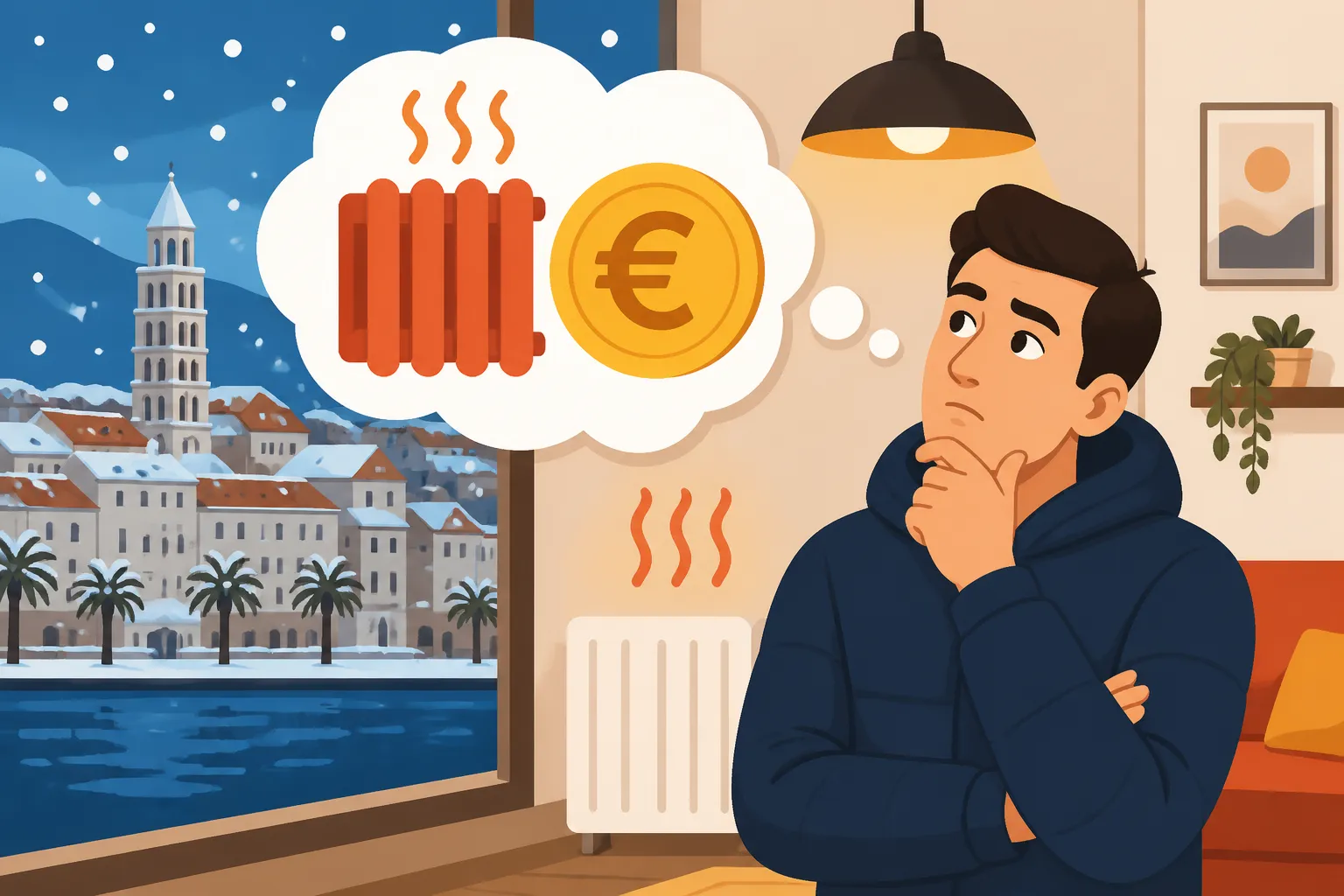
How Much Does It Cost to Heat an Apartment in Croatia in Winter?
One of the biggest worries that creeps up on expats and newcomers to Croatia, especially as summer fades and the chill starts to bite, is heating. It’s not just about turning a dial; it’s about understanding vastly different systems, insulation standards that might surprise you, and the very real impact these have on your wallet. This guide is here to unravel the mystery of heating costs in Croatia, offering realistic insights and practical advice to keep you warm without breaking the bank.
Understanding the Landscape of Croatian Heating Systems
When you first arrive in Croatia, you'll quickly realize that not all homes are created equal when it comes to staying warm. The heating system in your apartment can vary wildly depending on its location, age, and whether it’s part of a larger building or a standalone unit. This isn't like some countries where one central heating solution dominates; here, it's a patchwork, and understanding it is your first step to managing costs.
Central Heating vs. Individual Systems
Many apartments, particularly in larger cities like Zagreb, Split, and Rijeka, might be connected to a district heating system, often managed by a company like Zagrebački Holding's HEP-Toplinarstvo. This is what we call centralno grijanje. For you, this means a consistent heat source, often radiators that warm up based on the outside temperature, and your bill is typically calculated based on metered consumption or the size of your apartment and overall building usage. The upside is usually reliability and less hassle; you don't have to worry about maintaining a boiler or running out of fuel. The downside, however, can be a lack of individual control. Sometimes, you're paying for heat even when you'd prefer it cooler, and during milder periods, it can feel like you're throwing money away. Plus, if the building's insulation is poor, that warmth quickly escapes, and you're still on the hook for the heating company's charges.
On the flip side, many apartments, especially in older buildings or smaller towns, rely on individual heating systems. This could be anything from a gas boiler (plinski bojler) that heats radiators and your water, to electric convection heaters, or even robust air conditioning units that have a heating function (klime). With individual systems, you have much more control. You turn it on when you need it, set the temperature you prefer, and turn it off when you're out. This flexibility can be a blessing, allowing you to be more energy-conscious. However, it also means you're responsible for maintenance, and the direct cost of electricity or gas can fluctuate more acutely with your usage, potentially leading to eye-watering bills if you're not careful. For those setting up a new home, understanding these distinctions is vital, especially when figuring out how to set up electricity (HEP) in your Croatian home or dealing with gas connections.
Types of Fuel and Their Associated Costs
Croatia offers a diverse range of heating fuels, each with its own cost implications and environmental footprint. The predominant choices for residential heating are natural gas, electricity, and increasingly, wood pellets or traditional wood.
Natural gas is often the most economical choice where available, especially in larger urban areas. If your building has a gas boiler, you’ll typically pay a monthly bill based on your consumption, with prices varying slightly depending on your provider and current market rates. Gas heating provides a steady, comfortable warmth, and modern boilers are relatively efficient. The perceived stability of gas prices, though subject to global markets, often makes it a popular option. However, initial installation costs for a gas system can be significant if you're looking to upgrade, and not all areas have access to the natural gas grid.
Electricity is ubiquitous and convenient, but it can be quite expensive for heating, particularly if you're relying solely on electric heaters or older, less efficient air conditioning units during colder months. While modern inverter air conditioners are becoming more energy-efficient for both heating and cooling, running them constantly can still lead to high electricity bills, managed through your account with HEP. The comfort of instant heat from a plug-in device is undeniable, but it's a cost-benefit analysis you'll need to make. Be mindful of Croatia’s multi-tariff system for electricity, where night-time rates are considerably cheaper, but heating primarily during those hours isn't always practical.
Finally, wood and wood pellets are traditional and popular choices, especially in rural areas or apartments with chimneys. Wood stoves (peći na drva) or pellet stoves (peći na pelete) can provide a wonderfully cozy, radiant heat and are often seen as a more environmentally friendly option, particularly if sourcing local, sustainable wood. The fuel itself can be cheaper than electricity or gas, especially if bought in bulk during the off-season. However, there's the effort involved in buying, storing, and manually feeding the stove, not to mention the cleaning of ash. Pellet stoves offer a more automated experience but require electricity to run and rely on the availability of pellets, which have seen price fluctuations.
Factors Heavily Influencing Your Heating Bill
It’s not just what you use to heat your home; it’s how your home is built and how you live in it that truly determines your winter utility expenses. Many expats are often surprised by just how much older Croatian buildings can leak heat, leading to frustration and higher bills than anticipated.
Insulation and Apartment Age: The Unsung Heroes (or Villains)
This is a big one, perhaps the biggest. The age and construction quality of your apartment in Croatia will have a monumental impact on your heating costs. Many older buildings, especially those constructed during socialist times or even earlier, were built with minimal to no insulation standards. Think single-pane windows that rattle in the wind, exterior walls that feel cold to the touch even indoors, and leaky doors. In such properties, any heat you generate quickly escapes, forcing your heating system to work overtime just to maintain a comfortable temperature. This is a common source of expat frustration, where you feel like you're constantly heating the street rather than your living room. When looking for a place, pay close attention to the windows (double-glazing is a huge plus!), the thickness of the walls, and whether there's any visible insulation on the exterior of the building. Sometimes, even if a building looks well-maintained, the internal insulation might be lacking. This is where an energy performance certificate (Energetski Certifikat), if available, can provide valuable insight, though many older rental properties might not have one readily at hand.
In stark contrast, newer constructions in Croatia adhere to much stricter energy efficiency standards. These buildings typically feature thick thermal insulation, high-quality double or triple-glazed windows, and modern heating systems. While renting or buying in these newer buildings might come with a higher initial price tag, your monthly utility bills, especially for heating, will likely be significantly lower. It's a trade-off that often pays dividends in comfort and long-term savings. So, while the charm of an old stone house in Dalmatia or a grand Austro-Hungarian apartment in Zagreb is undeniable, be prepared for potentially eye-watering heating costs if modern insulation hasn't been retrofitted. This factor alone can make a small, well-insulated modern apartment cheaper to heat than a sprawling, poorly insulated older one.
Apartment Size and Personal Habits: Your Daily Impact
Beyond the physical attributes of your home, your own daily choices play a crucial role in your heating expenditure. A larger apartment, naturally, requires more energy to heat than a smaller one. A two-bedroom apartment will cost more to warm up than a studio, simply due to the increased volume of air and surface area to maintain. However, even within the same size category, two households can have vastly different bills based on their habits.
Are you someone who likes to keep your apartment at a balmy 23°C (around 73°F) throughout winter, even when you're out for hours? Or do you prefer a cooler 19°C (around 66°F) and layer up? Every degree makes a difference. Keeping your thermostat just one degree lower can lead to noticeable savings over the course of a winter. Your airing habits also contribute: while it's important to ventilate your home regularly to prevent dampness and refresh the air, leaving windows wide open for extended periods while the heating is on is like pouring money down the drain. A quick, intense airing for 5-10 minutes is far more efficient than constant "cracked window" ventilation. This includes simple things like ensuring your radiators aren't blocked by furniture or heavy curtains, which can trap heat and prevent it from circulating effectively throughout the room. When you're making your big move to Croatia, perhaps planning with a service like Sirelo, consider these small but impactful daily habits even before you arrive.
Estimated Costs and Budgeting Tips for Croatian Winters
Let's get down to the numbers, because that's often what expats are most anxious about. Keep in mind that these are estimates, and your actual costs will vary based on all the factors we've discussed: apartment size, insulation, heating system type, your personal comfort levels, and of course, the actual severity of the winter. Croatian winters can range from relatively mild on the coast to quite cold and snowy inland.
Monthly Cost Breakdowns: Some Real-World Examples
To give you a clearer picture, let's look at some hypothetical scenarios. These figures are approximations based on typical usage and current market prices (early 2020s, subject to change), illustrating the wide range of potential costs.
| Apartment Size | Heating System Type | Insulation Quality | Estimated Monthly Cost (EUR) | Notes |
|---|---|---|---|---|
| Studio (30-40 sqm) | Electric (AC/Radiator) | Poor/Average | 80 – 150+ | Common in older buildings, coastal areas. Can spike significantly if constantly on. |
| Studio (30-40 sqm) | Natural Gas Boiler | Good/New | 40 – 70 | Best-case scenario for smaller, well-insulated units with gas access. |
| 1-Bedroom (50-65 sqm) | Central Heating (City) | Average | 70 – 120 | Typical for city apartments. Cost influenced by building's overall efficiency. |
| 1-Bedroom (50-65 sqm) | Natural Gas Boiler | Average/Good | 50 – 90 | Good balance of comfort and cost for many. |
| 2-Bedroom (70-90 sqm) | Electric (AC/Radiator) | Average/Poor | 150 – 250+ | Can become very expensive, especially if multiple units or poor insulation. |
| 2-Bedroom (70-90 sqm) | Central Heating (City) | Average/Good | 100 – 180 | Depends heavily on the specific building's energy efficiency. |
| 2-Bedroom (70-90 sqm) | Natural Gas Boiler | Good/New | 70 – 130 | A very comfortable and relatively economical option for families. |
| House (100+ sqm) | Wood/Pellet Stove | Varies | 80 – 150 (fuel cost) | Initial investment in stove/installation, but fuel can be cheaper. Storage needed. |
As you can see, there's a huge range. A small, well-insulated apartment with gas heating might only set you back €40-€70 a month, whereas a larger, poorly insulated place relying on electricity could easily exceed €250. This is why it's so crucial to ask detailed questions about heating when viewing potential rentals or properties to buy. Factor these potential costs into your overall budget for living in Croatia. You'll also want to understand the system for how utilities are handled when renting, which often involves registering a rental lease with the Croatian Tax Administration.
Strategies for Saving Money on Heating
Alright, so you’ve got a rough idea of the costs. Now, how do you keep them as low as possible without turning into an icicle? Here are some tried-and-true expat tips that can genuinely make a difference:
First, optimize your thermostat usage. Don't just blast the heat when you're cold. If you have an individual system, use programmable thermostats (if available) to lower the temperature when you're away or asleep. Even dropping it by 2-3 degrees at night or during working hours can save a significant amount. For central heating, you might not have a thermostat, but you can often adjust individual radiator valves (termostatski ventili) to control heat distribution in specific rooms. Close off rooms you aren't using.
Second, seal those drafts! This is low-hanging fruit for many older Croatian apartments. Check around windows and doors for drafts. A cheap roll of self-adhesive weather stripping (samoljepljiva traka za brtvljenje) from your local hardware store (pevex, bauhaus, etc.) can work wonders. Heavy curtains can also provide an extra layer of insulation at night, trapping heat inside. If you're really committed, you can even explore temporary window films.
Third, embrace layers and warm drinks. This might sound obvious, but changing your mindset can save you cash. Instead of automatically reaching for the thermostat, put on an extra jumper, grab a blanket, or brew a warm čaj (tea). You’re living in Croatia now; adapt! Similarly, ensure you're getting enough light during the day; sunlight can naturally warm your apartment, especially if your windows face south.
Finally, consider using supplementary heating strategically. If you have an electric heater or a good quality air conditioner, use it to quickly warm up the room you're currently in, rather than trying to heat the entire apartment all day if you only occupy one or two rooms. Just be mindful of the cost of electricity. If you're looking for more general cost-saving insights, definitely check out our guide on The Complete Guide to Cost of Living in Croatia for Expats (2026).
Navigating the Bureaucracy of Utilities and Services
Even once you understand the costs, actually getting set up and deciphering your bills can be a hurdle for newcomers. The Croatian utility system, while generally reliable, can feel opaque and bureaucratic, especially if your Croatian language skills aren't yet fluent.
Setting Up Your Utility Accounts as a Newcomer
When you move into a new place in Croatia, whether you're renting or buying, one of your first tasks is to transfer or activate utility accounts in your name. For electricity, you'll be dealing with Hrvatska Elektroprivreda (HEP). For gas, it depends on your region, but local distributors are common, such as Gradska plinara Zagreb for the capital. Water and communal services are typically managed by municipal companies. The process usually involves presenting your OIB (personal identification number), proof of identity (passport/residence permit), and your rental contract or proof of ownership. This is why getting your OIB is one of the crucial first steps for any expat in Croatia.
Expect paperwork, and potentially multiple visits or calls, especially if there are any discrepancies from the previous tenant or owner. Landlords generally assist with this for rentals, but for purchases, you'll be on your own or rely on your real estate agent. It's a prime example of the administrative hurdles expats face, but it's entirely doable. For a more detailed walkthrough, our article on How to Set Up Electricity (HEP) in Your Croatian Home and How to Set Up Water and Gas Connections in Croatia are excellent resources.
Reading Your Bills and Understanding Usage
Ah, the Croatian utility bill! They can often look like a complex puzzle of numbers, abbreviations, and tiny print. Each bill will typically detail your consumption for the billing period (in kWh for electricity, m³ for gas, or m³ for water), the unit price, fixed charges, taxes, and any other municipal fees. Pay close attention to the dates for meter readings and payment due dates. Many bills can be paid online via banking apps, at Fina (Financial Agency) offices, Croatian Post offices (Hrvatska Pošta), or even some supermarkets.
If you have central heating in a building, your heating bill might come from a separate company and could be calculated based on individual meters (razdjelnici) on your radiators, or simply allocated based on apartment size if meters aren't installed. If you suspect an error or simply don't understand something, don't hesitate to contact the utility provider directly. Many larger companies have customer service lines, and with some patience, you might find an English-speaking agent. However, having a Croatian friend or a professional translator on hand can often expedite the process significantly. It's all part of the journey of navigating the Croatian healthcare system and, indeed, all administrative systems here.
Disclaimer
The information provided in this guide is intended for general informational purposes only and does not constitute professional advice. While we strive to ensure the accuracy and timeliness of the content, regulations and costs in Croatia can change frequently. Always consult with official sources, legal professionals, or relevant government bodies for the most current and specific information pertaining to your individual situation. We assume no responsibility for any decisions made based on the information provided herein.