Can I Keep My Foreign Bank Account While Living in Croatia?
Moving to a new country like Croatia is exhilarating, but let's be honest, the administrative side of things can feel like navigating a particularly thorny minefield. One of the biggest head-scratchers for new arrivals, right after figuring out how to get their OIB, is what to do with their old bank accounts. Many of us arrive with existing accounts back home, full of sentimental value (and, more importantly, funds!), and the thought of closing them down just feels… wrong. This guide is here to untangle the complexities and give you a realistic roadmap for managing your foreign bank accounts while building your new life here in Croatia.
Yes, You Can Keep Your Foreign Bank Account (But It’s Not Always Simple)
Let's cut right to the chase: In most cases, yes, you can absolutely keep your foreign bank account open while living in Croatia. This isn't a simple "keep it or lose it" scenario, but rather a "keep it, but understand the implications." Croatia is a part of the European Union, which generally means there's a free flow of capital, and you're not legally prohibited from maintaining bank accounts in other countries. However, the practicalities and, more crucially, the tax implications, are where things get interesting – and where many expats find themselves in a bit of a pickle if they're not careful.
The immediate relief often comes from knowing you don't have to sever ties with your financial past overnight. For many, a foreign account represents a connection to home, a familiar banking system, or perhaps a place where specific investments are held. You might think, "Great, problem solved!" but that's where the nuance comes in. While the Croatian government won't knock on your door demanding you close your account in London or New York, they will expect you to understand your tax obligations once you become a tax resident here. This distinction between being physically present and being a tax resident is paramount, and it's a common area of confusion and, frankly, stress for many.
Why Expats Choose to Keep Their Foreign Accounts
It's not just about sentimentality; there are very practical reasons why expats cling to their foreign bank accounts. The financial landscape back home is often familiar, easy to navigate, and sometimes simply more efficient for certain tasks.
Familiarity and Convenience
Think about it: you've likely been banking with the same institution for years, maybe even decades. You know their online portal like the back of your hand, understand their fee structures, and can resolve issues in your native language without resorting to Google Translate or charades. Moving to Croatia means a whole new set of administrative hurdles, from learning the local language to understanding new bureaucratic processes. The idea of adding "figure out a new banking system from scratch" to that already overflowing plate can be utterly daunting.
For many, their foreign bank account provides a comfort blanket. It’s where direct debits for streaming services, old insurance policies, or even family contributions might be set up. Having to untangle all of that and move it to a Croatian bank account can feel like a monumental task. The customer service might be in English, the app is intuitive, and you're spared the potential frustrations of dealing with a new bank in a new language, which, let's face it, is a legitimate concern when you're already juggling so much.
Managing Income and Investments from Abroad
This is a huge one. Many expats move to Croatia but continue to receive income from their home country. This could be a pension, rental income from a property they still own, dividends from investments, or even salary if they're working remotely for a foreign employer. If your income stream is still in dollars, pounds, or another currency, keeping a local account in that currency can make a lot of sense initially. It avoids multiple currency conversions, which can eat into your funds through fees and less-than-favorable exchange rates.
Furthermore, many people have investments, brokerage accounts, or retirement funds that are intrinsically linked to their country of origin. Transferring these can be incredibly complex, time-consuming, and sometimes even impossible due to international regulations or the specific terms of the investment. For these expats, the foreign account isn't just a convenience; it's a necessity for managing their long-term financial health and assets that are inherently tied to another jurisdiction. These accounts are often not just current accounts but complex financial products that require a deep understanding of local laws and tax implications, both at home and in Croatia.
Lower Fees for International Transfers
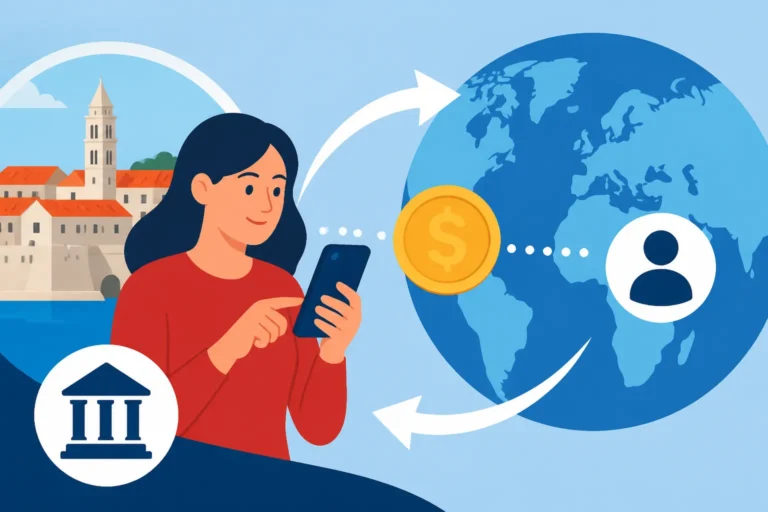
Let's be real, moving money across borders can be shockingly expensive, with hidden fees and abysmal exchange rates. This is where services like Wise (formerly TransferWise) really shine and why many expats choose to keep foreign accounts, even if just to facilitate cheaper transfers to their new Croatian bank. Traditional banks often charge hefty fees for international wire transfers, both on the sending and receiving end, and their exchange rates might not always be the most competitive.
Imagine you're receiving your pension in USD and need to convert it to EUR for daily expenses in Croatia. If you use a traditional bank for this, you could lose a significant chunk of money. Services like Wise offer much more transparent fees and often provide the mid-market exchange rate, saving you a considerable amount over time. They essentially bridge the gap between your foreign account and your Croatian one, making the whole process of getting your money here smoother and more affordable. It's often cheaper to send funds from your foreign account to your Wise account, then convert and send to your Croatian account, than to do a direct bank-to-bank international transfer. This efficiency is a massive draw for anyone who needs to regularly move money across currencies.
The Croatian Tax Residency Trap: What You ABSOLUTELY Need to Know
While keeping your foreign accounts is generally allowed, ignoring your tax obligations in Croatia is a big no-no. This is where most expats get into trouble, not because they’re trying to evade taxes, but because the rules around tax residency and reporting foreign assets are often complex and not immediately obvious.
Defining Tax Residency in Croatia
This is the single most important concept to grasp. Just because you have a temporary residence permit doesn't automatically make you a tax resident. However, generally, if you spend more than 183 days in Croatia within any 12-month period, you are typically considered a Croatian tax resident. Beyond the "183-day rule," Croatia also considers your "centre of vital interests" – where your primary home is, where your family lives, where your economic interests are centered. If Croatia is truly your home, you're likely a tax resident.
Once you are deemed a Croatian tax resident, the game changes entirely. Croatia operates on a worldwide income taxation system. This means that you are obliged to report all your income, regardless of where it was earned or where the bank account holding it is located. This applies to salaries from foreign employers, rental income from properties abroad, dividends from foreign investments, and interest earned on foreign bank accounts. It’s not just about what you earn in Croatia; it’s about everything you earn, globally. This is a critical piece of information that many new expats overlook, often assuming that if the money stays in a foreign account, it's out of sight, out of mind for the Croatian tax authorities. Unfortunately, that's a misconception that can lead to significant penalties.
For a deeper dive, you really need to understand the nuances of Tax Residency in Croatia: A Definitive Guide for Expats (2027). It’s not something you want to guess about.
Reporting Foreign Income and Assets
So, you're a Croatian tax resident. Now what? You are required to declare all your worldwide income to the Croatian Tax Administration (Porezna Uprava). This means that even the interest earned on that savings account in your home country needs to be reported on your annual tax return here. The good news is that Croatia has Double Taxation Agreements (DTAs) with many countries. These agreements are designed to prevent you from paying tax twice on the same income – once in your home country and again in Croatia. However, a DTA does not mean you don't have to report the income; it simply means there's a mechanism to claim relief or credit for taxes already paid abroad.
The process of accurately reporting foreign income can be intricate. You'll need to know the specific types of income, the amounts, and any taxes already withheld abroad. This is where many expats seek professional guidance. Companies like Taxes for Expats specialize in helping foreigners navigate these complex cross-border tax situations, ensuring you stay compliant with Croatian law while also taking advantage of any DTA benefits. Trying to do it all yourself can be a recipe for headaches and potential errors, especially if your financial situation is complex. Don't underestimate the importance of understanding Filing Your Annual Tax Return in Croatia: The Complete Walkthrough (2027) and How to Report Foreign Income to the Croatian Tax Administration if you have foreign income sources.
| Scenario | Foreign Bank Account Status | Croatian Tax Resident Obligation (If Applicable) | How Transfers Might Be Handled |
|---|---|---|---|
| Tourist (under 183 days) | Keep indefinitely | No worldwide income reporting | Direct from home bank |
| Digital Nomad (tax resident) | Keep (often essential) | Report worldwide income and assets | Wise, Revolut, direct transfer |
| Employed in Croatia (tax resident) | Keep (for specific needs) | Report worldwide income and assets | Wise, direct transfer, local bank account |
| Self-employed in Croatia (tax resident) | Keep (for specific needs) | Report worldwide income and assets | Wise, direct transfer, local business account |
| Retired in Croatia (tax resident) | Keep (for pension income) | Report worldwide income and assets | Wise, direct transfer |
Practical Steps and Considerations for Managing Foreign Accounts
Keeping a foreign bank account isn't just about legality; it's about smart financial planning and minimizing stress. Here are some practical steps and crucial considerations to ensure a smooth journey.
Informing Your Home Bank and Potential Restrictions
When you move abroad, it's often a good idea to inform your home bank of your change of address and residency status. This might sound counterintuitive, especially if you're trying to keep the account, but failing to do so can sometimes lead to issues. Some banks, particularly those in countries with stricter regulations (like the US or UK), might have policies that require you to be a resident of that country to maintain certain types of accounts. They might even close your account if they discover you’re no longer residing there, especially if you're attempting to open new accounts with them.
For example, a US citizen living in Croatia might find their existing US bank account perfectly fine, but opening a new investment account could be impossible without a US residential address. Certain financial products might also become inaccessible. It's best to be proactive: check your bank's terms and conditions regarding non-resident account holders. They might require you to switch to a specific "international" or "expat" account, which could come with different fees or services. Some European banks are more flexible, especially for EU citizens moving within the Union, but it's never safe to assume.
Opening a Local Croatian Account
Even if you decide to keep your foreign bank accounts, you will almost certainly need a local Croatian bank account for day-to-day living. Imagine trying to pay your utility bills (HEP electricity, water, gas), your rent, or even your local mobile phone plan without one. Many Croatian services require direct debits or local bank transfers (like virman payments) from a Croatian IBAN. While some landlords or service providers might accept cash, it's inconvenient and generally not preferred for regular payments.
Furthermore, if you are employed in Croatia, your employer will need a Croatian bank account to pay your salary. The same applies if you're self-employed with a paušalni obrt; you’ll need a business account here for your invoicing and tax payments. Having a local account simplifies everything from grocery shopping (with a Croatian debit card) to paying taxes. It integrates you into the local financial system and often provides better exchange rates for daily spending in Kuna, and now Euros, compared to using a foreign card. Don't wait until you're in a bind; make opening a local account one of your top priorities. You can find a comprehensive guide on The Expat Guide to Opening a Bank Account in Croatia.
Streamlining Transfers and Payments
If you're maintaining a foreign account and a Croatian one, you'll inevitably need to move money between them. This is where services like Wise become invaluable. They offer competitive exchange rates and low fees, making it much cheaper than relying on traditional bank wires. For example, if your pension lands in your UK account, you can use Wise to transfer it to your Croatian account, knowing you're getting a fair rate.
Another useful tip for managing foreign accounts is to consolidate where possible. If you have multiple foreign accounts, consider streamlining them into one or two that are easier to manage and monitor. Set up automatic transfers through Wise or similar platforms for a set amount each month to cover your Croatian living expenses. This creates a predictable flow of funds and reduces the administrative burden. Also, make sure any recurring payments or direct debits from your foreign accounts are truly necessary. Cancel anything you no longer need to simplify your financial life.
Seeking Professional Tax Advice
This cannot be stressed enough: if your financial situation is anything beyond a very simple salary, you should seriously consider consulting with a tax professional who specializes in international taxation for expats in Croatia. The rules around tax residency, worldwide income, and double taxation agreements can be incredibly complex. What might seem like a straightforward situation can have unforeseen tax implications if not handled correctly.
A tax advisor can help you understand:
- Your exact tax residency status in Croatia.
- How specific types of foreign income (e.g., pensions, dividends, rental income, capital gains) are taxed in Croatia.
- How to utilize Double Taxation Agreements to avoid paying tax twice.
- The correct way to report your foreign assets and income on your annual tax return.
- Any potential Croatian tax deductions or allowances you might be eligible for.
Trying to figure all this out on your own, especially in a new country and a new language, can be overwhelming and lead to costly mistakes. Services like Taxes for Expats are specifically designed for these situations. While it’s an investment, the peace of mind and assurance of compliance are often well worth the cost. Understanding your obligations for The Complete Guide to Taxes in Croatia for Expats (2027) is paramount, and expert guidance can make all the difference.
Disclaimer
The information provided in this article is intended for general guidance and informational purposes only, and does not constitute professional financial, tax, or legal advice. While we strive to keep the information up-to-date and accurate, laws and regulations in Croatia can change rapidly. It is highly recommended that you consult with a qualified local professional (such as a tax advisor, accountant, or legal expert) for advice tailored to your specific situation before making any financial decisions. We cannot be held responsible for any actions taken based on the information provided herein.