How to Transfer Money Internationally from a Croatian Account
Sending money from your Croatian bank account to an international destination can feel like navigating a dense, bureaucratic forest, full of hidden fees, bewildering exchange rates, and forms that seem designed to confuse. This guide is here to shed light on the various methods available, break down the often-opaque costs, and provide clear, actionable steps so you can confidently move your funds across borders, helping you manage your finances with less stress and more clarity.
Understanding the Croatian Banking Landscape for International Transfers
When you first arrive in Croatia, one of the fundamental things you do is open a local bank account. This account becomes your financial anchor, and naturally, you'll need to know how to use it to send money home or to other countries. The Croatian banking sector, while modernized, still operates with certain nuances that can be a bit of a learning curve for newcomers. Understanding these before you initiate a transfer can save you a lot of grief and unnecessary costs.
Major Croatian Banks and Their International Services
Croatia's banking scene is dominated by several large players, many of which are subsidiaries of major European banking groups. Names like Zagrebačka Banka (often called "Zaba"), Privredna Banka Zagreb (PBZ), Erste & Steiermärkische Bank, OTP Bank, and Raiffeisen Bank are the most prominent. While they all offer international transfer services, the specifics can vary. Generally, these banks are well-integrated into the international SWIFT and SEPA systems, which are the backbone of most cross-border transactions.
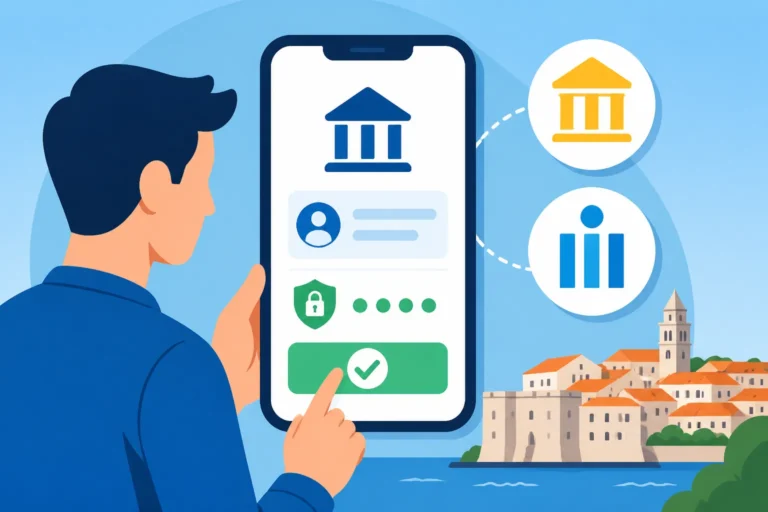
When you're looking to make an international transfer, you'll typically find that all these banks offer the service through their online banking platforms, mobile apps, or directly at a branch. However, the user experience, the clarity of their fee structures, and the exchange rates they offer can differ significantly. Some banks have more user-friendly interfaces, especially for English speakers, while others might require a bit more digging or a trip to the branch. It's always a good idea to check their specific international transfer terms and conditions, often buried deep in their websites, or better yet, ask a customer service representative directly. Don't be shy about comparing their offerings before settling on a primary bank, as the differences, especially in exchange rates and transfer fees, can add up over time. If you're still deciding, our guide on How to Choose the Best Bank for Expats in Croatia might be a helpful read.
The Role of IBAN and SWIFT/BIC in Transfers
The International Bank Account Number (IBAN) and the SWIFT/BIC (Bank Identifier Code) are absolutely critical for international money transfers from Croatia. Think of them as the precise coordinates that ensure your money lands exactly where it's supposed to. Without them, your transfer simply won't go through, or worse, could end up in the wrong account – a nightmare you definitely want to avoid.
The IBAN is a standardized international numbering system for bank accounts. In Croatia, like elsewhere in the EU, every bank account has an IBAN. When you send money to another country, you'll need the recipient's full IBAN. Croatian IBANs are 21 characters long, starting with "HR" followed by two check digits and then the bank and account numbers. The SWIFT/BIC code, on the other hand, identifies the specific bank and branch. It's an 8 or 11-character code unique to each financial institution. For instance, Zagrebačka Banka's SWIFT/BIC is usually ZABAHR2X. You'll need both the recipient's IBAN and their bank's SWIFT/BIC for almost all international transfers outside of the SEPA zone. Even for SEPA transfers, while technically only the IBAN is required, providing the BIC can sometimes speed up the process or act as a safeguard. Always double-check these details with your recipient to prevent any costly errors or delays.
Traditional Bank Transfers: SWIFT/SEPA from Croatia
For many, especially those accustomed to conventional banking, initiating an international transfer through a Croatian bank is the most familiar route. Croatia is part of the Single Euro Payments Area (SEPA), which makes transfers within the Eurozone relatively straightforward and cost-effective. However, sending money outside the SEPA zone involves the SWIFT network, which can come with higher fees and longer processing times.
SEPA Transfers: Fast and Affordable within the Eurozone
As a Eurozone country, Croatia benefits from the SEPA system, which essentially treats payments between member countries (including all EU member states plus Iceland, Liechtenstein, Norway, Switzerland, Monaco, San Marino, and Andorra) as if they were domestic transfers. This is fantastic news if you're sending money to a friend or family member in, say, Germany, France, or Ireland.
SEPA transfers are typically processed quickly, often arriving within one business day, and sometimes even on the same day if initiated early enough. The fees for these transfers are generally low, sometimes even free, depending on your bank and account type. For example, many Croatian banks will charge a minimal fee, if any, for a standard SEPA transfer initiated via online banking. You'll need the recipient's full IBAN. Importantly, SEPA transfers are always denominated in Euros. If you're sending money to a Eurozone country and your Croatian account is in Kuna (before the Euro adoption) or you need to convert from another currency, the bank will perform a currency conversion, which is where they can sometimes apply a less favorable exchange rate. Since Croatia adopted the Euro on January 1, 2023, transfers within SEPA are even more seamless. If you need assistance with setting up online banking, our guide on How to Set Up Online Banking and IBAN Transfers in Croatia provides detailed steps.
SWIFT Transfers: For Global Reach, But With More Costs
When you need to send money to a country outside the SEPA zone – for example, to the United States, Canada, Australia, or any non-Eurozone country in Europe or beyond – you'll be using the SWIFT (Society for Worldwide Interbank Financial Telecommunication) network. This is the global messaging system that banks use to send information and instructions for transfers.
SWIFT transfers are inherently more complex and, consequently, more expensive and slower than SEPA transfers. There are typically three main costs involved:
- Your Croatian Bank's Outgoing Fee: This is the fee charged by your bank for initiating the transfer. It can range from €10 to €50 or more, often a percentage of the amount sent, with a minimum fee.
- Intermediary Bank Fees: SWIFT transfers often go through one or more intermediary banks before reaching the recipient's bank. Each of these banks might deduct their own fee, which can be unpredictable and difficult to track.
- Recipient Bank's Incoming Fee: The recipient's bank might also charge a fee to receive an international SWIFT transfer.
You usually have options for who pays these fees:
- OUR: You, the sender, pay all fees (yours, intermediary, and recipient's). This ensures the recipient gets the full amount, but it's the most expensive option for you.
- BEN: The recipient pays all fees (intermediary and their own bank's incoming fee). This means the recipient will receive less than the sent amount.
- SHA (Shared): You pay your bank's fees, and the recipient pays any intermediary fees and their bank's incoming fees. This is often the default option and means both parties share the burden.
The processing time for SWIFT transfers can range from 2 to 5 business days, and sometimes even longer, depending on the number of intermediary banks, the countries involved, and bank holidays. Exchange rates are also a major consideration, as banks typically add a markup to the interbank rate, which eats into your transfer value.
Online Money Transfer Services: A Modern Solution
For many expats, especially those who value speed, transparency, and lower costs, online money transfer services have become the go-to alternative to traditional banks. These platforms have revolutionized how individuals send money internationally, leveraging technology to bypass some of the complexities and costs associated with the SWIFT network.
How Online Platforms Compare to Traditional Banks
Online money transfer platforms operate differently from traditional banks, offering several key advantages. Their business model often focuses on providing better exchange rates and lower fees by streamlining the transfer process and operating with lower overheads than brick-and-mortar banks.
Here’s a quick comparison:
| Feature | Traditional Croatian Banks (SWIFT) | Online Money Transfer Platforms (e.g., Wise) |
|---|---|---|
| Exchange Rate | Typically includes a significant markup on the mid-market rate, less transparent. | Often uses the mid-market (real) exchange rate, with a clear, low fee displayed. |
| Transfer Fees | Variable, often high outgoing fees, plus potential intermediary and recipient bank fees. Can be opaque. | Generally lower, transparent fees, often a small percentage of the amount + a flat fee. |
| Speed | SEPA: 1-2 business days. SWIFT: 2-5+ business days. | Often same-day or within 1 business day for many corridors. |
| Transparency | Total costs (especially intermediary fees) can be hard to predict upfront. | Clear breakdown of fees and the exact amount the recipient will receive upfront. |
| Convenience | Online banking (can be clunky), or branch visit. | User-friendly apps/websites, transfers from your phone/computer 24/7. |
| Currency Options | Broad, but can be limited for exotic currencies or specific corridors. | Wide range of currencies and corridors, constantly expanding. |
| Minimum/Maximum | Varies, can have high minimums for international transfers. | More flexible, catering to both small and large transfers. |
As you can see, the transparency and cost-effectiveness of online platforms like Wise often make them a more attractive option, especially for frequent transfers or when sending money to non-Eurozone countries.
Popular Online Services for Sending Money from Croatia
Several online money transfer services operate in Croatia, allowing you to send money from your Croatian bank account to almost any country in the world.
One of the most popular and highly-regarded platforms among expats is Wise (formerly TransferWise). Wise is known for its commitment to transparency, offering the real mid-market exchange rate and charging a small, upfront fee that is clearly displayed before you confirm your transfer. This means you always know exactly how much your recipient will get. They support transfers to a vast number of countries and currencies, and their service is fast, often completing transfers within a few hours or a day. Using Wise usually involves linking your Croatian bank account to their platform, initiating the transfer there, and then authorizing the payment from your bank account (often through a simple online bank transfer to Wise's local account in Croatia or another Eurozone country).
Other services like Revolut, although primarily a digital bank, also offer international money transfer features with competitive rates, especially for premium users. PayPal, while widely used, can sometimes have higher fees and less favorable exchange rates compared to dedicated money transfer services, particularly for larger sums. It's always worth checking a few options, especially if you're sending a large amount, as rates can fluctuate. When considering options, you might also want to explore services that cater to specific needs, but for general international transfers from Croatia, Wise remains a top contender due to its transparency and cost-efficiency.
Important Considerations Before Sending Money from Croatia
Before you hit that "send" button, there are a few crucial aspects to consider that can impact the success, cost, and legality of your international money transfer from Croatia. Being prepared and understanding these details can prevent headaches down the road.
Exchange Rates and Hidden Fees: A Closer Look
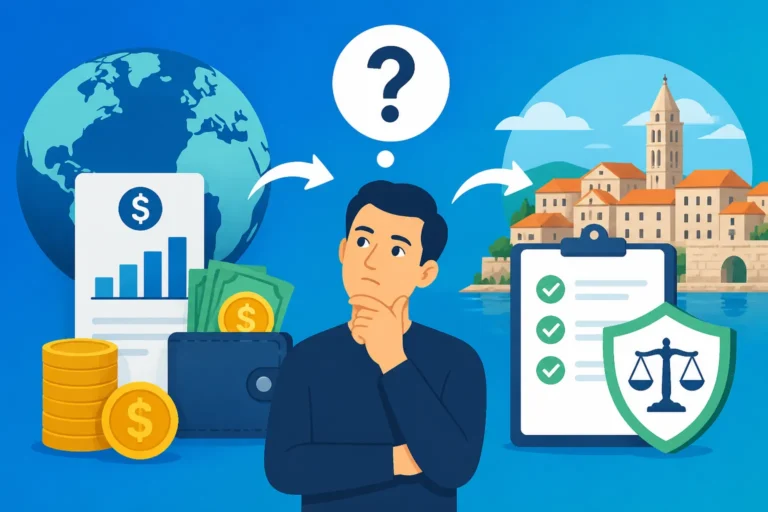
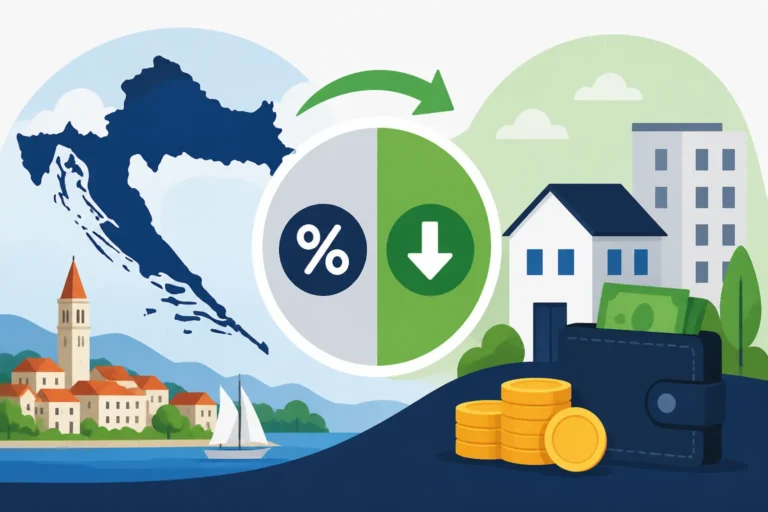
This is where many people get tripped up. The advertised "fee" for a bank transfer is often only one part of the total cost. The other, and often larger, part is the exchange rate markup. Banks and some older transfer services will rarely give you the true mid-market exchange rate (the rate you see on Google or Reuters). Instead, they add a percentage on top, which is effectively a hidden fee. This margin can be anywhere from 1% to 5% or even more, significantly reducing the amount the recipient receives.
Always compare the exchange rate offered by your bank or chosen service against the mid-market rate. Online tools and dedicated transfer services like Wise are explicit about using the mid-market rate and detailing their transparent fees. To truly understand the cost, don't just look at the transfer fee; calculate how much of the destination currency your recipient will get for the amount you intend to send. A service with a slightly higher stated fee but a much better exchange rate might actually be cheaper overall. Remember to factor in potential intermediary bank fees for SWIFT transfers, which can be completely opaque until they're deducted.
Transfer Limits and Documentation Requirements
Both banks and online transfer services will have limits on how much money you can send in a single transaction, daily, or monthly. These limits are in place for security reasons and to comply with anti-money laundering (AML) regulations. For smaller, regular transfers, you might not even notice these limits. However, if you're sending a significant amount – perhaps proceeds from a property sale, a large inheritance, or a business investment – you'll likely encounter them.
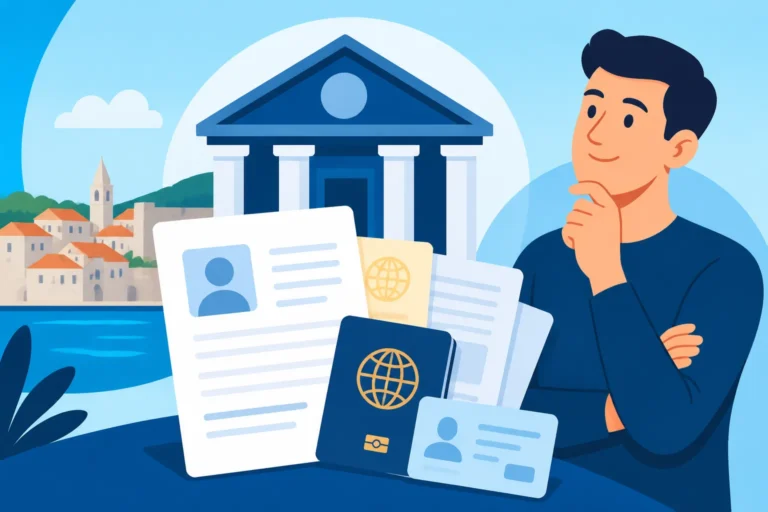
For larger transfers, you may also be asked to provide documentation to prove the source of funds or the purpose of the transfer. This isn't unique to Croatia; it's a global standard for financial institutions. For instance, if you're sending money to purchase property abroad, you might need to show a sales contract. If it's a large gift, you might need to provide a gift declaration. Be prepared for your bank or service to ask for:
- Proof of identity (passport, residence permit)
- Proof of address
- Documents supporting the source of funds (e.g., bank statements, payslips, sales agreements)
- Documents supporting the purpose of the transfer (e.g., invoice, property contract)
Failing to provide the necessary documentation can result in delays or even the cancellation of your transfer. If you've recently moved to Croatia, ensuring you have all your documents in order, including your OIB, is crucial. You can learn more about What Documents Do I Need to Get an OIB in Croatia?.
Legal and Reporting Requirements for Large Transfers
Sending large sums of money internationally from Croatia doesn't typically incur direct Croatian tax on the act of sending itself. However, there are significant reporting requirements that you need to be aware of, both for Croatian authorities and potentially for the recipient's country. Financial institutions in Croatia are obligated to report transactions above certain thresholds to the relevant financial intelligence units to combat money laundering and terrorist financing. While the exact thresholds can vary and are subject to change, any single transfer or cumulative transfers over a certain amount (e.g., €10,000 or more) will likely be flagged for internal review and potentially reported.
As an expat, it's vital to ensure that the funds you are sending originated from a legitimate and declared source. If you are a tax resident in Croatia, you are generally expected to declare your worldwide income. If the money you're transferring is, for example, from the sale of an asset abroad, or a foreign pension, you need to ensure this has been properly reported to the Croatian Tax Administration (Porezna Uprava) if required by your tax residency status. Mismanagement of this could lead to questions from authorities. This is where professional advice becomes invaluable. Companies like Taxes for Expats specialize in cross-border tax issues and can help you navigate the complexities of international finance, ensuring you remain compliant with both Croatian and your home country's tax laws when dealing with large sums. Ensuring your tax residency status is correctly established is foundational, and you can find more details in our guide on Tax Residency in Croatia: A Definitive Guide for Expats (2027).
Protecting Your Funds: Security and Fraud Prevention
In the digital age, while convenience is paramount, so is the security of your financial transactions. Sending money internationally, whether through a traditional bank or an online service, requires vigilance to protect your hard-earned cash from fraud and cyber threats.
Best Practices for Secure Transfers
No matter which method you choose, adopting best practices for security is non-negotiable. Here are some essential tips to safeguard your funds:
- Verify Recipient Details Religiously: This is the golden rule. Always, always double-check the recipient's full name, bank name, account number (IBAN), and SWIFT/BIC code directly with them, preferably through a different communication channel than the one where you received the details. For example, if you got account details via email, call the recipient to confirm them verbally. Scammers are adept at intercepting communications and altering bank details. A single wrong digit can send your money to an unknown account, and recovering it can be extremely difficult, if not impossible.
- Use Strong, Unique Passwords and Two-Factor Authentication (2FA): For your online banking and money transfer service accounts, ensure you're using strong, complex passwords that are unique to each platform. Crucially, enable two-factor authentication (2FA) wherever possible. This adds an extra layer of security, typically requiring a code from your phone in addition to your password, making it much harder for unauthorized users to access your account even if they somehow obtain your password.
- Be Wary of Phishing Attempts: Be extremely cautious of emails, texts, or calls purporting to be from your bank or money transfer service asking for your login credentials, personal information, or to click on suspicious links. Financial institutions will almost never ask for sensitive information like passwords via email. Always navigate directly to their official website or use their official app.
- Keep Your Devices Secure: Ensure the computer or mobile device you use for online banking and transfers is protected with up-to-date antivirus software and that your operating system and browser are regularly updated. Avoid making transfers on public Wi-Fi networks, which can be less secure.
- Understand Your Transfer Limits: While these limits exist for security, they also help you understand your risk. Be aware of how much you're sending and monitor your transactions regularly.
Recognizing and Avoiding Common Scams
Unfortunately, expats can be targets for scams, some of which specifically involve international money transfers. Being aware of common tactics can help you protect yourself.
One prevalent scam is the "impersonation scam," where fraudsters pretend to be a family member, friend, or even a reputable organization in distress, urgently requesting money. They might claim to be stuck abroad, have medical emergencies, or need help with a legal issue. They often pressure you to send money quickly, usually via an irreversible method. Always verify the identity of the person contacting you through a known, trusted contact method (e.g., calling them on a number you already have, not one provided in the suspicious message).
Another common scam involves fake online purchases or investments. You might be asked to send money for goods or services that don't exist, or for a "too good to be true" investment opportunity. Research thoroughly before committing funds, especially if the deal seems unusually lucrative or if you're pressured to act fast.
Finally, be cautious of "advance-fee scams" where you're told you've won a lottery or inherited a large sum, but you need to pay a "processing fee" or "tax" upfront to release the funds. These are always fraudulent. No legitimate lottery or inheritance requires an upfront payment to receive your winnings.
If something feels off, trust your gut. If you suspect fraud, stop the transfer immediately, contact your bank or transfer service, and report the incident to the police. It's much easier to prevent a fraudulent transfer than to recover funds once they're gone.
Troubleshooting and Support for International Transfers
Even with all the preparation, sometimes things go wrong. A transfer might be delayed, the recipient might not receive the expected amount, or you might simply have a question that isn't easily answered. Knowing how to troubleshoot and where to find support is crucial for managing these situations.
What to Do If Your Transfer is Delayed or Missing
A delayed or missing international transfer can be incredibly frustrating and anxiety-inducing, especially when you're dealing with different time zones and languages. Before panicking, take a systematic approach:
- Check Your Transfer Status: Most online banking platforms and money transfer services provide a tracking number or status update for your transfer. Check this first. It might simply show as "processing" or indicate a specific stage of the transfer.
- Confirm Recipient Details Again: Have the recipient double-check their bank account details with you. A common reason for delays or rejections is incorrect IBAN or SWIFT/BIC information. Even a tiny error can cause issues.
- Check Bank Holidays: Be aware of public holidays in both Croatia and the recipient country. These can significantly extend processing times.
- Contact Customer Support: If the status shows a delay beyond the expected timeframe, or if it's marked as complete but the recipient hasn't received it, contact the customer support of your Croatian bank or the online transfer service you used. Have all your transaction details ready: sender name, recipient name, amount, date, reference number, and recipient bank details.
- Be patient but persistent. Sometimes, issues require investigation. Ask for a specific person to follow up with if possible, or a case number.
- Understand the process for tracing funds. Your bank or service might need to initiate a trace with the correspondent banks (for SWIFT transfers). This can take time.
- Inform the Recipient: Keep the recipient informed of the situation and any actions you're taking. They might also need to contact their bank to inquire about the incoming transfer.
Remember, recovering funds from an incorrect transfer is a complex process that often requires cooperation from multiple banks. Acting quickly increases your chances.
Contacting Croatian Banks and Online Service Providers
When you need support, knowing how to effectively contact your provider is key.
For Croatian Banks:
- Online Banking Message System: Many Croatian banks offer a secure messaging system within their online banking portals. This is often the best first step for non-urgent inquiries, as it keeps a written record.
- Phone Support: Banks like Zagrebačka Banka (Zaba) and PBZ have customer service hotlines. Look for numbers specifically for international transfers or English-speaking support, if available. Be prepared for automated menus and potentially longer wait times.
- Branch Visit: For complex issues or if you prefer face-to-face interaction, visiting your bank branch is an option. However, bring all your documents, and if your Croatian isn't fluent, consider bringing a Croatian-speaking friend or translator, as English proficiency varies among branch staff.
For Online Money Transfer Services (e.g., Wise):
- In-App/Website Chat Support: Most online services offer live chat support directly through their app or website. This is usually the fastest and most convenient method.
- Email Support: You can typically submit a support ticket or send an email. Response times vary but are generally efficient.
- Help Centre/FAQs: Before contacting support, check their comprehensive help centers or FAQ sections. Many common issues and questions are already addressed there.
When communicating, be clear, concise, and provide all relevant transaction IDs and details. Having your OIB (Personal Identification Number) and details of your Croatian bank account readily available will also speed things up. Should you encounter any issues with getting your funds transferred out, remember that the Croatian National Bank (HNB) oversees financial stability and regulation in Croatia, and while they don't handle individual customer complaints directly, their general regulatory framework ensures banks adhere to certain standards. You can read more about Understanding the Croatian National Bank (HNB) and Banking Regulation.
Conclusion
Navigating international money transfers from Croatia can seem like a daunting task at first, but with the right knowledge and tools, it becomes a manageable part of your expat financial life. Whether you opt for the traditional banking routes of SEPA or SWIFT, or embrace the efficiency of modern online transfer services like Wise, the key is always informed decision-making. By understanding the fees, exchange rates, and necessary documentation, and by prioritizing security, you can ensure your funds reach their destination safely and efficiently, allowing you to focus on the joys of living in beautiful Croatia.
Disclaimer
The information provided in this guide is for general informational purposes only and does not constitute financial, legal, or tax advice. While we strive to keep the information accurate and up-to-date, regulations and banking practices in Croatia can change. Always consult with a qualified financial advisor, tax professional, or your chosen banking institution for advice tailored to your specific situation. We are not responsible for any actions taken based on the information presented herein.